Hard Rush
Juncus inflexus
Overview
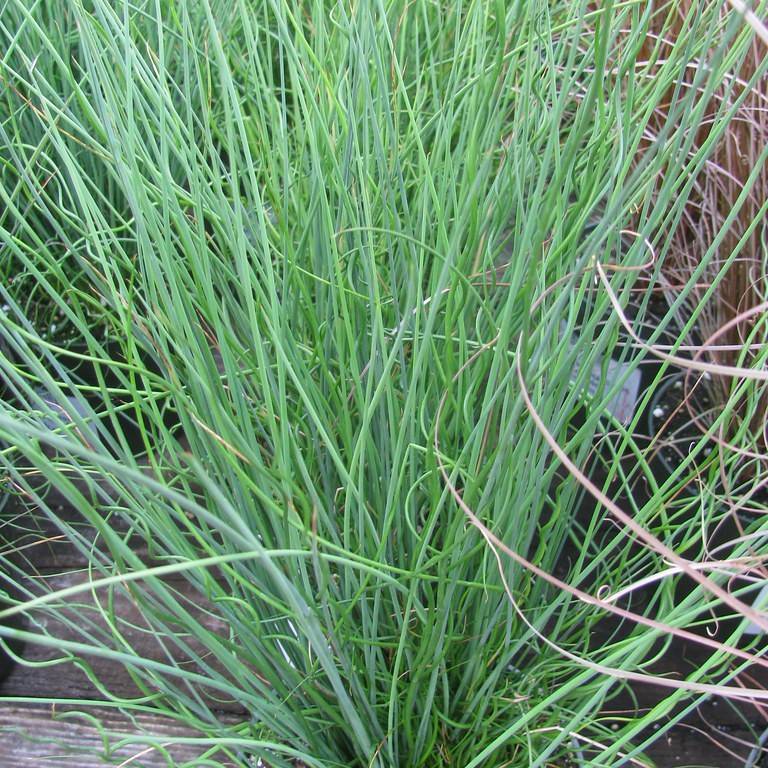
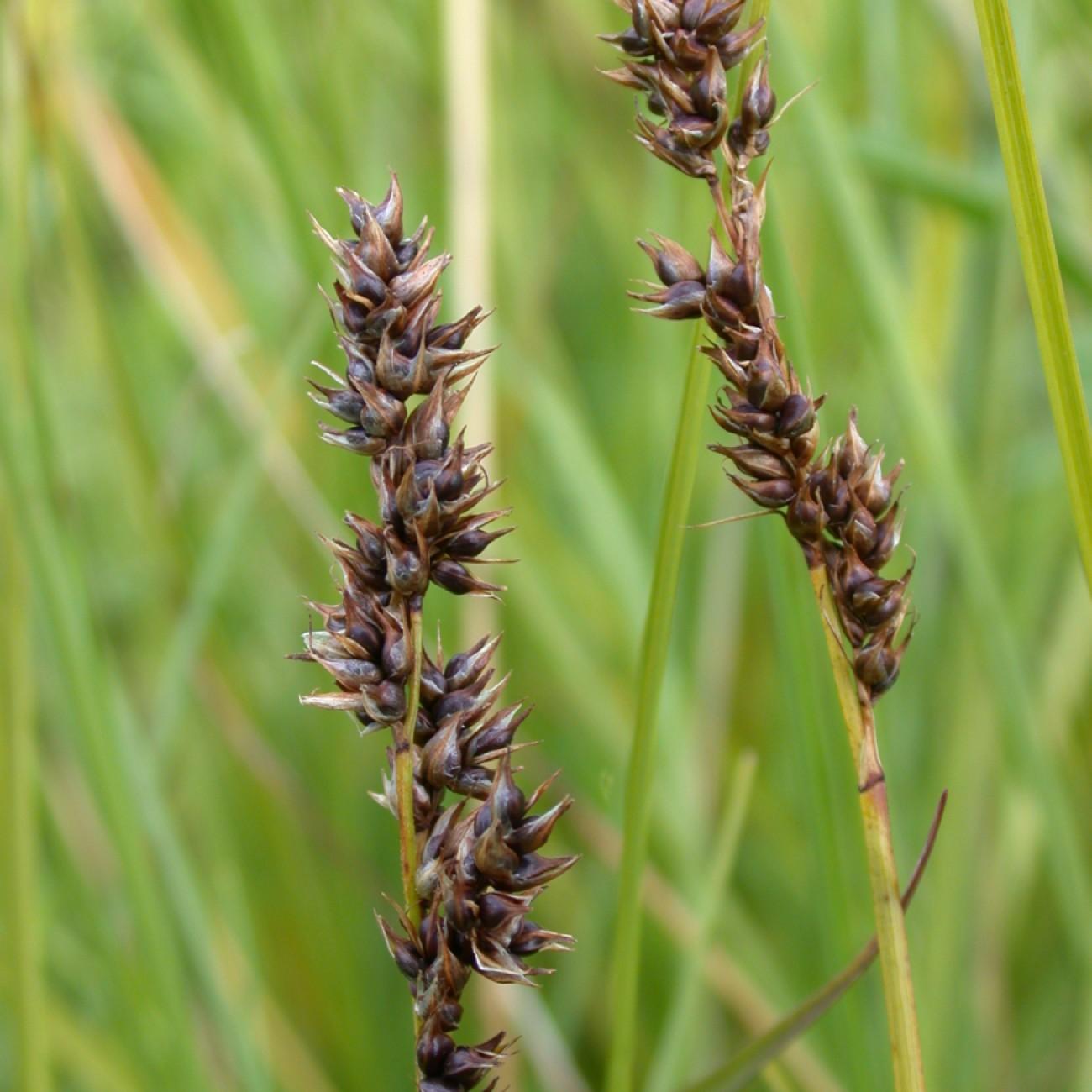
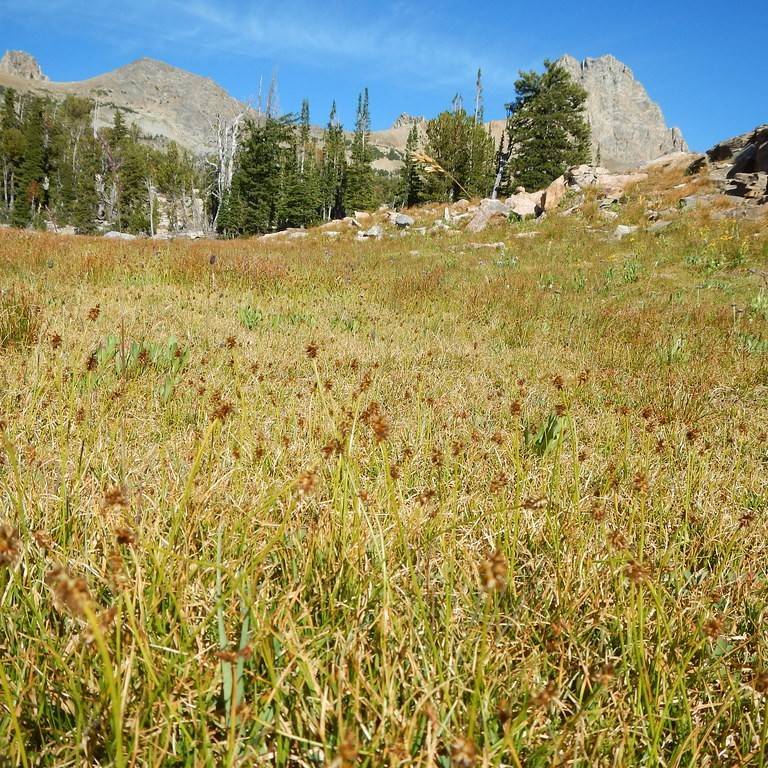
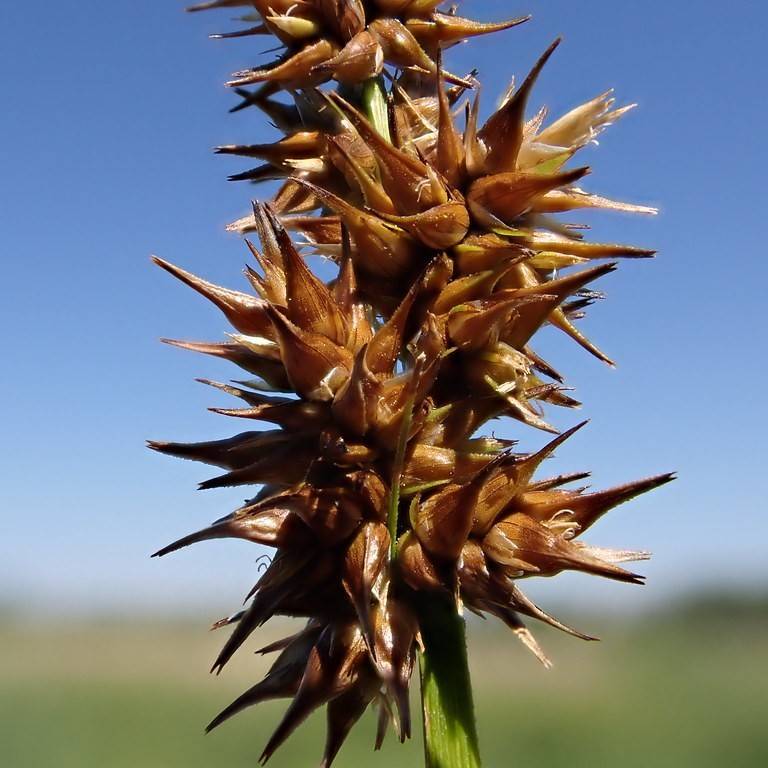
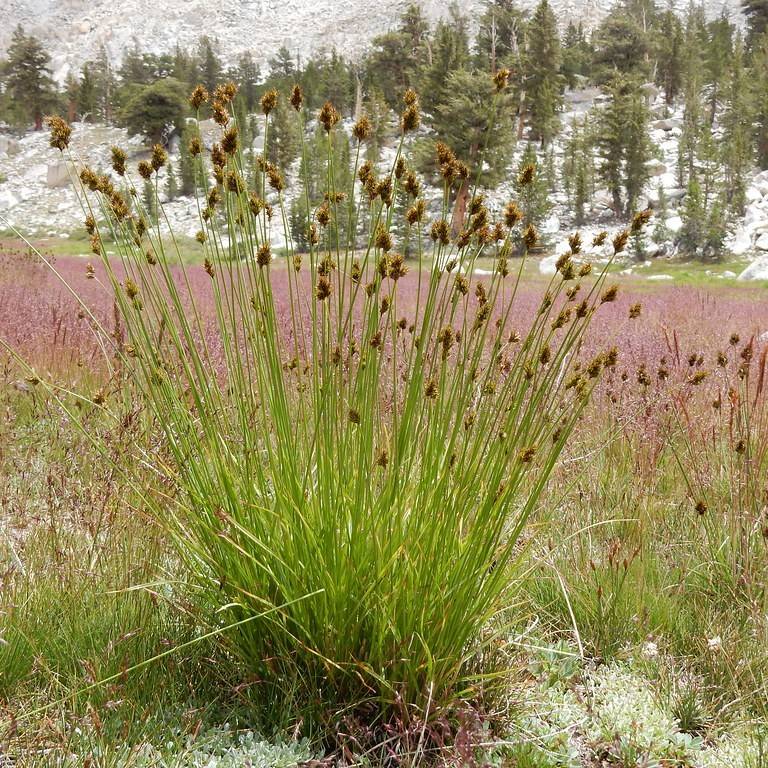
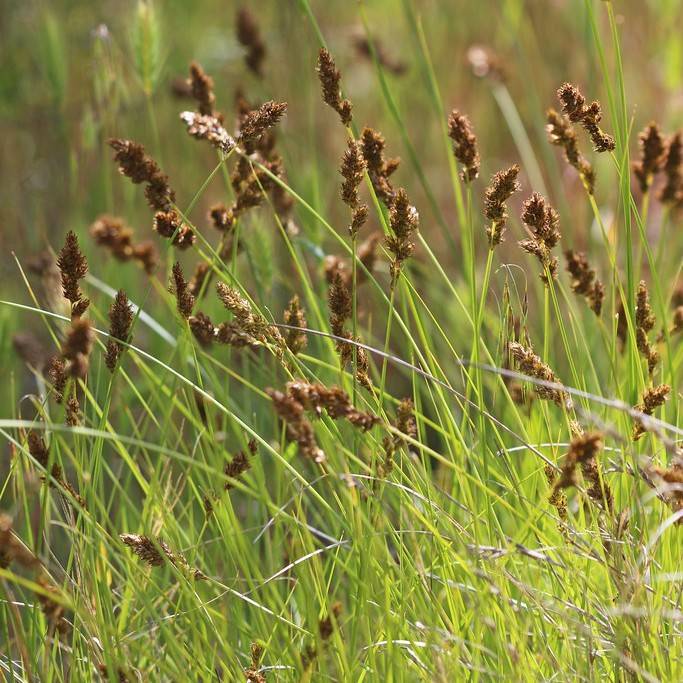
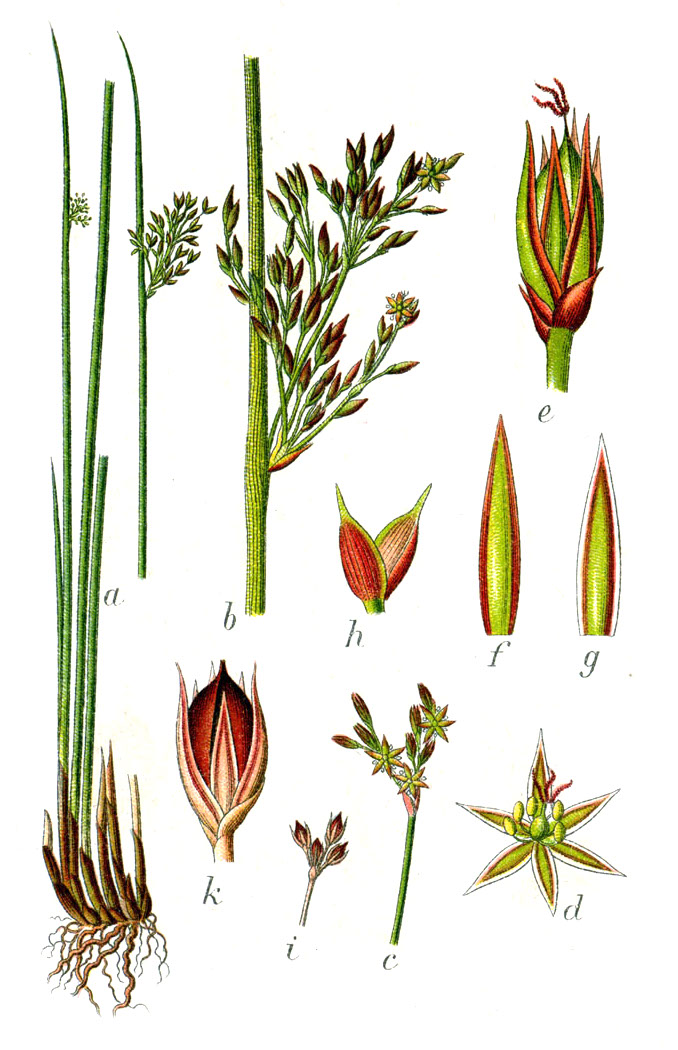
Hard rush is a rhizomatous, clump-forming wetland plant distinguished by its rigid, pith-filled, gray-green cylindrical stems that grow in dense, upright tufts. It produces tiny, inconspicuous brown flower clusters at the tips of stems from late spring to mid-summer, followed by small seed capsules that attract small birds. Adapted to a wide range of moist to saturated soil conditions, it is a tough, low-maintenance species often used for erosion control along water margins and in stormwater management plantings.
Care Guide
Watering
Hard rush thrives in consistently moist to saturated soil, tolerating standing water up to 6 inches deep for extended periods. Water regularly to prevent the soil from drying out completely, especially if grown in upland landscape sites away from natural water sources. Drought tolerance is limited, so supplemental irrigation is required during prolonged dry spells to keep foliage vibrant.
Light
This species grows best in full sun, which encourages dense, upright clump formation and maximum stem vigor. It can tolerate partial shade, though growth may become looser and less compact in low-light conditions. Avoid deep, full shade, as it will cause sparse growth and increased susceptibility to stem dieback.
Soil
Hard rush is adaptable to a wide range of soil types, including clay, loam, and sandy soils, as long as moisture levels are consistent. It tolerates poor, nutrient-deficient soils and even slightly alkaline to acidic pH levels, making it suitable for challenging wetland and riparian sites. It will not perform well in fast-draining, dry soils that do not retain consistent moisture.
Fertilizer
Fertilization is rarely necessary for hard rush, as it thrives in low-nutrient wetland soils. If grown in particularly poor, sandy upland soil, a light application of balanced, slow-release fertilizer in early spring can support healthy growth. Avoid over-fertilizing, as this can cause excessive, floppy stem growth and reduce the plant’s natural hardiness.
Temperature
Hard rush is hardy in USDA zones 4 through 9, tolerating winter temperatures as low as -30°F (-34°C) when established. It thrives in temperate to cool summer conditions, though it can tolerate moderate heat as long as soil moisture is sufficient. In regions with extremely hot summers, partial afternoon shade can help prevent stem scorch.
Pruning
Prune hard rush in late winter or early spring before new growth emerges, cutting back all old, dead stems to 2-3 inches above the soil line to make room for fresh, new growth. Remove any yellowed or damaged stems throughout the growing season to maintain a tidy appearance and prevent fungal growth. If clumps spread beyond their desired bounds, cut back rhizomes at the edge of the planting area to contain growth.
Propagation
Hard rush is most easily propagated by division in early spring, just as new growth begins to emerge. Dig up mature clumps, separate them into smaller sections with healthy rhizomes and at least 5-10 stems each, and replant immediately at the same depth as the original plant. It can also be grown from seed sown directly on moist soil in fall or early spring, though seed-grown plants take 2-3 years to reach mature size.
Humidity
As a wetland native, hard rush prefers high humidity levels, though it adapts well to average ambient humidity as long as soil moisture is adequate. It does not require additional misting or humidity adjustments when grown outdoors in its hardiness range. Indoor-grown specimens benefit from placement near a humidifier or pebble tray if indoor humidity drops below 40%.
Repotting
If grown in containers, repot hard rush every 2-3 years in early spring to refresh the soil and prevent root bound conditions. Use a heavy, loam-based potting mix that retains moisture well, and select a pot with drainage holes to prevent standing water from rotting the roots, though it tolerates wet potting medium well. After repotting, water thoroughly and keep the soil consistently saturated for the first 2 weeks to help roots establish.
Uses & Symbolism
Hard rush is widely used in landscape design for rain gardens, bioswales, pond edges, and riparian buffer plantings, where its dense root system helps stabilize soil and filter stormwater runoff. Its stiff, architectural stems add vertical texture to mixed wetland plantings and cut flower arrangements, while its seed heads provide food for small songbirds and wetland wildlife. Historically, the stems were used for weaving baskets, mats, and cordage by Indigenous and European communities.
Diseases & Pests
Hard rush is largely pest and disease resistant, though it may develop fungal leaf spot or rust in overly humid, poorly ventilated conditions with prolonged foliage wetness. Root rot can occur if the plant is grown in poorly drained, dry soil that alternates between saturated and bone-dry conditions, rather than consistent moisture. Aphids and spider mites may occasionally infest stressed plants, especially those grown indoors or in very dry conditions, and can be controlled with a strong spray of water or insecticidal soap.
Related plants
Other plants you might like if you grow Hard Rush.