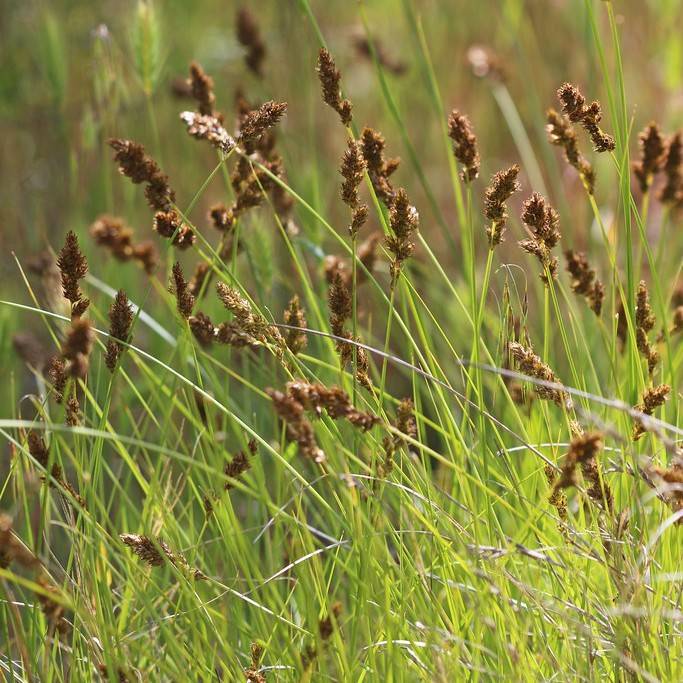
Copycat Sedge
Carex simulata
Overview
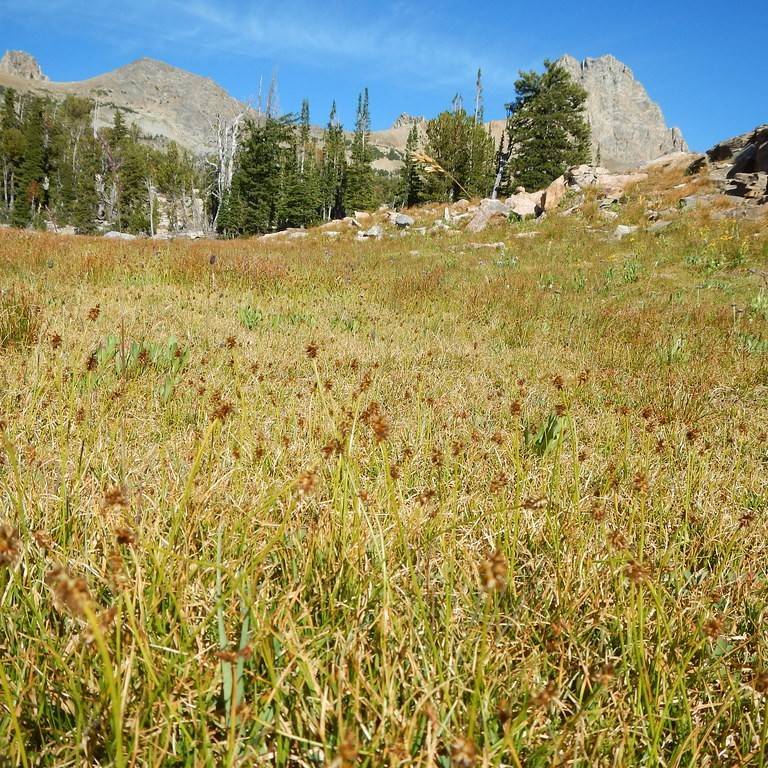
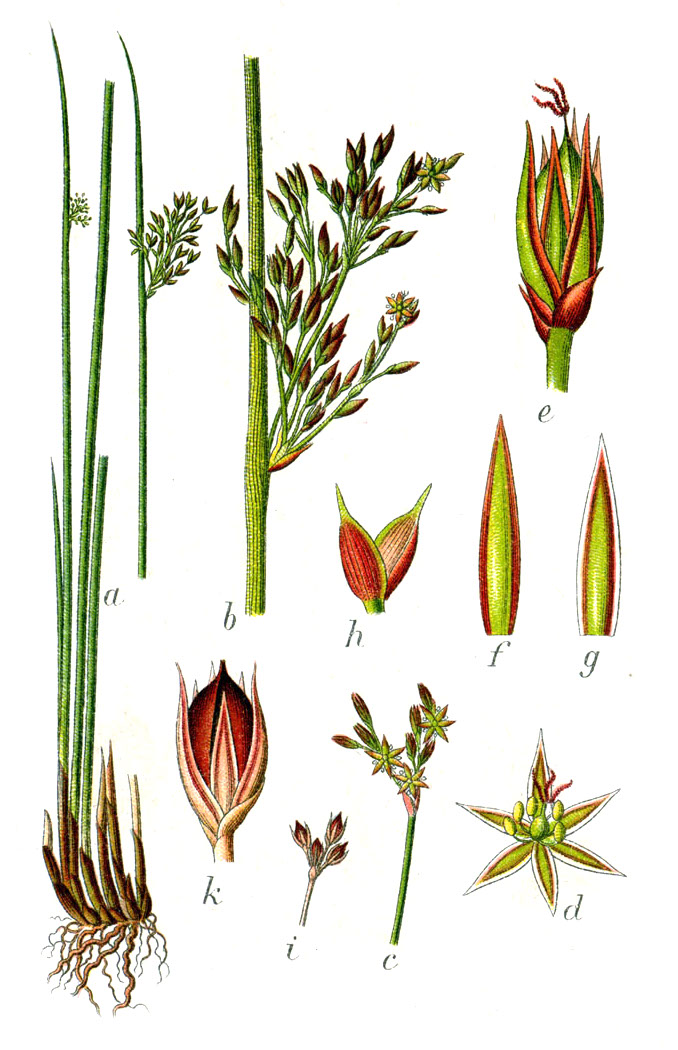
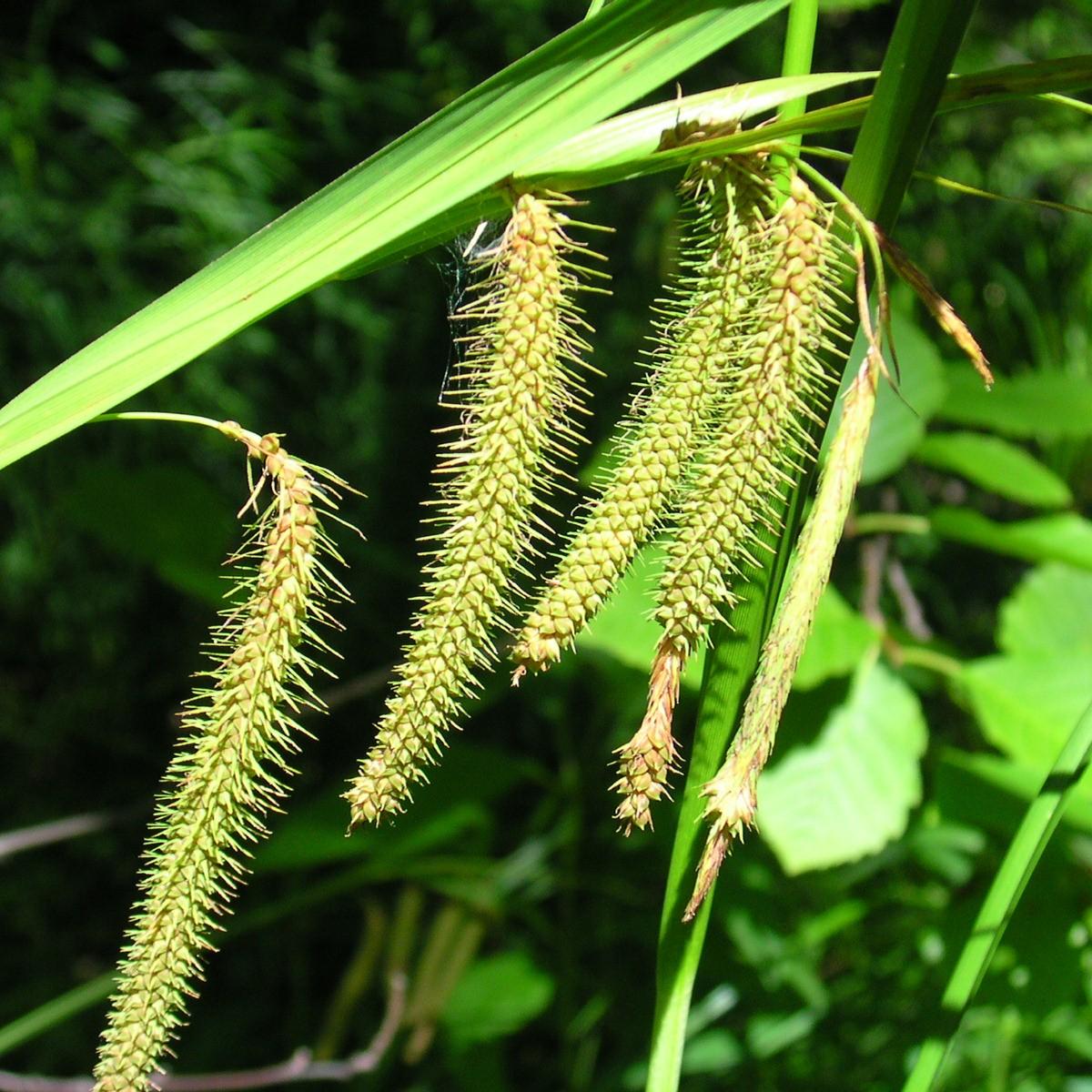
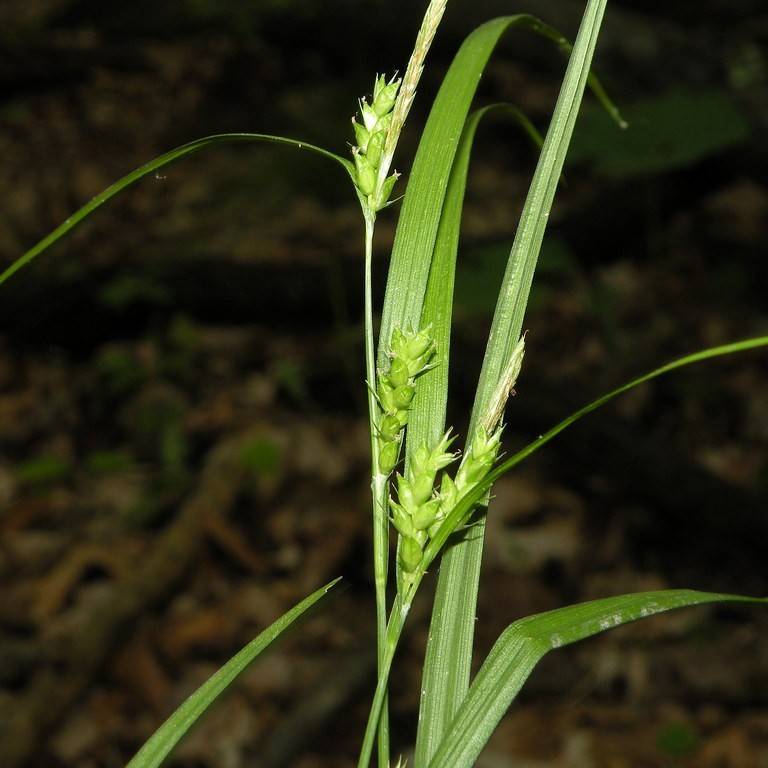
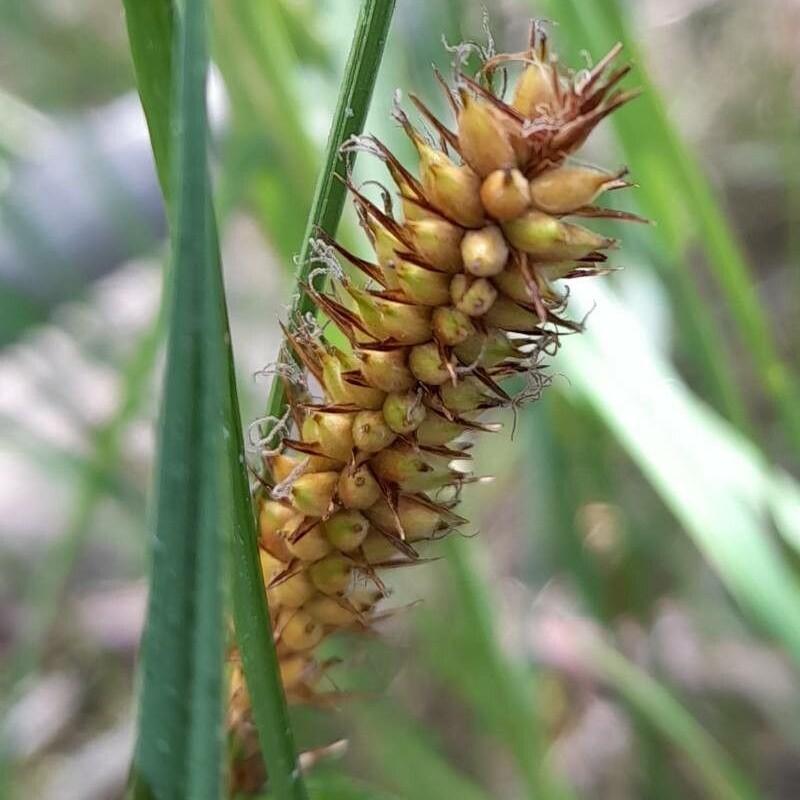
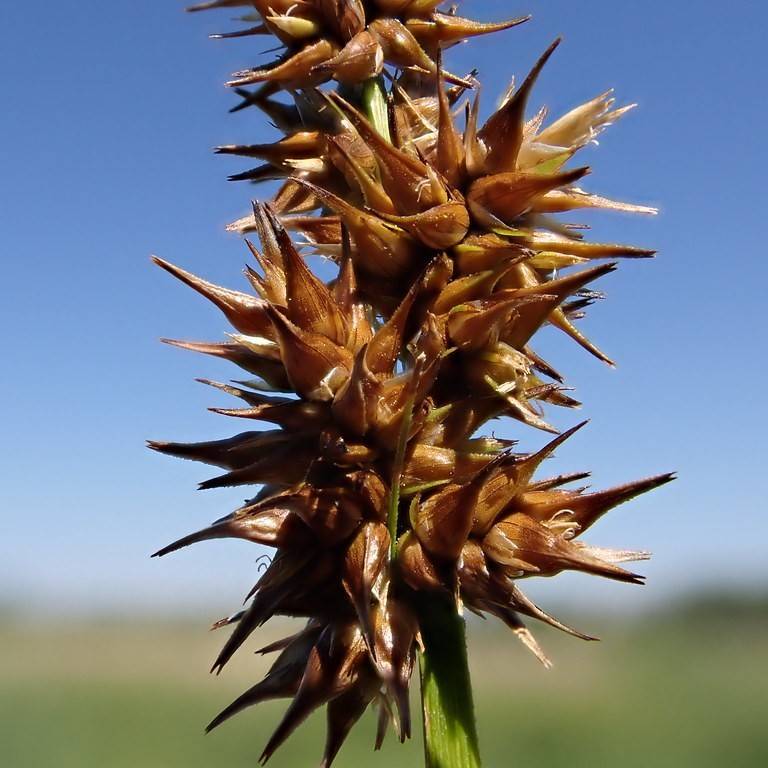
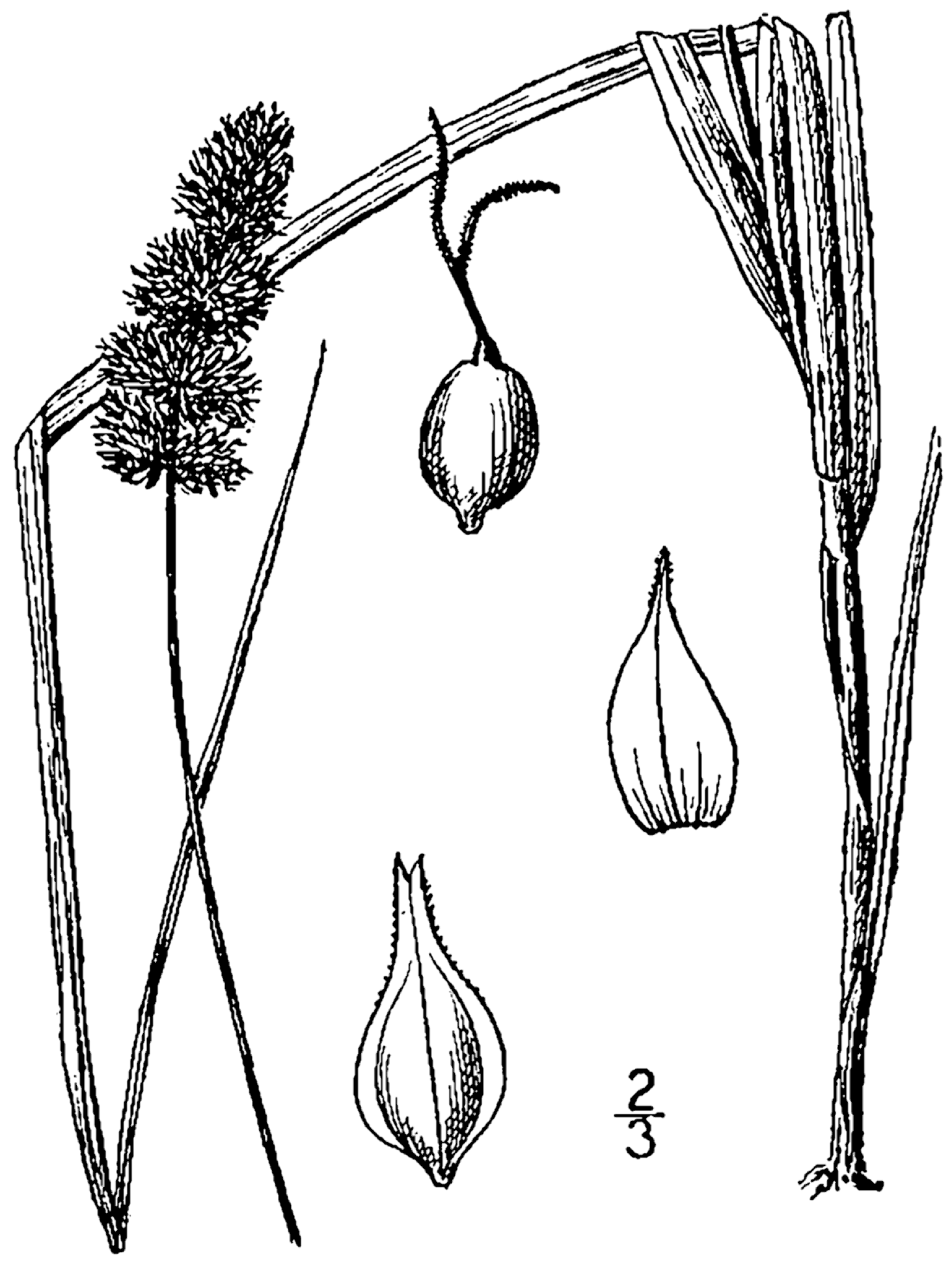
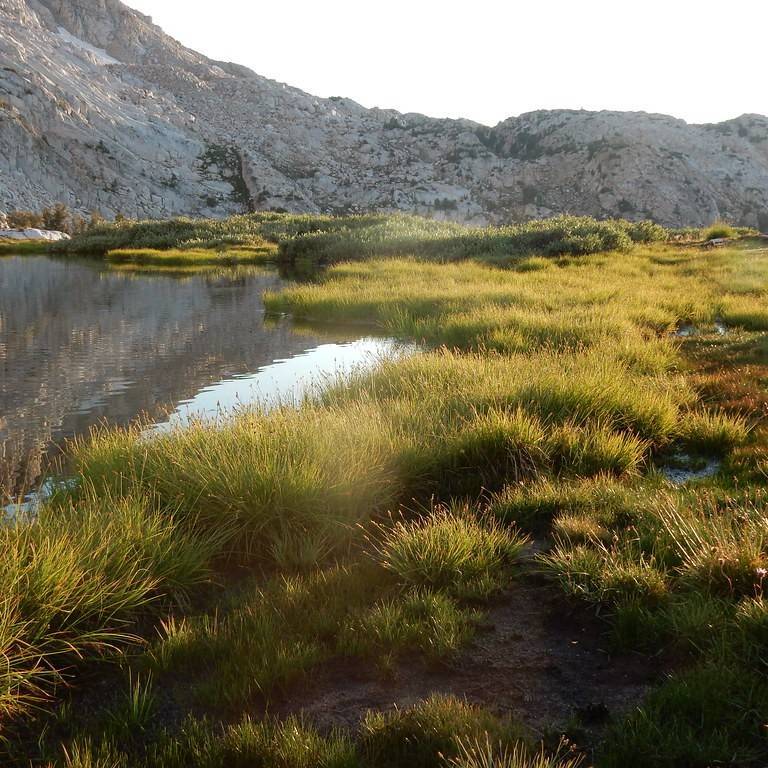
Copycat sedge, named for its close resemblance to other closely related Carex species, is a rhizomatous perennial native to riparian zones, meadows, and wetland edges across western North America. It produces dense tufts of narrow, grass-like green leaves that arch gently, with inconspicuous brown spikelet flowers appearing in late spring to early summer. This hardy sedge is adapted to seasonally saturated soils, making it a popular choice for rain gardens, bioswales, and native plant restoration projects.
Care Guide
Watering
Copycat sedge thrives in consistently moist to wet soil, requiring regular watering to maintain soil moisture levels, especially if planted in non-riparian settings. It can tolerate short periods of drought once established, but prolonged dryness will cause foliage to brown and die back. In garden settings, water deeply 1-2 times per week in the absence of rain, ensuring the root zone never fully dries out.
Light
This sedge grows best in full sun to partial shade, performing optimally with at least 4 hours of direct sunlight per day. In hotter, arid parts of its native range, it benefits from afternoon shade to prevent leaf scorch during the warmest summer months. It can survive in full shade, though growth will be slower and clumps may be less dense.
Soil
Copycat sedge prefers loamy, silty, or clay soils with high organic matter content that retain moisture well, with a pH range of 5.0 to 7.5. It tolerates poorly drained, seasonally flooded soils, making it suitable for low-lying areas of the garden where other plants may suffer from root rot. It can grow in average garden soil as long as regular moisture is provided.
Fertilizer
Copycat sedge has low nutrient requirements and rarely needs supplemental fertilization when planted in its native habitat or organically rich garden soil. If planted in poor, sandy soil, apply a balanced, slow-release all-purpose fertilizer once in early spring to support new growth. Avoid over-fertilizing, as this can cause excessive, floppy foliage growth and reduce the plant's hardiness.
Temperature
This species is adapted to temperate climates, thriving in USDA hardiness zones 4 through 9, withstanding winter temperatures as low as -30°F (-34°C). It tolerates summer temperatures up to 100°F (38°C) if provided with adequate moisture and partial shade in hotter regions. Frost will kill back above-ground foliage, but the root system will regrow new leaves in early spring.
Pruning
Prune copycat sedge in late winter or early spring before new growth emerges, cutting back dead or browned foliage to 2-3 inches above the soil line to encourage fresh, healthy leaf production. Remove any damaged or yellowing leaves throughout the growing season as needed to maintain a tidy appearance. If clumps become too dense or spread beyond their desired area, thin them out by dividing rhizomes every 3-4 years.
Propagation
Copycat sedge is most easily propagated by division in early spring, when new growth is just starting to appear. Dig up mature clumps, separate the rhizomatous root systems into smaller sections with at least 3-5 leaf shoots each, and replant immediately at the same depth as the original plant, watering thoroughly. It can also be grown from seed, though seed germination is slow and inconsistent, requiring cold stratification for 60-90 days to break dormancy.
Humidity
This sedge tolerates a wide range of humidity levels, thriving in the moderate to high humidity of its native riparian habitats, but also adapting to drier air conditions if soil moisture is maintained. It does not require supplemental humidity when grown in garden settings, even in arid regions, as long as its watering needs are met. Indoor container-grown specimens benefit from occasional misting if the air is excessively dry.
Repotting
When grown in containers, repot copycat sedge every 2-3 years in early spring, moving it to a pot one size larger if the root system has filled the current container. Use a moisture-retentive potting mix with added compost or peat moss to maintain consistent soil moisture, and ensure the container has adequate drainage holes to prevent standing water. After repotting, water thoroughly and keep the soil consistently moist for the first 2 weeks to help the plant adjust.
Uses & Symbolism
Copycat sedge is widely used in native plant gardens, rain gardens, and bioswales for its ability to filter stormwater runoff, prevent soil erosion along streambanks and slopes, and provide habitat and food for native pollinators, waterfowl, and small mammals. It is also planted as a low-maintenance ornamental grass alternative for wet areas of the landscape, providing year-round green foliage with minimal care. In restoration projects, it is used to re-establish native wetland vegetation and stabilize disturbed riparian habitats.
Diseases & Pests
Copycat sedge is largely pest and disease resistant, with few common issues when grown in appropriate conditions. Overly dry soil can attract spider mites, while prolonged standing water in poorly drained containers may lead to root rot or fungal leaf spot diseases. Aphids may occasionally feed on new growth, though they can be easily controlled with a strong spray of water or insecticidal soap if infestations become severe.
Related plants
Other plants you might like if you grow Copycat Sedge.