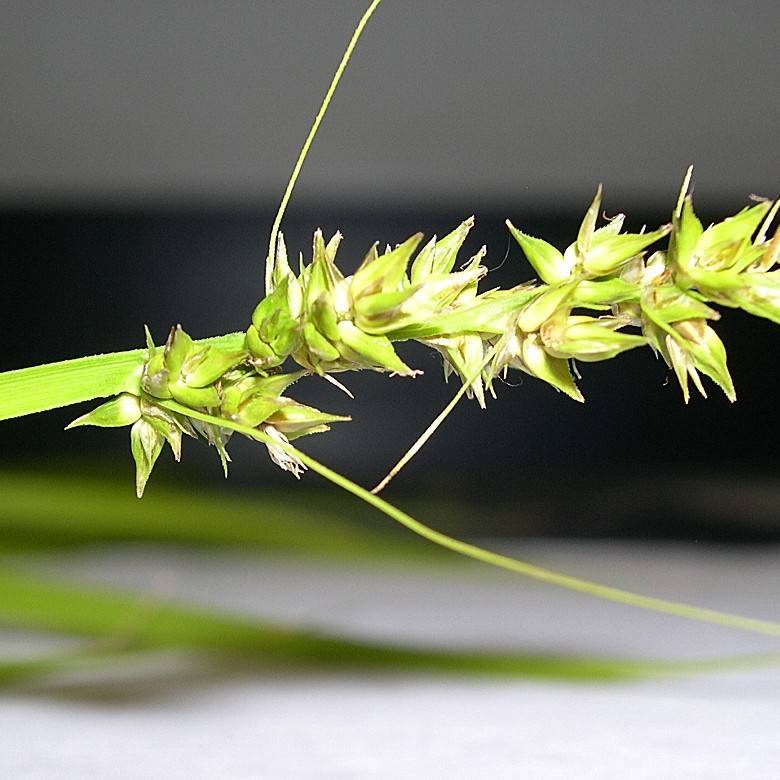
Foxtail Sedge
Carex alopecuroides
Overview
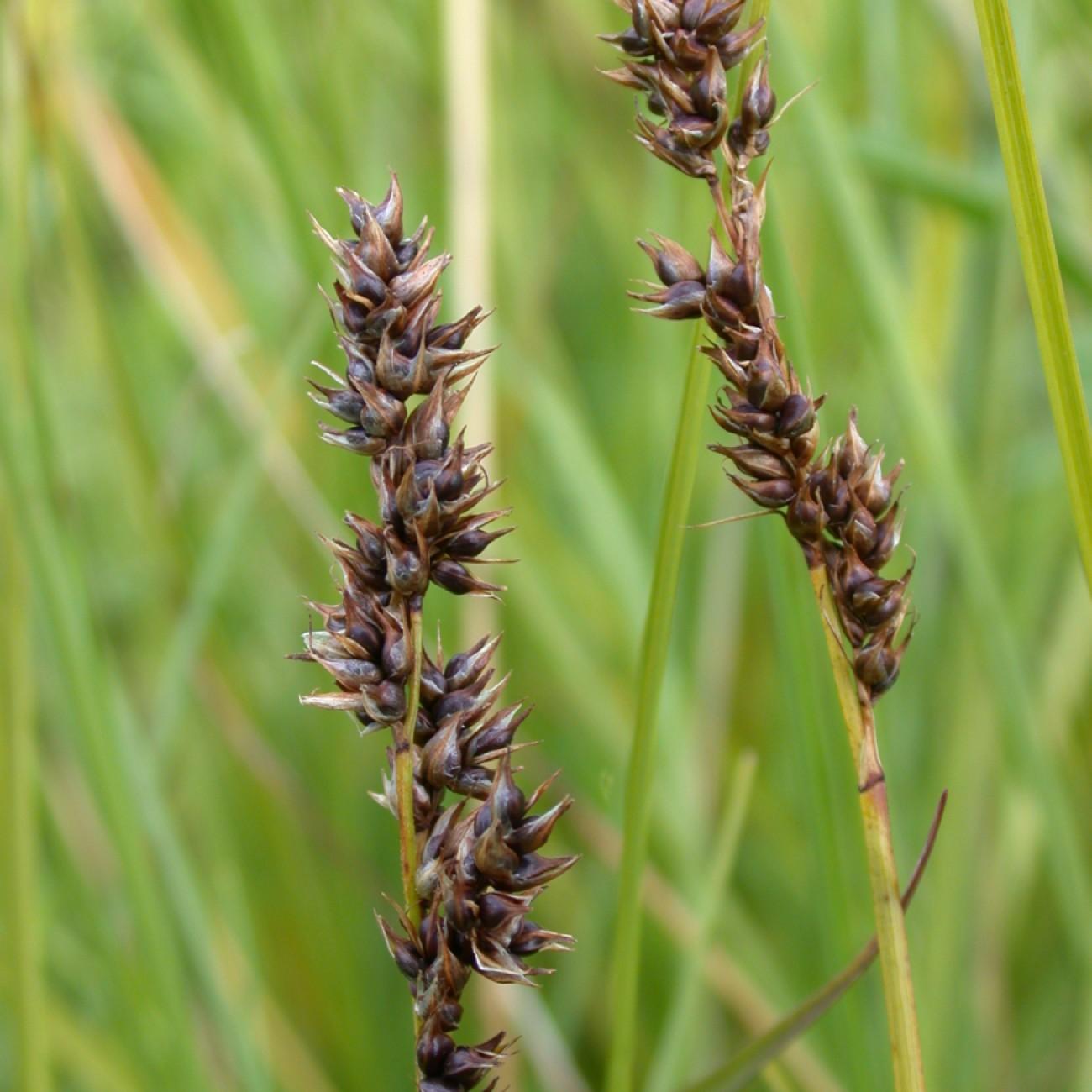
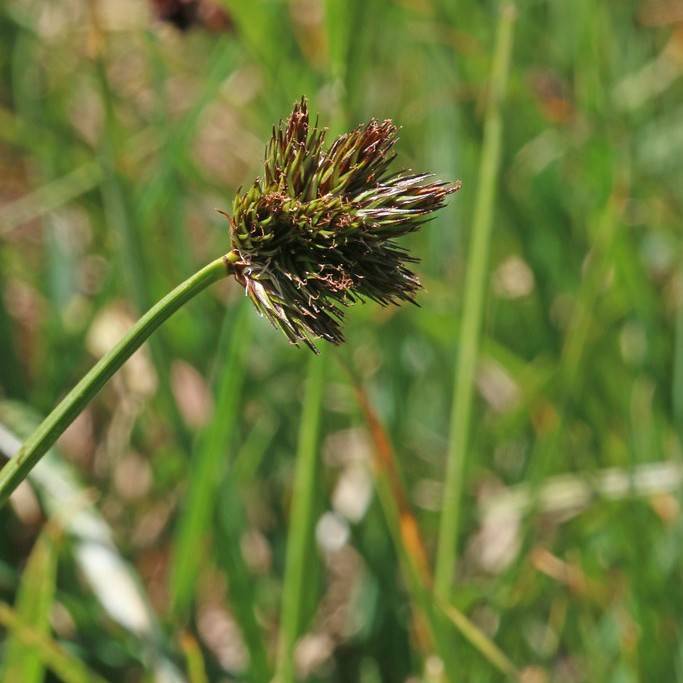
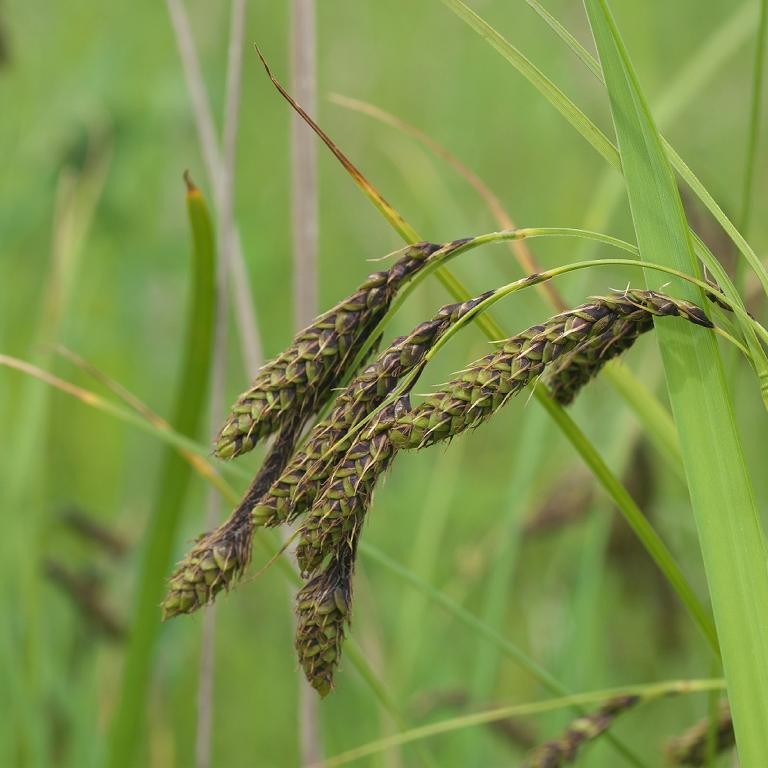
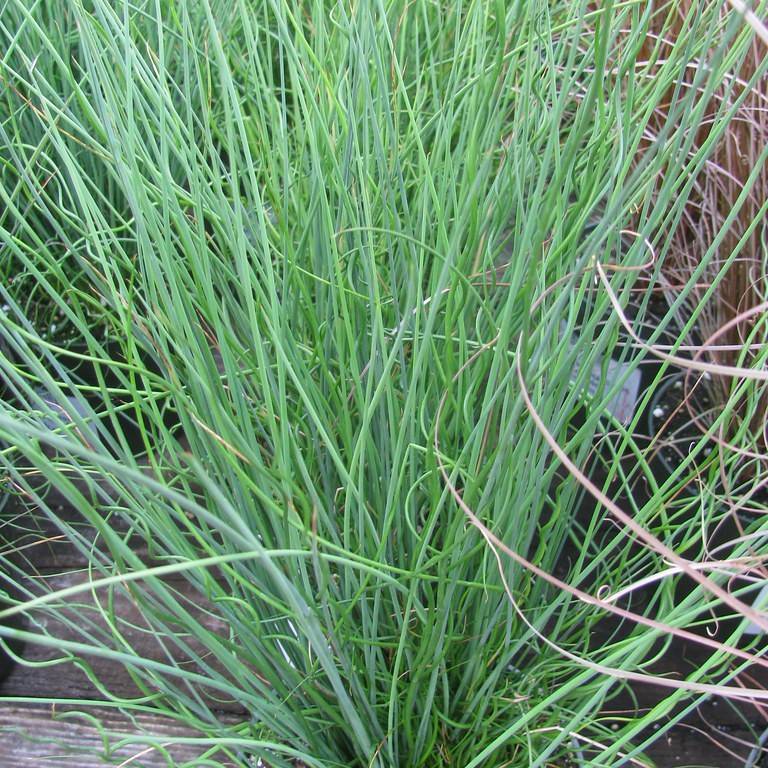
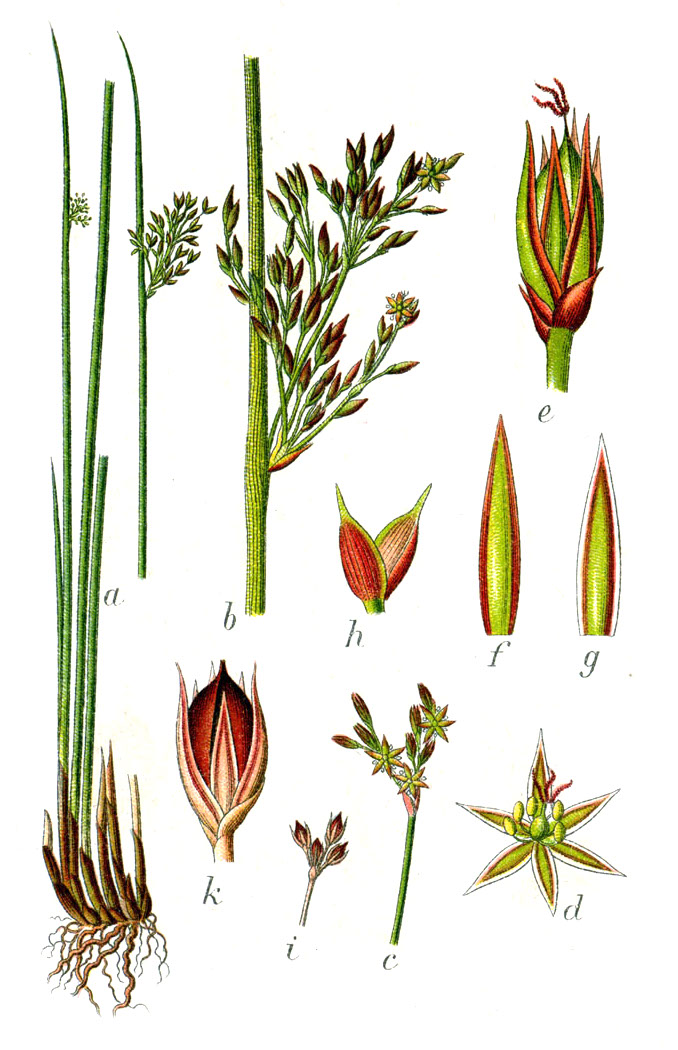
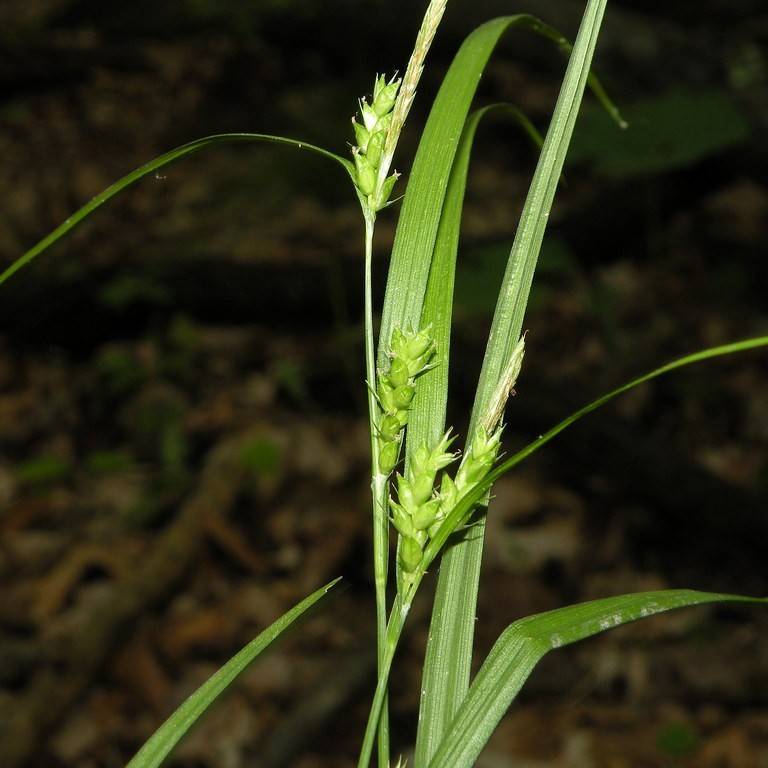
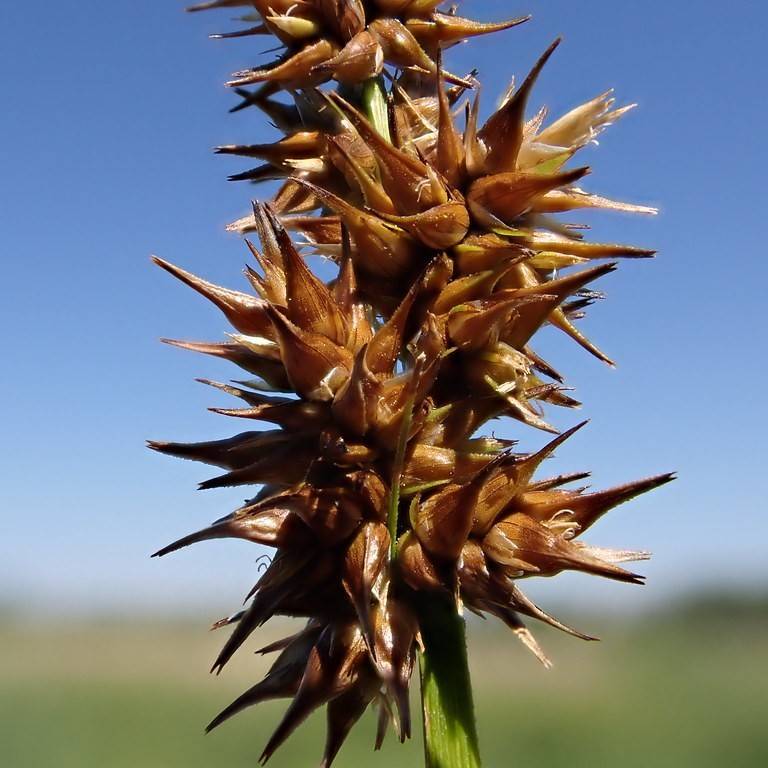
Foxtail sedge is a herbaceous clumping sedge distinguished by its dense, cylindrical, greenish-brown flower spikes that resemble a fox’s tail, emerging in late spring. It thrives in consistently moist soils, making it a popular choice for erosion control along waterways and in rain garden designs. Unlike many ornamental grasses, it tolerates full shade and poorly drained conditions, adding texture and year-round green foliage to wet landscapes.
Care Guide
Watering
Foxtail sedge requires consistently moist to wet soil, and should be watered frequently to prevent the root zone from drying out completely. It can tolerate seasonal shallow flooding, making it suitable for planting at pond edges or in low-lying areas that collect water. During extended dry periods, supplement natural rainfall with deep watering at least once per week to maintain soil moisture.
Light
This sedge adapts to a wide range of light conditions, from full sun to full shade, though it produces the most abundant flower spikes in partial sun. In hot, dry climates, it benefits from afternoon shade to prevent foliage scorch and reduce water requirements. In consistently moist, cool regions, it can thrive in full sun without stress.
Soil
Foxtail sedge prefers fertile, loamy, or clay soils with a neutral to slightly acidic pH, though it tolerates a wide range of soil types as long as moisture levels are high. It does not require well-drained soil, and will grow in compacted, waterlogged substrates that many other ornamental plants cannot tolerate. Amending poor soils with organic matter such as compost will boost growth and support healthy foliage.
Fertilizer
Fertilizer is rarely necessary for foxtail sedge grown in nutrient-rich wetland or garden soils, as it obtains sufficient nutrients from organic matter in its growing medium. If grown in poor, sandy soil, apply a balanced, slow-release all-purpose fertilizer once in early spring to support new growth. Avoid over-fertilizing, as this can lead to floppy foliage and reduced flowering.
Temperature
Foxtail sedge is cold-hardy in USDA zones 4 through 9, tolerating winter temperatures as low as -30°F (-34°C) when established. It prefers moderate summer temperatures between 60 and 80°F (15 and 27°C), and will go dormant if exposed to extended periods of extreme heat combined with drought. In its northern range, it dies back to the ground in winter, re-emerging vigorously in early spring.
Pruning
Prune foxtail sedge in late winter or early spring before new growth emerges, cutting back old, brown foliage to 2-3 inches above the soil line to make room for fresh green leaves. Remove spent flower spikes in mid-summer if desired to maintain a neat appearance, though leaving the spikes in place provides food for seed-eating birds and adds winter interest. Divide overgrown clumps every 3-4 years during dormancy to prevent overcrowding and maintain vigorous growth.
Propagation
Foxtail sedge is most easily propagated by division in early spring or late fall, when the plant is dormant. Dig up the entire clump, separate it into smaller sections with a sharp knife, ensuring each section has a healthy portion of roots and foliage, and replant immediately at the same depth as the original plant. It can also be grown from seed sown directly in moist soil in fall or cold-stratified for 60 days and sown in spring, though seed-grown plants take 2-3 years to reach mature size.
Humidity
Foxtail sedge thrives in moderate to high humidity levels common to its native wetland and riparian habitats. It tolerates average household humidity if grown as a potted houseplant, though it will benefit from occasional misting if indoor air is extremely dry. Low humidity combined with dry soil will cause leaf tips to brown, so maintain consistent moisture to prevent stress.
Repotting
When grown in containers, foxtail sedge should be repotted every 2-3 years in early spring, before new growth begins. Choose a pot with drainage holes, use a moisture-retentive potting mix amended with peat moss or compost, and plant at the same depth as it was in its previous container. If the plant becomes root-bound, divide the clump during repotting to keep it a manageable size for container growing.
Uses & Symbolism
Foxtail sedge is widely used in ecological landscaping for rain gardens, bioswales, and pond edge plantings, where its dense root system stabilizes soil and reduces erosion, while its foliage provides cover for small wetland wildlife. It is also planted as a low-maintenance ornamental in shaded, moist garden beds, where its textured foliage and unique flower spikes add visual interest. Native wildlife rely on its seeds as a food source, and it serves as a host plant for several species of skipper butterflies.
Diseases & Pests
Foxtail sedge is largely pest and disease resistant, though it may develop fungal leaf spot or rust if grown in overly crowded, poorly ventilated conditions with stagnant moisture. Aphids and spider mites may occasionally infest stressed plants, especially those grown in overly dry conditions, and can be controlled with a strong spray of water or insecticidal soap. Root rot is rare, but may occur if the plant is grown in permanently waterlogged soil in areas with extremely cold winter temperatures.
Related plants
Other plants you might like if you grow Foxtail Sedge.