Common Rush
Juncus effusus
Overview
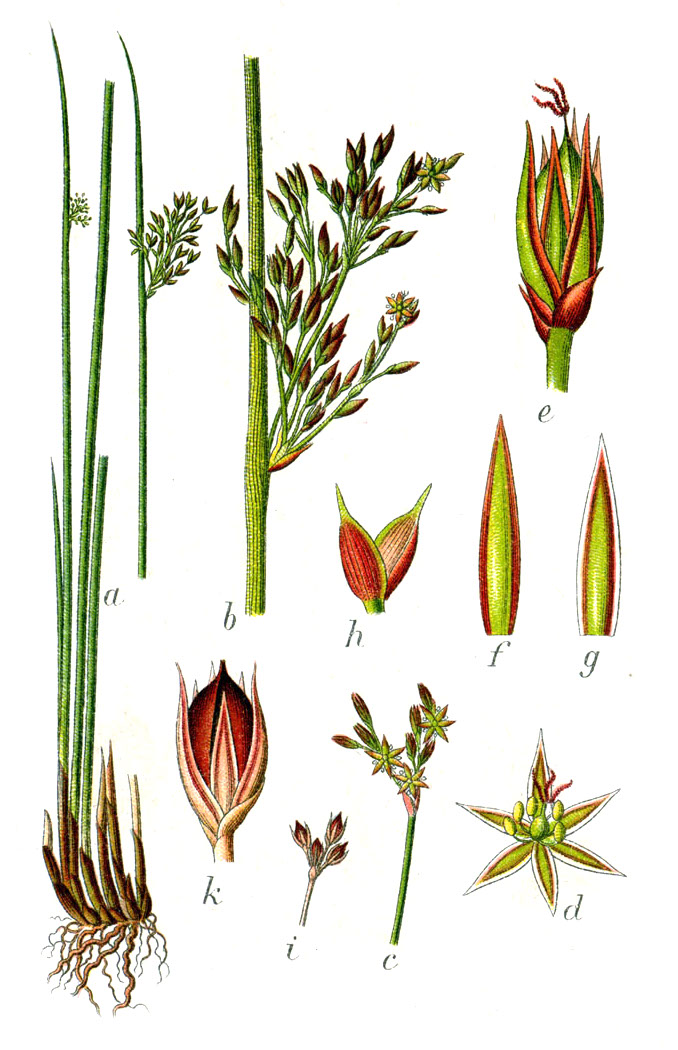
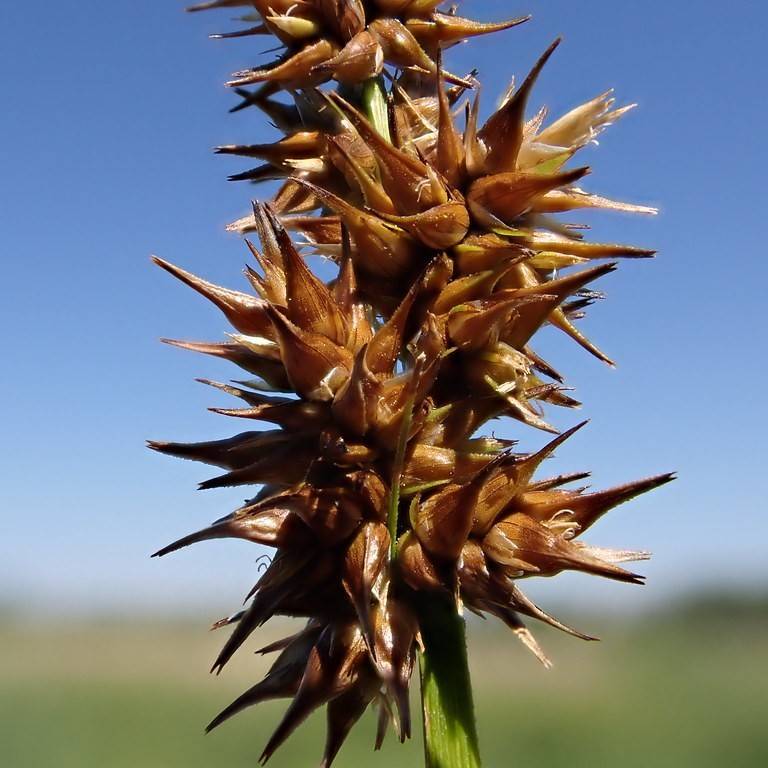
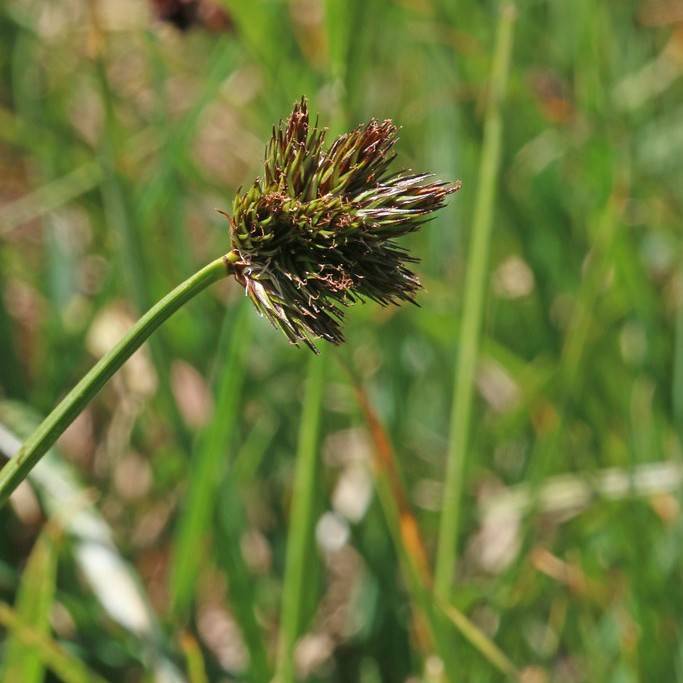
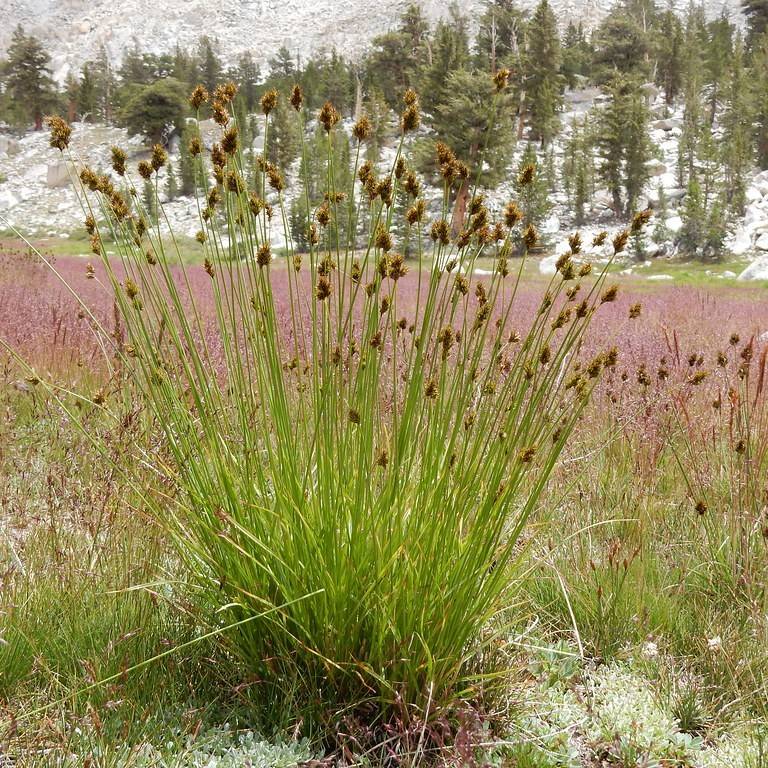
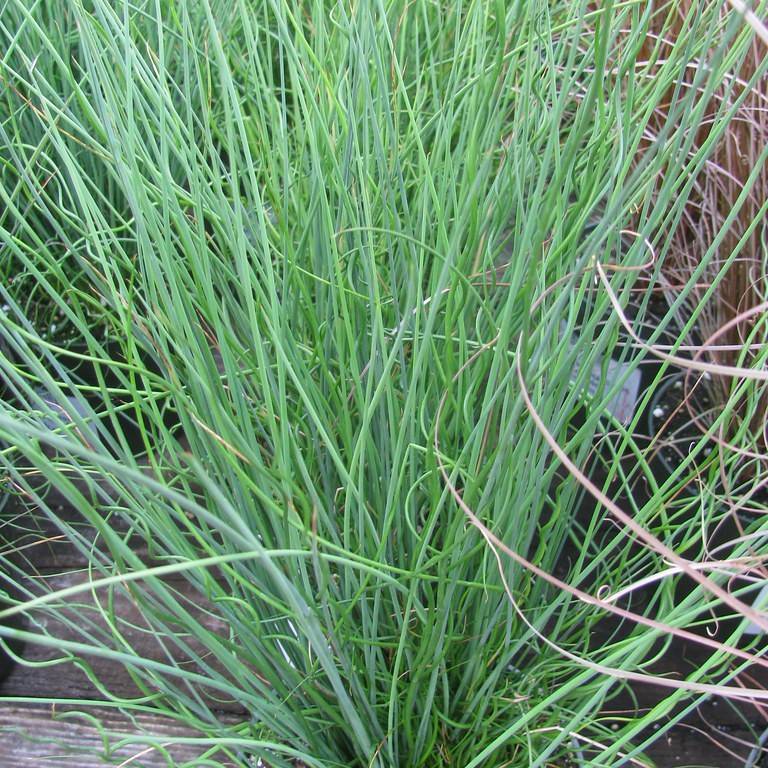
Common rush is a herbaceous perennial that forms dense tufts of smooth, cylindrical, leafless green stems that arch gently as they mature. It produces small, inconspicuous brownish flowers clustered at the tips of stems from mid to late summer, followed by tiny seed capsules that self-sow readily in suitable conditions. Adapted to marshes, streambanks, and boggy areas, it is widely cultivated for both natural landscaping and ornamental water garden features, and has a long history of use in traditional crafts.
Care Guide
Watering
Common rush thrives in consistently wet to saturated soil, and can tolerate standing water up to 4 inches (10 cm) deep for extended periods. Allow the top 1-2 inches of soil to dry out only very briefly between waterings if grown in standard garden beds; avoid prolonged dryness which will cause stem browning and dieback. During winter, reduce watering slightly only if grown in containers in cold areas to prevent root rot from freezing, wet soil.
Light
This plant grows best in full sun, receiving at least 6 hours of direct sunlight per day, which promotes dense, upright stem growth and vibrant green color. It can tolerate partial shade, though stems may become lankier, sparser, and more prone to flopping over in low light conditions. If grown indoors, place it near a south or west-facing window to provide sufficient bright light year-round.
Soil
Common rush prefers nutrient-rich, loamy or silty soil with a pH between 5.0 and 7.0, and requires excellent moisture retention to thrive. It will grow poorly in sandy, fast-draining soil unless amended with large amounts of compost, peat moss, or well-rotted manure to improve water-holding capacity. It tolerates heavy clay soils and periodic flooding far better than most ornamental garden plants.
Fertilizer
Fertilize common rush sparingly, as over-fertilization can cause excessive floppy growth and reduced hardiness. Apply a balanced, slow-release 10-10-10 fertilizer once in early spring before new growth emerges, at half the recommended rate for general garden plants, to support healthy stem development. Avoid fertilizing in late summer or fall, as this can stimulate tender new growth that will be damaged by early frost.
Temperature
Common rush is extremely cold hardy, tolerating winter temperatures as low as -40°F (-40°C) in USDA hardiness zones 3 through 9. It thrives in average summer temperatures between 60-85°F (15-29°C), and can tolerate short periods of heat up to 95°F (35°C) as long as soil moisture remains consistent. In regions with extremely hot summers, partial afternoon shade will help prevent stem scorch and excessive water loss.
Pruning
Prune common rush in late winter or early spring before new growth begins, cutting back all dead or browned stems to 2-3 inches (5-7.5 cm) above the soil line to make room for fresh, new growth. Remove any yellowed or damaged stems throughout the growing season as needed to maintain a tidy appearance, and thin out overcrowded clumps every 3-4 years to improve air circulation. If grown as an ornamental, you can trim stray stems to maintain a uniform clump shape at any point during the active growing season.
Propagation
Common rush is most easily propagated by division in early spring, when you can dig up established clumps, split them into smaller sections with a sharp spade, and replant the divisions immediately at the same depth they were originally growing. It can also be grown from seed, which should be sown on the surface of moist, sterile potting mix in late fall or early spring, as the seeds require a period of cold stratification to germinate. Stem cuttings are not a reliable propagation method for this species, as it grows from underground rhizomes rather than producing rootable stem nodes.
Humidity
This plant naturally grows in wetland environments, so it prefers high humidity levels between 60-80% for optimal growth. It tolerates average household humidity levels of 40-50% when grown indoors, though you may see occasional brown stem tips if humidity drops too low for extended periods. To boost humidity for indoor specimens, place the pot on a tray filled with pebbles and water, or group it with other moisture-loving plants.
Repotting
Container-grown common rush should be repotted every 2-3 years in early spring, before new growth starts, to refresh the soil and provide more space for expanding rhizomes. Choose a pot that is 2-3 inches larger in diameter than the current one, with drainage holes, and use a rich, moisture-retentive potting mix amended with peat moss or compost. If the clump becomes too large for its space, you can divide it into smaller sections during repotting to create new plants.
Uses & Symbolism
Common rush is widely planted in rain gardens, bioswales, and along pond edges to stabilize soil, prevent erosion, and filter excess nutrients from runoff, making it a valuable plant for stormwater management projects. Its tough, flexible stems have been used for centuries to weave mats, baskets, chair seats, and traditional rushlights, and it is still harvested for craft use in many rural regions. It is also grown as an ornamental plant in water gardens and bog gardens, and its cut stems are popular for use in fresh and dried floral arrangements.
Diseases & Pests
Common rush is relatively pest and disease resistant, but can be susceptible to rust and leaf spot fungal diseases in warm, humid conditions with poor air circulation, which cause brown or orange spots on stems and can lead to dieback if left untreated. Aphids and spider mites may occasionally feed on young stems, especially on indoor specimens or plants grown in dry, sheltered locations, and can be controlled with a strong spray of water or insecticidal soap. Overly dry soil or prolonged exposure to full sun in very hot climates can cause stem browning and tip dieback, which is easily remedied by increasing watering and providing partial shade during the hottest part of the day.
Related plants
Other plants you might like if you grow Common Rush.