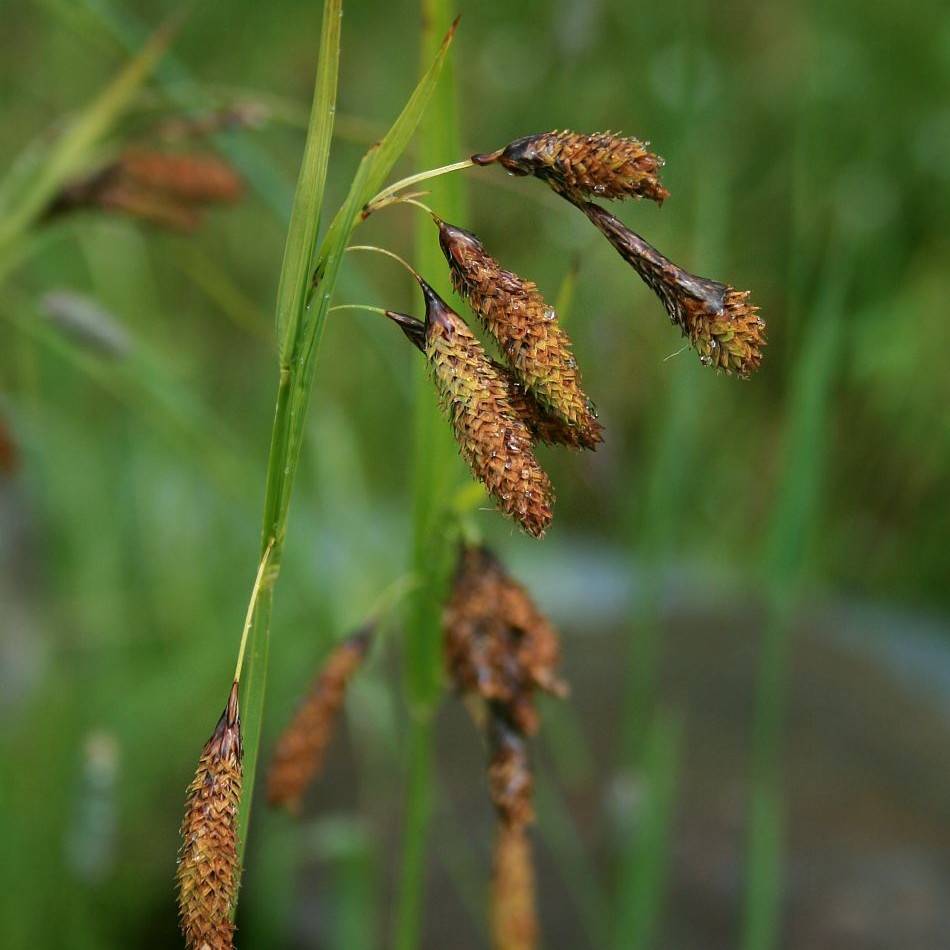
Hall's Sedge
Carex halliana
Overview
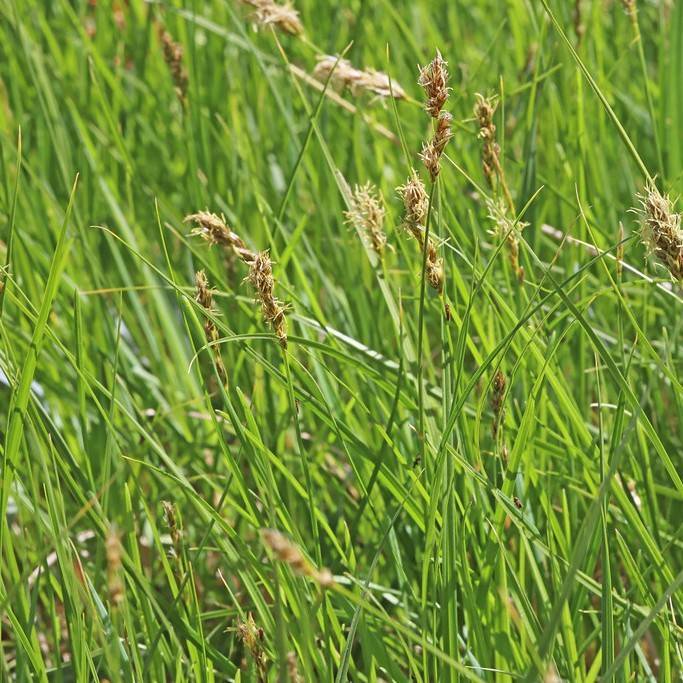
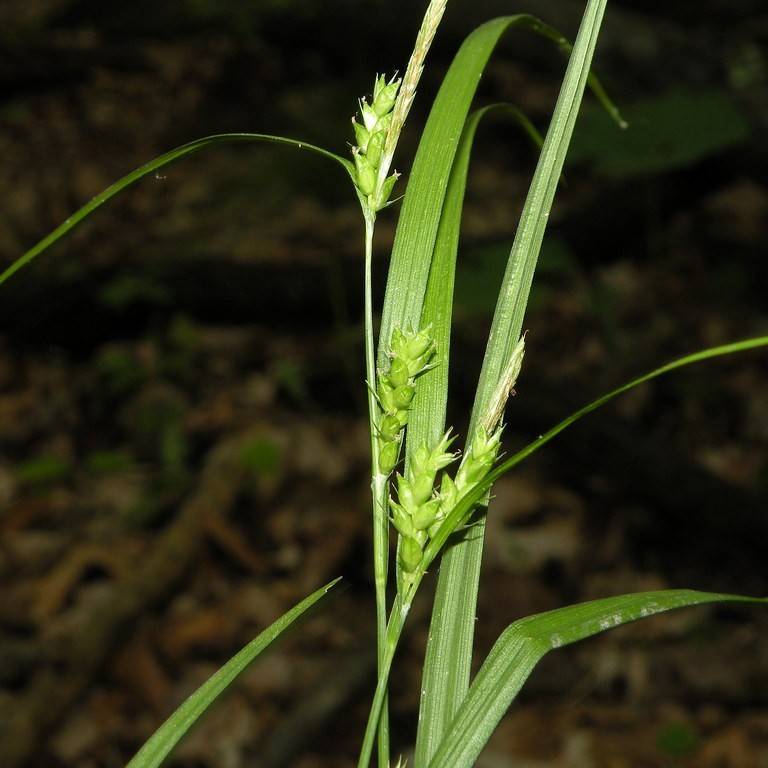
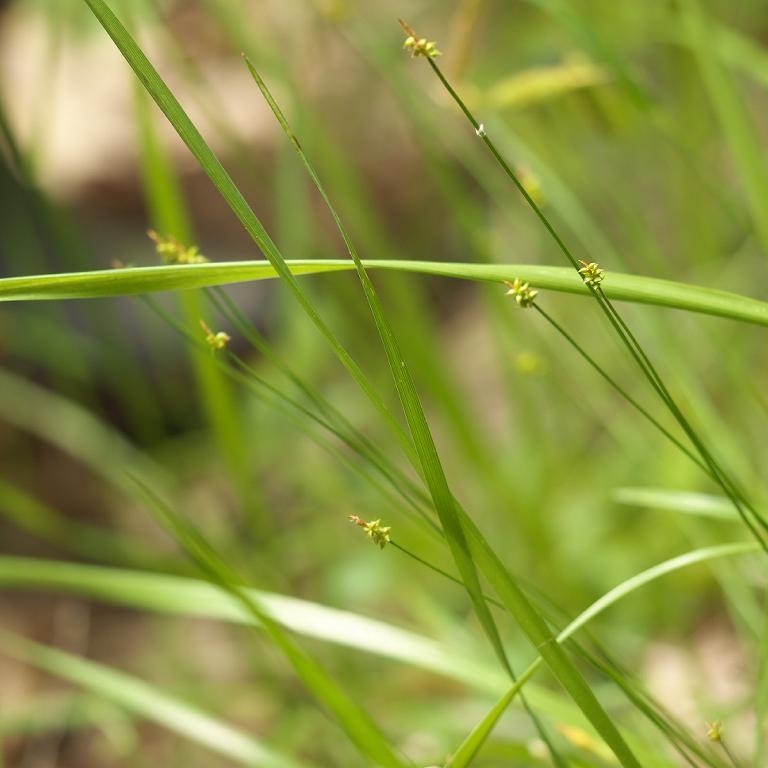
Hall's Sedge is a cool-season, rhizomatous perennial sedge native to dry meadows, open woodlands, and rocky slopes across western North America. It forms dense, fountain-like clumps of narrow, soft green leaves that retain their color through most of the year in mild climates. In late spring, it produces inconspicuous brownish flower spikes that add subtle texture to planting schemes, and it supports local pollinators and beneficial insects.
Care Guide
Watering
Hall's Sedge is highly drought-tolerant once established, requiring only occasional deep watering during extended dry periods. Overwatering, especially in poorly draining soil, can lead to root rot, so allow the top 2 to 3 inches of soil to dry out between waterings. Newly planted specimens need regular, light watering for the first 2 to 3 months to support root establishment.
Light
This sedge thrives in full sun to partial shade, adapting well to a wide range of light conditions across its native range. In hotter, southern portions of its growing zone, it benefits from afternoon shade to prevent leaf scorch during the warmest summer months. It can tolerate full shade, though growth may be slower and clumps less dense in very low light.
Soil
Hall's Sedge prefers well-draining, sandy or loamy soils with a neutral to slightly acidic pH, but it adapts readily to rocky, poor, or clay soils as long as excess water drains quickly. It is highly tolerant of low-fertility soils, so amending with organic matter is only necessary for extremely nutrient-poor sites. Avoid waterlogged, heavy soils that stay saturated for long periods.
Fertilizer
This low-maintenance sedge rarely requires fertilization, as it thrives in low-fertility native soils. If desired, a light application of balanced, slow-release granular fertilizer can be applied in early spring to support new growth, but over-fertilization will cause leggy, floppy foliage. Always water thoroughly after fertilizing to prevent root burn.
Temperature
Hall's Sedge is cold hardy to USDA zones 5 through 9, tolerating winter temperatures as low as -20°F (-29°C) without damage. It is well-adapted to the temperature fluctuations of western North American climates, handling summer highs up to 100°F (38°C) when provided with occasional water and partial shade. It goes semi-dormant during extended periods of extreme heat or cold, resuming active growth when conditions moderate.
Pruning
Pruning is minimal for Hall's Sedge; simply trim back any brown, dead foliage in late winter or early spring before new growth emerges to keep clumps looking tidy. You can cut back the entire clump to 2 to 3 inches above the soil line every 2 to 3 years to rejuvenate growth and remove accumulated dead material. Avoid pruning during active growth periods in spring and summer, as this can stunt the plant’s development.
Propagation
Hall's Sedge is most easily propagated by division in early spring or fall, when the plant is semi-dormant. Dig up mature clumps, carefully separate them into smaller sections with intact roots and foliage, and replant immediately at the same depth as the original plant, watering well to settle the soil. It can also be grown from seed sown in fall or cold-stratified for 60 days before spring sowing, though seed-grown plants take 2 to 3 years to reach mature size.
Humidity
This sedge is adapted to the moderate to low humidity levels common in its native western North American habitats, requiring no supplemental humidity to thrive. It tolerates very dry air well, making it suitable for xeriscapes and regions with low annual rainfall. High humidity combined with poor air circulation and wet soil can increase the risk of fungal diseases, so ensure proper spacing between plants in more humid growing zones.
Repotting
Hall's Sedge is rarely grown in containers, but if potted, repot every 2 to 3 years in early spring before new growth begins. Use a well-draining, sandy potting mix and select a container only 1 to 2 inches larger than the current root ball to avoid excess moisture retention in unused soil. After repotting, water thoroughly and place in partial shade for 1 to 2 weeks to reduce transplant stress.
Uses & Symbolism
Hall's Sedge is a popular choice for water-wise xeriscaping, native plant gardens, rock gardens, and erosion control on slopes, as its fibrous root system holds soil in place effectively. It works well as a low groundcover, edging plant, or filler in mixed perennial borders, and it is deer-resistant and low-maintenance for low-input landscapes. It also provides habitat and food for native bees, beneficial insects, and small songbirds that feed on its seeds.
Diseases & Pests
Hall's Sedge is largely pest and disease resistant, with few issues when grown in its preferred well-draining soil and appropriate light conditions. Overwatering or poorly draining soil can lead to root rot and fungal leaf spot, which can be prevented by allowing soil to dry between waterings and providing good air circulation. Aphids and spider mites may occasionally infest stressed plants, which can be treated with a strong spray of water or insecticidal soap for severe infestations.
Related plants
Other plants you might like if you grow Hall's Sedge.