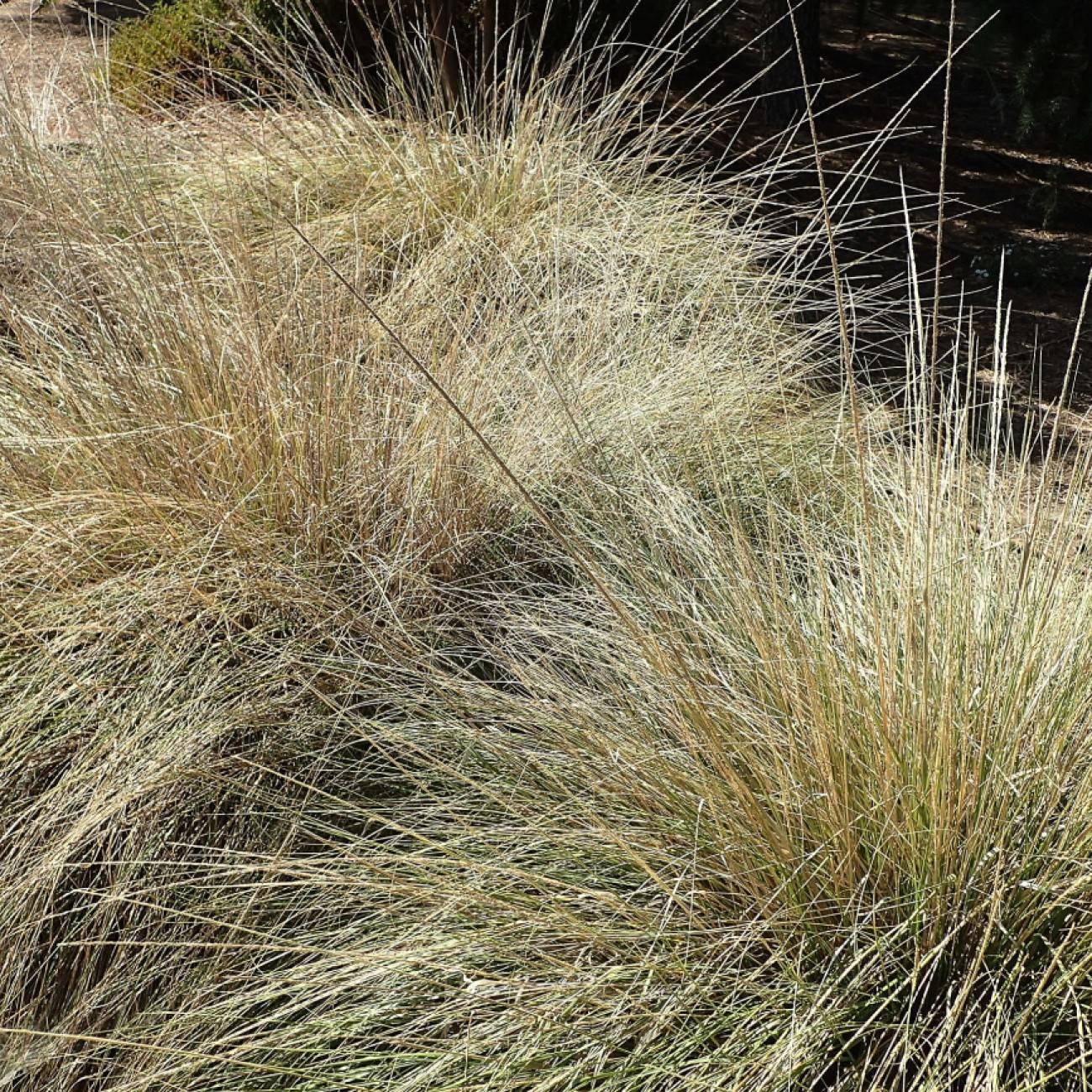
Deergrass
Muhlenbergia rigens
Overview
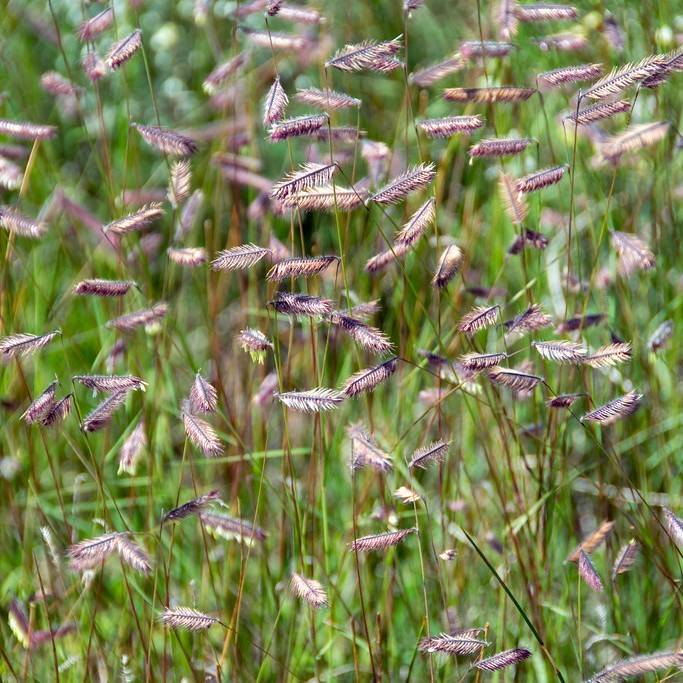
Deergrass is a robust, clumping warm-season bunchgrass recognizable by its dense, fountain-like habit and narrow, arching blue-green foliage. In late summer to fall, it produces tall, feathery silver-purple flower spikes that fade to soft tan as they mature, adding year-round visual interest to gardens. Adapted to dry, sunny habitats, it is a staple of xeriscaping and native plant restoration projects across its native range.
Care Guide
Watering
Deergrass is highly drought-tolerant once established, requiring only occasional deep watering during prolonged hot, dry periods to maintain foliage vigor. Newly planted specimens need regular, light watering for the first 1 to 2 years to help roots establish, but overwatering or soggy soil will quickly cause root rot. During winter dormancy, watering can be suspended entirely unless conditions are exceptionally arid for multiple weeks.
Light
This grass thrives in full, direct sunlight, requiring a minimum of 6 hours of unobstructed sun per day to develop its full, dense clumping habit and abundant flower spikes. It can tolerate very light, dappled shade, but growth will be looser, flowering will be reduced, and the plant may become prone to flopping in low-light conditions. Full sun exposure also helps prevent foliar fungal issues by encouraging rapid drying of foliage after rain or watering.
Soil
Deergrass adapts to a wide range of soil types, including sandy, loamy, clay, and rocky soils, as long as the site has excellent drainage. It tolerates mildly acidic to alkaline pH levels and even low-nutrient, poor-quality soils that would stress most ornamental plants. Heavy, waterlogged soils are the only unsuitable growing medium, as they will cause root rot and premature plant death.
Fertilizer
Deergrass rarely requires fertilizer, as it is adapted to low-nutrient native soils, and excess nitrogen will cause floppy, weak growth and reduced flowering. If grown in extremely poor, sandy soil, a single light application of low-nitrogen, slow-release fertilizer in early spring can support healthy growth without promoting excessive foliage. Avoid fertilizing after mid-summer, as this can stimulate tender new growth that will be damaged by early fall frosts.
Temperature
This species is well-adapted to hot, arid summer conditions, tolerating temperatures above 100°F (38°C) without stress once established. It is winter-hardy in USDA zones 6 to 10, surviving minimum temperatures as low as -10°F (-23°C) when grown in well-drained soil. Late spring frosts may damage new emerging foliage, but the plant will quickly regrow from the root crown once temperatures warm consistently.
Pruning
Prune deergrass once annually in late winter or early spring, before new growth emerges, cutting back the entire clump to 4 to 6 inches above the soil line to remove dead foliage and spent flower stalks. Avoid cutting back the plant during fall or winter, as the dried foliage and flower spikes provide winter interest, shelter for beneficial insects, and protection for the root crown from cold damage. Remove any dead or brown foliage that appears during the growing season as needed to maintain a tidy appearance.
Propagation
Deergrass is most easily propagated by seed, which can be sown directly outdoors in late fall or cold-stratified for 30 days and sown in spring once soil temperatures reach 60°F (15°C). Established clumps can also be divided in early spring, before new growth starts, by digging up the entire root mass, cutting it into 2 to 3 smaller sections with a sharp spade, and replanting the divisions at the same depth they were originally growing. Division is recommended every 3 to 5 years to rejuvenate older, overgrown clumps that have developed a dead center.
Humidity
Deergrass thrives in low to moderate humidity levels typical of its native arid and semi-arid habitats, tolerating humidity as low as 10% without issue. High humidity, especially combined with warm temperatures and poor air circulation, can increase the risk of foliar fungal diseases such as rust or leaf spot. To prevent issues in more humid growing regions, space plants 3 to 4 feet apart to ensure good air flow around the foliage.
Repotting
Deergrass is rarely grown in containers long-term, as its large, spreading root system quickly outgrows most pots and it performs best when planted directly in the ground. If grown in a container, repot every 1 to 2 years in early spring, moving to a pot 2 to 3 inches larger than the current one with a well-draining, sandy potting mix. Ensure containers have multiple drainage holes to prevent waterlogging, and elevate pots slightly off the ground to improve drainage during rainy periods.
Uses & Symbolism
Deergrass is a popular ornamental plant for xeriscaping, native plant gardens, erosion control, and rain garden edges, where its fine texture and tall flower spikes add movement and year-round visual interest. Historically, Indigenous peoples of the American Southwest used the long, tough stems for basketry, weaving, and cordage. It also provides valuable cover and food for native birds, pollinators, and small wildlife, and is a host plant for several species of skipper butterflies.
Diseases & Pests
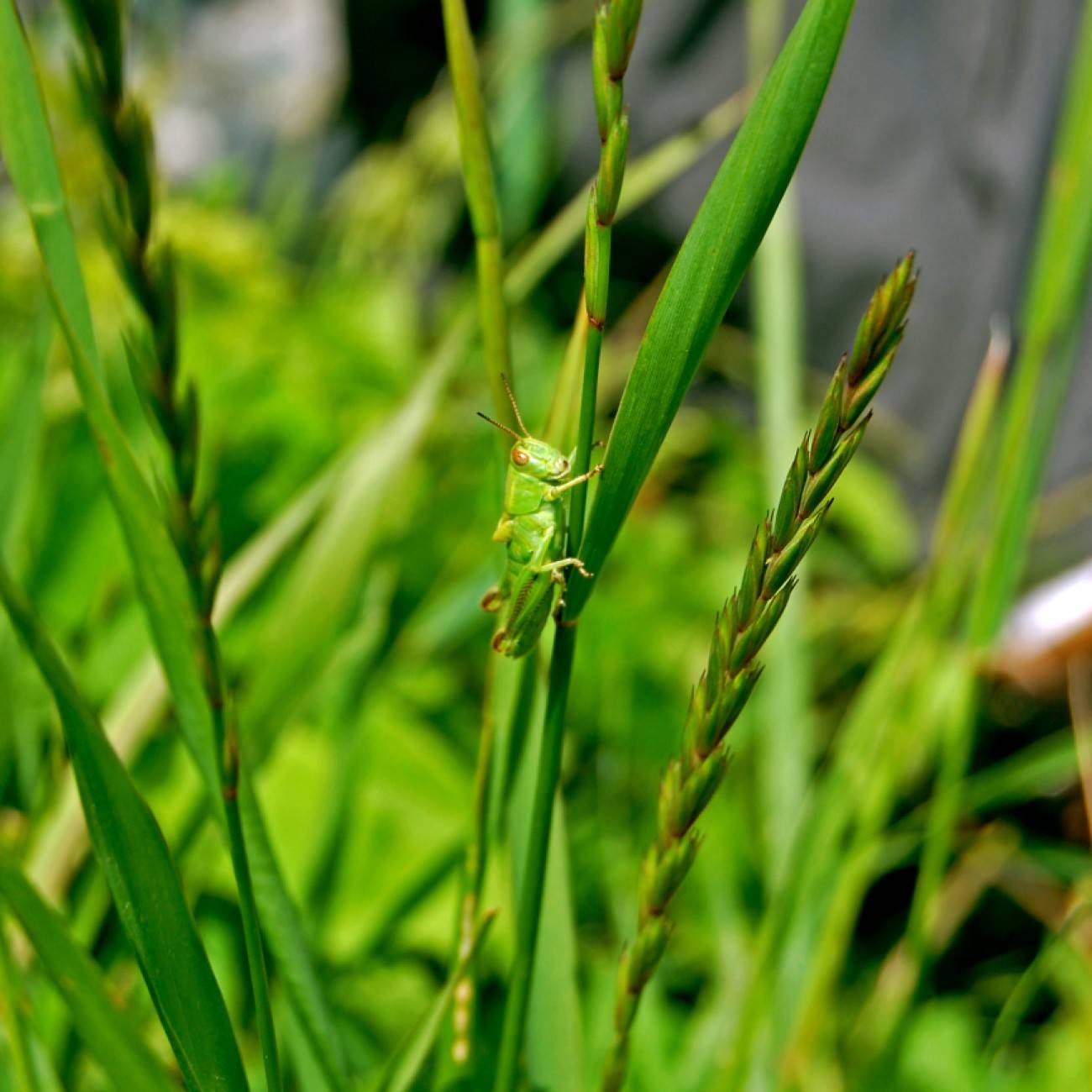
Deergrass is largely pest and disease resistant when grown in suitable conditions, with root rot from overwatering or poorly drained soil being the most common issue. In high-humidity regions or crowded plantings, it may occasionally develop foliar fungal diseases such as rust, leaf spot, or powdery mildew, which can be managed by improving air circulation and avoiding overhead watering. Rare pest infestations include aphids or grasshoppers, which can be controlled with a strong spray of water or insecticidal soap if populations become large enough to damage foliage.
Related plants
Other plants you might like if you grow Deergrass.