Douglas Sedge
Carex douglasii
Overview
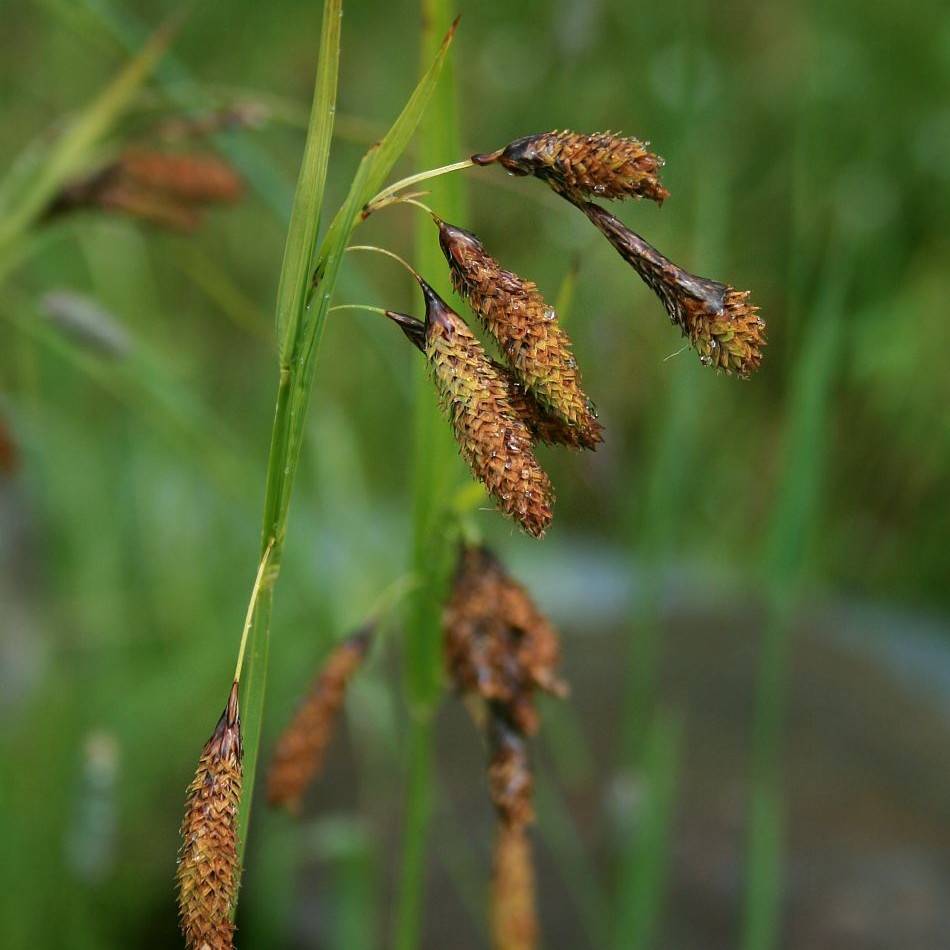
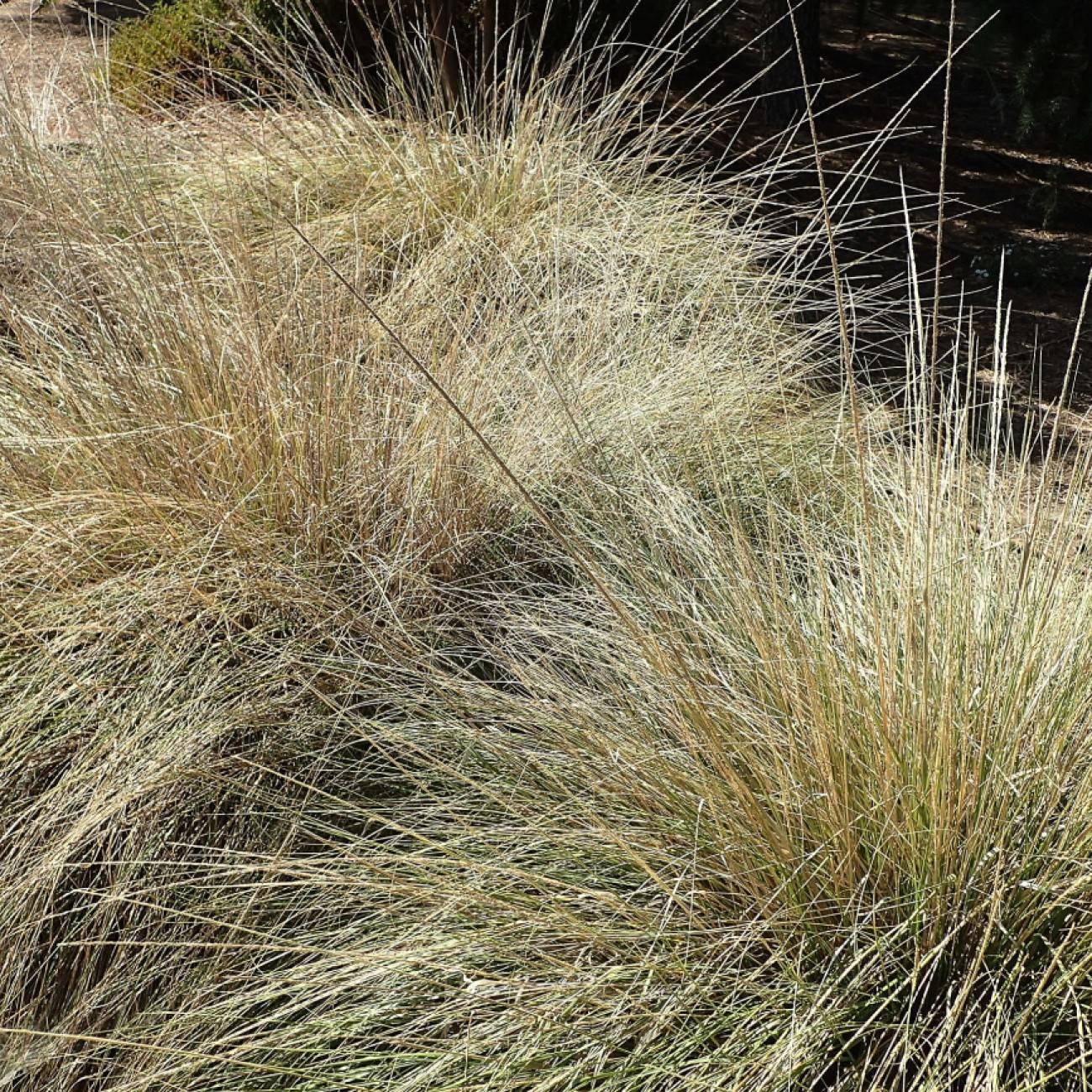
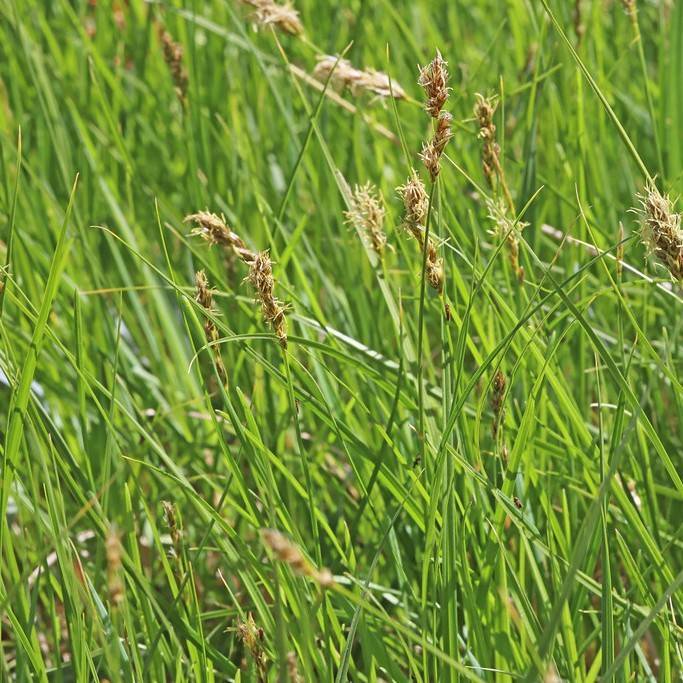
Douglas Sedge is a rhizomatous, clump-forming perennial sedge native to dry to mesic open habitats, including grasslands, woodlands, and rocky slopes across western North America. It produces narrow, soft, blue-green to light green foliage that arches gently, creating a low, dense mat over time. In spring, it bears inconspicuous brownish spikelets, with male and female flowers borne on separate plants for most populations. It is valued for its adaptability to low-water landscapes and ability to support local pollinators and beneficial insects.
Care Guide
Watering
Douglas Sedge is highly drought-tolerant once established, requiring only occasional deep watering during prolonged dry spells; overwatering, especially in heavy soils, can lead to root rot. Newly planted specimens need regular, light watering for the first 2-3 months to support root establishment, after which irrigation can be drastically reduced. It tolerates seasonal flooding for short periods but prefers consistently drier conditions for most of the year.
Light
This sedge thrives in full sun to partial shade, with the best foliage density achieved in areas receiving at least 4 hours of direct sunlight daily. In extremely hot, arid climates, it benefits from light afternoon shade to prevent leaf scorch and reduce water requirements. It can grow in full shade, though it will produce looser, sparser clumps and may spread more slowly.
Soil
Douglas Sedge adapts to a wide range of soil types, including sandy, loamy, clay, and rocky soils, as long as drainage is good. It tolerates a pH range from slightly acidic to slightly alkaline, and can thrive in poor, low-nutrient soils where many other groundcovers struggle. Adding a small amount of organic matter at planting time can improve establishment, but soil amendments are not required for long-term health.
Fertilizer
This low-maintenance sedge rarely needs fertilization, as it performs well in low-nutrient soils. If grown in extremely poor, sandy soil, a single application of a balanced, slow-release fertilizer in early spring can support healthy growth, but over-fertilization will lead to floppy, weak foliage and excessive spreading. Avoid high-nitrogen fertilizers, as they can encourage unwanted aggressive growth that outcompetes neighboring plants.
Temperature
Douglas Sedge is cold-hardy to USDA zones 4-9, tolerating winter temperatures as low as -30°F (-34°C) without damage. It withstands high summer temperatures up to 110°F (43°C) when provided with occasional supplemental water and partial shade in the hottest regions. It goes dormant and turns brown in areas with prolonged cold winters, resprouting vigorously from rhizomes in early spring.
Pruning
Pruning needs are minimal; cut back dead or brown foliage to 2-3 inches above the soil line in late winter or early spring before new growth emerges to keep clumps looking tidy. If clumps spread beyond their desired area, you can trim back rhizomatous edges with a sharp spade in spring to contain growth. Remove any flower stalks after blooming if you prefer a purely foliage-focused appearance, though the seed heads provide food for native birds.
Propagation
Douglas Sedge is most easily propagated by division in early spring or fall, when you can split mature clumps into smaller sections, each with a portion of rhizome and foliage, and replant immediately at the same depth as the parent plant. It can also be grown from seed sown directly outdoors in fall, as cold stratification over winter improves germination rates; seeds sown in spring require 6-8 weeks of cold, moist stratification before planting. Seed-grown plants may take 2-3 years to reach mature size, while divided clumps establish and spread quickly in their first growing season.
Humidity
This sedge adapts to a wide range of humidity levels, thriving in the dry air of arid western regions as well as the more humid conditions of the Pacific Northwest. It has no specific humidity requirements, making it suitable for both outdoor landscapes and dry indoor environments if grown as a potted specimen. High humidity combined with poorly draining soil can increase the risk of fungal root rot, so ensure proper airflow around plants in humid climates.
Repotting
When grown in containers, Douglas Sedge should be repotted every 2-3 years in early spring before new growth begins, or when roots start to emerge from the drainage holes of the pot. Use a well-draining potting mix, preferably with added perlite or sand to improve drainage, and select a pot only 1-2 inches larger than the current root ball to avoid excess soil moisture buildup. You can divide clumps at repotting time to create new plants and keep the original clump from becoming overcrowded.
Uses & Symbolism
Douglas Sedge is widely used as a low-water groundcover in xeriscaping, native plant gardens, and rock gardens, where it stabilizes soil on slopes to prevent erosion. It is an excellent lawn substitute in low-traffic areas, requiring no mowing and minimal irrigation once established, and it provides habitat and food for native bees, caterpillars, and seed-eating birds. It is also planted in rain gardens and bioswales for its ability to tolerate occasional flooding while filtering runoff pollutants.
Diseases & Pests
Douglas Sedge is relatively pest and disease resistant, with root rot being the most common issue caused by overwatering or poorly draining soil. It may occasionally be affected by rust fungi in persistently wet, humid conditions, which presents as orange-brown spots on foliage; this can be managed by improving airflow and reducing excess moisture around plants. Aphids and spider mites may infest stressed plants, particularly those grown in containers, and can be controlled with a strong spray of water or insecticidal soap.
Related plants
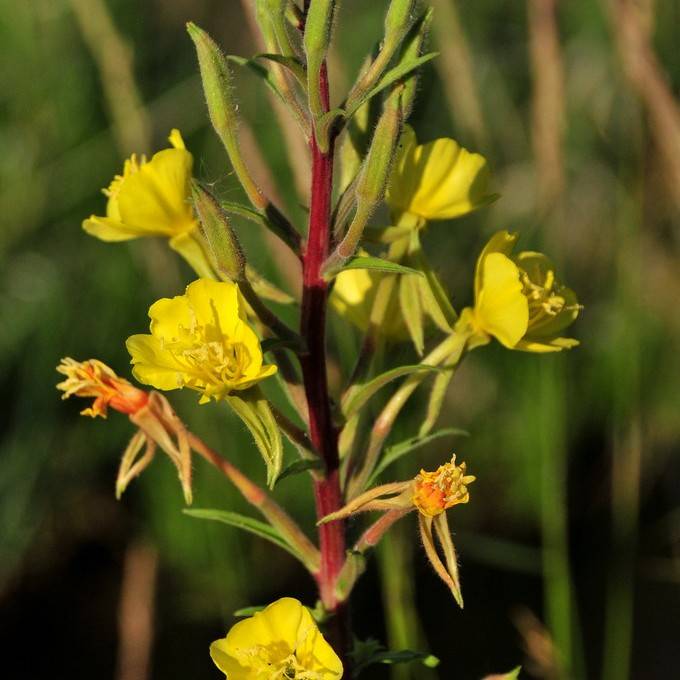
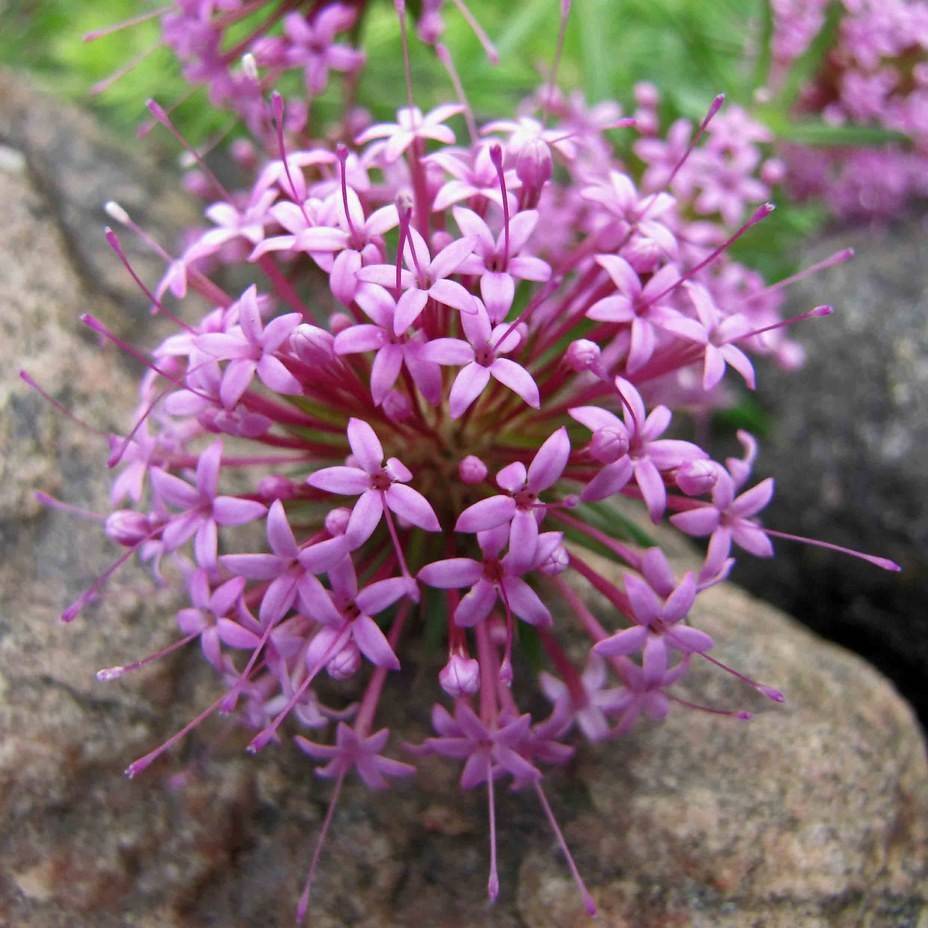
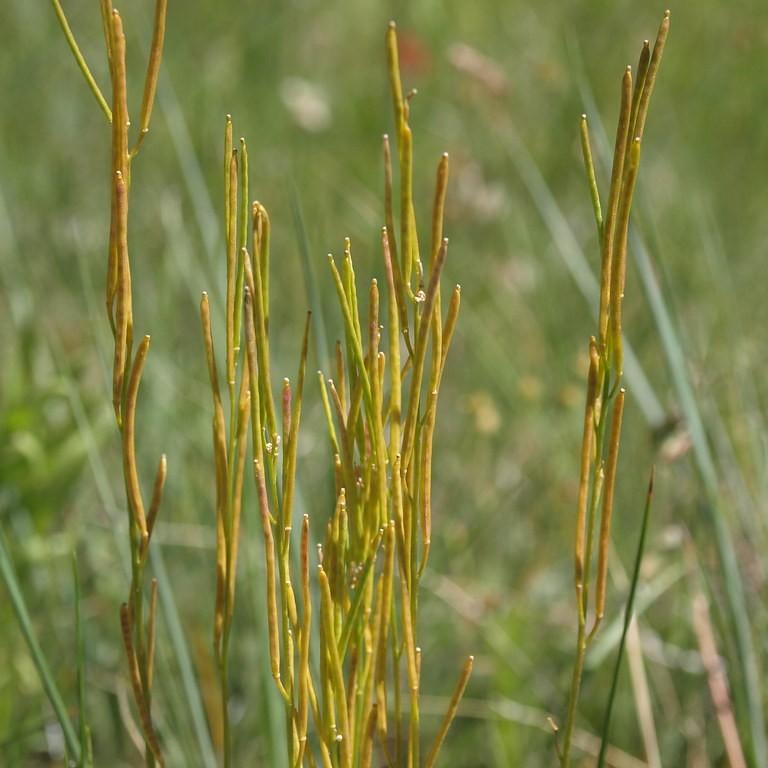
Other plants you might like if you grow Douglas Sedge.