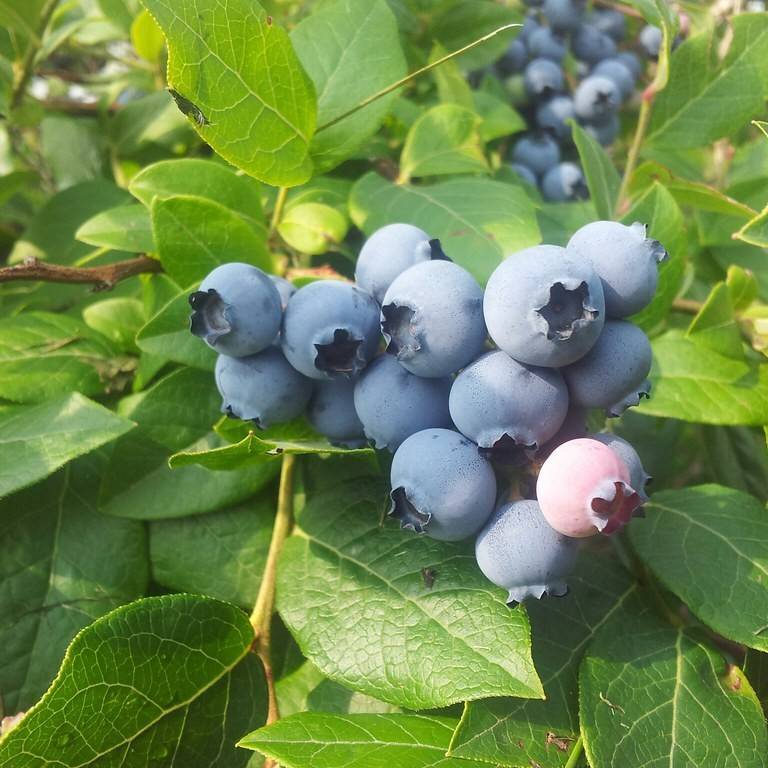
Half High Blueberry
Vaccinium corymbosum × Vaccinium angustifolium
Overview
Half high blueberries are interspecific hybrids bred to combine the large fruit size of highbush blueberries with the extreme cold tolerance of wild lowbush varieties, thriving in regions where highbush types suffer winter damage. Their compact, bushy form makes them suitable for small gardens, raised beds, and patio containers, while their shallow, fibrous root system adapts well to constrained growing spaces. In spring, they bear clusters of delicate white, bell-shaped flowers that give way to clusters of ripe, deep blue berries in mid to late summer, with foliage turning vibrant shades of red and orange in fall for seasonal ornamental interest.
Care Guide
Watering
Keep the root zone consistently moist but never waterlogged, providing 1 to 2 inches of water per week during active growth and fruit development; reduce watering frequency in fall and winter once plants go dormant, allowing the top 1 inch of soil to dry out between applications. Avoid watering foliage directly to minimize fungal disease risk, and use rainwater or distilled water if your tap water is alkaline, as high pH can damage acid-loving blueberry roots.
Light
Plant in full sun, defined as a minimum of 6 to 8 hours of direct unfiltered sunlight per day, to support optimal fruit production and compact, healthy growth. Plants can tolerate very light partial shade, but reduced light will lead to sparser foliage, fewer flowers, and smaller, less sweet berries.
Soil
Requires extremely acidic, well-drained, loamy or sandy soil with a pH between 4.0 and 5.5; amend heavy or alkaline soil with peat moss, pine bark fines, and elemental sulfur to adjust pH and improve drainage before planting. For container growing, use a pre-mixed acidic potting medium formulated for azaleas, rhododendrons, or blueberries, and ensure containers have multiple drainage holes to prevent root rot.
Fertilizer
Feed in early spring just before new growth emerges, and again 4 to 6 weeks later, using a slow-release, acidic fertilizer formulated for ericaceous plants, avoiding high-nitrogen fertilizers that can burn shallow blueberry roots. Do not fertilize after mid-summer, as this can stimulate tender new growth that will be damaged by early fall frosts; flush container-grown plants with plain water every 3 months to prevent salt buildup in the soil.
Temperature
Thrives in temperate climates with cold winters, tolerating winter temperatures as low as -35°F (-37°C) once established, and requiring 800 to 1,200 chill hours (temperatures below 45°F / 7°C) per year to break dormancy and produce fruit. Summer temperatures between 60°F and 85°F (15°C to 29°C) are ideal; protect plants from extreme heat above 90°F (32°C) with temporary shade cloth and extra watering to prevent leaf scorch.
Pruning
Prune annually in late winter while plants are still dormant, removing any dead, damaged, or crossing branches to improve air circulation through the canopy, and thin out older, unproductive wood that is more than 4 years old to encourage new fruiting growth. For the first two years after planting, remove all flower buds to redirect the plant’s energy into root and foliage development, which will support larger, more consistent harvests in subsequent years.
Propagation
Most commonly propagated via softwood cuttings taken in early summer from healthy, current-year growth; dip cut end in rooting hormone, plant in acidic, moist perlite or peat moss medium, and keep in high humidity under indirect light until roots develop in 8 to 12 weeks. Plants can also be grown from seed, but seed-grown plants will not retain the exact characteristics of the parent hybrid, and will take 3 to 4 years to produce fruit, compared to 2 to 3 years for cutting-grown plants.
Humidity
Prefers moderate to high humidity levels between 50% and 70%, which supports healthy foliage and prevents flower drop during the bloom period; if growing in an arid climate, mist plants occasionally in the morning or place a tray of water and pebbles near container plants to raise ambient humidity. Ensure good air circulation even in high humidity conditions to reduce the risk of fungal leaf and fruit diseases.
Repotting
Container-grown half high blueberries should be repotted every 2 to 3 years in late winter before new growth starts, moving to a container that is 2 to 3 inches wider than the previous one to accommodate the shallow, spreading root system. Gently loosen the outer root ball before repotting, replace all old potting medium with fresh acidic mix, and avoid planting the crown deeper than it was in the original container to prevent stem rot.
Uses & Symbolism
The sweet, flavorful berries are eaten fresh, used in baked goods, jams, jellies, and smoothies, and freeze well for long-term storage, offering high levels of antioxidants, vitamin C, and dietary fiber. Their compact size and attractive fall foliage make them popular as ornamental edible landscaping plants, suitable for low hedges, raised bed borders, and patio container displays. The bell-shaped spring flowers also support native pollinators including bumblebees and solitary bees, making them a useful addition to pollinator-friendly gardens.
Diseases & Pests
Common fungal diseases include mummy berry, powdery mildew, and anthracnose, which can be prevented by ensuring good air circulation through pruning, avoiding overhead watering, and removing fallen leaf and fruit debris from around the base of plants each fall. Common pests include blueberry maggot, spotted wing drosophila, aphids, and spider mites; control infestations with insecticidal soap, neem oil, or targeted organic pesticides, and use fine mesh netting over fruiting plants to prevent birds from eating ripening berries. Chlorosis, or yellowing of leaves, is a common non-infectious issue caused by insufficiently acidic soil or high pH tap water, which can be corrected by amending soil with sulfur or applying chelated iron to the root zone.
Related plants
Other plants you might like if you grow Half High Blueberry.
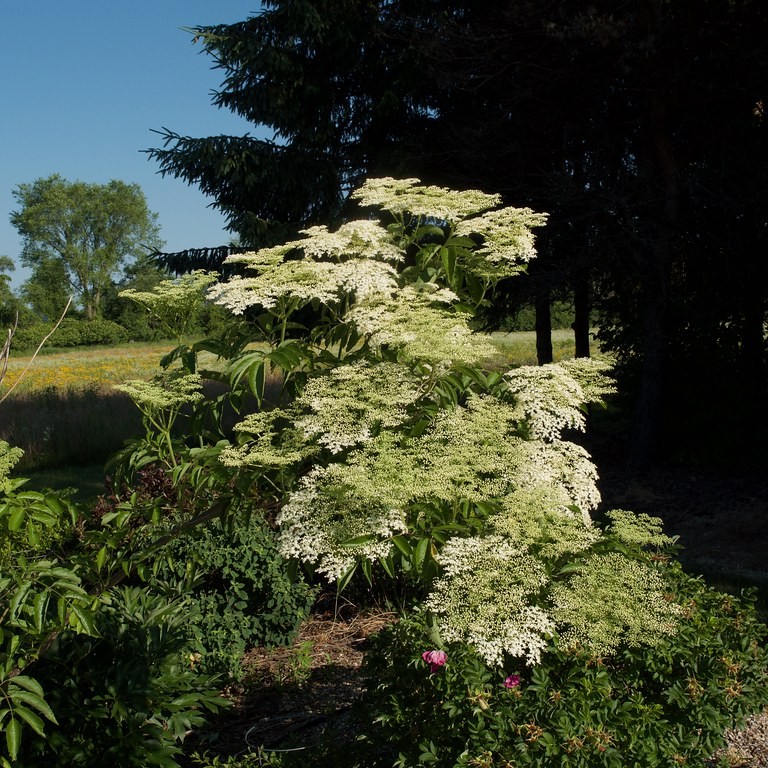
American Elderberry
Sambucus canadensis
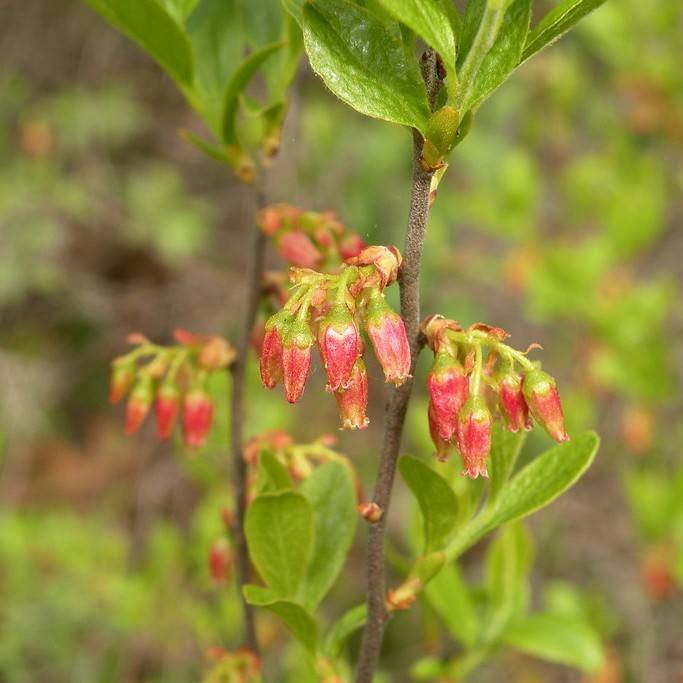
Black Huckleberry
Gaylussacia baccata
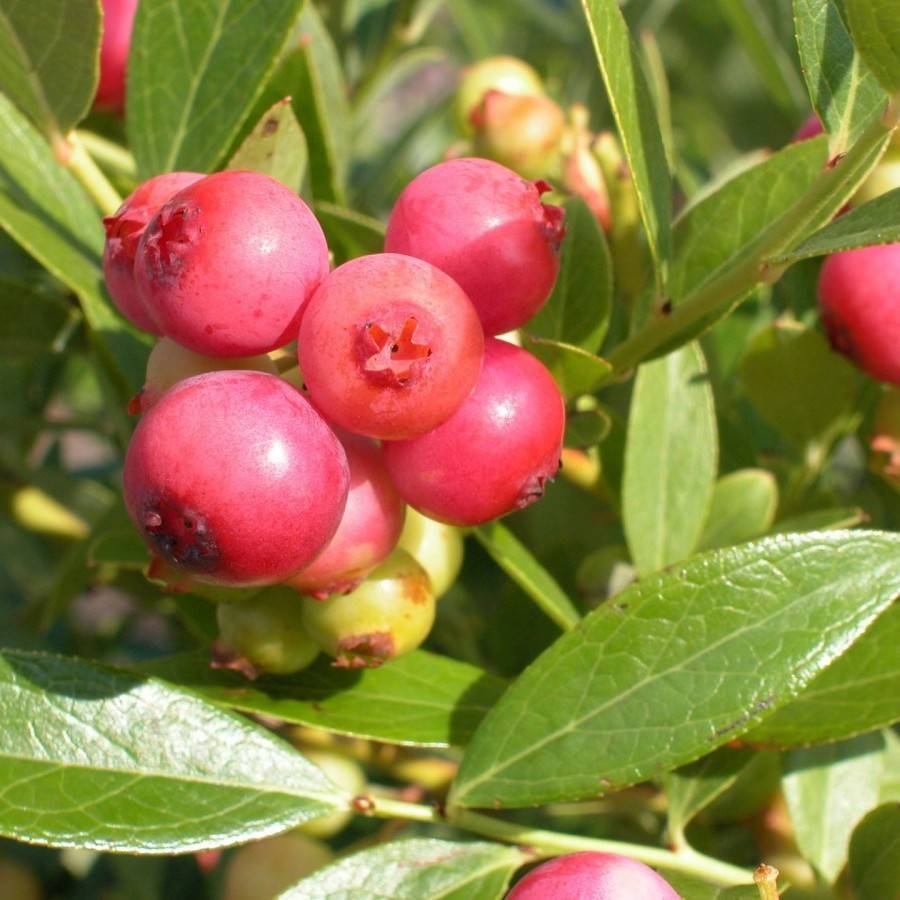
Blueberry
Vaccinium corymbosum
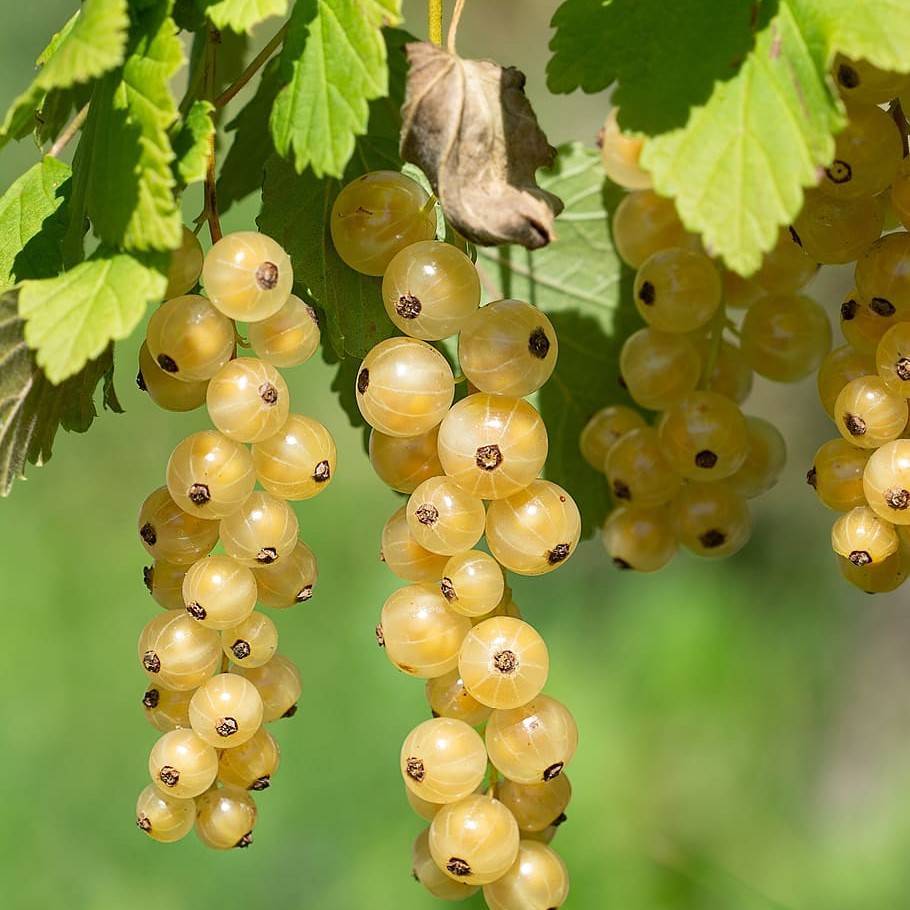
Currant
Ribes rubrum (red currant), Ribes nigrum (black currant), Ribes uva-crispa (white currant)
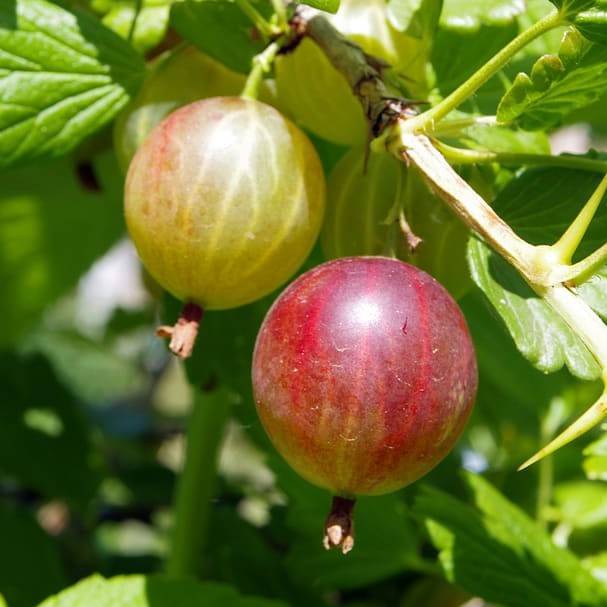
Gooseberry
Ribes uva-crispa
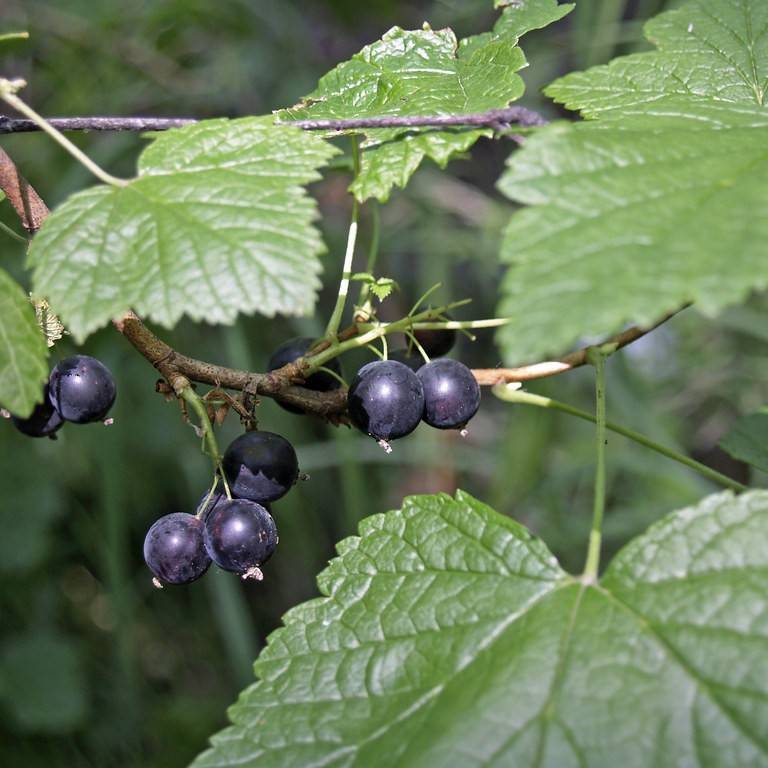
Black Currant
Ribes nigrum
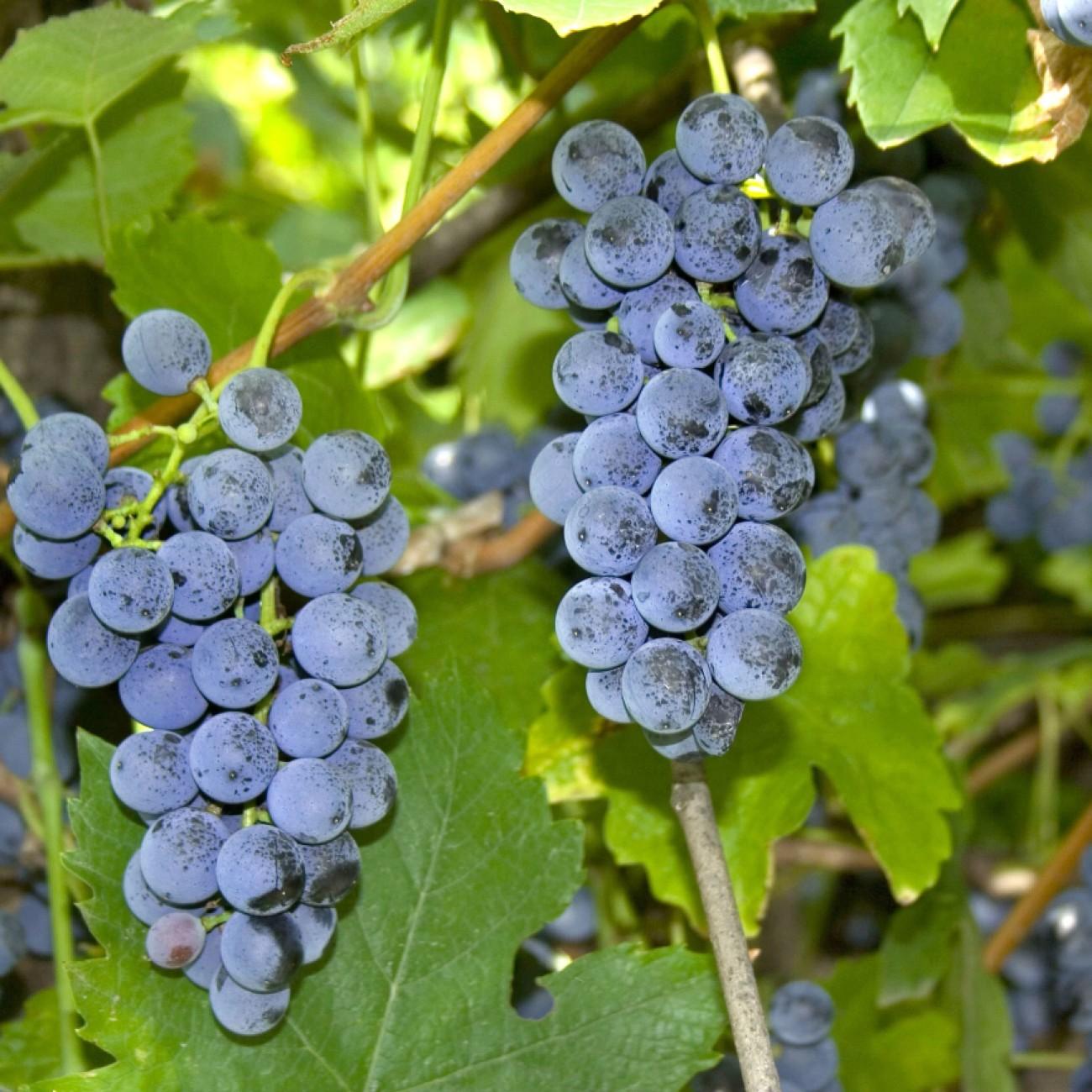
Fox Grape
Vitis labrusca
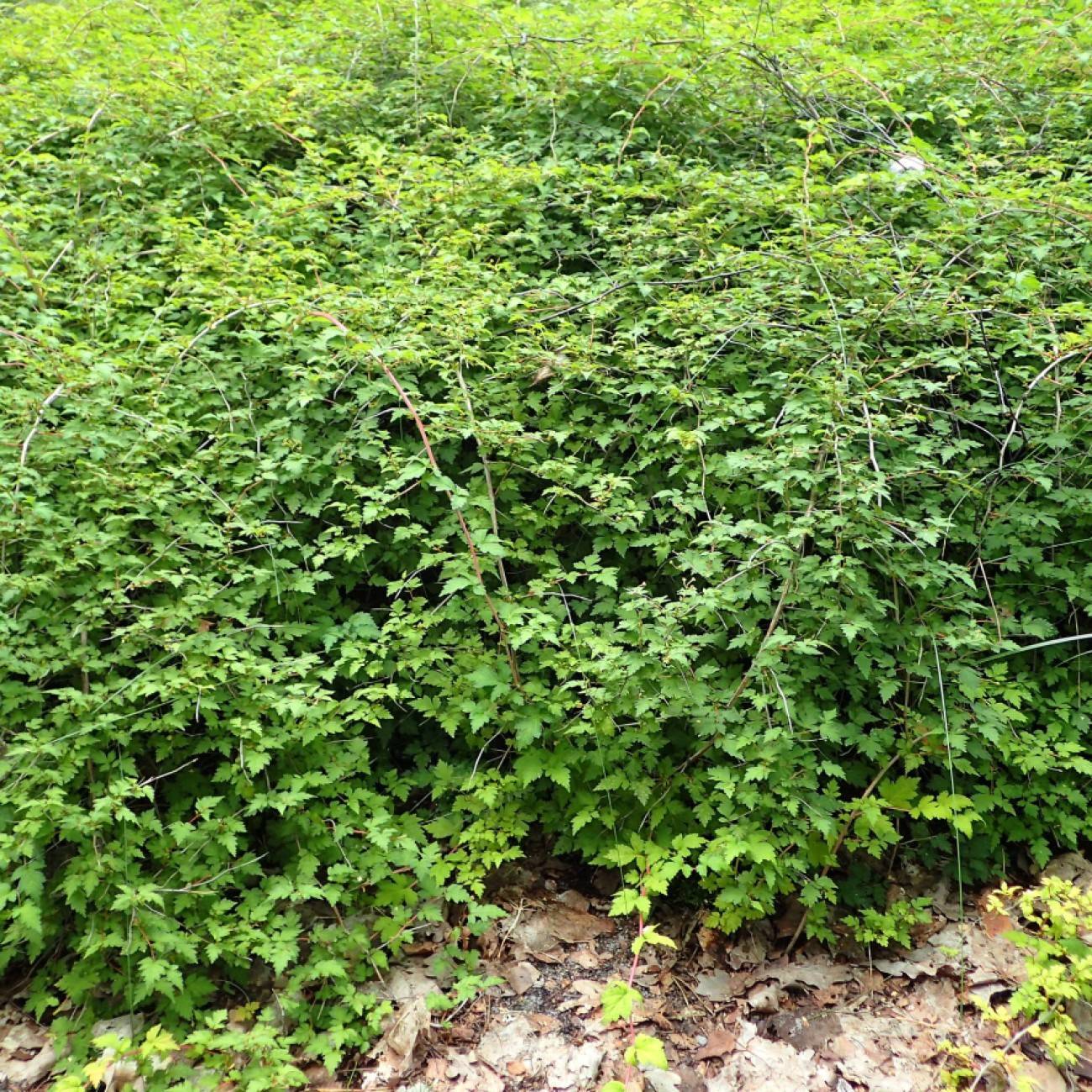
Alpine Currant
Ribes alpinum