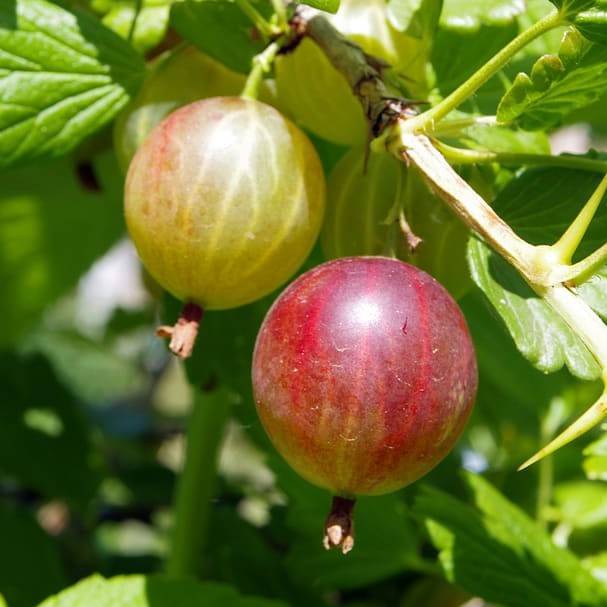
Gooseberry
Ribes uva-crispa
Overview
Gooseberry bushes produce arching, thorny stems and lobed, soft green leaves that turn pale yellow in fall. The small, translucent berries range in color from green to red, purple, or yellow when ripe, with a tart, tangy flavor that balances sweetness when fully mature. Hardy to temperate climates, these shrubs are widely cultivated in home gardens and small farms for their high vitamin C and antioxidant content.
Care Guide
Watering
Keep soil consistently moist but not waterlogged, providing 1-2 inches of water per week during active growth and fruit development. Reduce watering in fall and winter once leaves drop, only irrigating during extended dry periods to prevent root stress. Avoid overhead watering to reduce fungal disease risk on foliage and fruit.
Light
Grow gooseberries in full sun, defined as 6-8 hours of direct sunlight daily, for maximum fruit production. Plants can tolerate partial shade, but yields will be lower and ripening may be delayed in low-light conditions. In extremely hot climates, provide light afternoon shade to prevent leaf scorch and sunburn on ripening fruit.
Soil
Plant gooseberries in well-draining, loamy soil with a slightly acidic to neutral pH between 6.0 and 7.0. Heavy clay soils can be amended with compost or well-rotted manure to improve drainage and aeration, as soggy soil will quickly cause root rot. Avoid planting in low-lying areas where cold air and water accumulate, as this increases frost damage risk.
Fertilizer
Apply a balanced, slow-release 10-10-10 fertilizer in early spring before new growth emerges, following package rates to avoid over-fertilizing which promotes soft, disease-prone foliage. Top-dress with 2-3 inches of well-rotted compost or manure around the base of the plant each fall to replenish soil nutrients over the dormant season. Avoid fertilizing after mid-summer, as this can encourage late new growth that is vulnerable to frost damage.
Temperature
Gooseberries thrive in cool temperate climates, with optimal growing temperatures between 60-75°F (15-24°C). Most varieties require 800-1,200 hours of winter chill below 45°F (7°C) to break dormancy and produce fruit, making them unsuitable for warm subtropical or tropical regions. Established plants are cold hardy down to -20°F (-29°C), but new spring growth and flowers are susceptible to damage from late frosts.
Pruning
Prune gooseberry bushes during the dormant winter season to remove dead, diseased, or crossing branches, and open up the center of the plant to improve air circulation and light penetration. Each year, remove 1-2 of the oldest woody stems to encourage new, productive growth, as gooseberries fruit best on 1-3 year-old wood. After harvest, trim back overly long new shoots to 5-6 leaves to redirect energy to fruit bud development for the following year.
Propagation
Gooseberries are most commonly propagated via hardwood cuttings taken in late winter, using 8-10 inch long sections of healthy, one-year-old wood planted directly in prepared nursery beds. Softwood cuttings can also be taken in early summer, rooted under mist or in a humidity dome, and transplanted the following dormant season. Plants can be grown from seed, but seedlings will not retain the exact characteristics of the parent cultivar, so this method is rarely used for fruiting varieties.
Humidity
Gooseberries prefer moderate humidity levels between 40-60%, which supports healthy foliage growth and fruit development. High humidity combined with poor air circulation increases the risk of powdery mildew, leaf spot, and other fungal diseases, so proper pruning and spacing between plants is critical. Low, dry humidity can cause premature leaf drop and reduce fruit size, so mulch around the base of the plant to retain soil moisture and raise local humidity levels.
Repotting
Gooseberries grown in containers should be repotted every 2-3 years during the dormant winter season, moving to a pot 2-3 inches larger than the current one to accommodate root growth. Use a high-quality, well-draining potting mix amended with compost to provide nutrients, and ensure the pot has adequate drainage holes to prevent waterlogging. Trim back any circling or damaged roots during repotting, and water thoroughly after transplanting to settle the soil around the root system.
Uses & Symbolism
Ripe gooseberries are used in a wide range of culinary applications, including jams, jellies, pies, crumbles, sauces, and beverages, where their tart flavor pairs well with sweet ingredients like sugar, honey, and vanilla. The high pectin content of unripe berries makes them ideal for thickening preserves, while fully ripe fruit can be eaten fresh if sweetened, or used in savory sauces for meat dishes. Historically, gooseberries have been used in traditional herbal medicine to treat digestive issues, inflammation, and vitamin C deficiencies.
Diseases & Pests
Powdery mildew is the most common disease affecting gooseberries, appearing as a white, powdery coating on leaves, stems, and fruit, and can be prevented by ensuring good air circulation and avoiding overhead watering. Aphids, gooseberry sawfly larvae, and spider mites are common pests that feed on foliage, leading to defoliation and reduced fruit yields if left untreated. Root rot can occur in poorly draining soil, while anthracnose and leaf spot may develop in warm, humid conditions, causing leaf drop and reduced plant vigor over time.
Related plants
Other plants you might like if you grow Gooseberry.
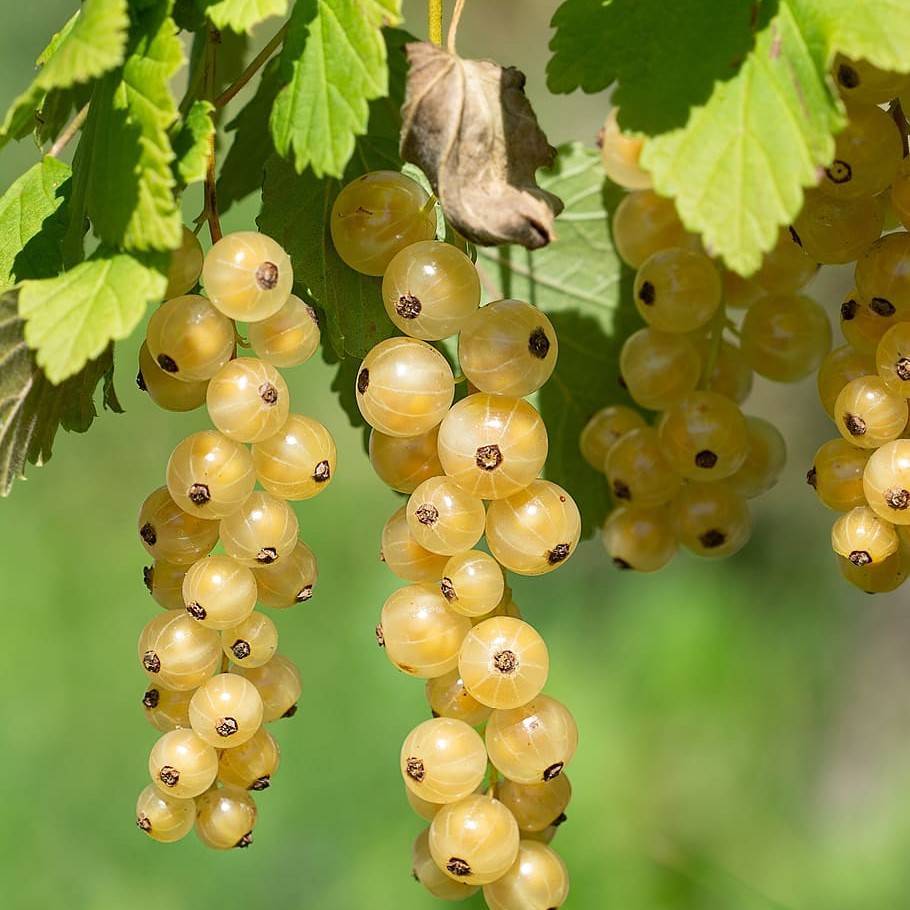
Currant
Ribes rubrum (red currant), Ribes nigrum (black currant), Ribes uva-crispa (white currant)
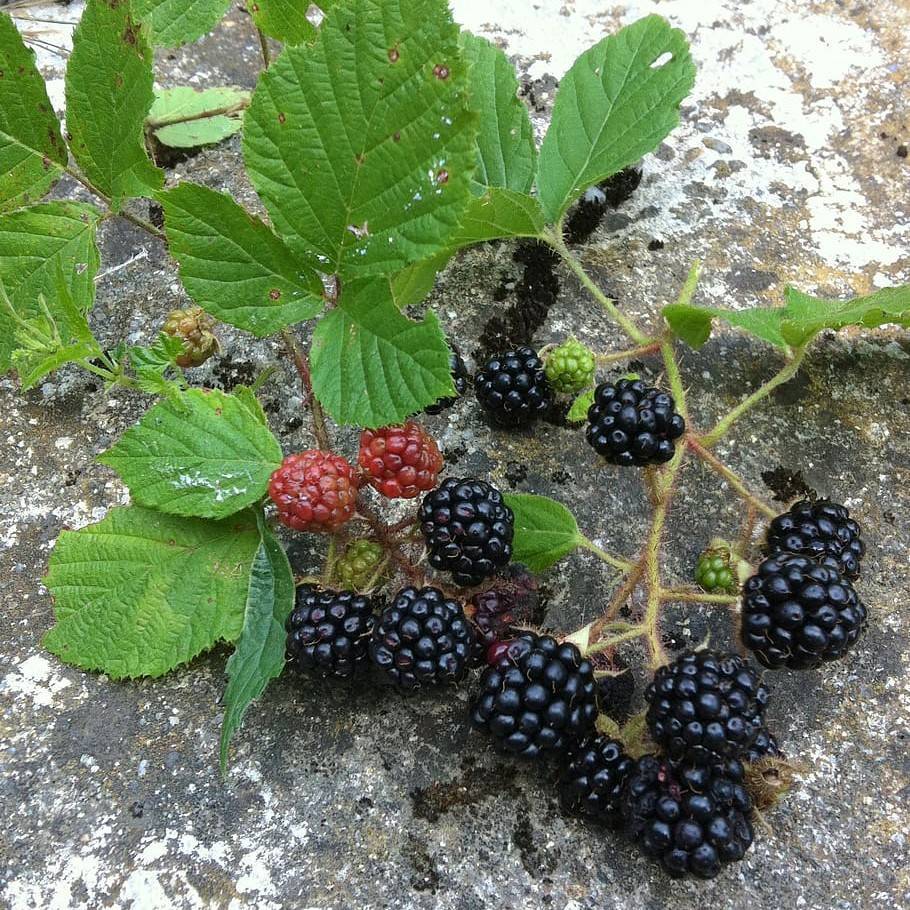
Blackberry
Rubus fruticosus agg.
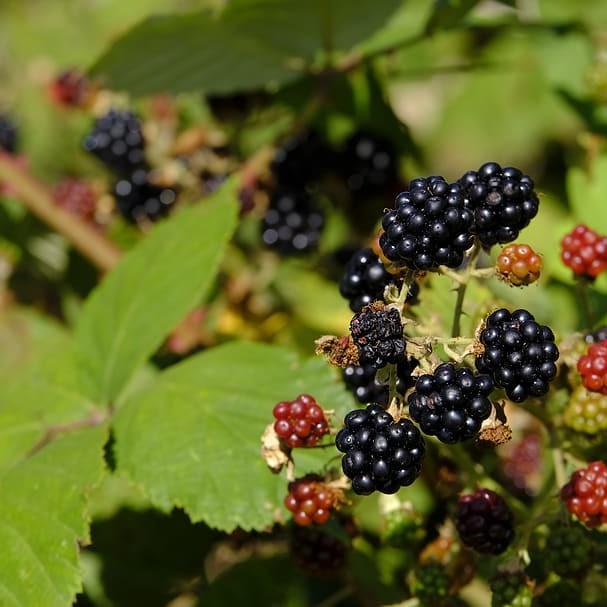
Boysenberry
Rubus ursinus × idaeus 'Boysen'
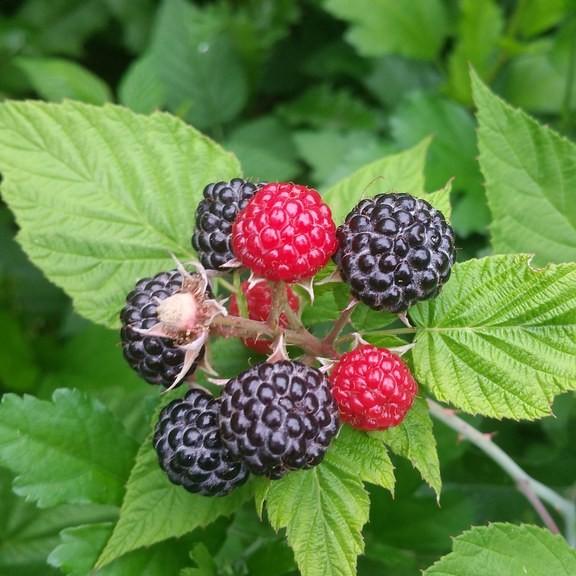
Black Raspberry
Rubus occidentalis
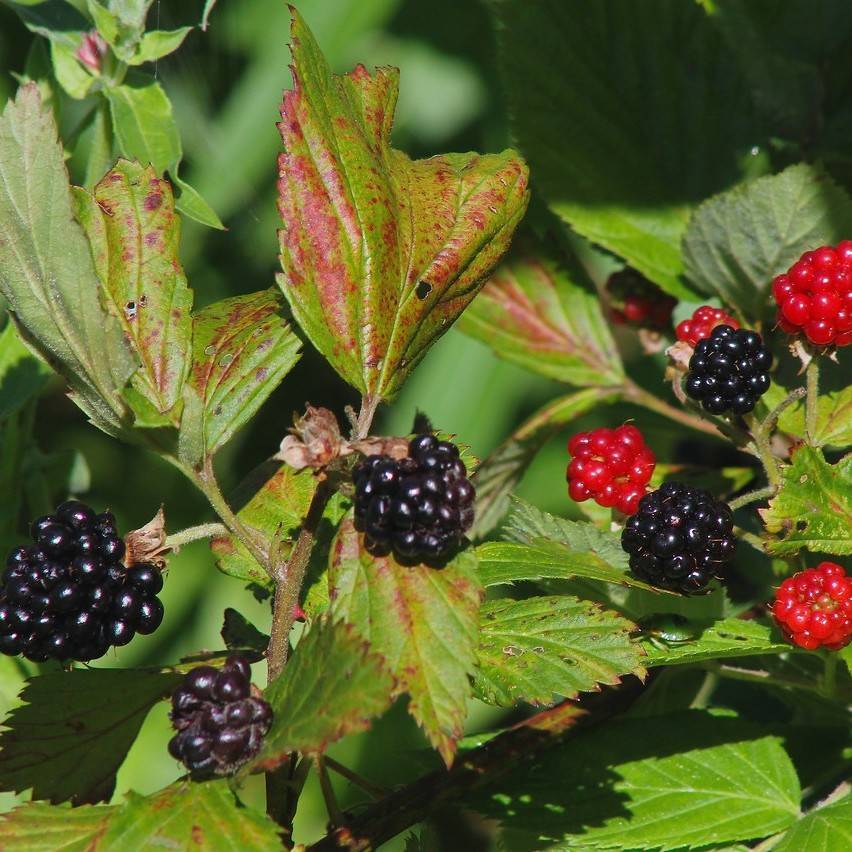
Common Blackberry
Rubus fruticosus
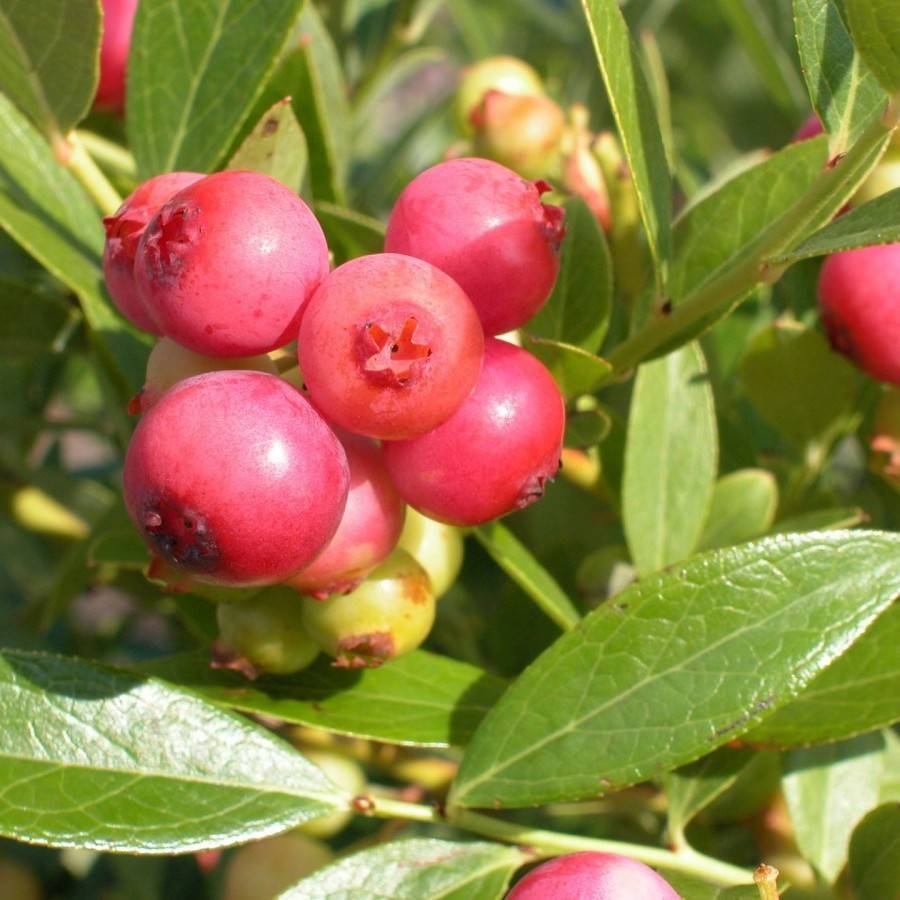
Blueberry
Vaccinium corymbosum
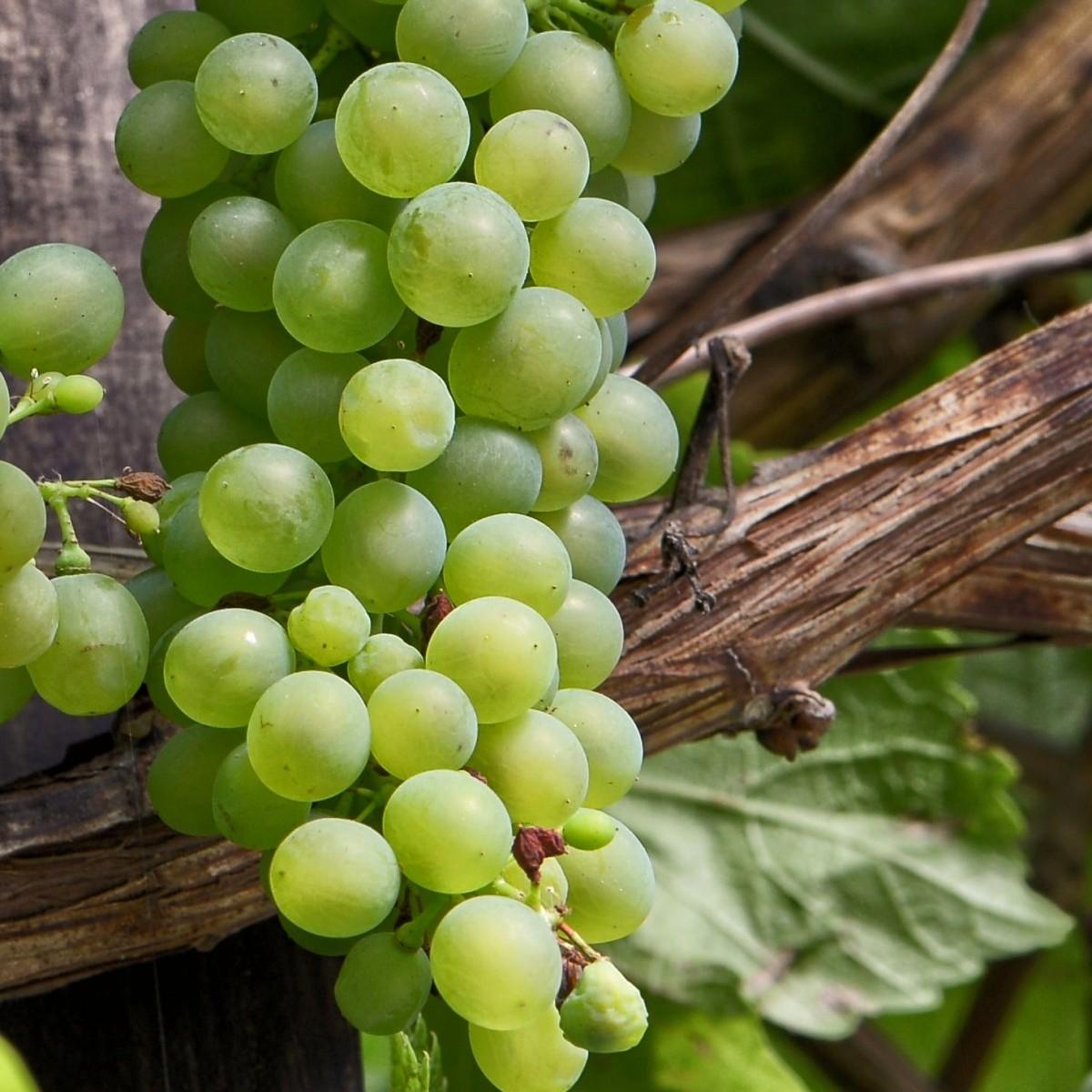
Grape
Vitis vinifera
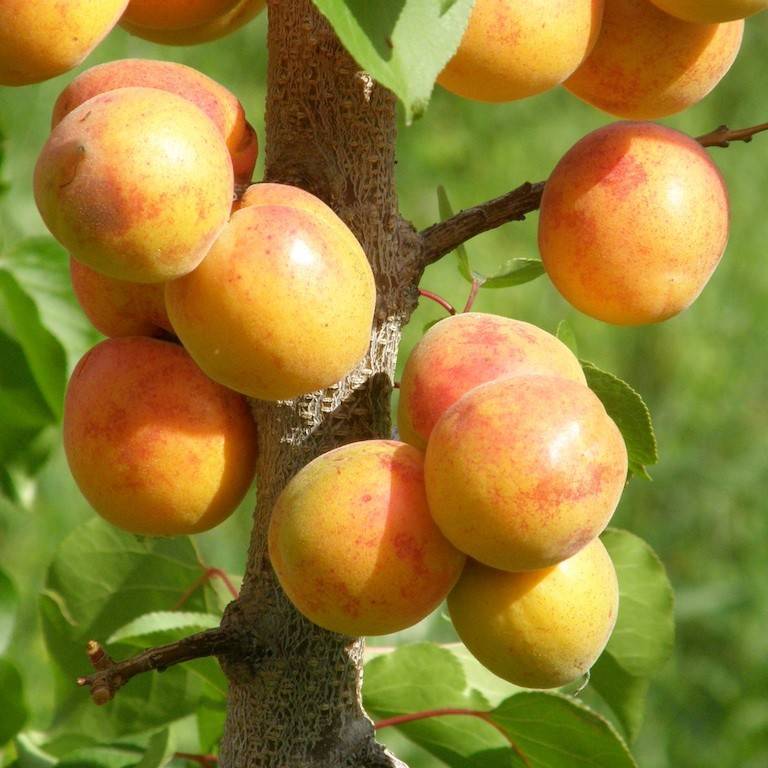
Dwarf Apricot
Prunus armeniaca 'Dwarf'