American Elderberry
Sambucus canadensis
Overview
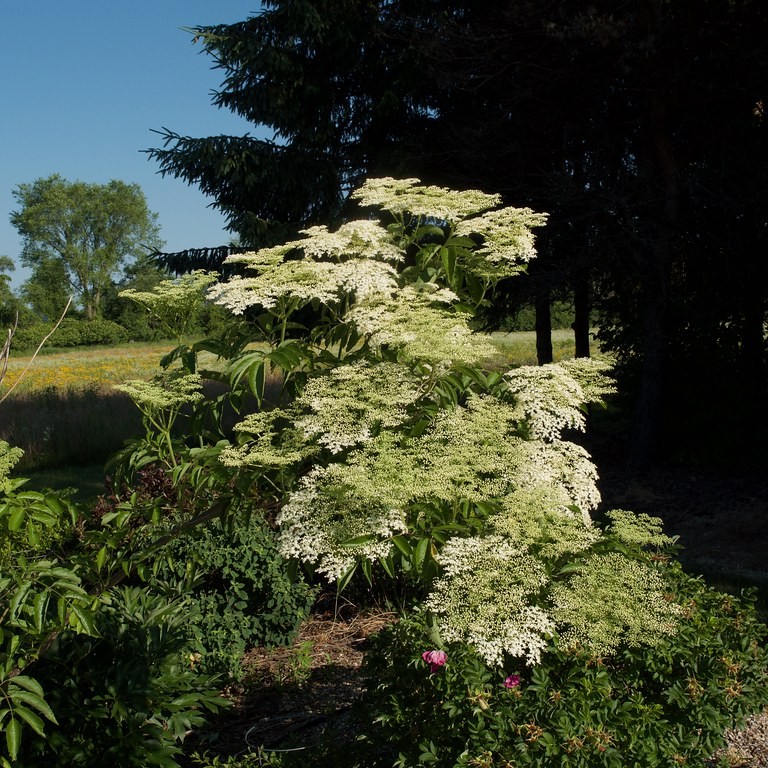
American elderberry is a cold-hardy deciduous shrub native to North American meadows, stream banks, and woodland edges, producing flat, 6-10 inch wide clusters of fragrant white blooms in early summer, followed by clusters of small, dark purple-black berries in late summer. It spreads via underground rhizomes to form dense colonies, making it ideal for naturalized plantings and erosion control. The species is closely related to European elderberry (Sambucus nigra) but is adapted to a wider range of North American climate conditions.
Care Guide
Watering
American elderberry prefers consistently moist, well-drained soil, requiring 1-2 inches of water per week during active growth and fruit development to prevent berry drop. It tolerates short periods of drought once established, but prolonged dryness will reduce fruit yield and overall plant vigor. Avoid overwatering or planting in waterlogged sites, as this can lead to root rot.
Light
This shrub thrives in full sun, which encourages maximum flower and fruit production, though it will tolerate partial shade. In shadier locations, growth will be more leggy, and berry yields will be significantly reduced. Plant in a location with at least 6 hours of direct sunlight daily for best performance.
Soil
American elderberry adapts to a wide range of soil types, including loam, sandy, and clay soils, as long as drainage is adequate. It prefers a slightly acidic to neutral soil pH between 5.5 and 7.0, though it can tolerate mildly alkaline conditions. Amend heavy or nutrient-poor soil with compost before planting to improve structure and fertility.
Fertilizer
Apply a balanced 10-10-10 granular fertilizer in early spring before new growth emerges, at a rate of 1/2 pound per young plant and 1 pound per mature shrub, to support healthy growth and fruit development. Avoid over-fertilizing with high-nitrogen formulas, as this can promote excessive leaf growth at the expense of flowers and berries. A light top-dressing of compost in late fall will also supply slow-release nutrients and improve soil health.
Temperature
American elderberry is extremely cold-hardy, tolerating winter temperatures as low as -30°F (-34°C) in USDA hardiness zones 3 through 9. It requires a minimum of 100-200 chill hours below 45°F (7°C) in winter to break dormancy and produce fruit the following season. Summer temperatures above 90°F (32°C) may cause stress if the plant is not adequately watered.
Pruning
Prune American elderberry in late winter or early spring while the plant is dormant, removing dead, damaged, or crossing branches to improve air circulation and reduce disease risk. Because the shrub produces the most fruit on 1- to 3-year-old wood, remove any branches older than 3 years annually to encourage new, productive growth. Cut back any suckers growing outside the desired planting area to prevent the shrub from spreading excessively.
Propagation
The easiest method of propagation is via softwood cuttings taken in early summer, rooting 4-6 inch cuttings of new growth in moist potting mix under high humidity for 4-6 weeks. It can also be propagated by dividing established root clumps in early spring before new growth starts, or by sowing stratified seeds in fall, though seed-grown plants may take 2-3 years to produce fruit.
Humidity
American elderberry adapts well to average ambient humidity levels in its native range, tolerating both moderately dry and humid conditions as long as soil moisture is consistent. High humidity combined with poor air circulation can increase the risk of fungal diseases such as powdery mildew, so proper pruning to open the canopy is recommended in humid climates. It does not require supplemental humidity when grown outdoors, and rarely thrives as an indoor plant due to its large size and light requirements.
Repotting
American elderberry is almost exclusively grown outdoors in the ground, as its large size and spreading root system make it unsuitable for long-term container growth. If grown temporarily in a pot for the first 1-2 years, repot annually in early spring before new growth emerges, using a large container with drainage holes and a nutrient-rich, well-drained potting mix. Once the shrub outgrows its container, transplant it to a permanent outdoor location for best results.
Uses & Symbolism
Fully ripe, cooked American elderberry berries are widely used to make jams, jellies, syrups, pies, and fermented beverages such as wine and mead, with a long history of use in traditional Native American and folk medicine for immune support. The large, fragrant flower clusters attract bees, butterflies, and other pollinators, while the berries are a critical food source for birds and small wildlife, making the shrub a popular choice for native and wildlife gardens. Its dense, spreading growth habit also makes it effective for erosion control on slopes and stream banks, and as a natural hedge or screen.
Diseases & Pests
American elderberry is relatively resistant to most pests and diseases, but may be susceptible to fungal issues such as powdery mildew, leaf spot, and canker, especially in conditions of high humidity and poor air circulation. Common pests include aphids, spider mites, and elderberry borers, which can be controlled with insecticidal soap or neem oil, or by removing and destroying infested branches. Birds are a common nuisance for fruit growers, as they will feed heavily on ripening berries, so netting is often recommended to protect crops as they mature.
Related plants
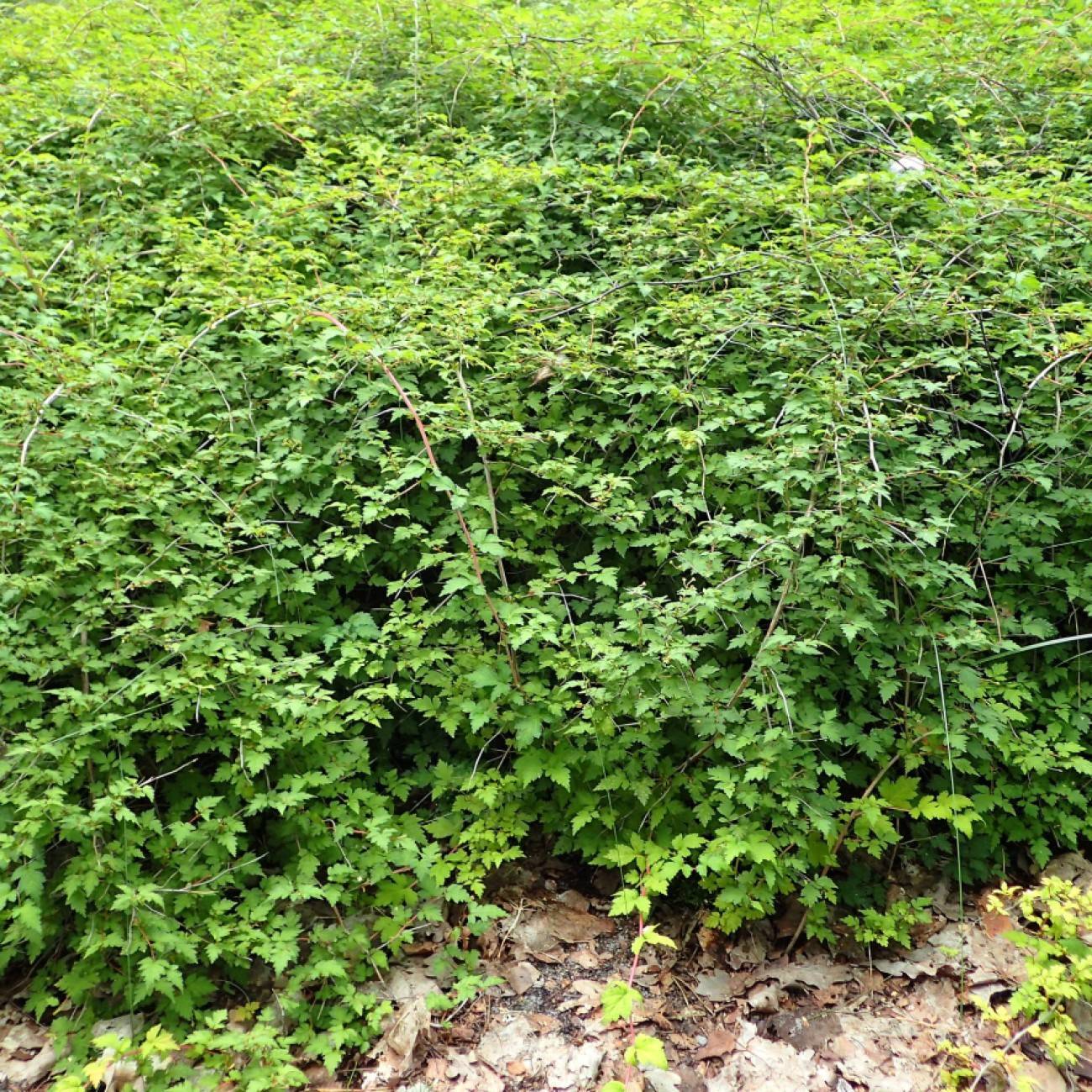
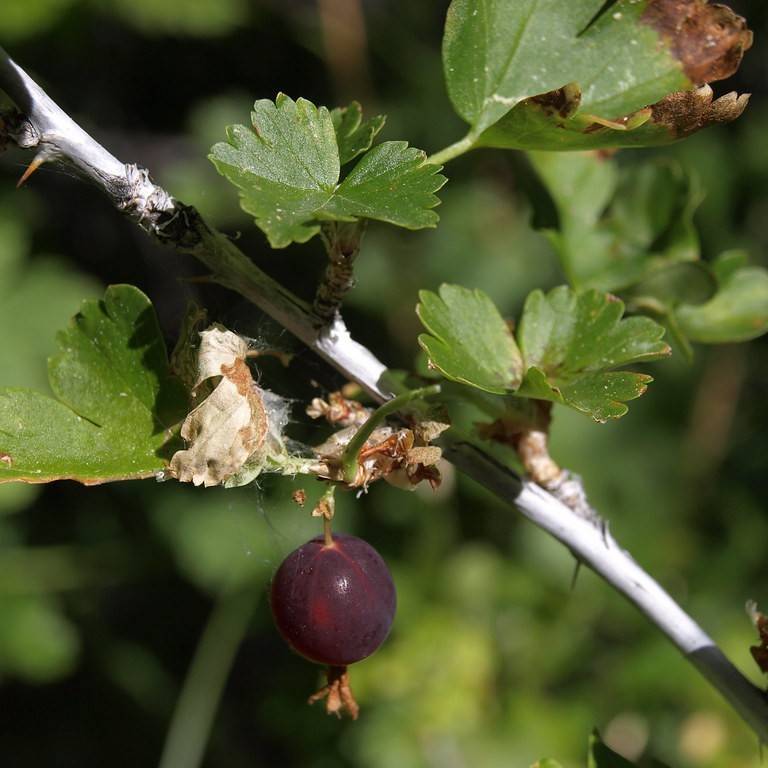
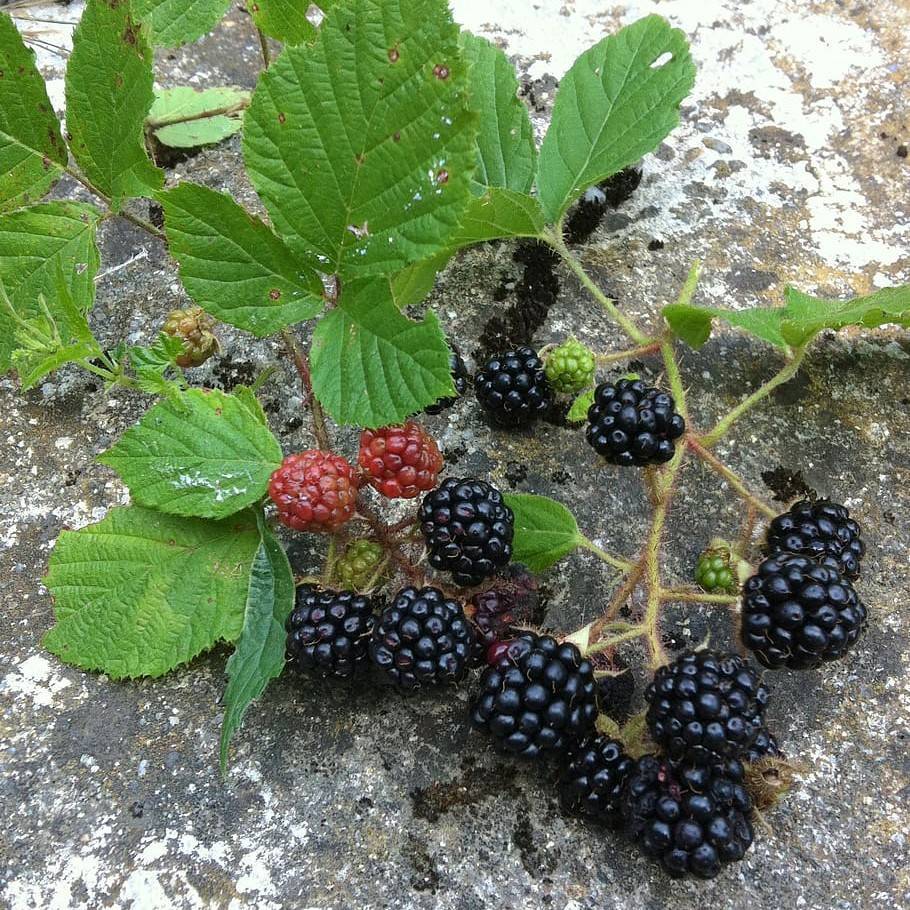
Other plants you might like if you grow American Elderberry.