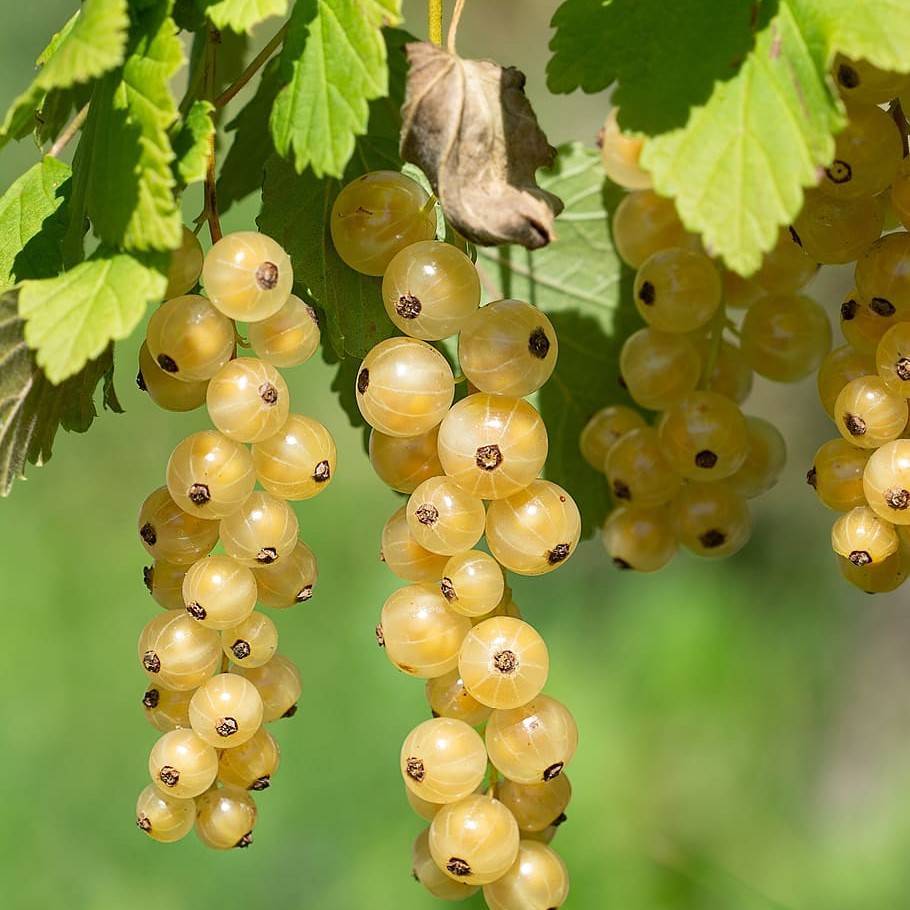
Currant
Ribes rubrum (red currant), Ribes nigrum (black currant), Ribes uva-crispa (white currant)
Overview
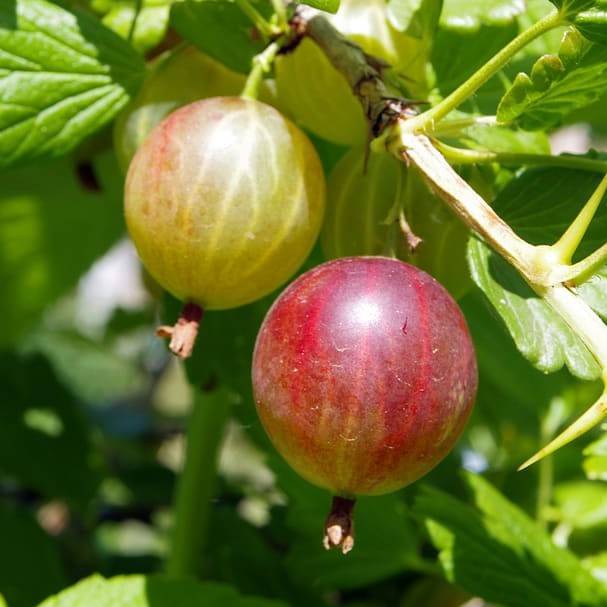
Currants are cold-hardy deciduous shrubs belonging to the Ribes genus, prized for their abundant, tangy berries that ripen in mid to late summer. Three main cultivated types dominate horticulture: tart red currants, aromatic black currants, and milder white currants, each with distinct culinary applications. These shrubs feature lobed, maple-like foliage and drooping racemes of small, bell-shaped spring flowers that give way to clusters of glossy berries.
Care Guide
Watering
Currants require consistent moisture, especially during fruit development, with 1 to 1.5 inches of water per week throughout the growing season. Avoid overhead watering to reduce fungal disease risk, directing water to the root zone and applying a 2-3 inch layer of organic mulch to retain soil moisture and suppress weeds. Reduce watering frequency in late fall after harvest to prepare the shrub for winter dormancy.
Light
Currants thrive in full sun, which promotes maximum fruit production and enhances berry sweetness, though they can tolerate partial shade in warmer climates to prevent leaf scorch. A minimum of 6 hours of direct sunlight daily is recommended for optimal yields; excessive shade will result in sparse fruiting and leggy growth.
Soil
Currants prefer fertile, well-drained loam or sandy loam soil with a slightly acidic to neutral pH between 5.5 and 7.0. They cannot tolerate waterlogged conditions, which cause root rot, so amend heavy clay soils with compost or well-rotted manure before planting to improve drainage and nutrient content. Avoid planting in sites with shallow, rocky soil that cannot support the shrub’s fibrous root system.
Fertilizer
Apply a balanced, slow-release 10-10-10 fertilizer in early spring before new growth emerges, at a rate of 1/2 pound per mature shrub, to support foliage development and fruiting. Supplement with a side dressing of compost or well-rotted manure in early summer to provide additional nutrients during berry ripening. Avoid over-fertilizing with high-nitrogen products, which encourage excessive leaf growth at the expense of fruit production.
Temperature
Currants are extremely cold-hardy, tolerating winter temperatures as low as -40°F (-40°C) when dormant, making them suitable for growing in USDA hardiness zones 3 through 8. Spring frost can damage emerging flower buds, so site plants in a location protected from late frost or cover them with frost cloth if a cold snap is predicted during bloom time. In regions with summer temperatures consistently above 90°F (32°C), provide afternoon shade to prevent berry sunscald and leaf burn.
Pruning
Prune currant shrubs in late winter while dormant, removing any dead, diseased, or crossing branches to improve air circulation and light penetration. Mature shrubs should be thinned to retain 6 to 8 healthy, productive canes of varying ages, as currants produce the highest yields on 2- to 3-year-old wood; remove canes older than 3 years to encourage new growth. After harvest, trim back overly vigorous new shoots to maintain the shrub’s shape and prevent overcrowding.
Propagation
Currants are most easily propagated via hardwood cuttings taken in late winter, using 8-10 inch sections of 1-year-old wood planted 4 inches deep in well-drained potting mix or directly in a nursery bed. Softwood cuttings taken in early summer can also root successfully if kept consistently moist and under partial shade until established. Most currant varieties are self-fertile, so only one shrub is needed to produce fruit, though planting multiple varieties can increase yields.
Humidity
Currants prefer moderate humidity levels between 40% and 60%, and good air circulation is critical to prevent fungal diseases such as powdery mildew and anthracnose in high-humidity environments. Avoid planting shrubs in low-lying, stagnant air locations where moisture lingers on foliage for extended periods. In dry climates, occasional misting of the foliage during hot summer days can help reduce heat stress, but ensure leaves dry fully before evening.
Repotting
Currants grown in containers should be repotted every 2 to 3 years in late winter while dormant, using a pot one size larger with fresh, fertile potting mix amended with compost. Choose a container with ample drainage holes to prevent waterlogging, as currant roots are susceptible to rot in saturated soil. When repotting, gently loosen the root ball and trim any circling or damaged roots to encourage healthy new growth.
Uses & Symbolism
Currants are primarily grown for their edible berries, which are used to make jams, jellies, pies, juices, wines, and dried snacks, with black currants valued for their high vitamin C and antioxidant content. Ornamental varieties are planted in landscape borders for their attractive spring flowers, colorful fall foliage, and wildlife value, as the berries provide food for birds and pollinators visit the early spring blooms. Some herbal traditions use black currant leaves and berries for their anti-inflammatory and immune-supporting properties.
Diseases & Pests
Currants are susceptible to a range of fungal diseases, including powdery mildew, leaf spot, anthracnose, and white pine blister rust, a federally regulated disease in some U.S. regions that requires avoiding planting currants near white pine trees. Common pests include aphids, currant fruit flies, spider mites, and gooseberry sawflies, which can defoliate shrubs if left uncontrolled. Good air circulation, regular pruning of infected material, and proper spacing reduce most disease risks, while horticultural oils and insecticidal soaps are effective for managing most pest infestations.
Related plants
Other plants you might like if you grow Currant.