Alpine Currant
Ribes alpinum
Overview
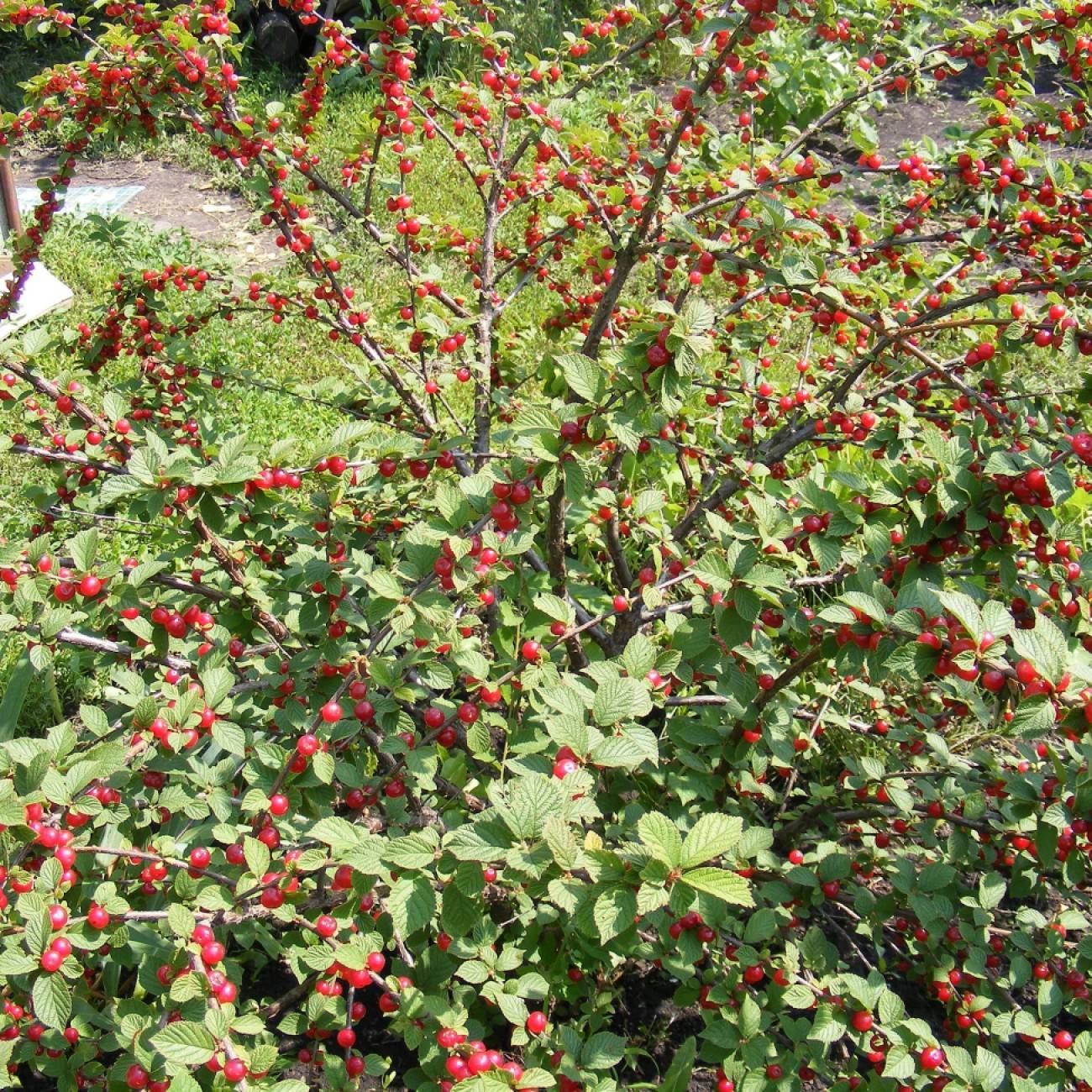
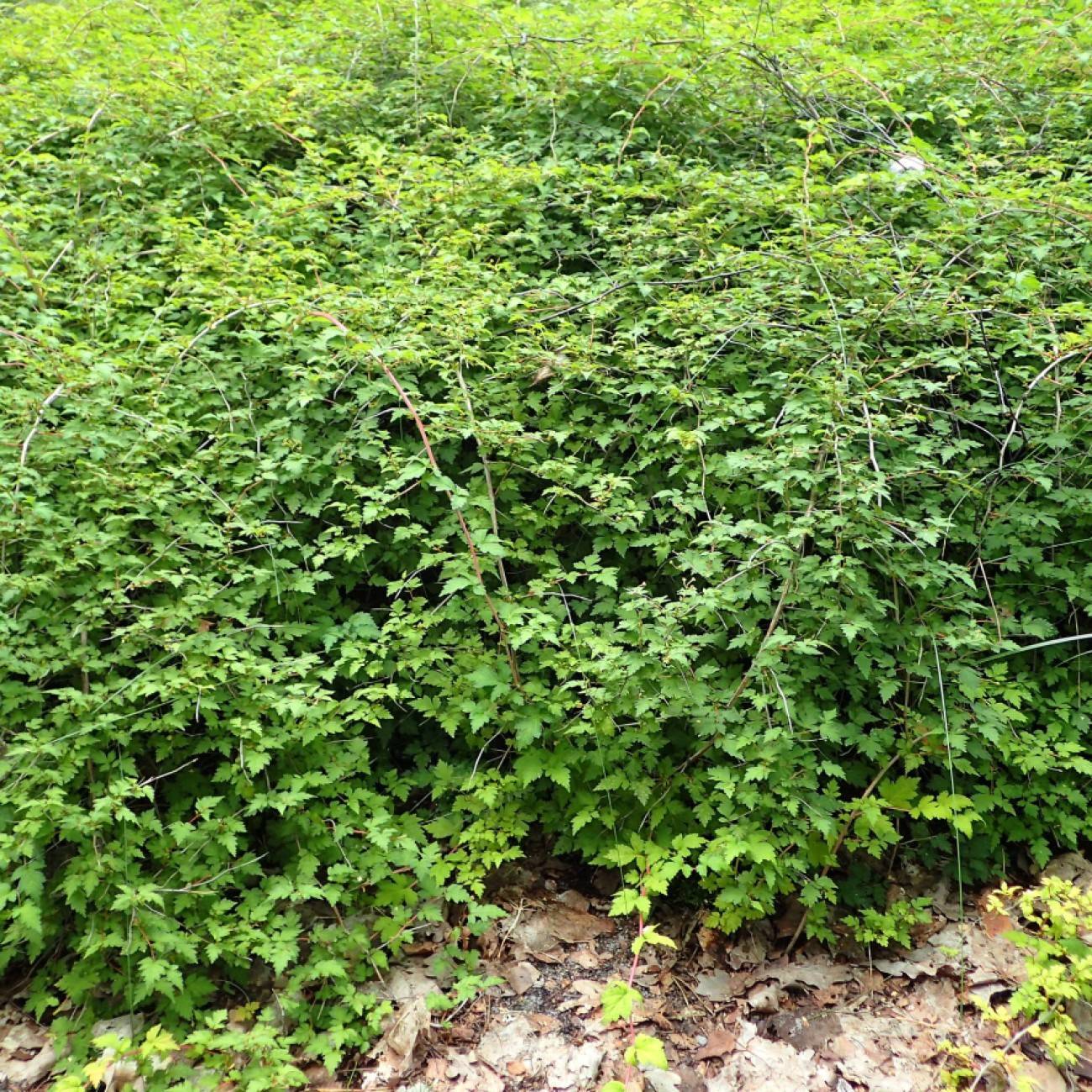
Alpine currant is a hardy, dioecious deciduous shrub best known for its dense, uniform foliage that makes it a popular choice for low hedges and border plantings in temperate landscapes. It bears tiny, inconspicuous greenish-yellow flowers in spring, with female plants producing small, bright red berries that ripen by mid-summer. While the berries are tart when raw, they can be used in jams, jellies, and baked goods once fully ripe, and are also a food source for wild birds and pollinators.
Care Guide
Watering
Water newly planted alpine currant regularly to keep the root zone consistently moist for the first 1-2 growing seasons until it establishes a deep root system. Mature plants are highly drought tolerant, only needing supplemental water during extended periods of heat or lack of rainfall, as overwatering can lead to root rot. Avoid watering the foliage directly to reduce the risk of fungal leaf diseases.
Light
Alpine currant thrives in full sun to partial shade, with best foliage density and berry production occurring in locations that receive at least 4-6 hours of direct sunlight daily. It can tolerate full shade, though growth will be sparser and it will produce very few, if any, flowers and berries. In extremely hot climates, light afternoon shade helps prevent leaf scorch during the warmest summer months.
Soil
This adaptable shrub grows well in a wide range of soil types, including sandy, loam, and clay soils, as long as the site has good drainage to prevent waterlogging around the roots. It tolerates alkaline, neutral, and slightly acidic pH levels, making it suitable for most residential landscape soils without extensive amendments. Mixing 2-3 inches of compost into the planting hole improves soil structure and provides a mild nutrient boost for young plants.
Fertilizer
Alpine currant is a light feeder that rarely requires regular fertilization if planted in average, healthy garden soil. A single application of balanced, slow-release 10-10-10 fertilizer in early spring, before new growth emerges, is sufficient to support healthy growth for the entire growing season. Avoid over-fertilizing, as this can lead to excessive, leggy growth that reduces the shrub’s natural dense form and makes it more susceptible to winter damage.
Temperature
Alpine currant is extremely cold hardy, thriving in USDA hardiness zones 3 through 7, and can tolerate winter temperatures as low as -40°F (-40°C) without damage. It prefers cool to moderate summer temperatures, and may struggle with prolonged heat above 90°F (32°C) if not provided with adequate moisture and partial shade. Late spring frosts can damage emerging new growth, but the shrub typically recovers quickly and produces new foliage within a few weeks.
Pruning
Prune alpine currant in late winter or early spring before new growth appears to maintain its desired shape and encourage dense, bushy growth. For formal hedges, shear 1-2 times per growing season, stopping by mid-summer to allow new growth to harden off before cold winter temperatures arrive. Remove any dead, diseased, or crossing branches annually to improve air circulation through the foliage and reduce the risk of fungal disease.
Propagation
Alpine currant is most easily propagated from softwood cuttings taken in early summer, when new growth is still flexible and not yet woody. Dip the cut end of 4-6 inch cuttings in rooting hormone, plant in a moist, well-draining potting mix, and keep in a shaded, humid location until roots develop in 4-6 weeks. It can also be grown from seed, though seeds require 3-4 months of cold stratification to germinate, and seedlings will not retain the exact characteristics of the parent plant.
Humidity
Alpine currant adapts well to a wide range of humidity levels, thriving in the moderate humidity of its native mountain habitats as well as drier inland climates. It does not require extra humidity when grown outdoors, though high humidity combined with poor air circulation can increase the risk of powdery mildew and other fungal leaf diseases. Ensure plants are spaced appropriately to allow for good air flow around the foliage to mitigate humidity-related issues.
Repotting
Alpine currant is rarely grown in containers long-term, but if potted for temporary landscaping use, repot every 2-3 years in early spring before new growth begins. Choose a pot that is 2-3 inches larger in diameter than the current container, with multiple drainage holes to prevent waterlogging, and use a well-draining, loamy potting mix. After repotting, water thoroughly and place in a partially shaded location for 1-2 weeks to allow the plant to acclimate before returning to its regular growing spot.
Uses & Symbolism
Alpine currant is most widely used as a low, dense hedge or border shrub in residential and commercial landscapes, valued for its tolerance of heavy pruning, urban pollution, and harsh growing conditions. The fully ripe berries are edible, with a tart flavor that works well in jams, jellies, syrups, and baked goods when sweetened. It also provides habitat and food for pollinators and wild birds, making it a useful addition to native and wildlife-friendly gardens.
Diseases & Pests
The most common disease affecting alpine currant is powdery mildew, a fungal infection that appears as a white, powdery coating on the foliage, especially in humid conditions with poor air circulation. It is also susceptible to anthracnose, leaf spot, and currant rust, though these are less common when plants are grown in well-drained soil with good air flow. Common pests include aphids, spider mites, and currant borers, which can be controlled with insecticidal soap or horticultural oil for minor infestations.
Related plants
Other plants you might like if you grow Alpine Currant.