Fox Grape
Vitis labrusca
Overview
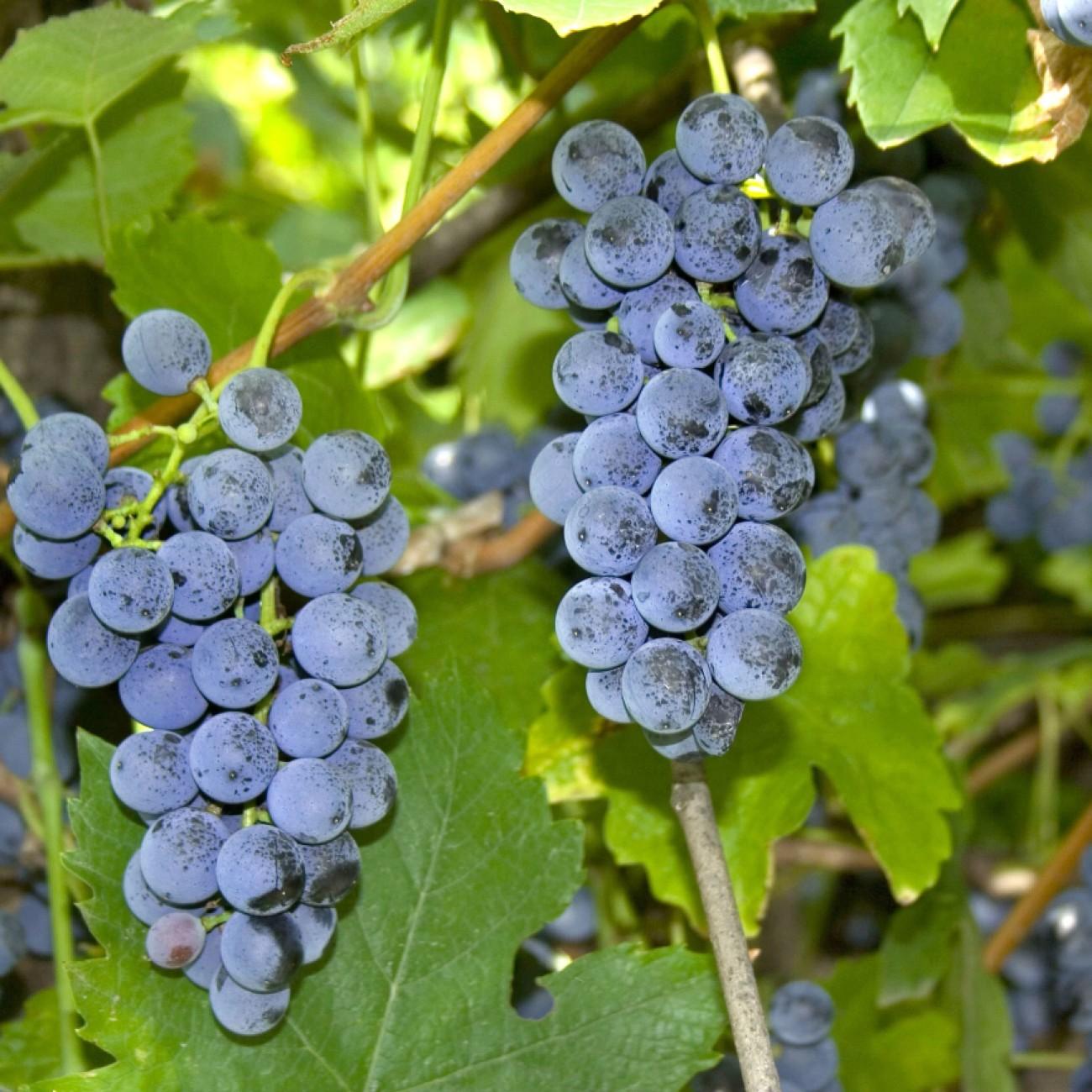
Fox Grape is a deciduous climbing vine recognizable by its large, lobed leaves with fuzzy undersides and tendrils that cling to supports like fences, trellises, or trees. It bears small, fragrant greenish flowers in spring, followed by clusters of dark purple, red, or amber fruit in late summer to early fall. Unlike European grape varieties, its fruit has a characteristic 'slip skin' that separates easily from the pulp, with a distinct, musky sweet flavor. It is the parent of many popular cultivated grape varieties including Concord, Niagara, and Catawba.
Care Guide
Watering
Fox Grape requires consistent moisture during its first 2-3 years of establishment, with 1 inch of water per week applied directly to the root zone to avoid foliar disease. Once mature, it is drought tolerant, though supplemental watering during extended dry periods improves fruit yield and quality. Reduce watering in late fall to harden off the vine before winter dormancy.
Light
This vine thrives in full sun, requiring a minimum of 6-8 hours of direct sunlight daily to produce abundant fruit and maintain vigorous, disease-resistant growth. It can tolerate partial shade, but shaded plants will produce fewer flowers and fruit, and may be more prone to fungal infections due to reduced air circulation around foliage. Plant in an unobstructed south or west-facing location for best performance.
Soil
Fox Grape adapts to a wide range of soil types including sandy loam, clay, and rocky soils, as long as drainage is excellent to prevent root rot. It prefers a slightly acidic to neutral pH between 5.5 and 7.0, and will struggle in overly alkaline soils that inhibit nutrient uptake. Amend heavy clay soils with compost or well-rotted manure prior to planting to improve structure and drainage.
Fertilizer
Young vines benefit from a balanced 10-10-10 fertilizer applied in early spring each year for the first three years to support root and foliage growth. Mature fruiting vines require less nitrogen to avoid excessive vegetative growth at the expense of fruit; use a fertilizer higher in phosphorus and potassium, such as a 5-10-10 blend, applied just before bud break in spring. Avoid fertilizing after mid-summer, as this can encourage tender new growth that will be damaged by fall frost.
Temperature
Fox Grape is extremely cold hardy, tolerating winter temperatures as low as -10°F (-23°C) when fully dormant, making it suitable for growing in USDA hardiness zones 4 through 8. It requires 100-180 days of frost-free growing season to ripen fruit, and spring temperatures above 50°F (10°C) trigger bud break. Late spring frosts can damage new growth, so plant in a location with good air flow to reduce frost risk, or cover young shoots if a late freeze is predicted.
Pruning
Prune Fox Grape heavily during late winter dormancy, as fruit is produced on new growth that emerges from 1-year-old wood. Remove 90% of the previous year’s growth, leaving 3-4 strong canes with 8-12 buds each to produce the current season’s fruit and replacement canes for the next year. During the growing season, thin out excess foliage and non-fruiting shoots to improve air circulation, reduce fungal disease risk, and allow sunlight to reach developing fruit clusters.
Propagation
Fox Grape is most easily propagated from hardwood cuttings taken during late winter dormancy, using 12-18 inch segments of 1-year-old wood with 3-4 buds each. Plant cuttings in moist, well-draining potting mix with the top bud exposed, and keep in a warm, bright location until roots develop, usually within 2-3 months. It can also be propagated by layering in spring, where a low-growing cane is bent to the ground, partially buried, and left to root while still attached to the parent plant, then separated the following dormant season.
Humidity
Fox Grape tolerates a wide range of humidity levels, but high humidity combined with poor air circulation increases the risk of foliar fungal diseases like powdery mildew and downy mildew. It grows best in moderate humidity between 50% and 70%, and benefits from spacing that allows air to flow freely around foliage to dry quickly after rain or watering. It is not suited to consistently humid tropical environments, where disease pressure is too high for consistent growth and fruit production.
Repotting
Fox Grape is rarely grown in containers long-term, as its extensive root system requires large volumes of soil to support growth and fruit production. If grown in a container, use a 15-20 gallon pot with drainage holes, filled with a well-draining mix of potting soil, compost, and perlite. Repot every 2-3 years during dormancy, trimming back up to one-third of the root ball and replacing old soil with fresh amended mix to support continued vigor.
Uses & Symbolism
Fox Grape is primarily cultivated for its edible fruit, which is eaten fresh, used to make jams, jellies, juice, and sweet, fruity wines, particularly in the eastern United States. Its dense, lobed foliage makes it an excellent ornamental vine for covering arbors, trellises, and fences, providing summer shade and vibrant yellow fall color. Historically, Indigenous peoples used various parts of the vine for medicinal purposes, including treating digestive ailments and minor wounds, and its strong flexible stems were used for weaving baskets.
Diseases & Pests
Fox Grape is far more resistant to common grape diseases than European Vitis vinifera varieties, though it can still be affected by powdery mildew, downy mildew, and black rot in warm, humid conditions with poor air circulation. Common pests include grape berry moths, Japanese beetles, and phylloxera, though its native resistance to phylloxera makes it a valuable rootstock for grafting more susceptible grape varieties. Fungal diseases can be prevented by pruning to improve air flow, avoiding overhead watering, and applying organic fungicides early in the growing season if symptoms appear.
Related plants
Other plants you might like if you grow Fox Grape.