Halcyon Hosta
Hosta 'Halcyon'
Overview
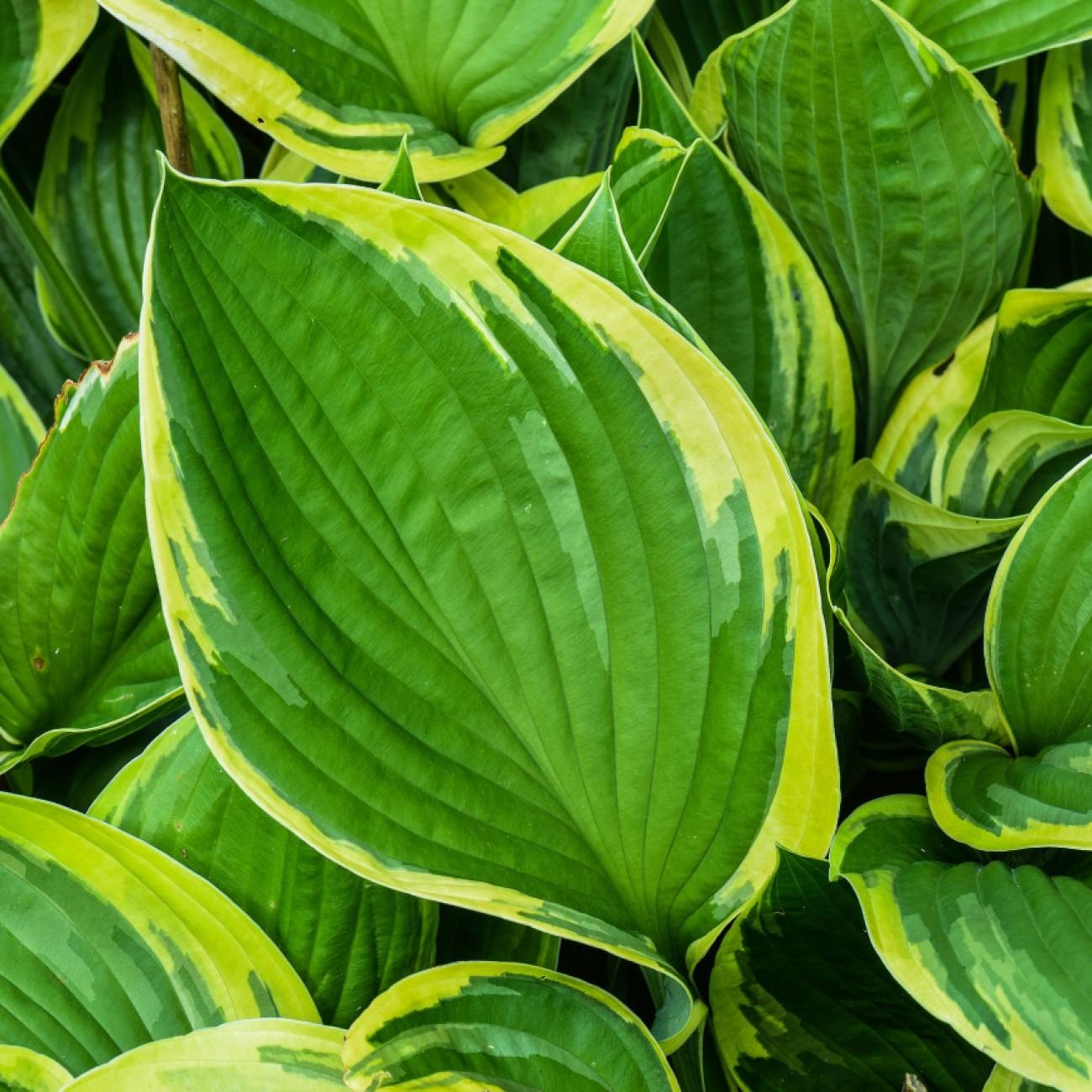
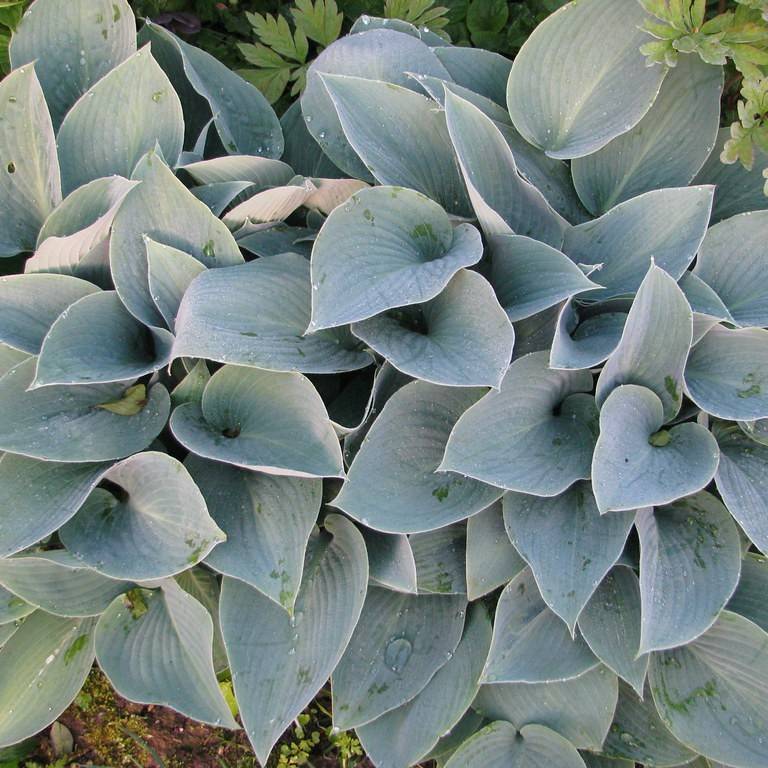
A standout among blue hosta cultivars, 'Halcyon' is a hybrid Hosta tardiana variety renowned for its exceptional foliage color retention, even in partial sun exposure. Its heavily textured, ribbed leaves form a dense, mounding clump that acts as an excellent ground cover in shaded garden beds. In late summer, upright 2-foot tall scapes emerge bearing clusters of bell-shaped, fragrant pale lavender flowers that attract pollinators like bees and hummingbirds. This slow-growing, low-maintenance cultivar is widely recognized for its slug resistance compared to thinner-leaved hosta varieties.
Care Guide
Watering
Water deeply once or twice weekly, ensuring the soil remains consistently moist but never waterlogged, as soggy conditions can trigger root rot. Reduce watering frequency in fall as the plant enters dormancy, and avoid overhead watering to minimize fungal leaf spot issues. During extended dry periods, increase watering to prevent leaf scorch and maintain foliage turgor.
Light
Thrives in partial to full shade, with dappled morning sun supporting the most vibrant blue foliage color without causing leaf burn. Avoid exposure to intense midday or afternoon direct sun, which will fade the blue leaf coating and cause brown, crispy leaf edges. Indoor specimens require bright, indirect light from a north or east-facing window to maintain their characteristic foliage hue.
Soil
Prefers rich, well-draining loamy soil with a high organic matter content and a slightly acidic to neutral pH between 6.0 and 7.0. Amending planting sites with compost, leaf mold, or well-rotted manure will improve soil structure and nutrient retention to support healthy root growth. Heavy clay soils should be mixed with perlite or coarse sand to enhance drainage and prevent water pooling around the root zone.
Fertilizer
Apply a balanced, slow-release granular fertilizer (10-10-10 NPK) in early spring just as new foliage emerges from the ground to support robust leaf growth. Avoid over-fertilizing, as excessive nitrogen can fade the blue leaf color and encourage soft, pest-prone foliage. Skip fertilizing after mid-summer to allow the plant to prepare for winter dormancy naturally.
Temperature
Adaptable to USDA hardiness zones 3 through 8, tolerating winter lows as low as -40°F (-40°C) when planted in the ground, as the dormant root system is fully cold hardy. Summer temperatures above 90°F (32°C) combined with direct sun will cause leaf stress, so extra shade and moisture are recommended during heatwaves. Indoor specimens prefer consistent temperatures between 60-75°F (15-24°C), and should be kept away from cold drafts and heating vents.
Pruning
Remove spent flower scapes after blooming finishes to redirect the plant’s energy back to root and foliage growth rather than seed production. In late fall after the first frost kills back the foliage, cut all leaves down to the ground to remove overwintering sites for slugs, snails, and fungal pathogens. Throughout the growing season, pluck any yellowed, damaged, or pest-damaged leaves to maintain the plant’s neat appearance and prevent disease spread.
Propagation
The most reliable propagation method is division, performed in early spring just as new shoots emerge or in early fall 4-6 weeks before the first expected frost. Dig up the entire mature clump, use a sharp, sterilized knife to cut the root mass into sections with at least 2-3 growth eyes per division, then replant immediately at the same depth as the original plant. Hosta cultivars grown from seed will not come true to the 'Halcyon' variety, so seed propagation is not recommended for consistent foliage characteristics.
Humidity
Tolerates average outdoor humidity levels between 40-60%, though higher humidity in shaded woodland settings supports lusher, more vibrant foliage. Indoor specimens may benefit from occasional misting or placement on a pebble tray filled with water if indoor air is particularly dry during winter heating months. Avoid excessively high humidity combined with poor air circulation, as this increases the risk of fungal leaf diseases.
Repotting
Container-grown Halcyon Hostas should be repotted every 2-3 years in early spring before new growth emerges, to refresh the soil and prevent root binding. Choose a pot that is 2-3 inches wider than the current root ball, with multiple drainage holes to prevent waterlogging, and use a high-quality potting mix amended with compost for extra nutrients. After repotting, water thoroughly and place the container in its usual shaded location to minimize transplant shock.
Uses & Symbolism
Widely planted as a low-maintenance ground cover in shaded woodland gardens, border edges, and under large trees where sun-loving plants struggle to thrive. It is also a popular choice for container planting on shaded patios, porches, and indoor spaces with sufficient indirect light, adding cool blue-green texture to mixed plant displays. Its cut foliage is frequently used in floral arrangements, as the thick leaves hold up well for several weeks in vases.
Diseases & Pests
The most common pests are slugs and snails, which chew irregular holes in the foliage, though the thick leaves of 'Halcyon' are more resistant to this damage than thinner hosta varieties. Fungal diseases including anthracnose, leaf spot, and crown rot can occur in overly wet, poorly drained conditions or with prolonged overhead watering. Deer and rabbits will readily browse hosta foliage, so physical barriers or repellents are recommended in areas with high wildlife populations.
Related plants
Other plants you might like if you grow Halcyon Hosta.