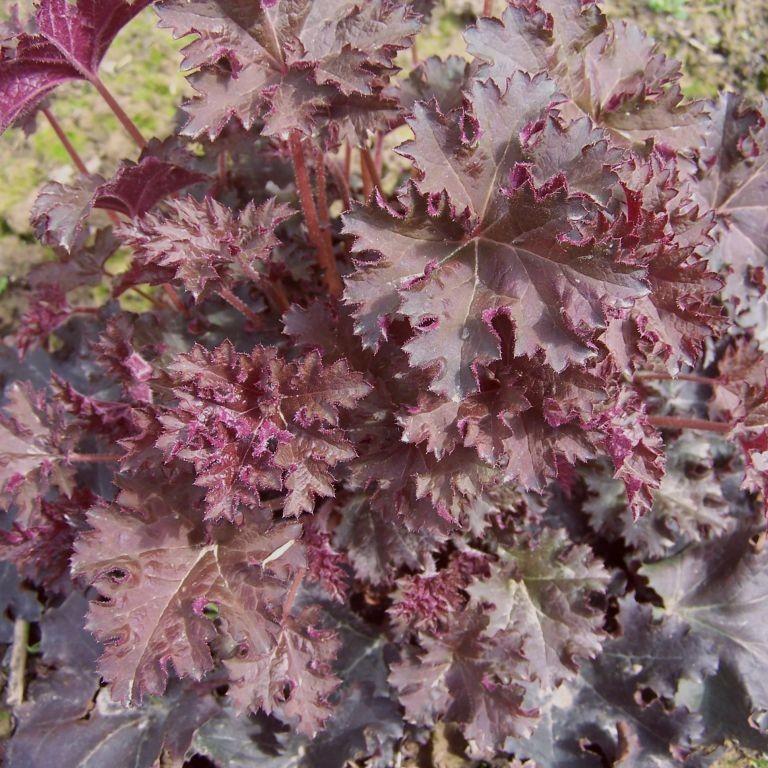
Fancy Leafed Coral Bells
Heuchera americana 'Fancy Leafed'
Overview
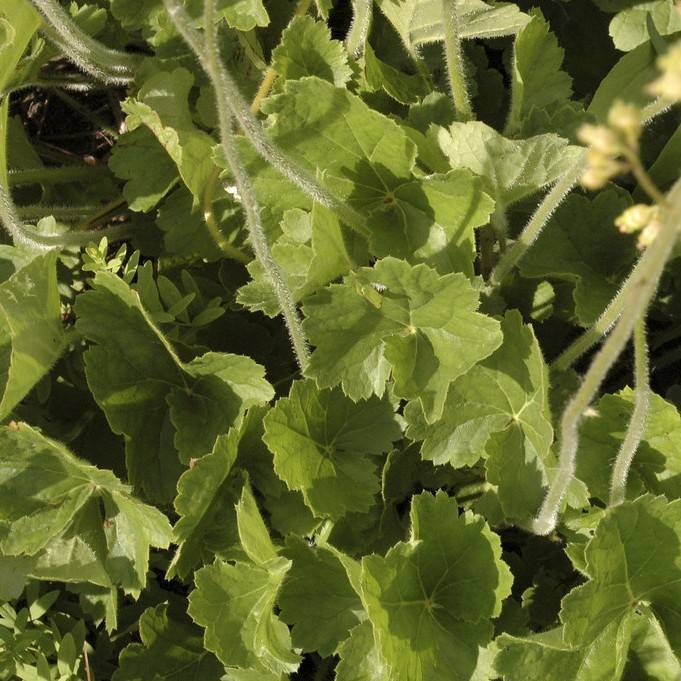
A cultivated variant of native American alumroot, Fancy Leafed Coral Bells is bred for striking foliage in shades of purple, bronze, silver, and green, often with intricate veining or marbled patterns. In late spring to early summer, it produces airy, arching stalks of tiny pink, white, or red bell-shaped flowers that attract pollinators including hummingbirds and bees. Hardy in temperate climates, it is a popular choice for shaded garden beds, borders, and container plantings due to its low-maintenance nature and year-round foliar interest.
Care Guide
Watering
Water regularly to keep soil consistently moist but not waterlogged, providing approximately 1 inch of water per week during active growth. Reduce watering frequency in winter when the plant is semi-dormant, allowing the top 1 inch of soil to dry out between sessions to prevent root rot. Avoid overhead watering to minimize fungal leaf spot issues, directing water at the base of the plant instead.
Light
Thrives in partial shade, receiving 2-6 hours of dappled or morning sun per day for the most vibrant foliage color. Avoid intense midday sun, which can scorch leaves and cause fading, especially in warmer climates. It can tolerate deep shade, though foliage may be less vivid and flowering may be reduced in very low light conditions.
Soil
Requires well-draining, loamy or sandy soil rich in organic matter with a slightly acidic to neutral pH between 5.5 and 7.0. Heavy clay soils should be amended with compost or peat moss to improve drainage, as standing water will quickly damage the plant’s shallow root system. A 2-inch layer of organic mulch applied around the base will help retain moisture and regulate soil temperature.
Fertilizer
Feed once in early spring with a balanced, slow-release 10-10-10 fertilizer mixed into the top layer of soil around the root zone. Avoid over-fertilizing, as excessive nitrogen can lead to floppy growth and reduced foliage color intensity. Do not fertilize in late summer or fall, as this can encourage tender new growth that is vulnerable to frost damage.
Temperature
Hardy in USDA zones 4 through 9, tolerating winter temperatures as low as -30°F (-34°C) when planted in well-drained soil. In warmer zones above 8, it benefits from extra shade and mulch to keep roots cool during hot summer months. It is semi-evergreen in mild winter climates, retaining most of its foliage year-round, while in colder areas it dies back to the ground and re-emerges in spring.
Pruning
Remove spent flower stalks at the base after blooming finishes to encourage new foliage growth and prevent the plant from expending energy on seed production. In late winter or early spring, trim away any brown, damaged, or tattered leaves to make room for fresh new growth. Divide clumps every 3-4 years in early spring or fall to prevent overcrowding and maintain vigorous growth.
Propagation
Most commonly propagated by division in early spring before new growth emerges, or in fall after flowering finishes, separating clumps into smaller sections with intact roots and at least 2-3 growth buds each. It can also be grown from seed sown in cold frames in fall, though seed-grown plants may not retain the exact foliage coloration of the parent cultivar. Leaf cuttings taken in early summer can root successfully in moist, well-draining potting mix under high humidity.
Humidity
Prefers moderate humidity levels between 40% and 60%, typical of temperate garden environments. It tolerates average household humidity well when grown as a container houseplant, though extremely dry air may cause leaf tip browning. Misting is not necessary, but grouping plants together or placing containers on pebble trays filled with water can boost humidity for potted indoor specimens.
Repotting
Potted specimens should be repotted every 2-3 years in early spring, moving to a container one size larger with fresh, well-draining potting mix amended with compost. Ensure the pot has adequate drainage holes to prevent waterlogging, and plant at the same depth as the previous container to avoid crown rot. If roots are tightly bound, gently tease them apart before repotting to encourage new root growth.
Uses & Symbolism
Widely used as a decorative foliage plant in shaded perennial borders, rock gardens, and woodland gardens, where its colorful leaves provide contrast to ferns, hostas, and other shade-loving plants. Its long-blooming flower stalks make it a popular addition to cut flower arrangements, and it is frequently planted in pollinator gardens to support bees, butterflies, and hummingbirds. It also grows well in containers on shaded patios or as a low-maintenance houseplant in bright, indirect indoor light.
Diseases & Pests
Most susceptible to fungal diseases including powdery mildew, leaf spot, and crown rot, which typically occur in overly wet, poorly drained soil or high humidity conditions with poor air circulation. Common pests include aphids, vine weevils, and slugs, which may feed on young foliage and roots; these can be controlled with insecticidal soap, diatomaceous earth, or appropriate organic pest treatments. Providing adequate spacing between plants, avoiding overhead watering, and ensuring well-draining soil will prevent most common disease issues.
Related plants
Other plants you might like if you grow Fancy Leafed Coral Bells.