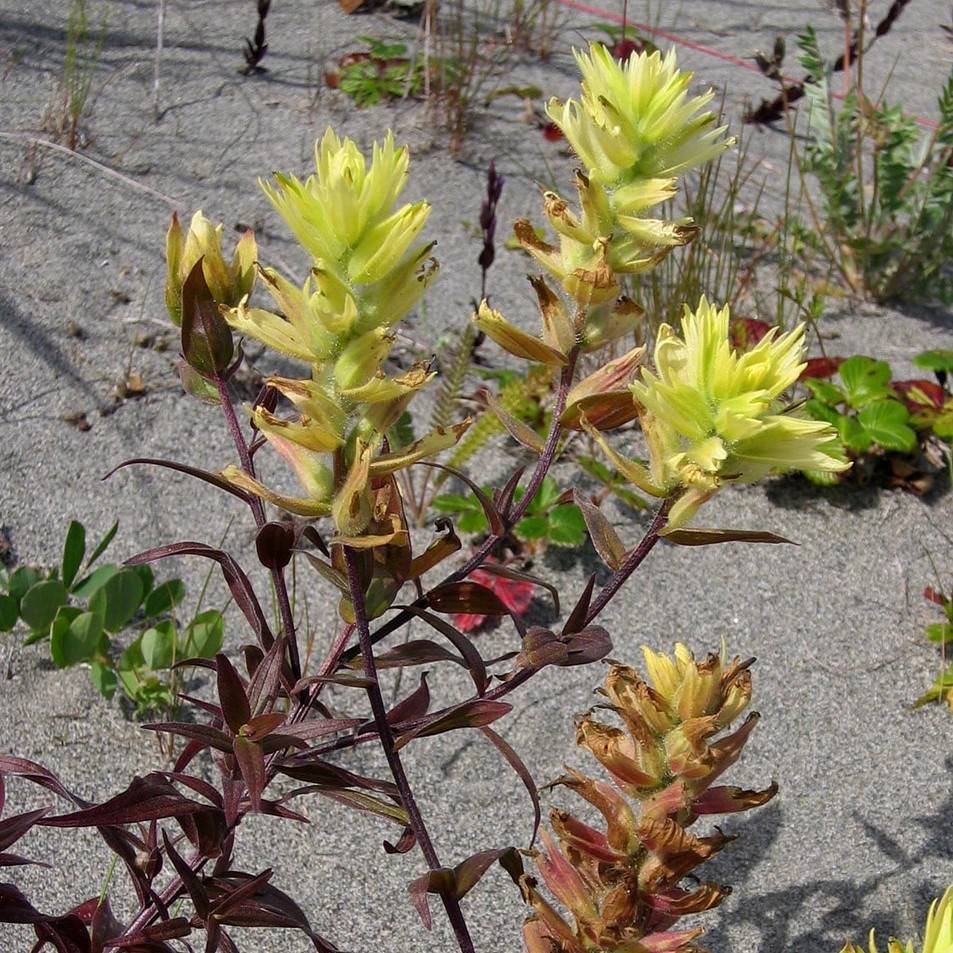
Alaska Indian Paintbrush
Castilleja unalaschcensis
Overview
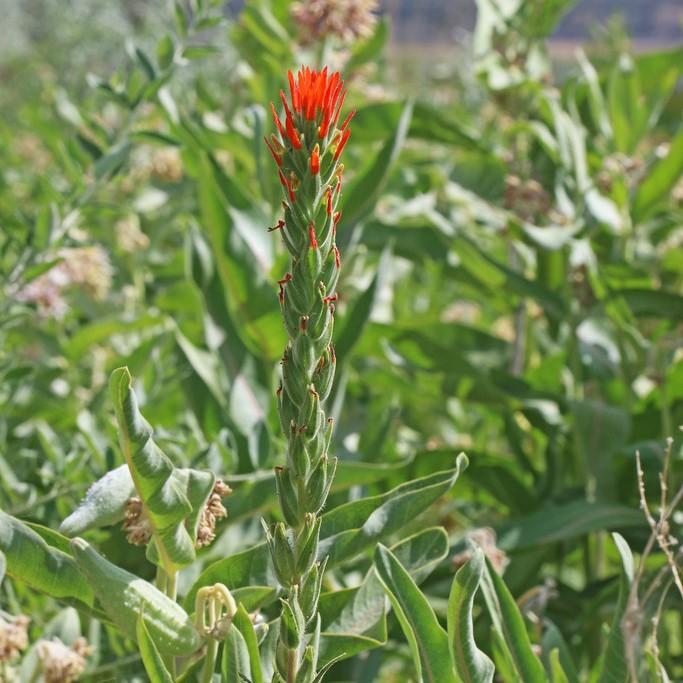
Alaska Indian Paintbrush is a hemiparasitic plant that obtains partial nutrients by attaching its roots to the roots of nearby host species, most commonly grasses and other native perennials. Its true flowers are small, green, and inconspicuous, nestled within showy, densely clustered red, orange, or occasionally yellow bracts that give the plant its distinctive name. It thrives in open, sunny coastal habitats, meadows, and subalpine slopes, where it supports native pollinators including bumblebees and hummingbirds.
Care Guide
Watering
Prefers consistently moist, well-drained soil that does not become waterlogged; water regularly during dry periods, reducing frequency in winter when the plant is dormant. Avoid overwatering, as saturated soil can cause root rot, especially when the plant is not actively growing. Because it relies on host plants, ensure companion plants have similar water needs to support both species.
Light
Requires full sun, meaning at least 6 to 8 hours of direct unfiltered sunlight per day, to produce its characteristic vibrant bracts and support healthy growth. It can tolerate very light, dappled shade for short periods, but prolonged shade will reduce flowering and cause weak, leggy growth. In its native range, it thrives in open, unshaded meadows and coastal bluffs with unobstructed sunlight exposure.
Soil
Grows best in sandy or loamy, well-drained soil with a slightly acidic to neutral pH range of 5.5 to 7.0, mimicking its native coastal and subalpine habitats. Heavy clay soils that retain excess moisture are unsuitable, as they can lead to root rot and prevent the plant from establishing root connections with host species. Amending dense soil with coarse sand or organic compost can improve drainage and create a more suitable growing medium.
Fertilizer
Requires very little supplemental fertilization, as excess nitrogen can inhibit its ability to form parasitic root connections with host plants and reduce bract color intensity. If grown in nutrient-poor soil, apply a diluted, low-nitrogen, slow-release fertilizer once in early spring at half the recommended strength to support new growth. Avoid high-nitrogen fertilizers entirely, as they prioritize foliage growth over flowering and can disrupt the plant’s symbiotic relationship with host species.
Temperature
Adapted to cool northern climates, it tolerates temperatures as low as -40°F (-40°C) in its native range, making it extremely cold hardy for USDA hardiness zones 3 through 7. It prefers cool summer temperatures between 50°F and 75°F (10°C to 24°C) and struggles in prolonged heat above 85°F (29°C), which can cause wilting and reduce flowering. In regions with hot summers, it requires additional shade and moisture to survive extended high temperature periods.
Pruning
Minimal pruning is required; remove spent flower stalks after blooming finishes in late summer to encourage tidier growth and prevent unwanted self-seeding if desired. Cut back dead foliage to the ground in late fall or early spring before new growth emerges to make space for fresh shoots and reduce the risk of fungal diseases overwintering in decaying plant material. Avoid pruning healthy green foliage during the growing season, as this reduces the plant’s ability to photosynthesize and support itself alongside its host.
Propagation
Most commonly propagated from seed, which requires a 30 to 60 day cold stratification period to break dormancy, mimicking the cold winter conditions of its native range. Sow seeds directly outdoors in late fall or early spring, near compatible host plants such as native grasses, so seedlings can form root connections soon after germination. Vegetative propagation from stem cuttings is rarely successful, as the cuttings struggle to form the necessary parasitic root connections to survive long-term.
Humidity
Prefers moderate to high humidity levels between 40% and 70%, typical of its native coastal and subalpine habitats, and tolerates regular exposure to coastal winds and salt spray. It can adapt to average indoor humidity levels if grown as a potted specimen, but dry air below 30% may cause leaf browning and reduced flowering. Misting is not required if the plant is grown in sufficiently moist soil and placed in an area with natural ambient humidity.
Repotting
Rarely needs repotting, as it forms delicate root connections with host plants that can be easily damaged during transplanting. If growing in a container, use a large pot to accommodate both the paintbrush and its companion host plants, and only repot when roots are visibly emerging from the drainage holes, ideally during late dormancy in early spring. Avoid disturbing the root ball as much as possible when repotting to preserve existing parasitic connections and reduce transplant shock.
Uses & Symbolism
Primarily valued as an ornamental wildflower for native pollinator gardens, meadow restoration projects, and coastal landscaping, where its bright bracts add bold seasonal color and support bumblebees, hummingbirds, and other native pollinators. It is also used in ecological restoration efforts to stabilize coastal slopes and support intact native plant communities in its native range. Indigenous communities in Alaska and the Pacific Northwest have historically used parts of the plant for medicinal purposes, though consumption is not recommended without expert guidance due to the presence of low levels of selenium in some specimens.
Diseases & Pests
Alaska Indian Paintbrush is relatively disease resistant when grown in its preferred conditions, but can be susceptible to root rot in poorly drained, waterlogged soil, which can kill the plant quickly if not addressed. Common pests include aphids and spider mites, which feed on tender new growth, though infestations are rare and usually mild, and can be controlled with insecticidal soap or by encouraging natural predators such as lady beetles. Fungal leaf spots may occur in overly humid, poorly ventilated conditions, and can be managed by removing affected foliage and ensuring the plant has adequate air circulation around its leaves.
Related plants
Other plants you might like if you grow Alaska Indian Paintbrush.
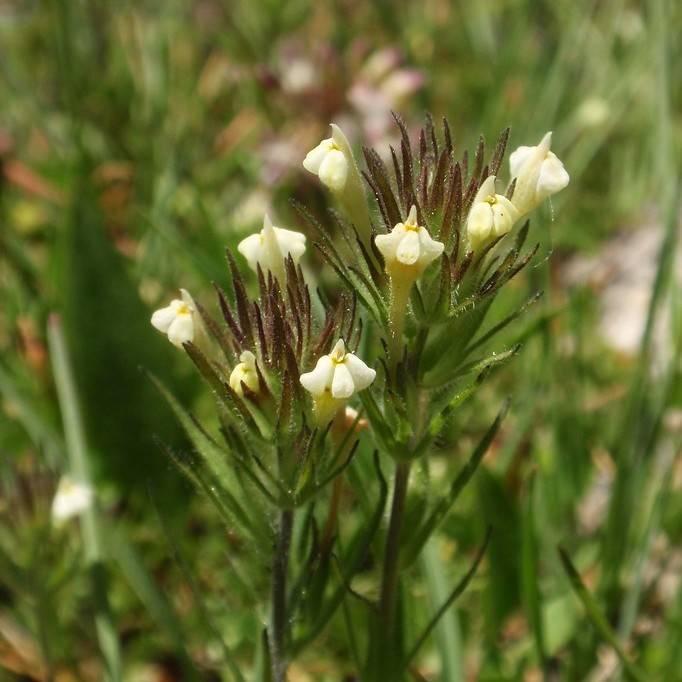
Hairy Owl's Clover
Castilleja tenuis
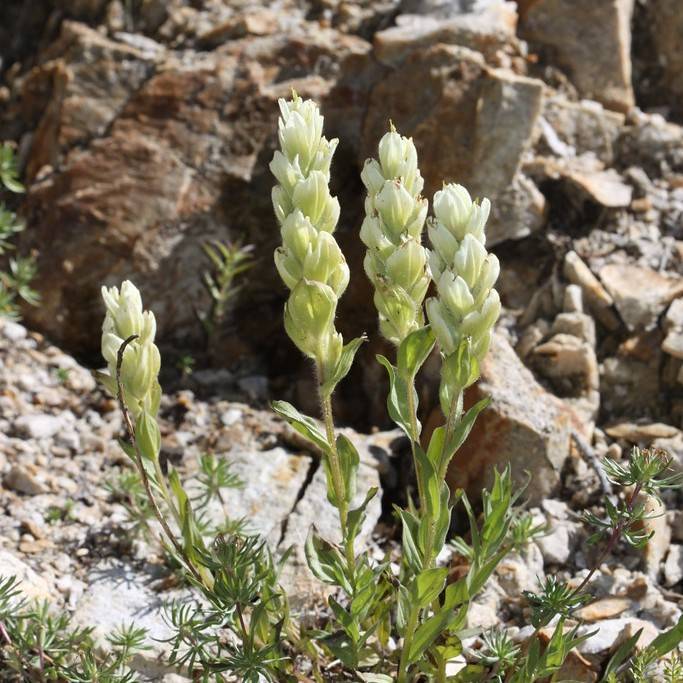
Labrador Indian Paintbrush
Castilleja septentrionalis
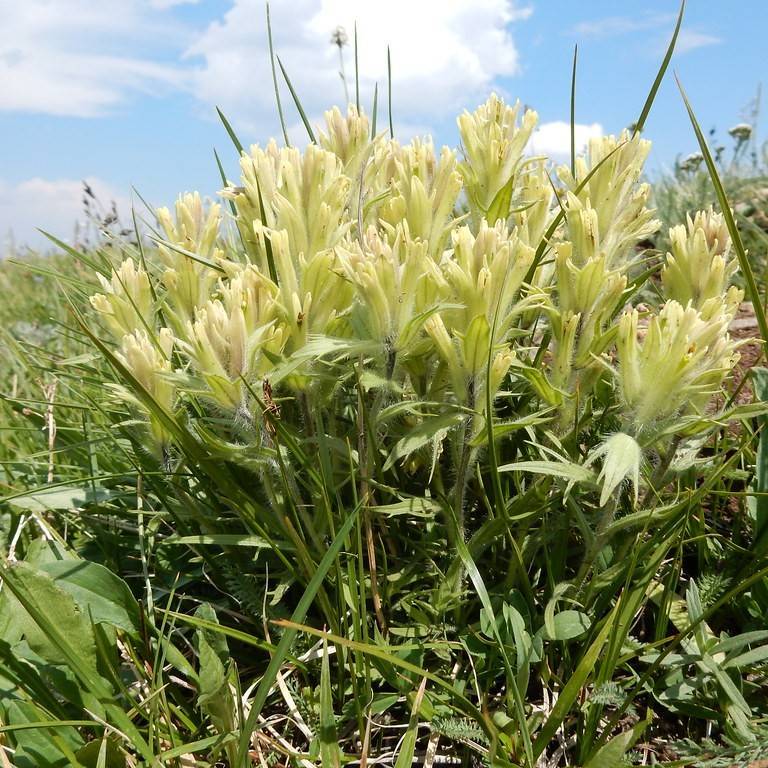
Cusick's Indian Paintbrush
Castilleja cusickii
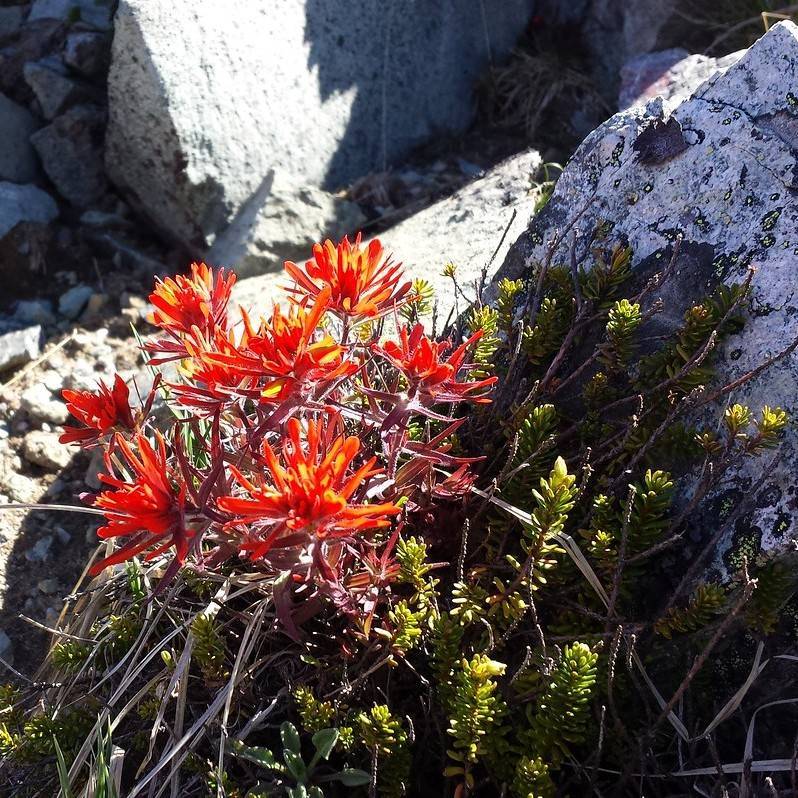
Cliff Paintbrush
Castilleja rupicola
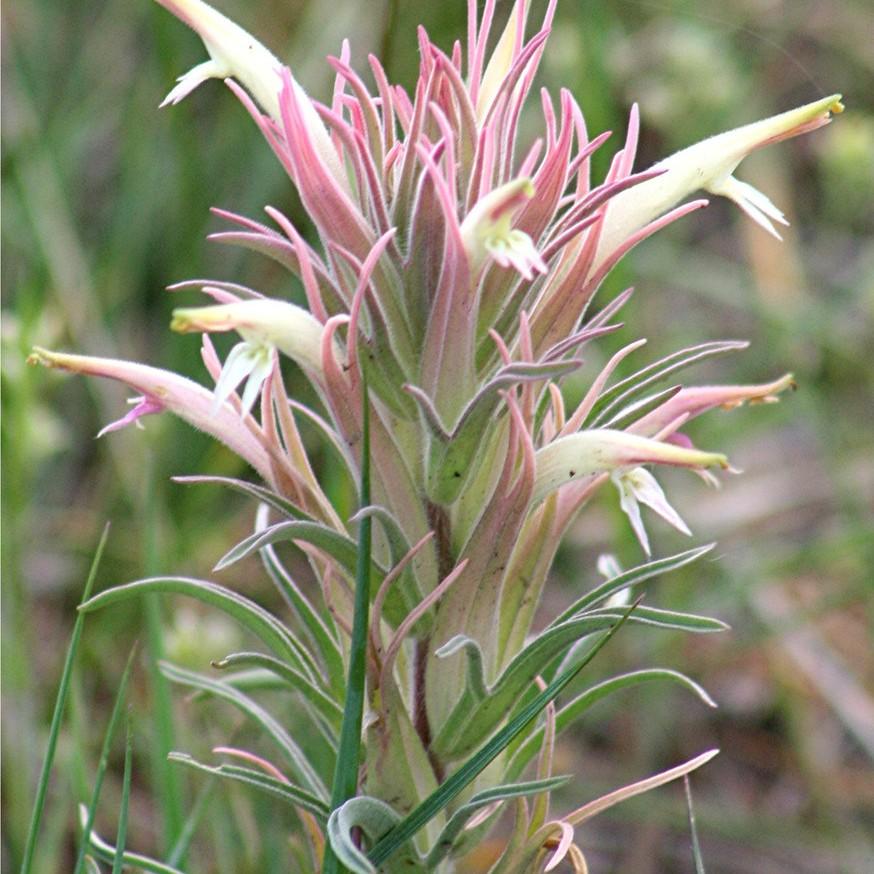
Downy Paintbrush
Castilleja sessiliflora
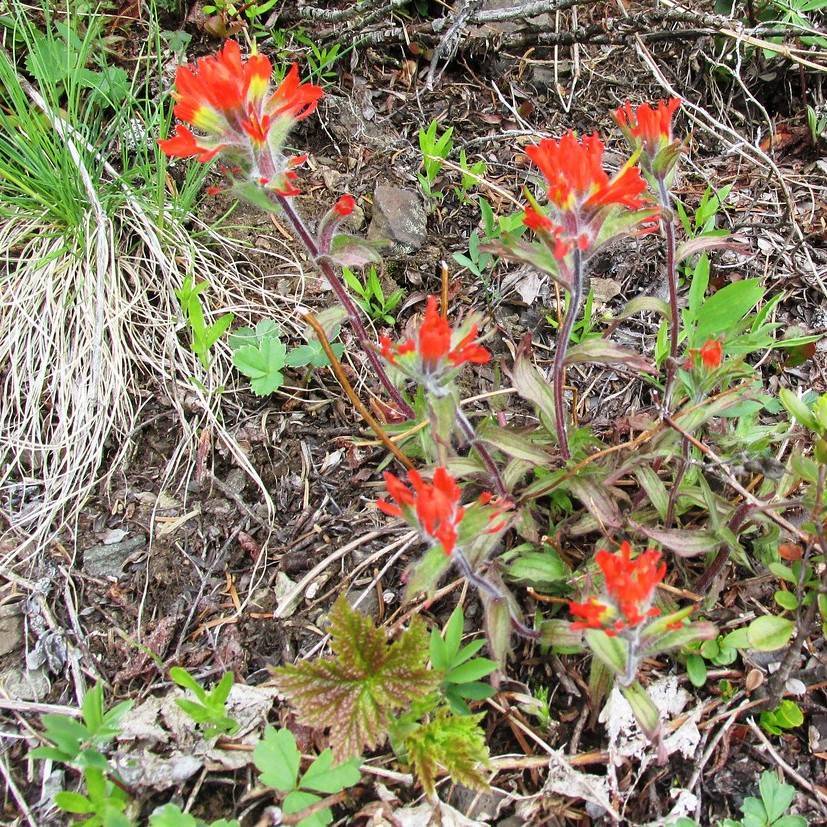
Harsh Paintbrush
Castilleja hispida
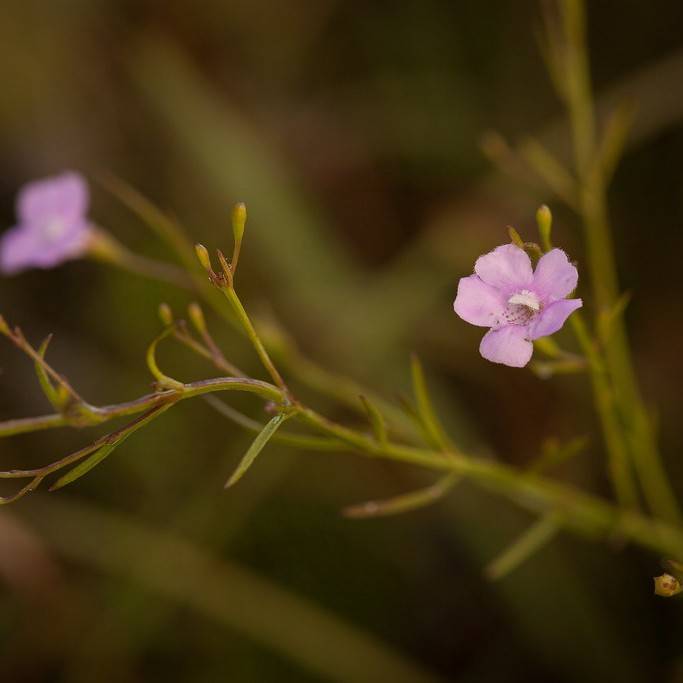
Gattinger's Agalinis
Agalinis gattingeri
Annual Paintbrush
Castilleja indivisa