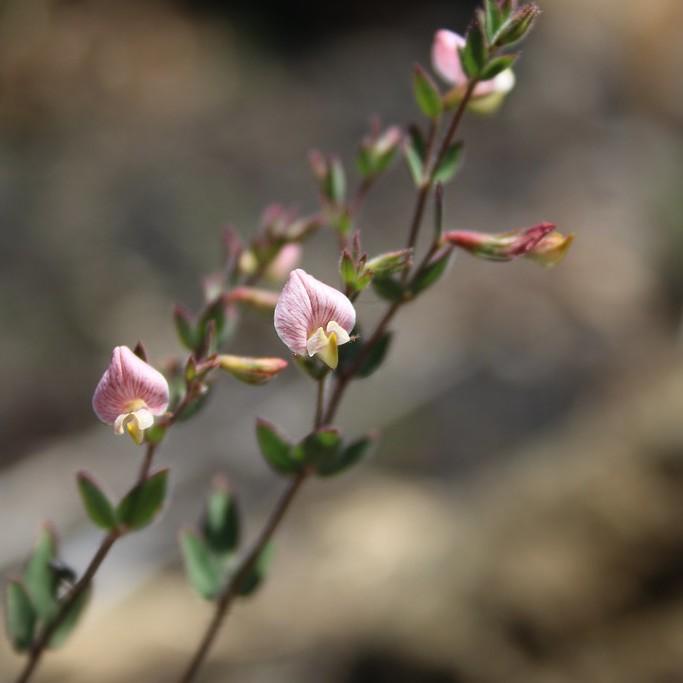
American Bird's Foot Trefoil
Acmispon americanus
Overview
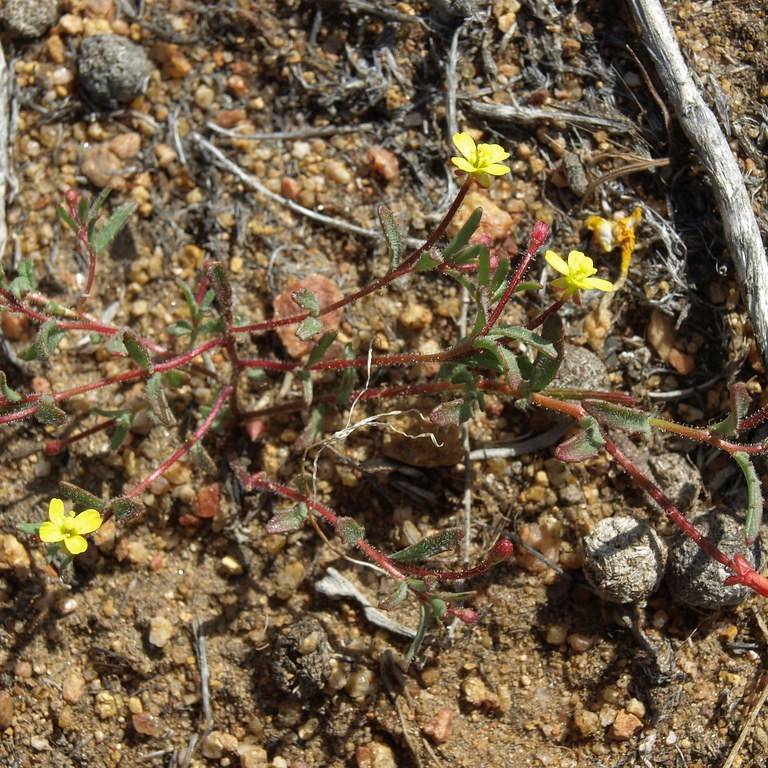
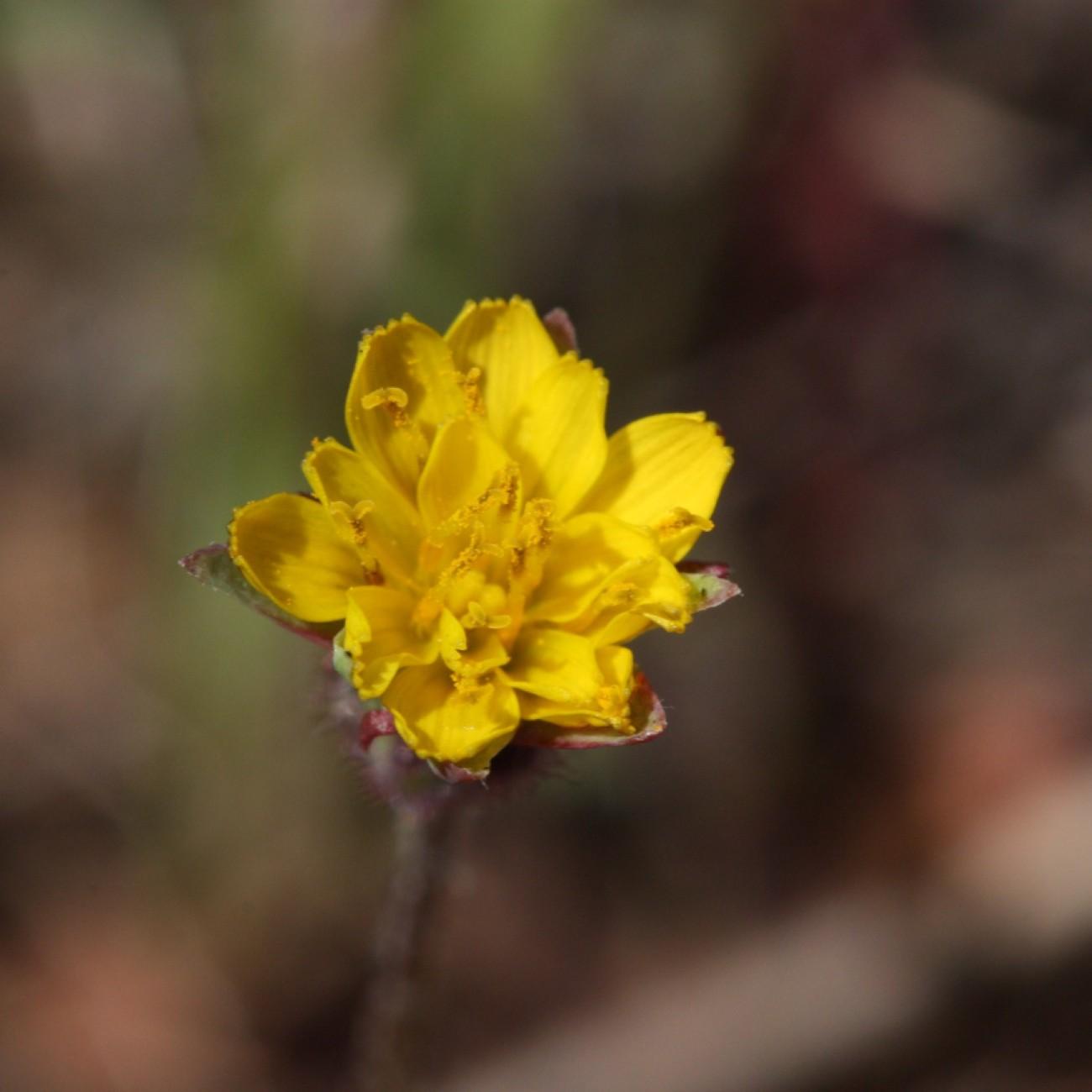
American Bird's Foot Trefoil is a small, sprawling annual herb native to open, sunny habitats including grasslands, meadows, roadsides, and disturbed sites across western North America. Its common name refers to its clustered, elongated seed pods that resemble a bird’s foot, paired with small, trifoliate leaves typical of legume species. The plant is a valuable component of native pollinator gardens, providing nectar for bees, butterflies, and other beneficial insects, while its nitrogen-fixing root nodules improve soil fertility for neighboring plants.
Care Guide
Watering
American Bird's Foot Trefoil is highly drought-tolerant once established, requiring only occasional supplemental water during extended periods of extreme heat or dryness. Overwatering can lead to root rot, so allow the top 2-3 inches of soil to dry out completely between waterings, and avoid saturating the root zone for prolonged periods. In its native range, it often survives on natural rainfall alone, making it ideal for low-water or xeriscape plantings.
Light
This species thrives in full, direct sunlight, requiring a minimum of 6 hours of unobstructed sun per day to produce abundant blooms and healthy foliage. It can tolerate very light, dappled shade, but growth will become leggy, flowering will be reduced, and the plant may be more susceptible to pest issues in low-light conditions. For indoor cultivation (rare for this wildflower), position it near a south-facing window or supplement with grow lights to meet its high light needs.
Soil
American Bird's Foot Trefoil adapts well to a wide range of soil types, including sandy, loamy, clay, and poor, nutrient-depleted soils, as long as the site is well-draining. It tolerates a broad pH range from slightly acidic to slightly alkaline, and its nitrogen-fixing root symbiosis with Rhizobium bacteria allows it to thrive in low-nutrient soils where other plants struggle. Avoid heavy, waterlogged soils, as these can cause rapid root rot and plant death.
Fertilizer
Fertilization is generally unnecessary for this species, as it fixes its own nitrogen from the atmosphere via root nodules, making it self-sufficient even in low-nutrient soils. If grown in extremely poor, sandy soil with no organic matter, a single light application of a balanced, slow-release fertilizer in early spring can support initial growth, but avoid high-nitrogen fertilizers, which will reduce nitrogen fixation and promote excessive leaf growth over flowering. Over-fertilization will lead to weak, leggy growth and reduced seed production.
Temperature
This species is well-adapted to temperate and semi-arid climates, tolerating summer temperatures up to 100°F (38°C) and light winter frosts down to 25°F (-4°C) before dying back, as it is an annual that completes its life cycle in a single growing season. It germinates best when soil temperatures are between 55-70°F (13-21°C) in early spring, and can survive short periods of unseasonable cold if protected from heavy frost. It is not suited to tropical or extremely cold climates where temperatures remain below freezing for extended periods in the growing season.
Pruning
Pruning is rarely required for American Bird's Foot Trefoil, as its low, sprawling growth habit naturally stays compact in sunny, well-drained sites. If plants become leggy or overgrown mid-season, you can trim back up to one-third of the foliage to encourage bushier new growth and additional flowering. After the plant finishes blooming and sets seed, you can pull up and discard the dead annual growth, or leave seed pods in place to allow self-seeding for the following growing season.
Propagation
American Bird's Foot Trefoil is most easily propagated from seed, which can be sown directly outdoors in early spring after the last frost date, or started indoors 4-6 weeks before the last expected frost for earlier blooms. Seeds have a hard outer coat, so scarification (scratching the seed surface with sandpaper or soaking in warm water for 12-24 hours prior to sowing) will significantly improve germination rates by allowing water to penetrate the seed coat. The plant also self-seeds readily in suitable growing conditions, with new seedlings emerging spontaneously each spring without intervention, and it does not propagate well from cuttings.
Humidity
This species tolerates a wide range of humidity levels, from the dry air of semi-arid grasslands to the moderate humidity of coastal regions, with no special humidity requirements. It does not thrive in high-humidity, poorly ventilated environments, where prolonged moisture on foliage can lead to fungal diseases like powdery mildew. Ensure good air circulation around plants if grown in areas with consistently high humidity to reduce disease risk.
Repotting
As an annual wildflower, American Bird's Foot Trefoil is rarely grown in containers, so repotting is almost never required. If grown in a pot for a single growing season, select a container with drainage holes at planting time, and it will not need to be repotted before it completes its life cycle. If you wish to grow it in containers annually, sow fresh seeds in new, well-draining potting mix each spring to avoid soil compaction and disease buildup.
Uses & Symbolism
American Bird's Foot Trefoil is a popular addition to native wildflower mixes, pollinator gardens, and xeriscapes, as it supports a wide range of native bees, butterflies, and beneficial insects, while its drought tolerance reduces landscape water needs. It is also used for erosion control and habitat restoration on disturbed sites such as roadsides and post-fire recovery areas, as its nitrogen-fixing roots improve soil health and stabilize bare soil. While it is toxic to livestock in large quantities, it is occasionally used in low concentrations in native pasture mixes for range lands, as it provides some forage value when consumed in small amounts.
Diseases & Pests
American Bird's Foot Trefoil is relatively pest and disease resistant, but can be susceptible to fungal diseases including powdery mildew and root rot in poorly drained, overly moist soils or high-humidity conditions with poor air circulation. Aphids and spider mites may occasionally infest new growth, particularly on plants grown in overly shaded or nutrient-rich sites, but these can be controlled with insecticidal soap or neem oil, or by encouraging natural predators like lady beetles. Overwatering and dense plantings are the most common causes of health issues, so proper spacing, well-draining soil, and minimal supplemental water will prevent most problems.
Guides that mention American Bird's Foot Trefoil
Related plants
Other plants you might like if you grow American Bird's Foot Trefoil.