Hairy Grama
Bouteloua hirsuta
Overview
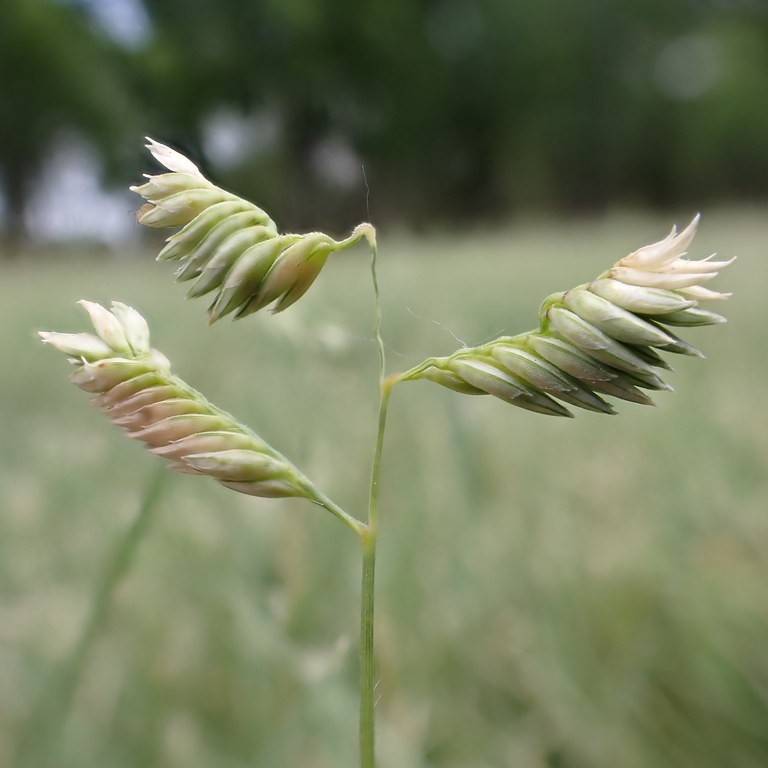
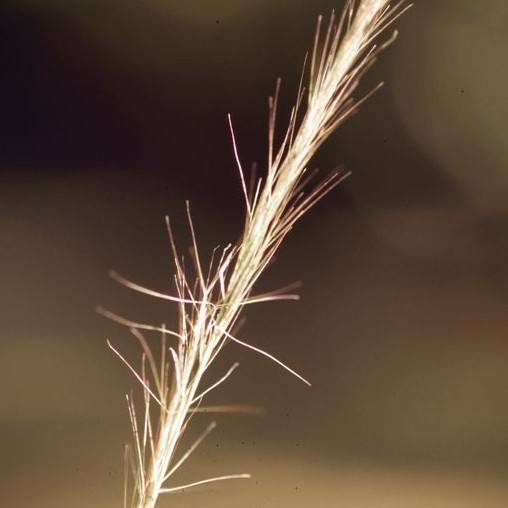
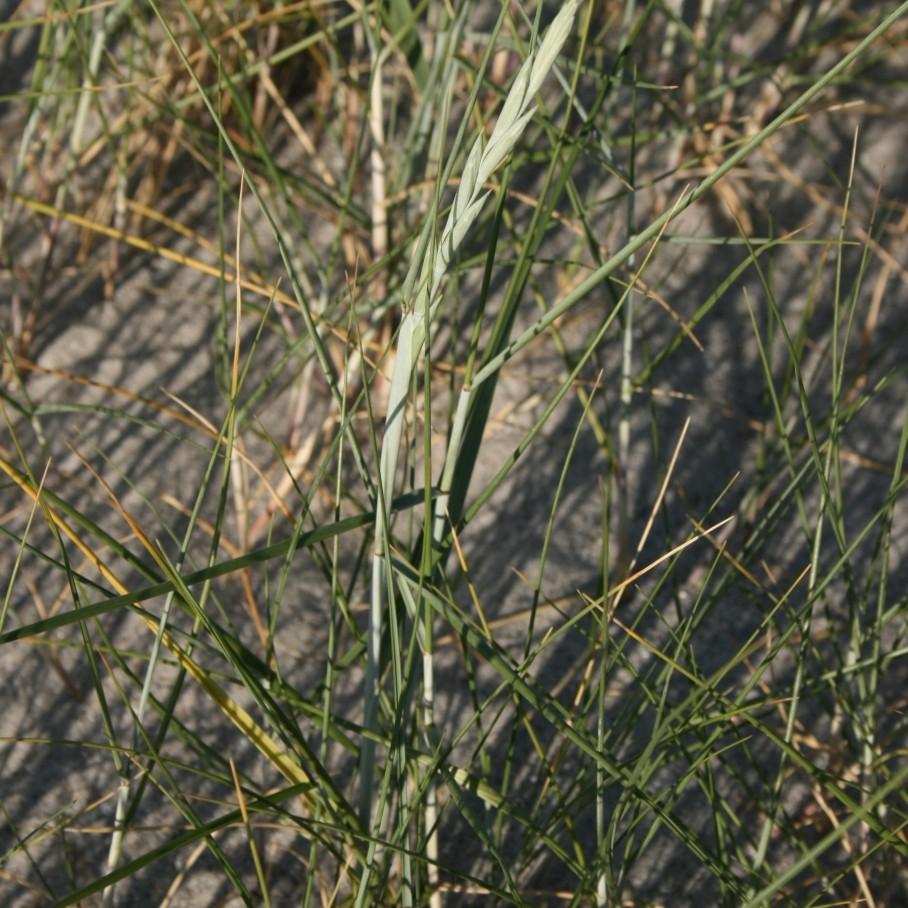
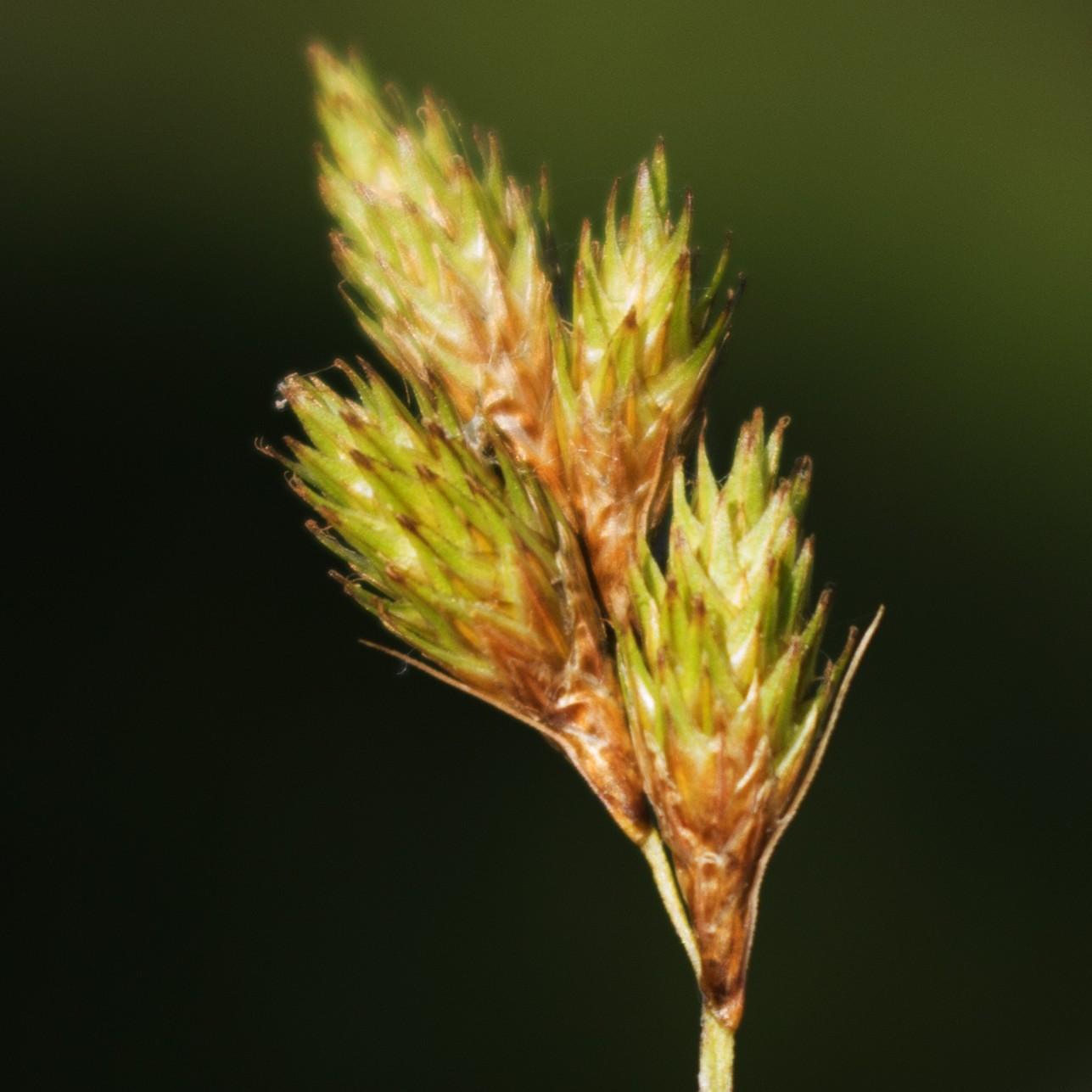
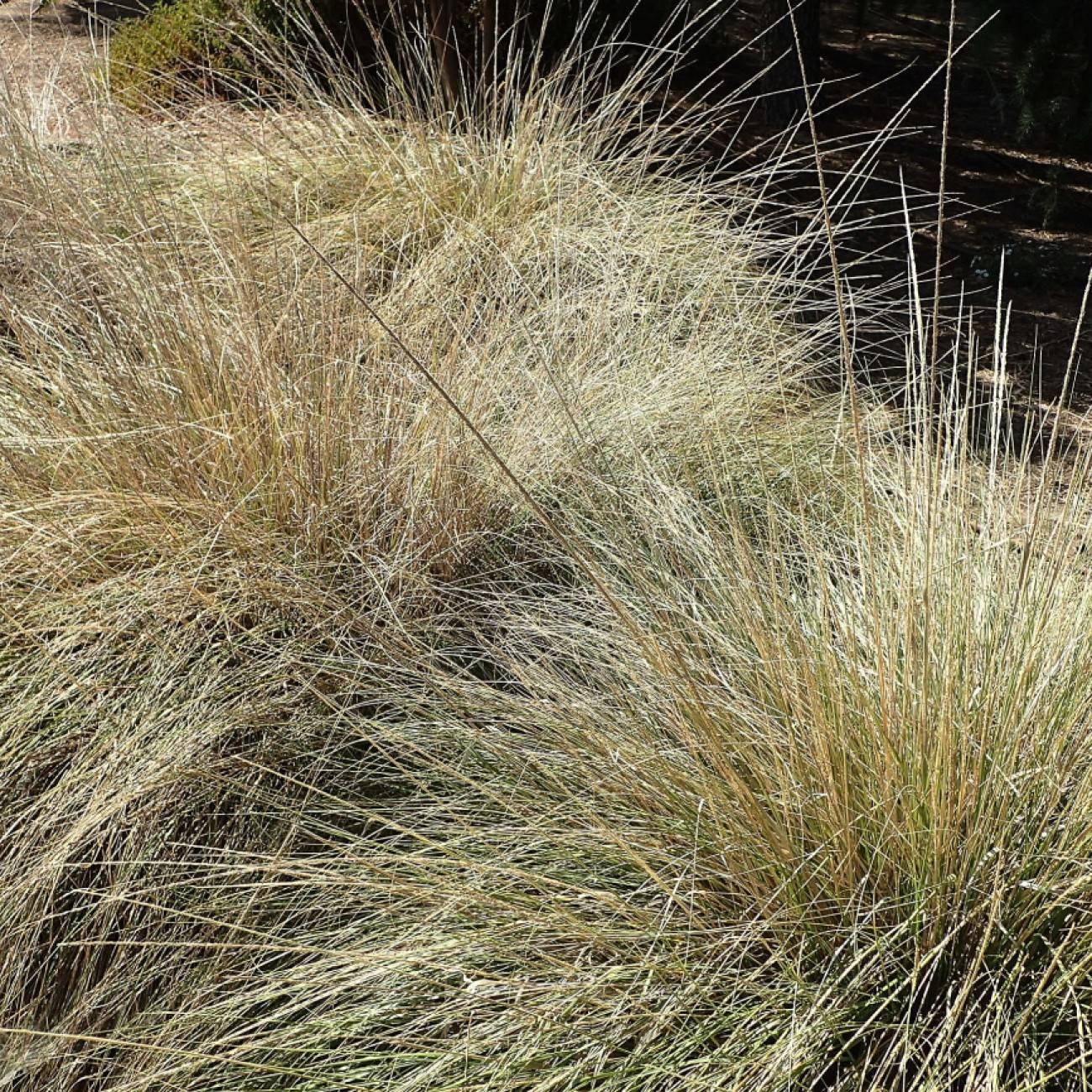
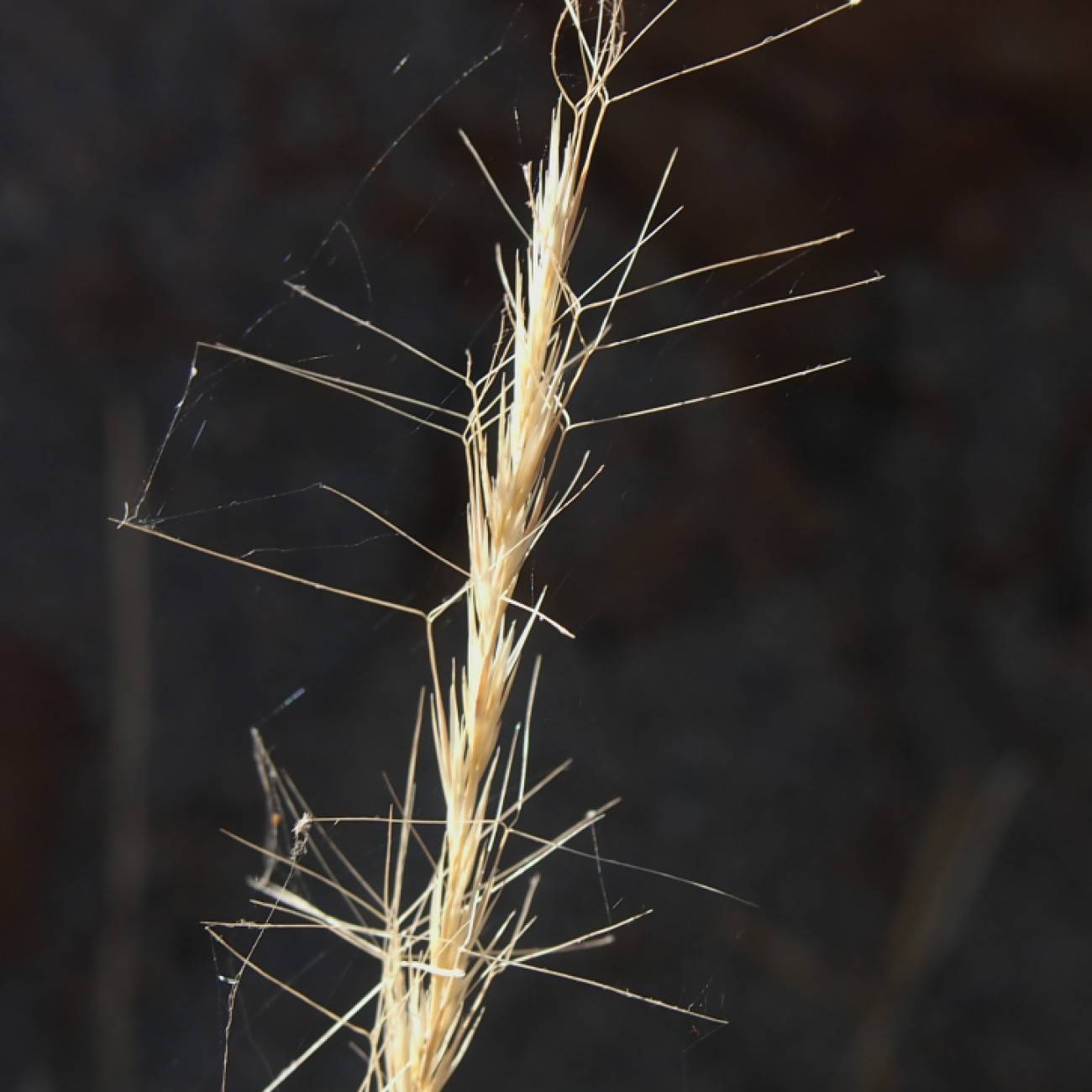
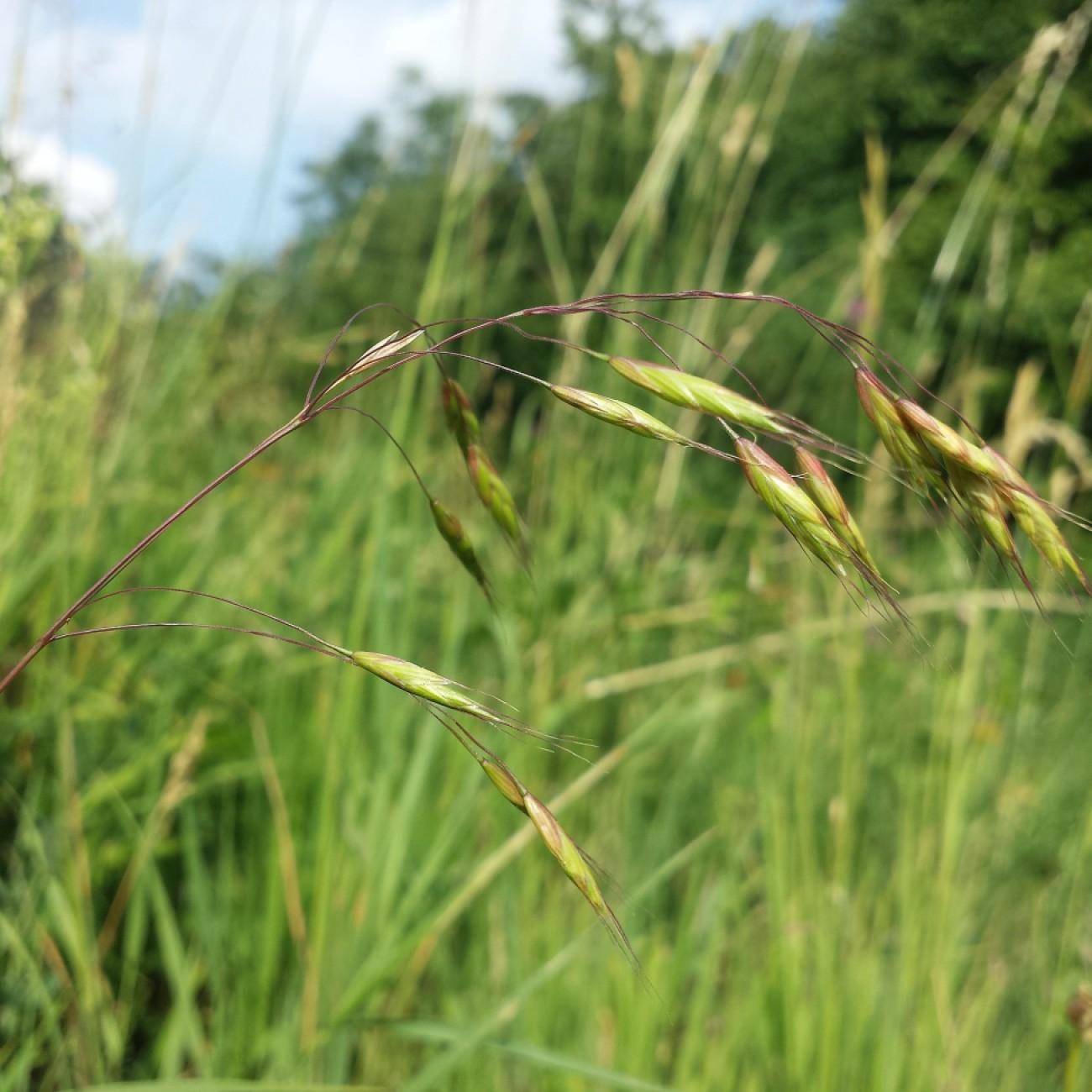
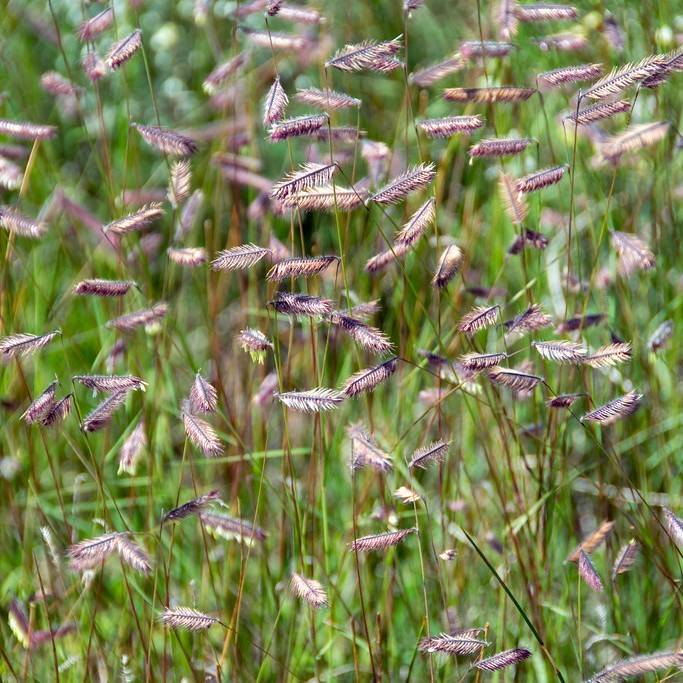
Hairy Grama is a warm-season perennial bunchgrass native to North America’s dry prairie ecosystems, valued for its extreme drought tolerance and adaptability to poor, rocky soils. It produces distinctive fuzzy, curved, comb-like seed heads that mature to a golden tan in late summer, adding textural interest to naturalistic plantings. As a keystone prairie species, it supports a wide range of native pollinators and grassland wildlife, including grazing mammals and seed-eating birds.
Care Guide
Watering
Hairy Grama thrives in dry conditions and requires minimal supplemental watering once established, only needing irrigation during extended periods of severe drought. Overwatering or poorly drained soil will lead to root rot, so allow the soil to dry out completely between waterings for potted or landscape specimens. Newly planted seedlings need light, regular watering for the first 2-3 months to support root development before transitioning to dry conditions.
Light
This grass requires full, direct sun for at least 6 hours per day to maintain healthy growth and abundant seed head production. It will not tolerate shaded conditions, which lead to sparse, leggy growth and reduced vigor. Plant in open, unobstructed locations for best performance.
Soil
Hairy Grama adapts to a wide range of soil types, including sandy, rocky, loam, and clay soils, as long as drainage is excellent. It prefers neutral to slightly alkaline pH levels and thrives in low-fertility soils where many other landscape plants struggle. Avoid heavy, waterlogged soils that hold moisture for extended periods.
Fertilizer
This species is adapted to low-nutrient prairie soils and rarely requires fertilization, which can encourage excessive, weak growth or invasive spread. If planted in extremely poor soil, a single light application of low-nitrogen, slow-release fertilizer in early spring is sufficient. Over-fertilization will reduce drought tolerance and alter its natural low-growing form.
Temperature
Hairy Grama is a warm-season grass that thrives in summer temperatures between 70-95°F (21-35°C) and is winter hardy to USDA zones 3 through 9. It goes dormant and turns tan during cold winter months, tolerating temperatures as low as -40°F (-40°C) once established. Spring growth emerges once soil temperatures consistently reach 60°F (16°C).
Pruning
Minimal pruning is required; cut back dormant foliage to 2-3 inches above the soil line in late winter or early spring before new growth emerges to remove dead material and encourage fresh, healthy growth. Avoid pruning during the active growing season, as this can reduce seed head production and stress the plant. Thinning of overcrowded clumps can be done every 3-4 years in early spring if desired.
Propagation
Hairy Grama is most easily propagated from seed, which can be sown directly on the soil surface in late fall or early spring, as it requires light to germinate. Clumps can also be divided in early spring before new growth begins, with each division containing a section of the root crown and multiple shoots to ensure successful establishment. Germination typically occurs within 10-21 days under warm, moist conditions.
Humidity
This prairie grass prefers low to moderate humidity levels between 30-60% and is highly tolerant of arid conditions. High humidity combined with excess moisture increases the risk of fungal leaf diseases, so ensure good air circulation around plants in more humid climates. It does not require any supplemental misting or humidity adjustments.
Repotting
Hairy Grama is rarely grown in containers, but if potted, repot every 2-3 years in early spring before new growth emerges, using a well-draining, sandy or loamy potting mix. Choose a container with ample drainage holes to prevent waterlogging, and avoid overpotting, as this can lead to excess soil moisture retention. Trim back any circling roots during repotting to encourage healthy root growth.
Uses & Symbolism
Hairy Grama is a popular choice for native prairie restorations, xeriscapes, roadside plantings, and low-maintenance lawn alternatives, as it requires minimal inputs and tolerates heavy foot traffic. It provides high-quality forage for livestock and wild grazing animals, and its seed heads are a food source for numerous grassland bird species and small mammals. Its distinctive, textured seed heads are also used in dried floral arrangements.
Diseases & Pests
Hairy Grama is largely pest and disease resistant when grown in its preferred dry, well-drained conditions and full sun. Overwatering or high humidity can lead to fungal issues such as leaf spot, rust, and root rot, which can be prevented by proper spacing for air circulation and avoiding overirrigation. Rarely, aphids or grasshoppers may feed on foliage, but damage is typically minor and does not require treatment in healthy established plants.
Related plants
Other plants you might like if you grow Hairy Grama.