Arrowfeather Three Awn
Aristida purpurascens
Overview
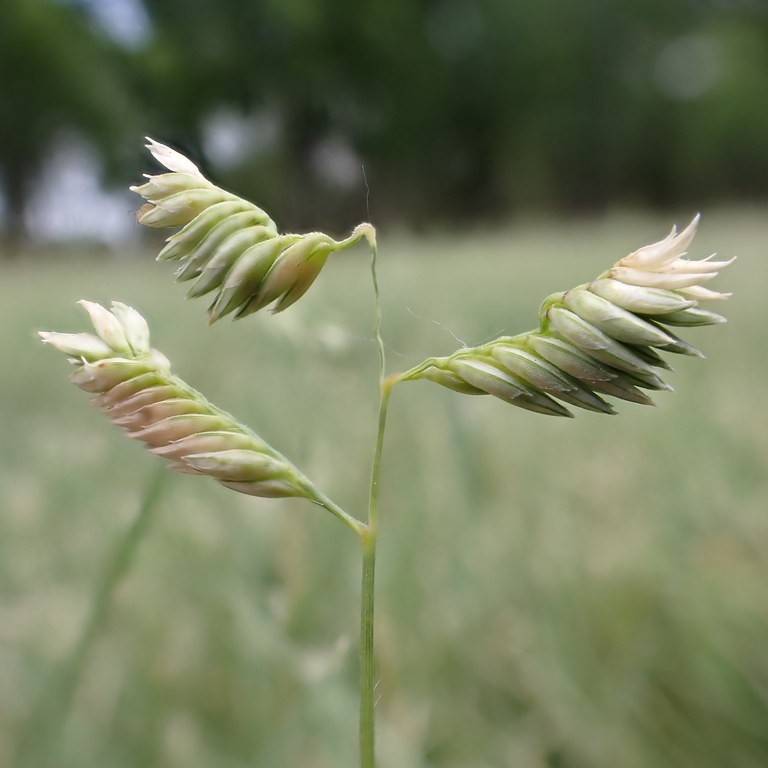
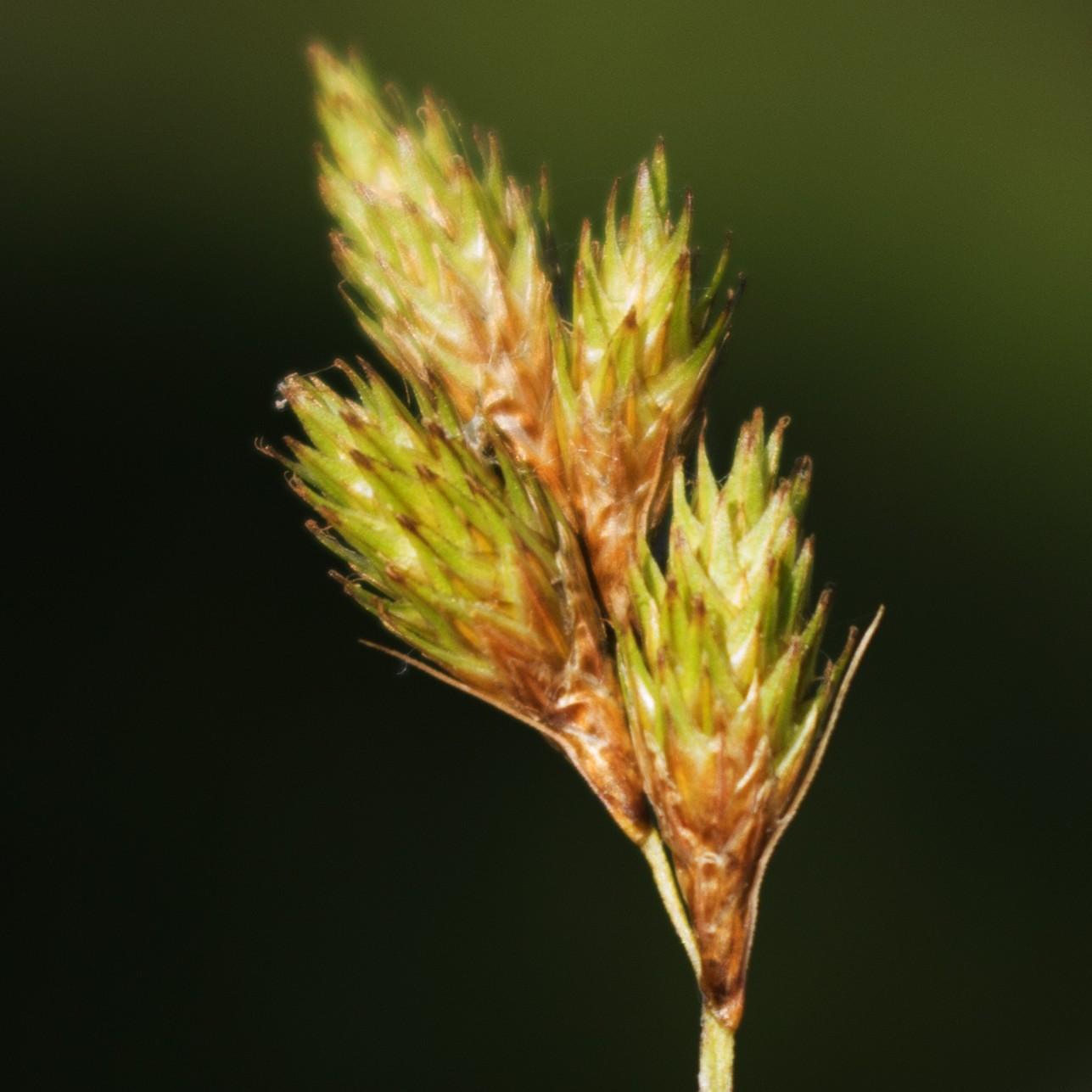
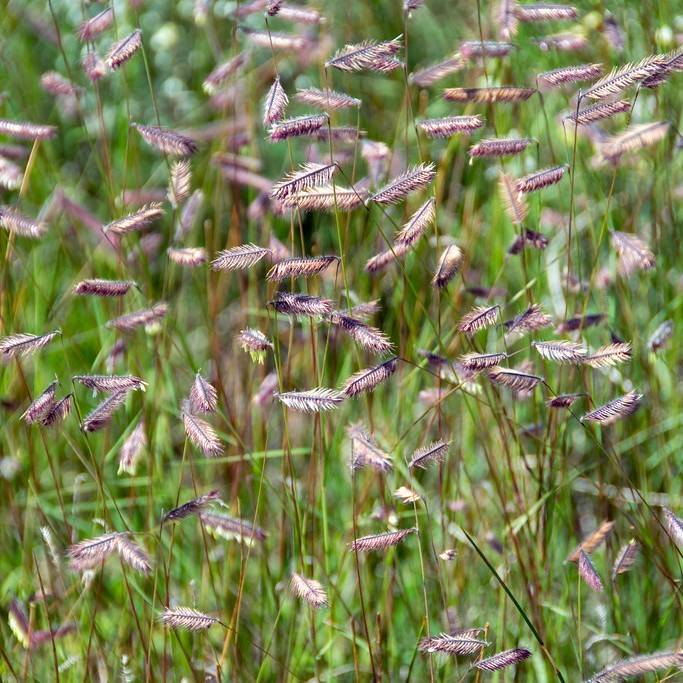
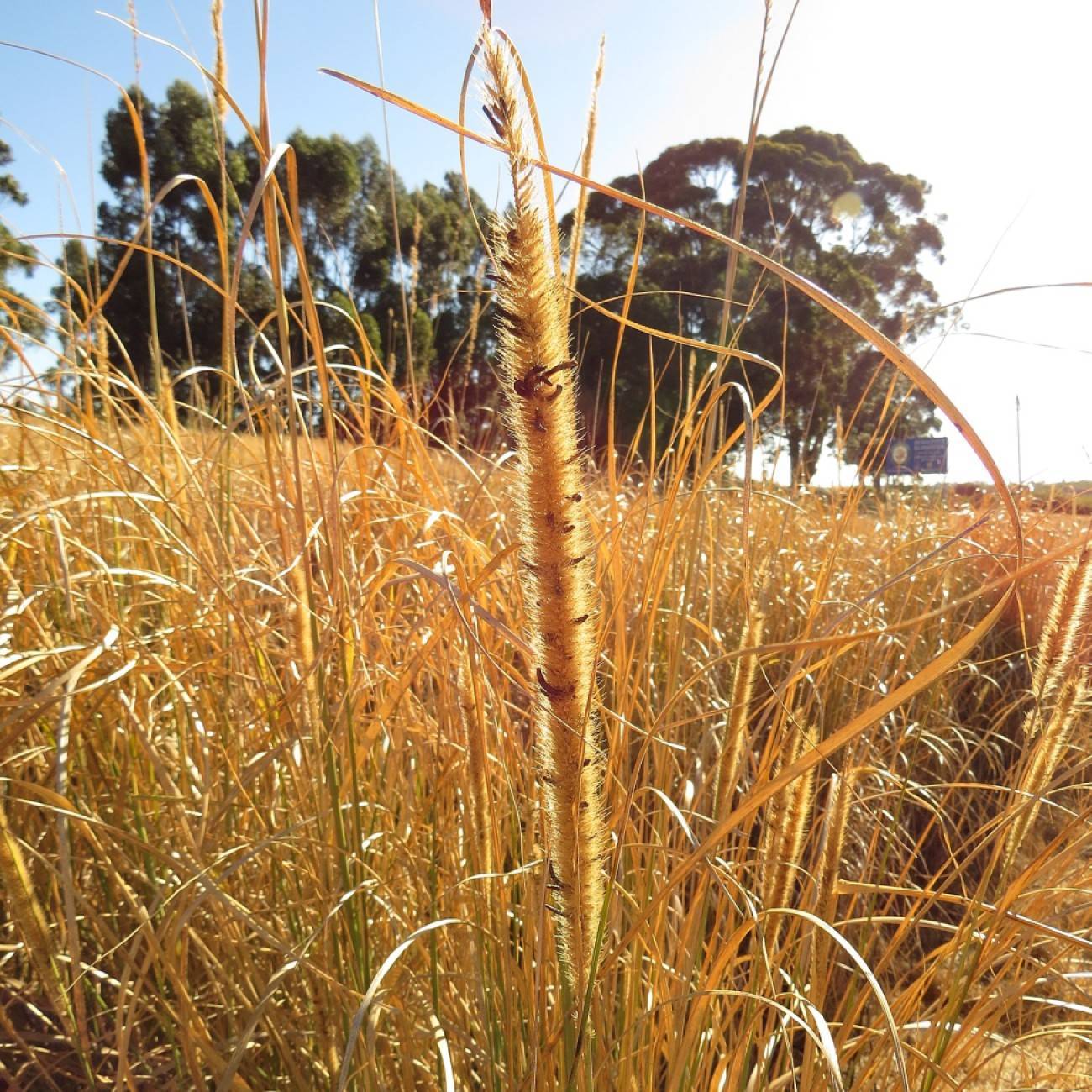
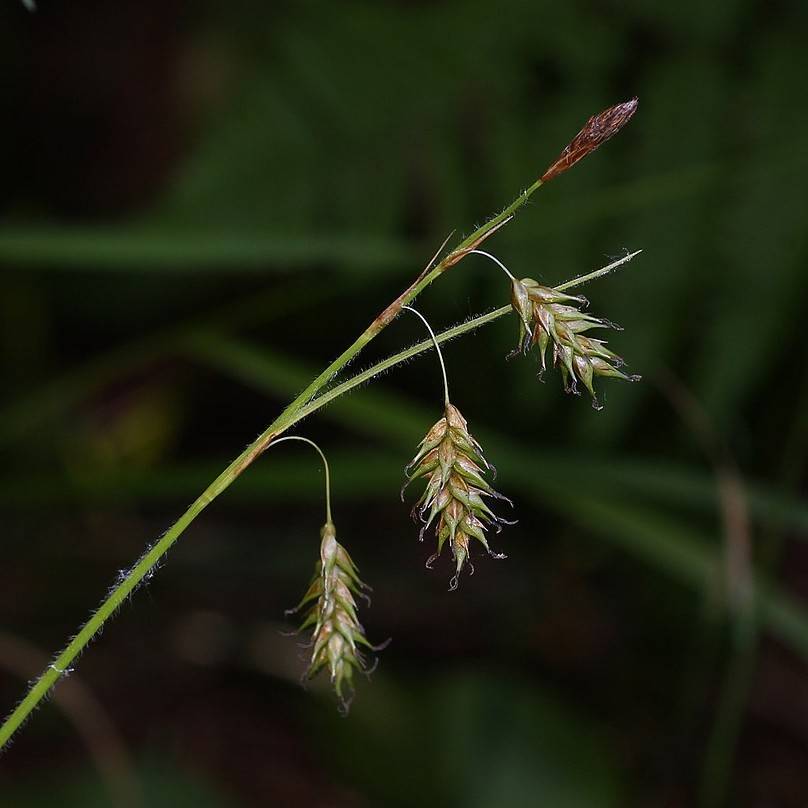
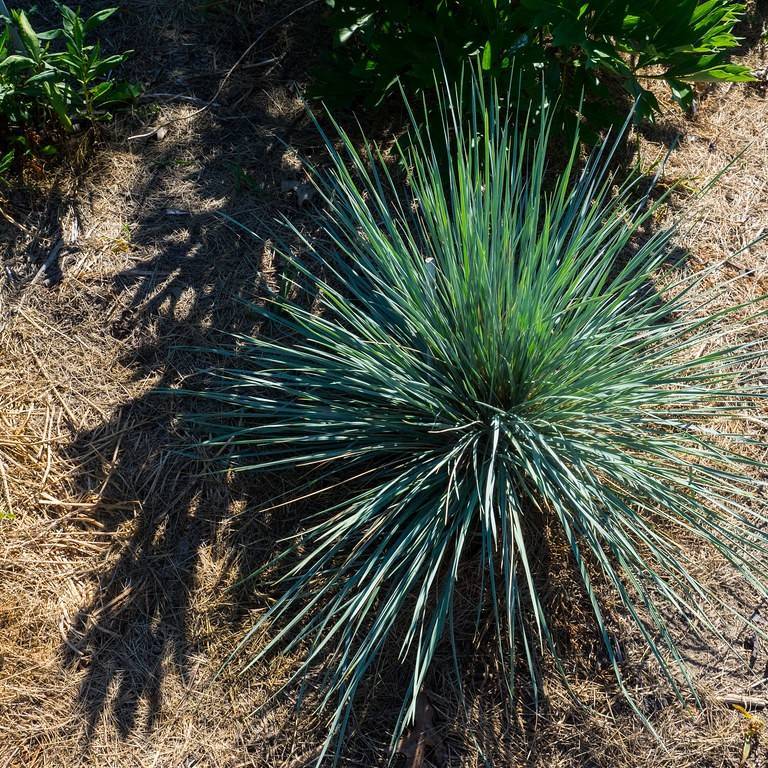
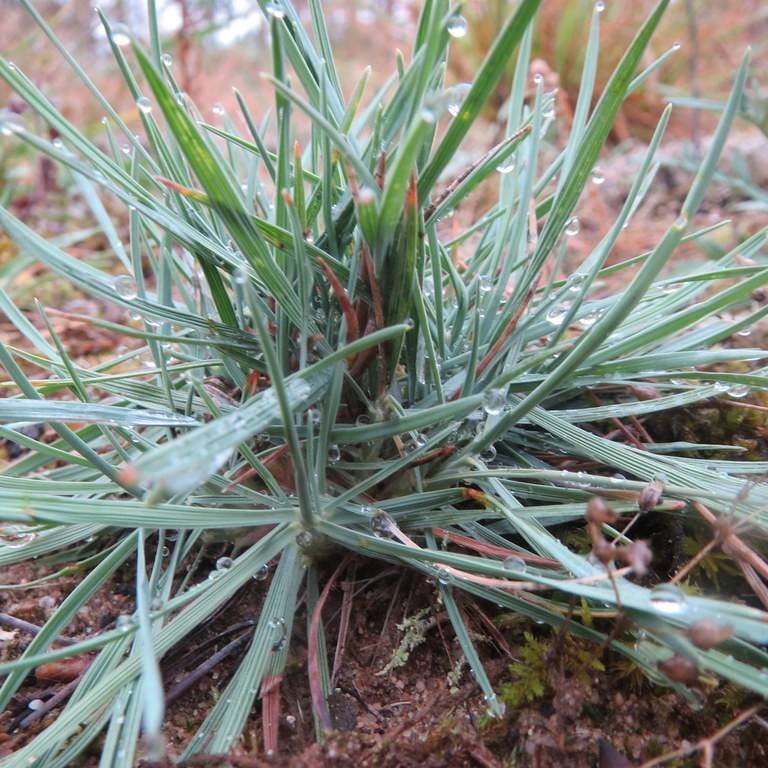
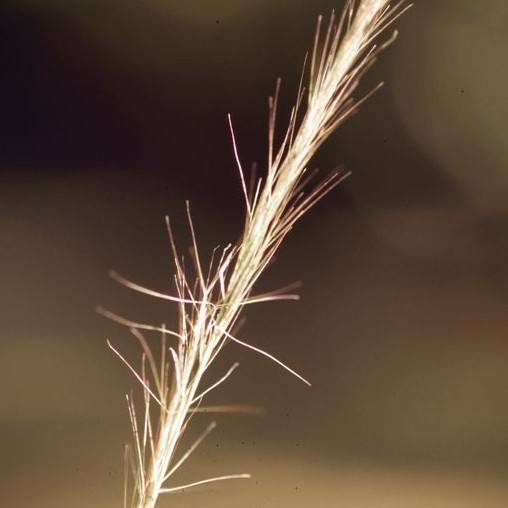
Arrowfeather three awn is a clumping warm-season grass native to prairies, open woodlands, and dry, sandy sites across eastern and central North America. Its narrow, arching green foliage develops subtle purplish tints as it matures, and in late summer it produces delicate, feathery seed heads tipped with three characteristic bristle-like awns. This drought-tolerant grass is a valuable component of native prairie restorations and low-maintenance naturalistic landscapes, providing food and shelter for small wildlife and pollinators.
Care Guide
Watering
Arrowfeather three awn is highly drought-tolerant once established, requiring only occasional deep watering during extended periods of extreme heat or no rainfall. Overwatering or prolonged soggy soil will cause root rot, so allow the top several inches of soil to dry out completely between waterings, and reduce irrigation almost entirely during the plant’s dormant winter period. Newly planted specimens need regular, light watering for the first 2-3 months to help roots establish, but can be weaned off supplemental water once they show new growth.
Light
This grass thrives in full sun, requiring a minimum of 6 hours of direct, unfiltered sunlight daily to produce the healthiest foliage and most abundant seed heads. It can tolerate very light, dappled shade for part of the day, but too much shade will cause the clumps to become sparse, leggy, and more prone to flopping over. For indoor cultivation, place it in a south-facing window or under grow lights that provide full-spectrum illumination for at least 8 hours per day.
Soil
Arrowfeather three awn prefers well-drained, sandy, loamy, or rocky soils with a slightly acidic to neutral pH range of 5.5 to 7.5. It is adapted to poor, low-nutrient soils where many other plants struggle to grow, and will not perform well in rich, heavy clay soils that retain excess moisture. When planting, amending heavy soil with coarse sand or fine gravel will improve drainage enough to support healthy root growth for this drought-adapted species.
Fertilizer
This grass is adapted to low-nutrient environments and requires very little supplemental fertilization to thrive. An annual light application of a balanced, slow-release granular fertilizer in early spring, before new growth emerges, is more than sufficient to support healthy growth for the entire growing season. Over-fertilizing will cause overly lush, weak foliage that flops over easily, and may reduce the production of its distinctive seed heads, so it is better to err on the side of under-fertilizing.
Temperature
Arrowfeather three awn is a warm-season grass that grows most actively when temperatures are between 70 and 90°F (21 and 32°C). It is cold hardy to USDA zone 5, tolerating winter temperatures as low as -20°F (-29°C), and will die back to the ground in cold climates before re-emerging in late spring once soil temperatures warm consistently above 60°F (16°C). It can tolerate high heat and humidity well, making it suitable for cultivation across most of its native North American range without extra temperature protection.
Pruning
Prune arrowfeather three awn once annually in late winter or very early spring, before new green growth begins to emerge from the base of the clump. Cut the entire clump back to 2-3 inches (5-7.5 cm) above the soil line to remove dead, brown foliage from the previous growing season and make room for fresh, new growth. You can also trim off spent seed heads in late fall if you wish to prevent self-seeding, but leaving them in place provides winter interest and food for small seed-eating birds.
Propagation
Arrowfeather three awn is most commonly propagated by seed, which can be sown directly outdoors in late fall or early spring, without requiring cold stratification to germinate. You can also propagate established clumps by division in early spring, just as new growth begins to appear: dig up the entire clump, carefully split it into smaller sections each with a healthy portion of roots and foliage, and replant the divisions at the same depth they were growing originally. Seed-grown plants will typically reach mature size and produce seed heads in their second full growing season.
Humidity
This grass is highly adaptable to a wide range of humidity levels, thriving in both dry, arid conditions and moderately humid environments common to its native range. It does not require any extra humidity to grow well, and prolonged high humidity combined with poor air circulation and soggy soil can increase the risk of fungal diseases. For indoor cultivation, normal household humidity levels between 30% and 50% are perfectly suitable, and no misting or humidifier use is necessary.
Repotting
When grown in containers, arrowfeather three awn only needs to be repotted every 2-3 years, or when you see roots growing out of the drainage holes at the bottom of the pot. Repot in early spring before new growth starts, choosing a pot only 1-2 inches larger in diameter than the current one to avoid holding excess moisture in unused soil. Use a fast-draining cactus or succulent potting mix amended with extra coarse sand to replicate the well-drained, low-nutrient soil this grass prefers.
Uses & Symbolism
Arrowfeather three awn is widely used in native prairie restorations, pollinator gardens, and xeriscaping projects due to its extreme drought tolerance and ability to thrive in poor soils. Its feathery foliage and distinctive seed heads add texture and movement to naturalistic landscape designs, and the seed heads provide food for small seed-eating birds while the clumping foliage offers shelter for beneficial insects and small wildlife. It is also occasionally grown as a low-maintenance ornamental grass in containers or rock gardens, valued for its low care requirements and seasonal color changes.
Diseases & Pests
Arrowfeather three awn is largely resistant to most common pests and diseases, with root rot being the most common issue, caused by overwatering or poorly draining soil. In conditions of prolonged high humidity and poor air circulation, it may occasionally develop minor fungal leaf spots, which can be treated by removing affected foliage and improving air flow around the plant. It is rarely bothered by insect pests, though aphids may occasionally feed on new growth, and can be easily removed with a strong spray of water or insecticidal soap if populations become large.
Related plants
Other plants you might like if you grow Arrowfeather Three Awn.