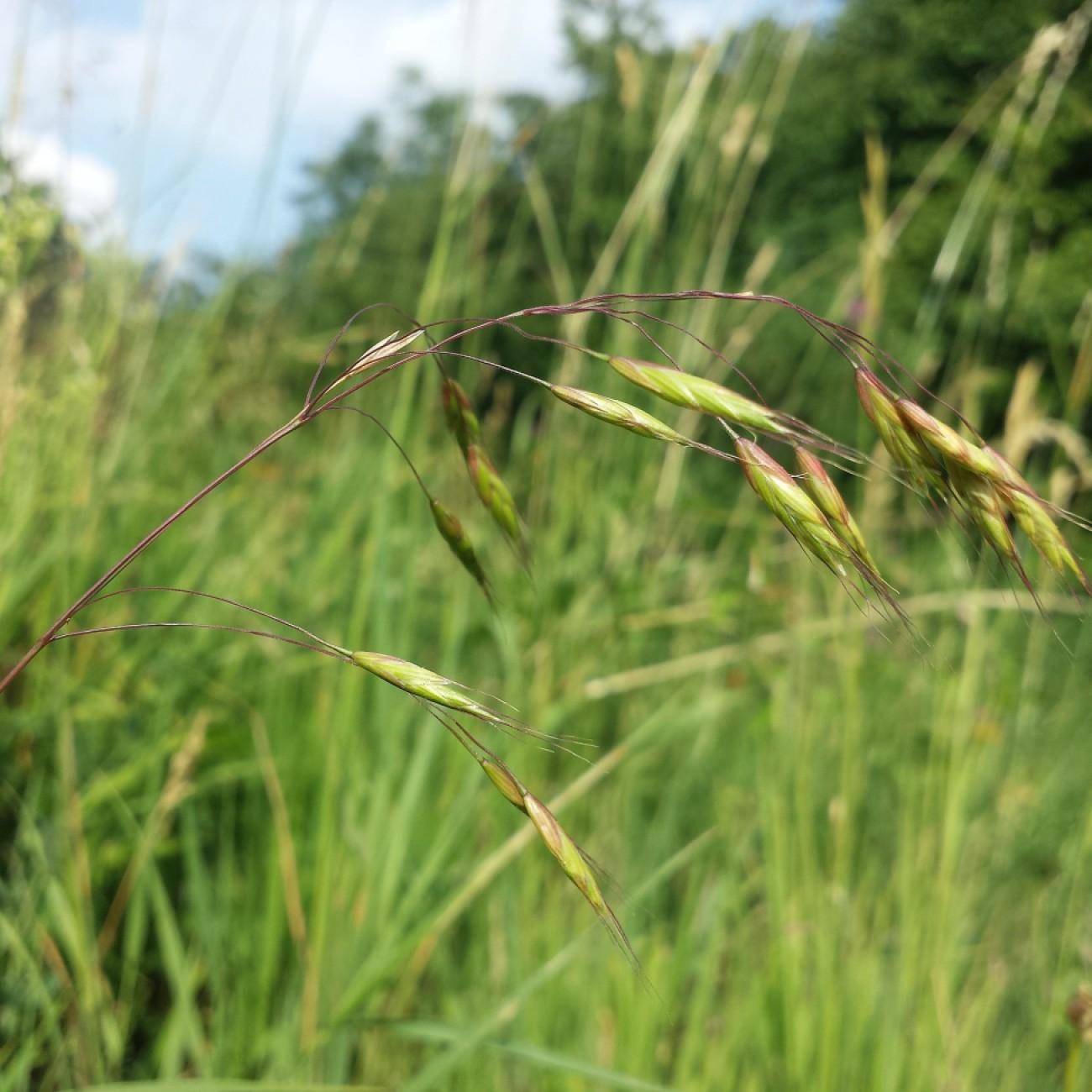
California Brome
Bromus carinatus
Overview
California Brome is a widely adapted cool-season bunchgrass that forms dense, clumping tufts of slender green foliage. It is a keystone species in many prairie, chaparral, and oak woodland ecosystems across its native range, providing critical cover and food for local wildlife. It tolerates a wide range of site conditions, making it a popular choice for low-maintenance landscaping and ecological restoration projects.
Care Guide
Watering
California Brome is drought-tolerant once established, requiring only occasional deep watering during prolonged dry periods; overwatering can lead to root rot. Young plants need regular, light watering to support root establishment until they are fully acclimated to their growing site. In regions with regular winter rainfall, supplemental irrigation is rarely needed outside of summer dry spells.
Light
This grass thrives in full sun, requiring at least six hours of direct sunlight daily for optimal growth and seed production. It can tolerate light partial shade, though growth may be less dense and flowering may be reduced in heavily shaded locations. It is well-suited to open, unshaded sites such as meadows, roadsides, and hillsides.
Soil
California Brome adapts to a wide range of soil types, including sandy, loam, clay, and even rocky, low-fertility soils. It prefers well-drained soils with a neutral to slightly acidic pH, though it can tolerate slightly alkaline conditions as well. It does not thrive in waterlogged, poorly drained soils where root rot risk is elevated.
Fertilizer
This low-maintenance grass rarely requires fertilizer, as it is adapted to low-fertility native soils. If grown in extremely depleted soils, a light application of balanced, slow-release fertilizer in early spring can support new growth without encouraging excessive, weak foliage. Over-fertilization can lead to lush growth that is more susceptible to drought stress and pest damage.
Temperature
California Brome is a cool-season grass that grows most actively in fall and spring when temperatures range between 50-75°F (10-24°C). It is cold-hardy to USDA zones 3, tolerating winter temperatures as low as -40°F (-40°C) without significant damage. It can withstand summer heat up to 100°F (38°C) when established, though it may go dormant during extended hot, dry periods.
Pruning
Pruning needs are minimal; cut back foliage to 3-4 inches above the soil line in late winter or early spring before new growth emerges to remove dead, brown foliage and encourage fresh, healthy growth. If self-seeding is unwanted, cut back seed heads before they mature in late summer to prevent unwanted spread. Occasional trimming of straggly foliage during the growing season can maintain a neater appearance in landscaped areas.
Propagation
California Brome is most commonly propagated from seed, which can be sown directly in fall or early spring; fall sowing often results in better germination rates as seeds benefit from natural cold stratification over winter. It can also be propagated by dividing mature clumps in early spring or fall, separating individual tufts and replanting them immediately at the same depth they were growing. Seeds germinate readily in most soil types without pre-treatment, though scarification can improve germination rates in very hard, compacted soils.
Humidity
This grass tolerates a wide range of humidity levels, from the arid conditions of inland deserts to the mild, humid coastal climates of its native range. It has no specific humidity requirements, and high or low humidity rarely impacts its health as long as soil drainage is adequate. Excessively high humidity combined with poor air circulation and wet soil may increase the risk of fungal leaf spots.
Repotting
California Brome is rarely grown in containers, but if potted, it should be repotted every 2-3 years in early spring before new growth begins, when roots begin to outgrow the current container. Use a well-drained, loamy potting mix, and select a container with ample drainage holes to prevent waterlogging. Divide overgrown clumps during repotting to maintain plant health and reduce container crowding.
Uses & Symbolism
California Brome is widely used in ecological restoration projects to stabilize soil on eroding hillsides, roadsides, and disturbed sites, as its dense root system binds soil effectively. It provides high-quality forage for livestock and native wildlife including deer, elk, and small mammals, while its seeds are a food source for many native bird species. It is also planted in native gardens and low-water landscaping as a low-maintenance, drought-tolerant ornamental grass that supports local pollinator and wildlife communities.
Diseases & Pests
California Brome is relatively resistant to most pests and diseases, though it can occasionally develop fungal leaf spot, rust, or powdery mildew in conditions of high humidity, poor air circulation, and prolonged leaf wetness. It may be affected by aphids, grasshoppers, and spider mites during prolonged dry, hot periods, though damage is rarely severe enough to require treatment in natural settings. Overwatering or poorly drained soils can lead to root rot, the most common serious issue affecting this species.
Related plants
Other plants you might like if you grow California Brome.
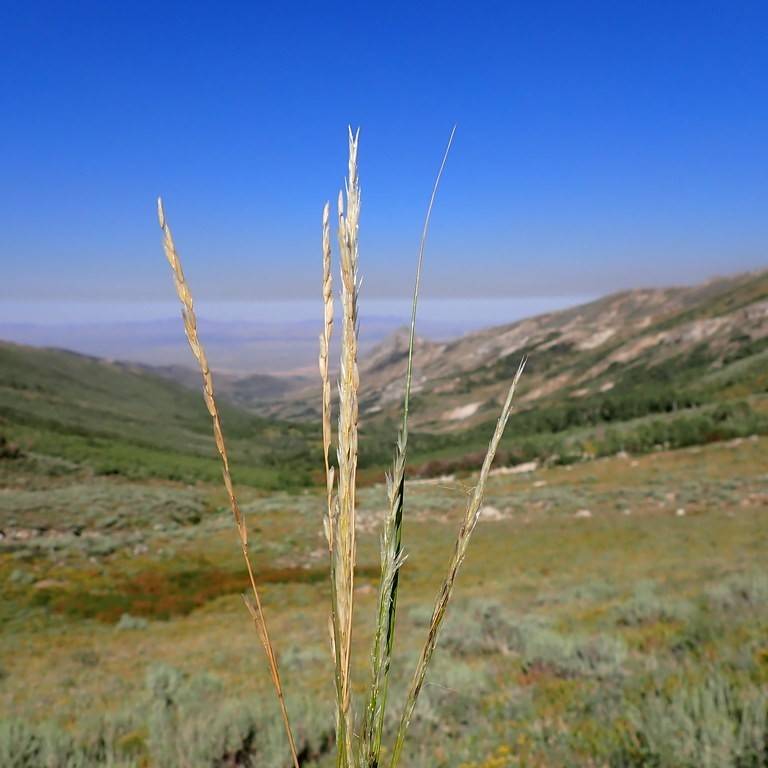
Columbia Needlegrass
Eriocoma nelsonii subsp. dorei (syn. Achnatherum nelsonii subsp. dorei)
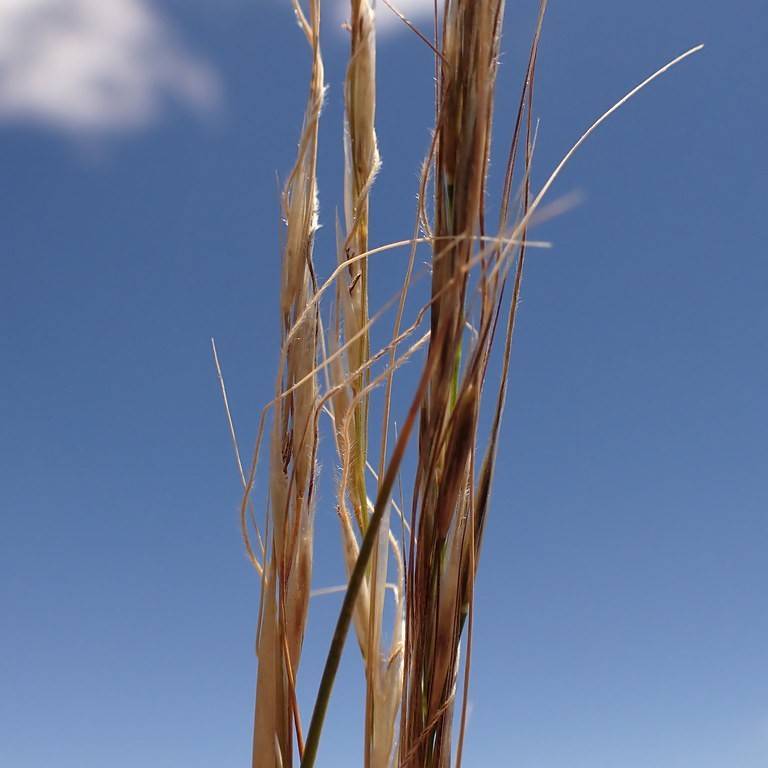
Common Western Needlegrass
Eriocoma occidentalis (formerly Achnatherum occidentale)
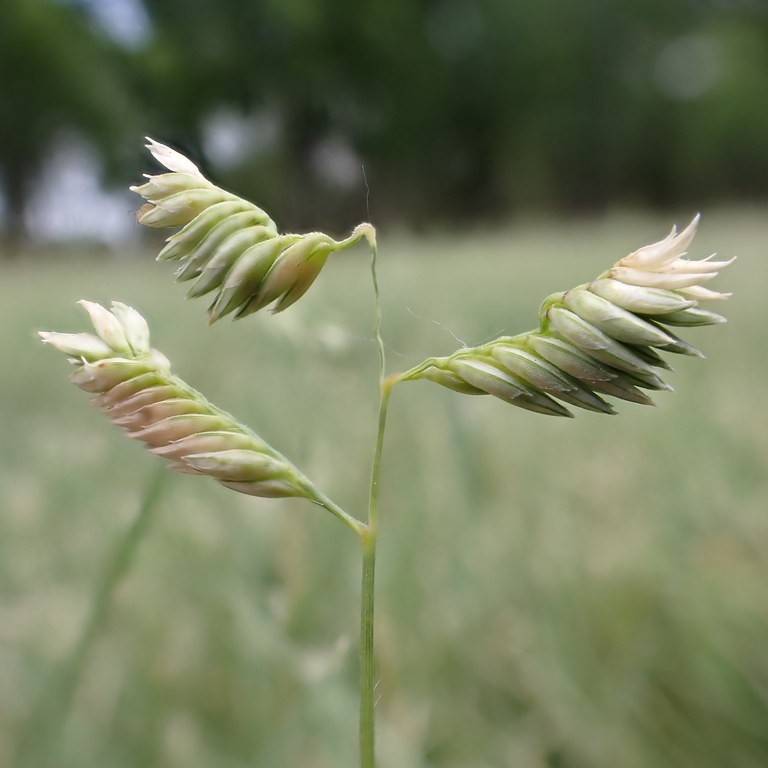
Buffalograss
Bouteloua dactyloides
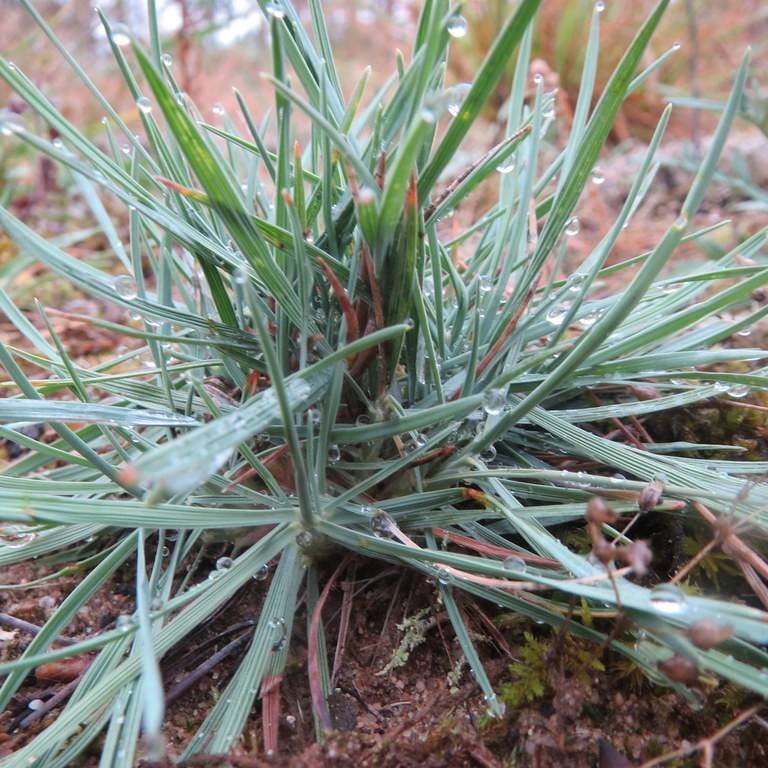
Grey Blue Koeleria
Koeleria glauca
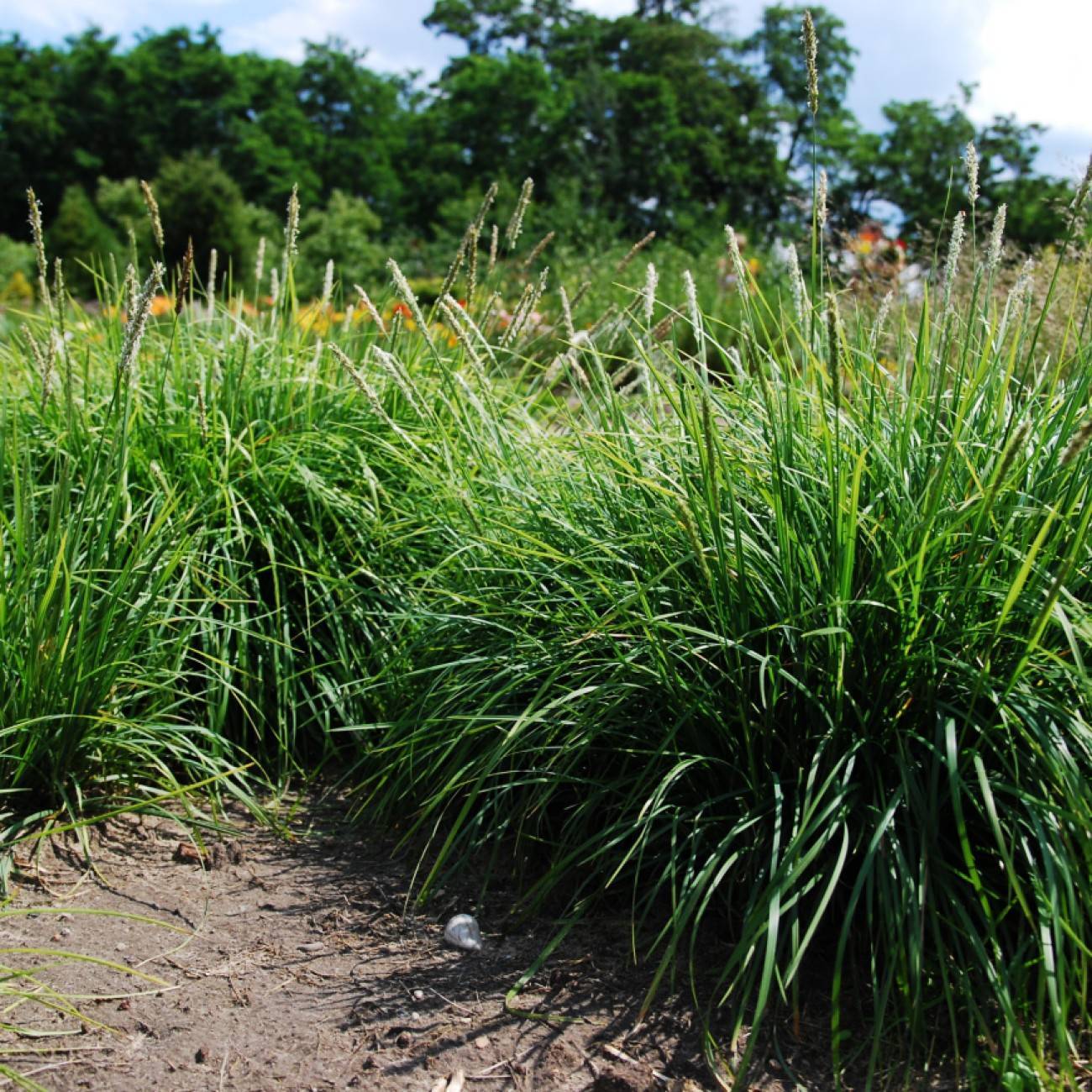
Autumn Moor Grass
Sesleria autumnalis
Arrowfeather Three Awn
Aristida purpurascens
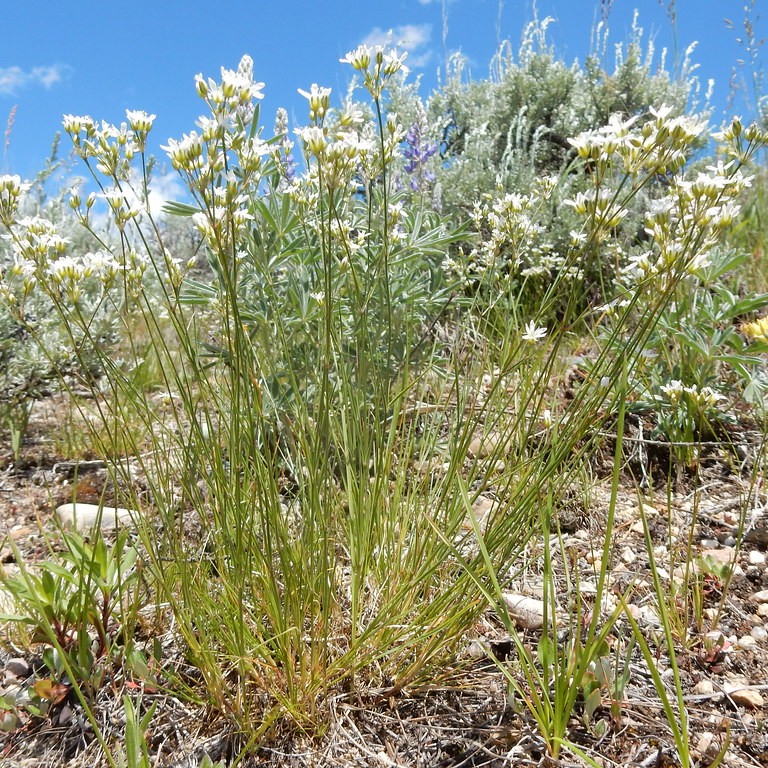
Idaho Fescue
Festuca idahoensis
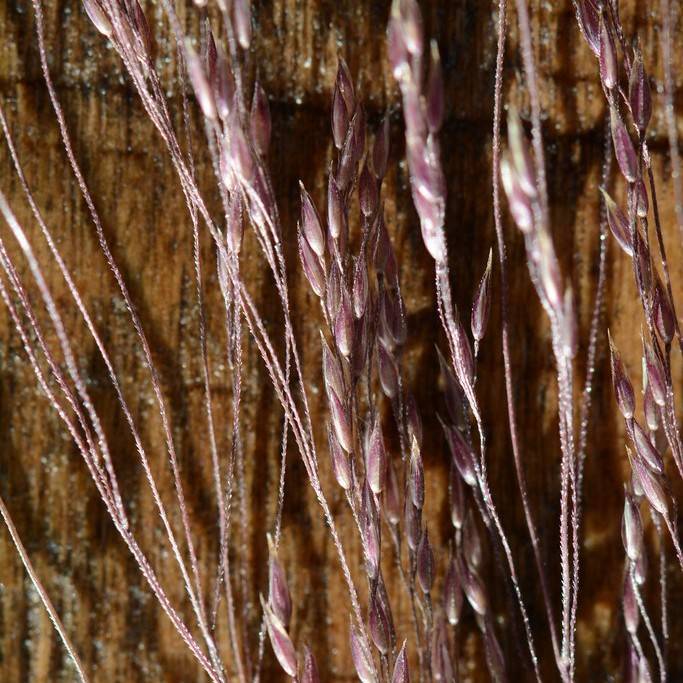
Idaho Bentgrass
Agrostis idahoensis