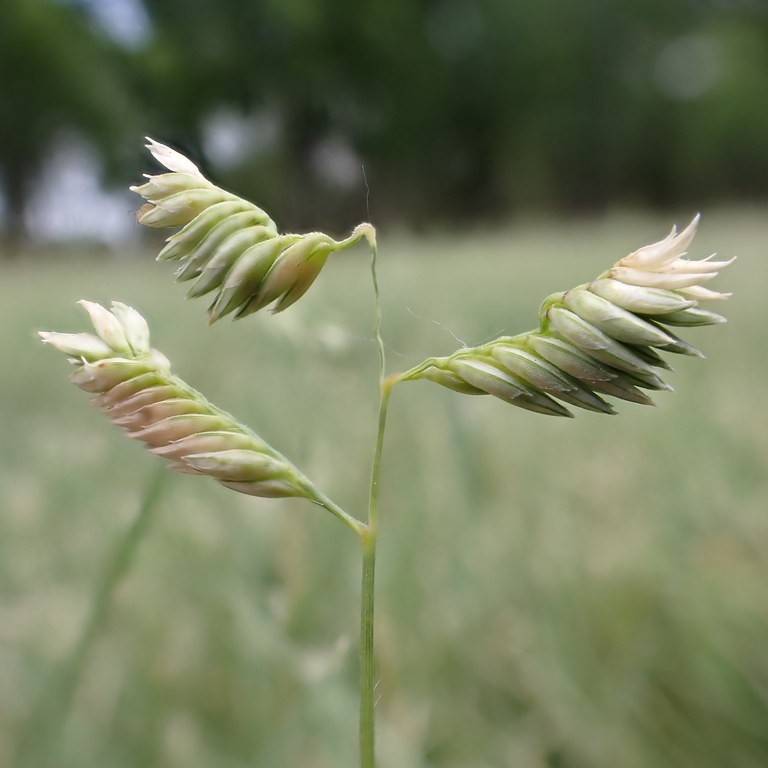
Buffalograss
Bouteloua dactyloides
Overview
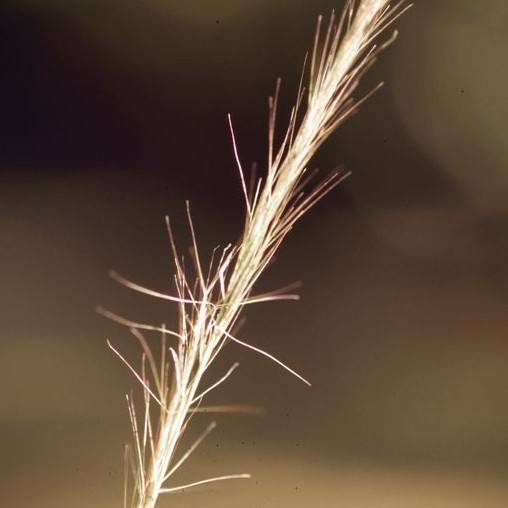
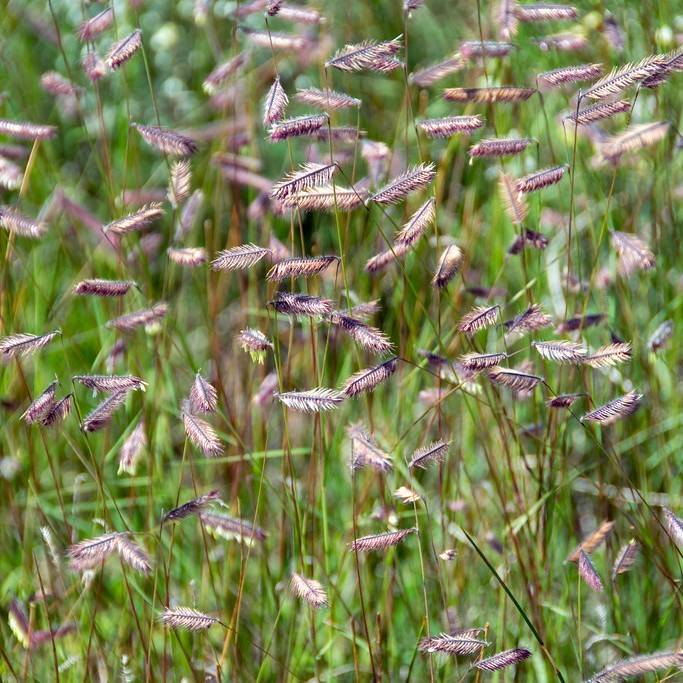
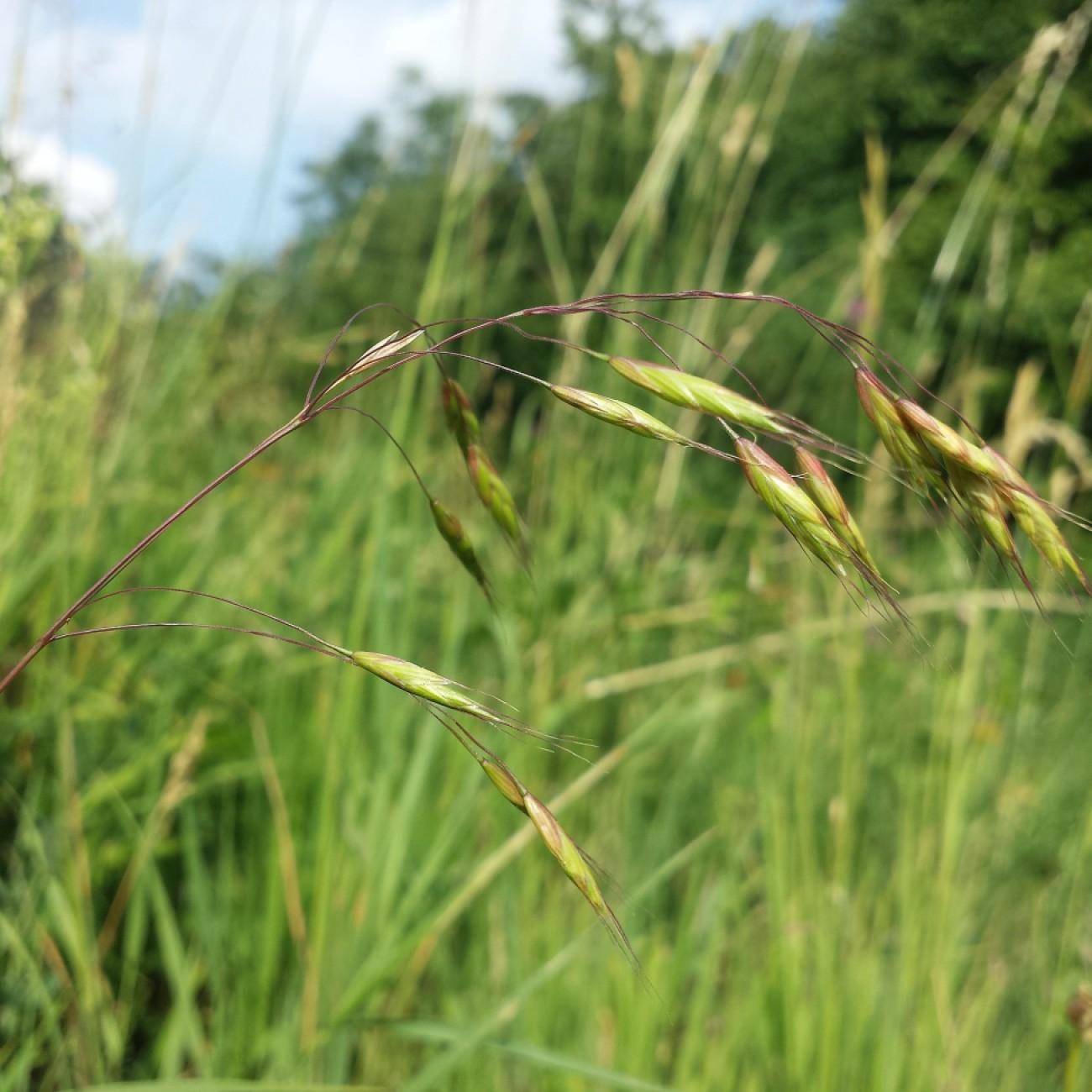
Buffalograss is a warm-season, sod-forming perennial grass native to the North American Great Plains, where it evolved to thrive in semi-arid, open prairie habitats with low rainfall and frequent grazing. It spreads via above-ground stolons, forming a dense, soft mat that crowds out most weeds once established, making it a popular eco-friendly alternative to high-maintenance cool-season turfgrasses. Unlike many common lawn grasses, it requires minimal inputs, including far less water, fertilizer, and mowing, supporting regional conservation efforts for water use reduction and native pollinator habitat.
Care Guide
Watering
Buffalograss is extremely drought-tolerant once established, requiring only 1-2 inches of water per month during the growing season to stay green; it will go dormant and turn brown during extended dry periods, greening back up once moisture returns. Newly planted plugs or seed need consistent, light watering 2-3 times per week for the first 4-6 weeks to support root establishment, with frequency reduced as the grass matures. Avoid overwatering, as saturated soil can lead to root rot and encourage weed growth in establishing stands.
Light
Buffalograss requires full sun, a minimum of 6-8 hours of direct, unfiltered sunlight daily, to grow densely and maintain vigor. It performs poorly in shaded locations, where it will become thin, sparse, and susceptible to weed encroachment, so plant it in open areas with no overhead shade from trees or structures.
Soil
This grass adapts to a wide range of soil types, including sandy, loam, and heavy clay soils, as long as the site has good drainage; it does not tolerate poorly drained, waterlogged soils for extended periods. It thrives in neutral to slightly alkaline soil pH between 6.5 and 8.5, and is highly tolerant of low-fertility soils, requiring no soil amendments in most native prairie or residential yard settings. Avoid heavy, compacted soils in low-lying areas that hold water for more than 24 hours after rainfall.
Fertilizer
Buffalograss has very low nutrient requirements, and most established stands do not need regular fertilization; over-fertilizing will encourage weed growth and reduce its drought tolerance. If desired, apply a low-nitrogen, slow-release fertilizer at a rate of 0.5-1 pound of nitrogen per 1,000 square feet once per year in early summer, only if the grass appears pale or stunted. Avoid high-nitrogen fertilizers, as they can cause excessive top growth that weakens the plant's deep root system.
Temperature
As a warm-season grass, buffalograss grows actively when temperatures are between 80-95°F (27-35°C), and will go dormant and turn brown once temperatures drop consistently below 50°F (10°C) in fall, remaining dormant through winter until spring soil temperatures rise above 60°F (15°C). It is extremely cold-hardy, tolerating winter temperatures as low as -30°F (-34°C) in its native range, making it suitable for USDA hardiness zones 3 through 9. It tolerates extreme summer heat well, showing no signs of stress even during extended periods of temperatures above 100°F (38°C) when established.
Pruning
Unmowed buffalograss only reaches 4-8 inches in height, so mowing is entirely optional for naturalized areas; if used as a lawn, mow to a height of 2-3 inches 2-4 times per growing season, as needed. Avoid mowing shorter than 2 inches, as this can stress the grass, reduce its drought tolerance, and allow weeds to invade. Remove any dead, brown foliage in early spring before new growth emerges if desired, to improve appearance and speed up green-up.
Propagation
Buffalograss can be propagated from seed, sod, or plugs, with plugs being the most reliable method for fast establishment in residential settings, as they have a higher survival rate than seed in non-ideal conditions. Plant seeds or plugs in late spring to early summer, when soil temperatures are consistently above 60°F (15°C), to give the grass the full warm growing season to establish roots before winter. Seeding requires a clean, weed-free seedbed, with seeds planted ¼ inch deep and kept moist until germination, which occurs in 7-14 days under optimal conditions.
Humidity
Buffalograss is adapted to low to moderate humidity levels common in its native Great Plains range, and performs best in areas with relative humidity between 30-60%. It can tolerate short periods of high humidity, but extended periods of high humidity combined with wet soil increase the risk of fungal diseases such as leaf spot. Ensure good air circulation around the grass in more humid regions to reduce disease risk, and avoid overwatering during humid summer months.
Repotting
Buffalograss is almost exclusively grown as an outdoor landscape or lawn plant, so repotting is rarely, if ever, necessary. If grown in a container for a specialized application, such as a green roof, repot every 2-3 years in early spring before new growth emerges, using a well-draining, sandy potting mix to avoid waterlogging. Trim back any overgrown stolons and divide large clumps during repotting to maintain the desired size and encourage vigorous new growth.
Uses & Symbolism
Buffalograss is most widely used as a low-maintenance, water-efficient turf alternative for residential lawns, parks, golf course roughs, and roadside plantings in arid and semi-arid regions, reducing municipal water use for landscape irrigation. It provides excellent erosion control on slopes, prairie restoration sites, and disturbed areas, thanks to its dense root system that can extend 5-10 feet deep into the soil. It is also a valuable forage grass for livestock and native grazers such as bison, and provides habitat and food for native pollinators, including small bees and grass-feeding butterflies.
Diseases & Pests
Buffalograss is highly resistant to most common turfgrass diseases, with the only frequent issues being fungal leaf spot and root rot, which occur almost exclusively in overwatered, poorly drained sites or during extended periods of high humidity. Common pests include chinch bugs and white grubs, which may infest stands that are over-fertilized or stressed by excessive moisture, but damage is rare in healthy, properly maintained grass. Weed encroachment is the most common issue in young, establishing stands, particularly from cool-season weeds such as dandelions and crabgrass, which can be reduced by waiting to plant until warm soil temperatures kill off cool-season weed seedlings before seeding or plugging.
Related plants
Other plants you might like if you grow Buffalograss.