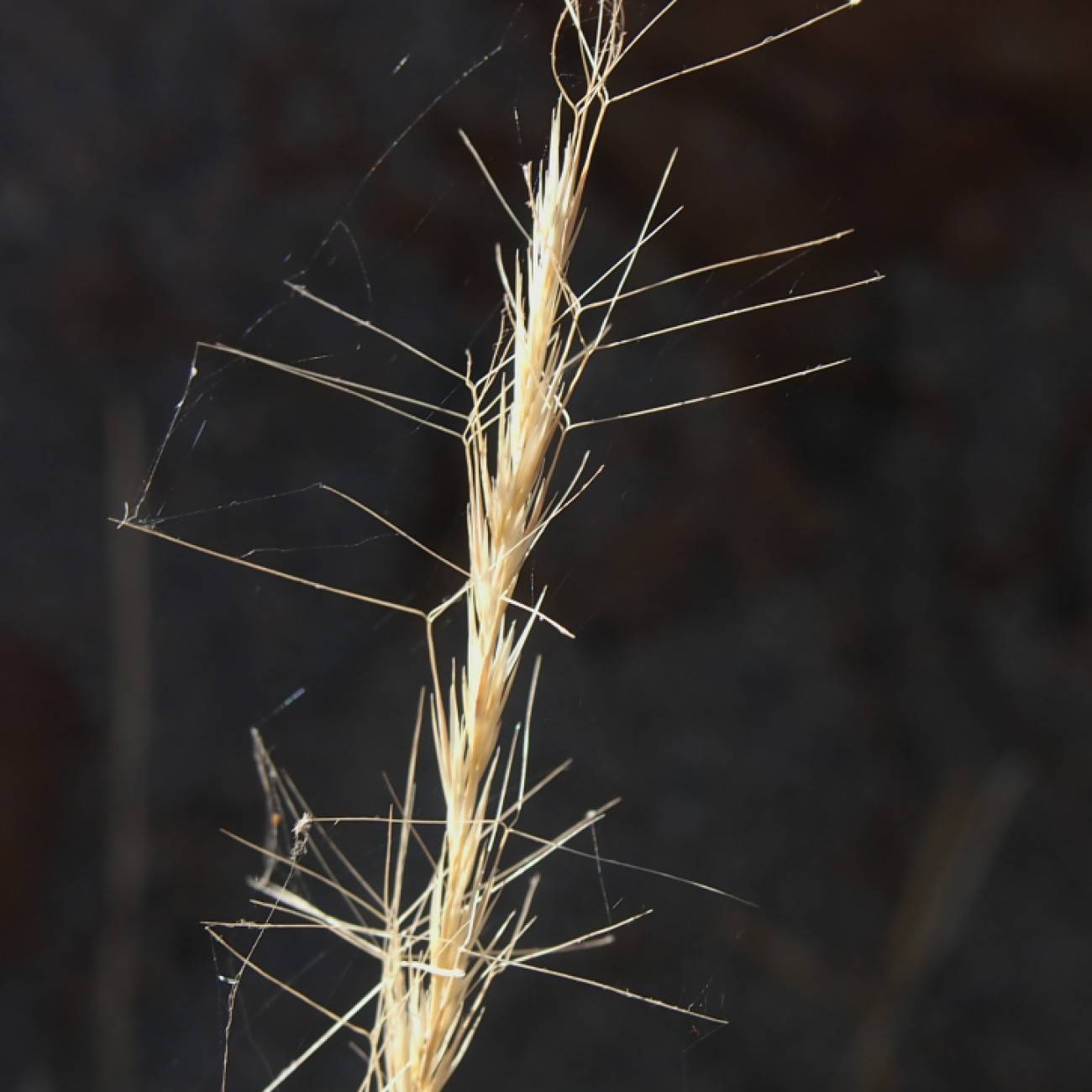
Forked Three Awned Grass
Aristida dichotoma
Overview
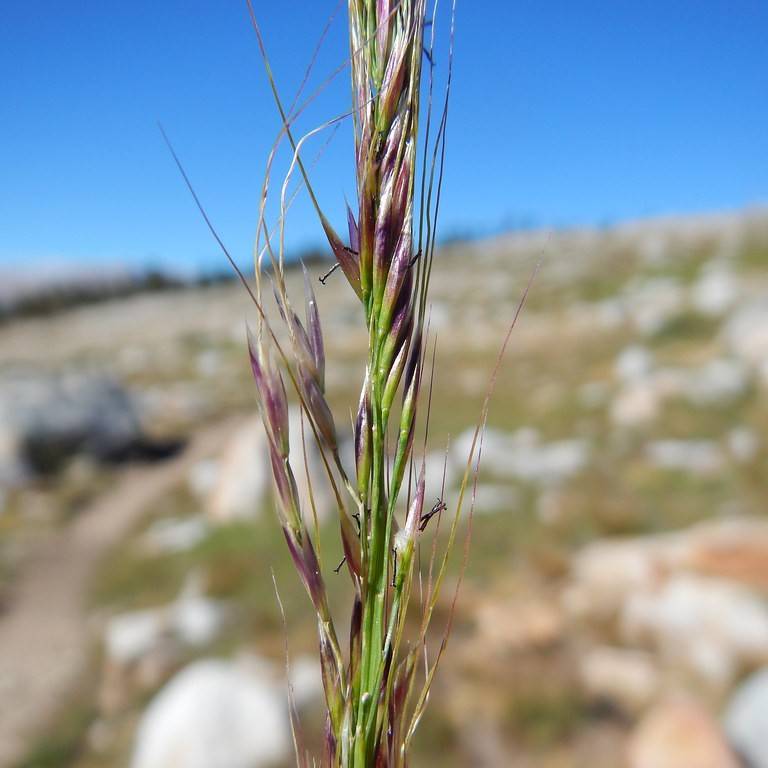
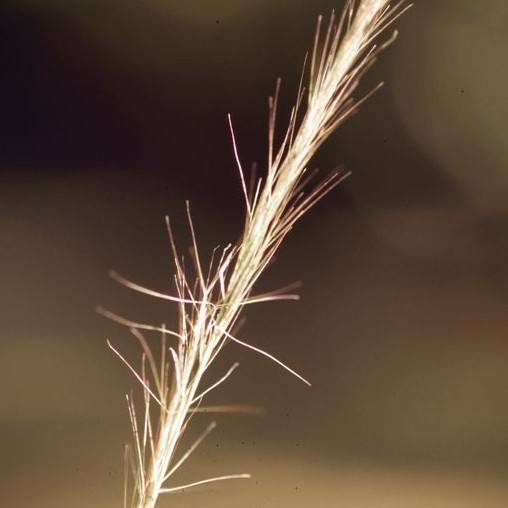
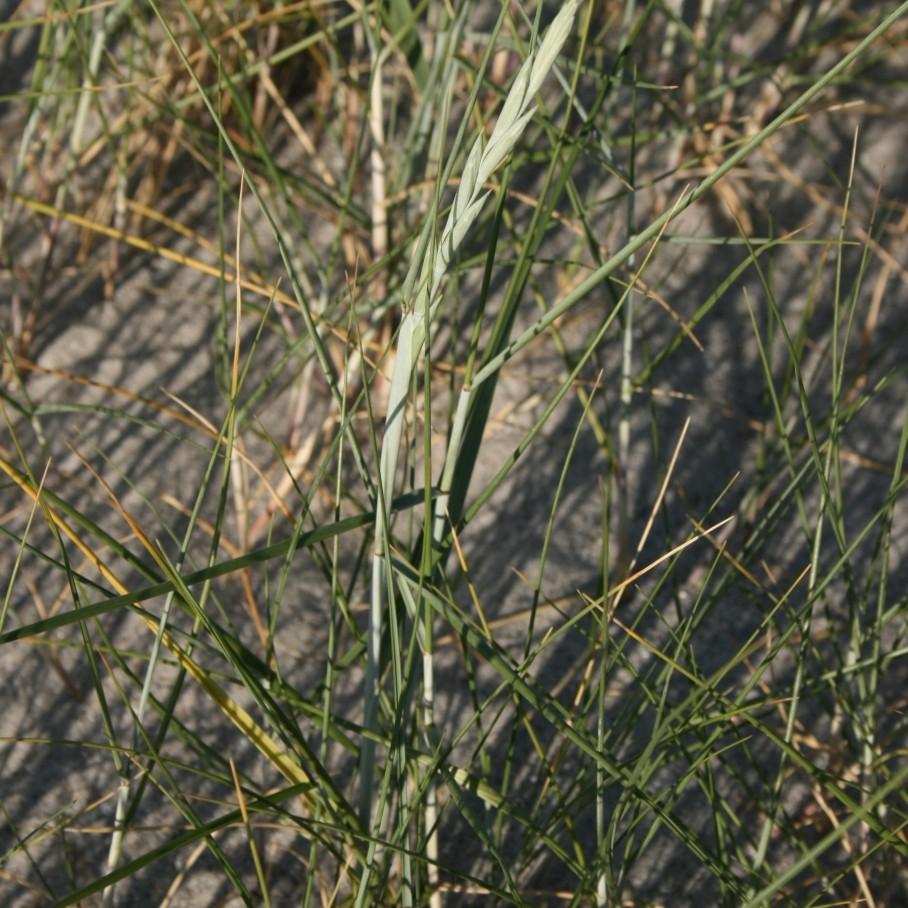
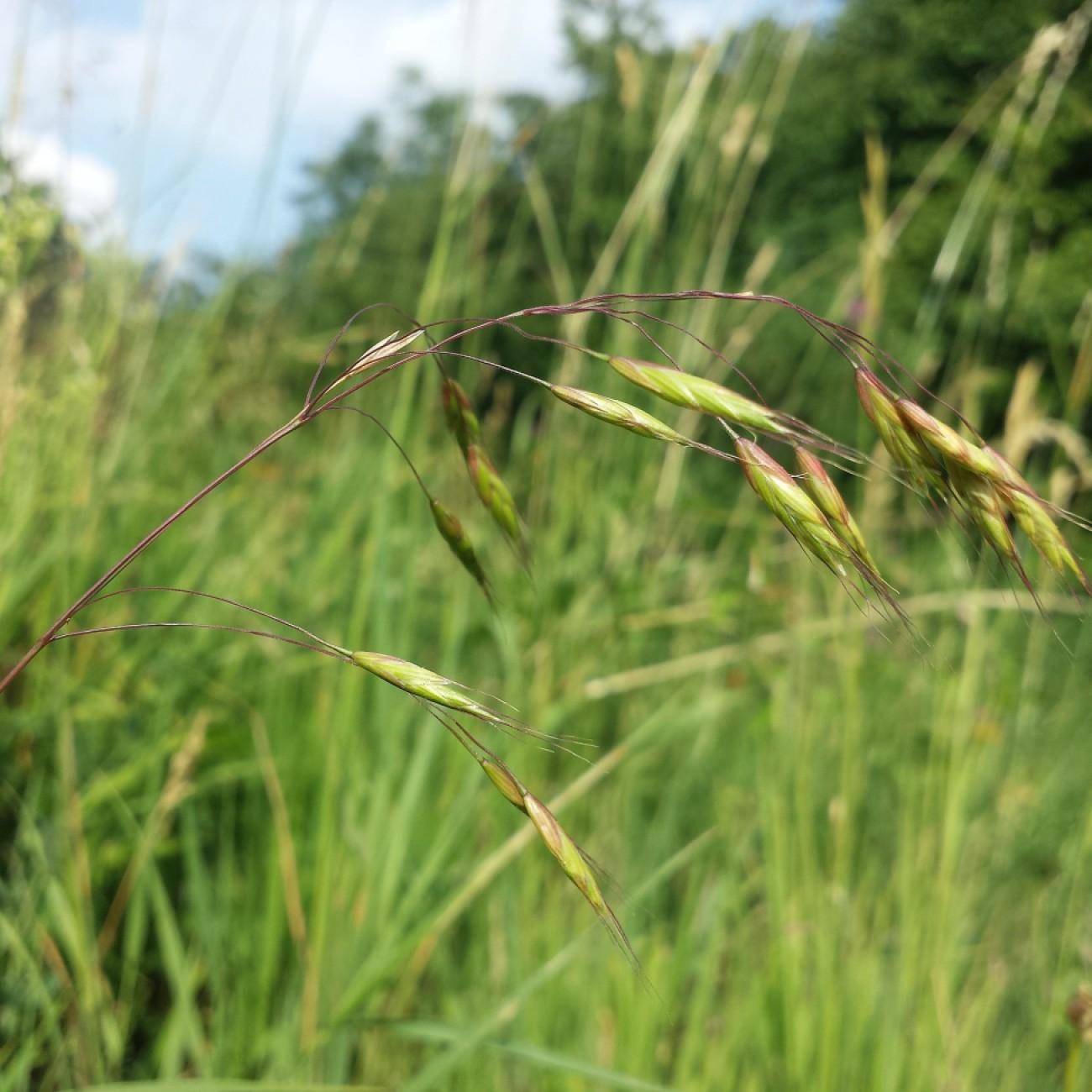
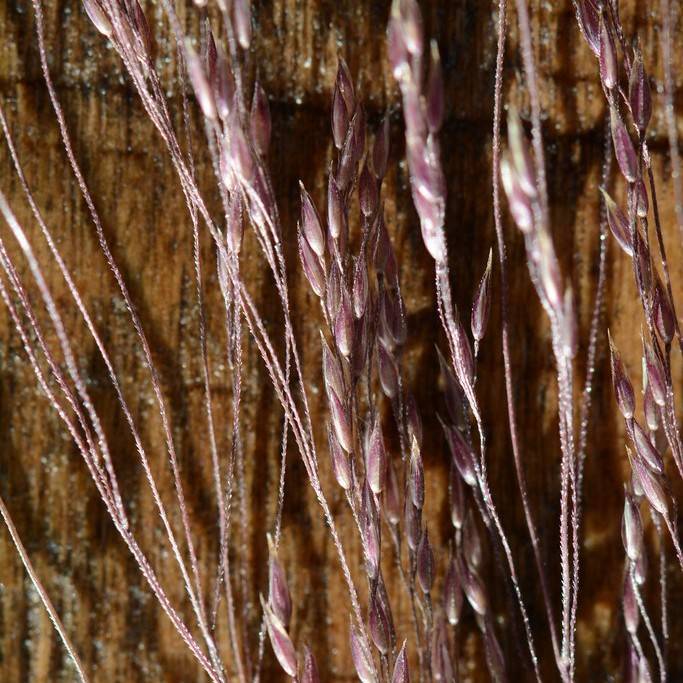
Forked Three Awned Grass is a warm-season annual grass that thrives in dry, sandy, or rocky open habitats, including prairies, roadsides, and disturbed areas. Its most distinctive feature is its branching, forked inflorescence that bears small spikelets each tipped with three sharp, slender awns, which aid in seed dispersal by attaching to animal fur. This species is well-adapted to low-nutrient soils and plays a minor ecological role as a food source for small grazing animals and seed-eating birds in its native range.
Care Guide
Watering
Drought-tolerant once established, forked three awned grass requires only occasional rainfall in its natural habitat, with supplemental watering only needed during extended periods of extreme drought to support seed development. Overwatering, especially in poorly drained soils, will cause root rot and stunted growth, so allow the top several inches of soil to dry out completely between waterings. During germination, keep the soil lightly moist but not saturated until seedlings are 2-3 inches tall, then reduce watering frequency.
Light
This grass requires full, direct sunlight for a minimum of 6 hours per day to thrive and produce robust, branching inflorescences. It will not tolerate shaded conditions, leading to weak, leggy growth, reduced seed production, and increased susceptibility to fungal disease if grown in partial or full shade. For cultivation, plant it in an unobstructed south or west-facing location that receives all-day sun for best performance.
Soil
Forked three awned grass prefers well-drained, sandy, loamy, or rocky soils with low to moderate nutrient content, as overly fertile soils encourage excessive leaf growth at the expense of its characteristic forked seed heads. It tolerates a wide pH range from slightly acidic to slightly alkaline (5.5 to 7.5) and performs well in poor, disturbed soils where few other grasses can establish. Heavy clay soils that retain moisture are unsuitable for this species, as they lead to root rot during wet periods.
Fertilizer
This species is adapted to low-nutrient soils and requires no regular fertilization to thrive, as excess nitrogen will promote lush, weak foliage that is prone to lodging (falling over). If grown in extremely nutrient-depleted soils, a single light application of a balanced, slow-release granular fertilizer in early spring can support germination and early growth, but it is rarely necessary. Avoid liquid fertilizers, as they can oversaturate the root zone and cause damage to this drought-adapted grass.
Temperature
As a warm-season annual, forked three awned grass thrives in temperatures between 70°F and 90°F (21°C to 32°C) during its active growing season from late spring to early fall. It is highly tolerant of summer heat and dry spells, but will die back completely after the first hard frost in autumn, as it cannot tolerate freezing temperatures. Germination occurs when soil temperatures consistently reach 60°F (15°C) or higher in late spring.
Pruning
No regular pruning is required for this annual grass, though dead or damaged foliage can be removed in mid-summer to improve air circulation if grown in a cultivated landscape setting. After seed heads have matured in late fall, you can cut back the entire plant to ground level to prevent self-seeding if you wish to limit its spread, or leave it standing to provide food for seed-eating birds over the winter. Avoid pruning during the active flowering period in mid to late summer, as this will remove developing seed heads.
Propagation
Forked three awned grass is propagated exclusively from seed, which can be collected from mature, dry seed heads in late fall or purchased from native plant seed suppliers. Sow seeds directly on the soil surface in late spring after the last frost date, as they require light to germinate, and lightly press them into the soil to ensure good contact without burying them. Seedlings will emerge within 7 to 14 days under warm, moist conditions, and the plant will readily self-seed in suitable growing conditions to form small colonies over time.
Humidity
This grass is adapted to moderate to low humidity levels common in its native prairie and open habitat range, and tolerates dry air extremely well without any supplemental misting or humidity adjustments. High humidity combined with poor air circulation can increase the risk of foliar fungal diseases, so ensure plants are spaced adequately to allow air flow if grown in a garden setting. It does not perform well in consistently humid, tropical climates, where prolonged moisture on foliage leads to disease.
Repotting
As an annual grass typically grown in outdoor landscapes, forked three awned grass is rarely grown in containers, so repotting is not a standard part of its care. If grown in a container for a native plant display, use a fast-draining sandy potting mix, and there is no need to repot during its single growing season, as it will complete its life cycle within one year. After the plant dies back in fall, discard the root mass and refresh the soil if you plan to sow new seeds the following spring.
Uses & Symbolism
Forked Three Awned Grass is frequently included in native prairie restoration mixes, especially for dry, sandy sites where more water-demanding grasses struggle to establish, as it helps stabilize disturbed soils and provides early cover for native pollinators and small wildlife. Its distinctive forked seed heads add textural interest to xeriscape gardens and native wildflower arrangements, both fresh and dried. It also serves as a minor forage crop for livestock in low-fertility rangelands, though its sharp awns can cause irritation to grazing animals if consumed in large quantities when seed heads are mature.
Diseases & Pests
This grass is relatively pest and disease resistant, though it can be susceptible to foliar fungal infections such as rust and leaf spot during prolonged periods of high humidity and poor air circulation. Aphids and grasshoppers may occasionally feed on young foliage, but damage is rarely severe enough to require treatment in natural or landscape settings. Overwatering or planting in poorly drained soils will lead to root rot, which is the most common cause of plant death in cultivated specimens.
Related plants
Other plants you might like if you grow Forked Three Awned Grass.