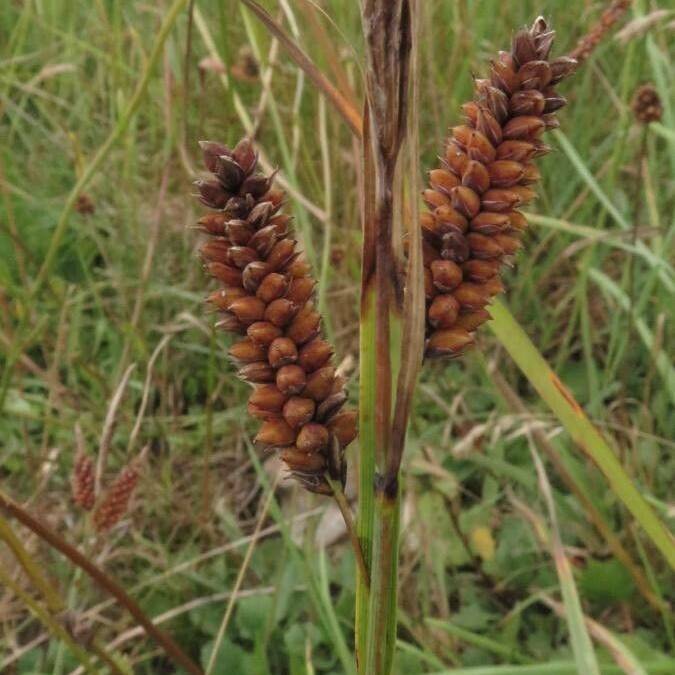
Columbia Sedge
Carex aperta
Overview
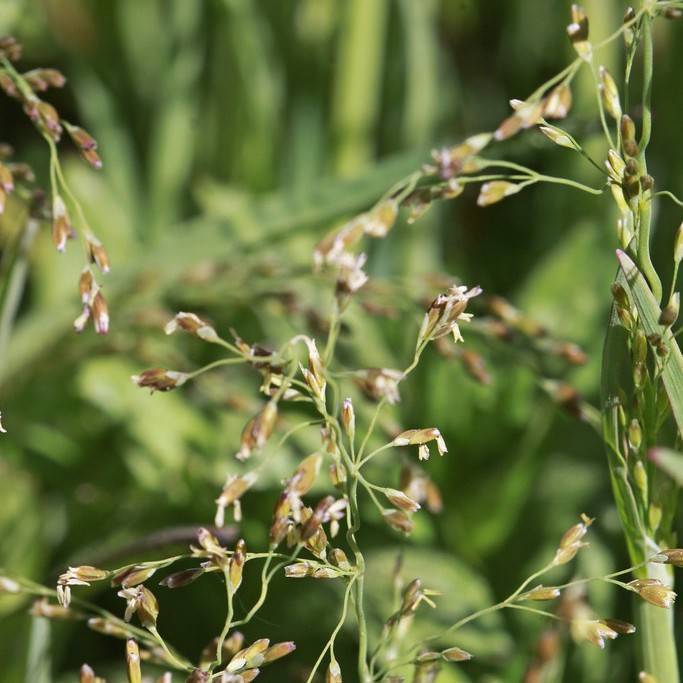
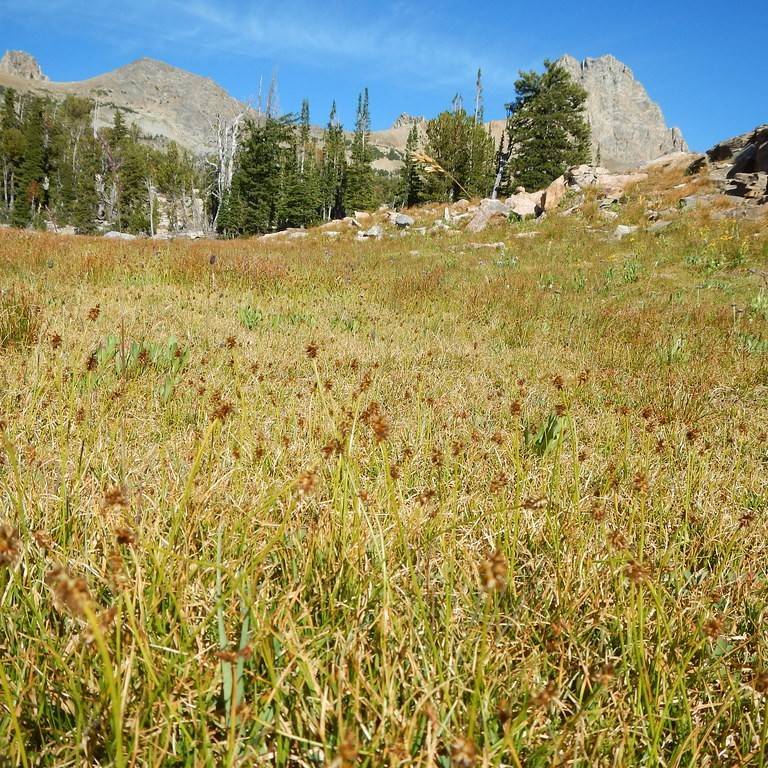
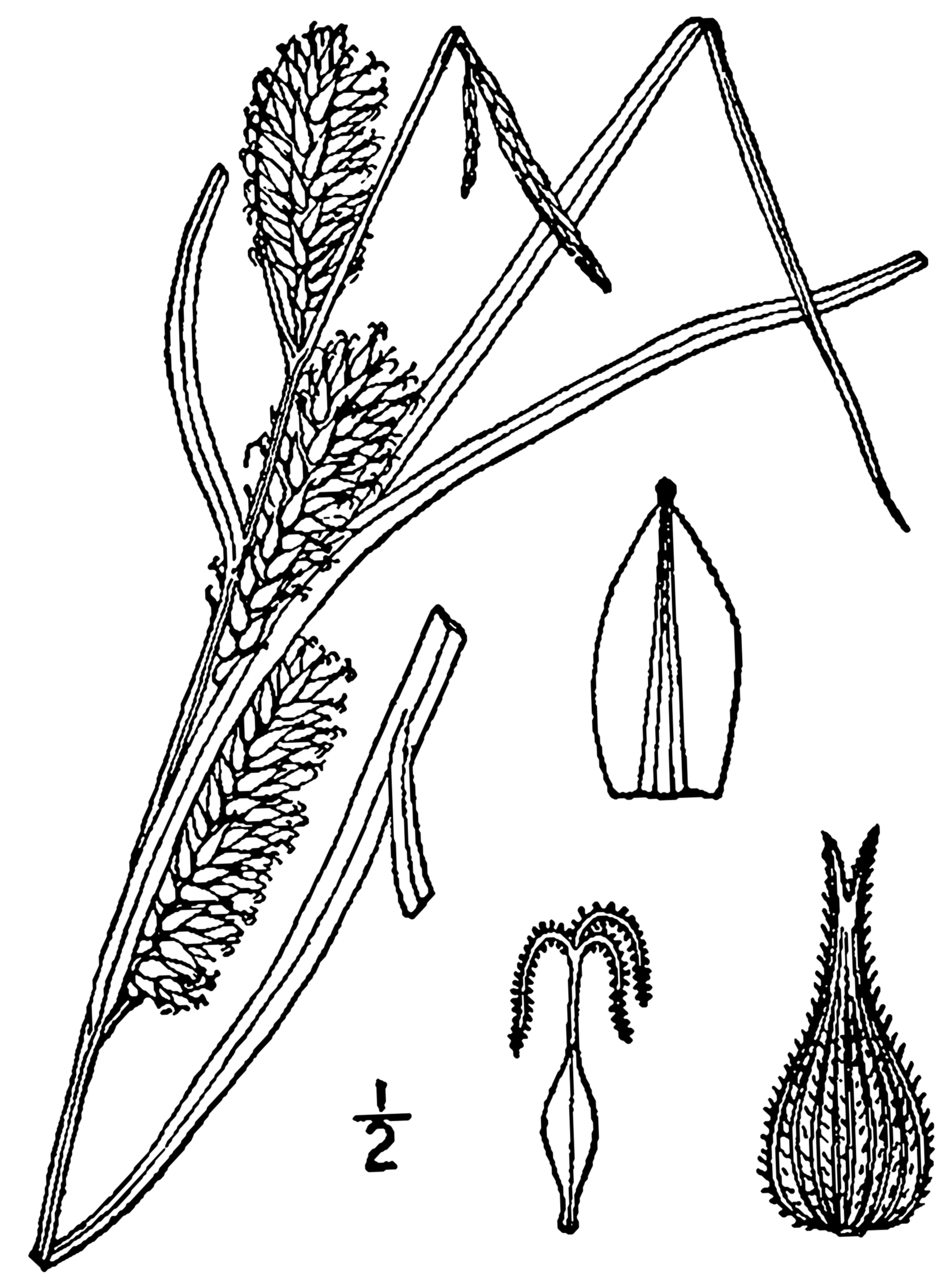
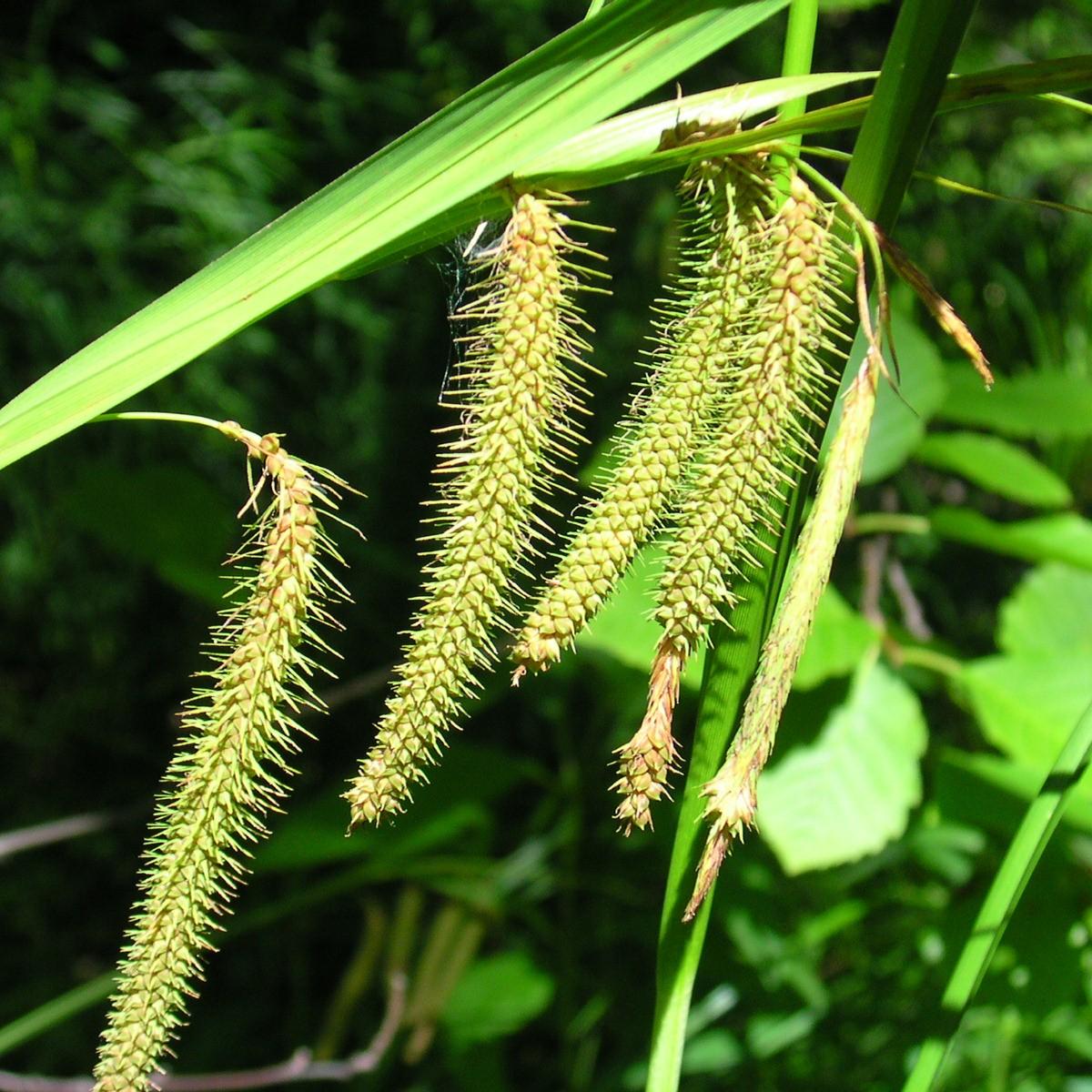
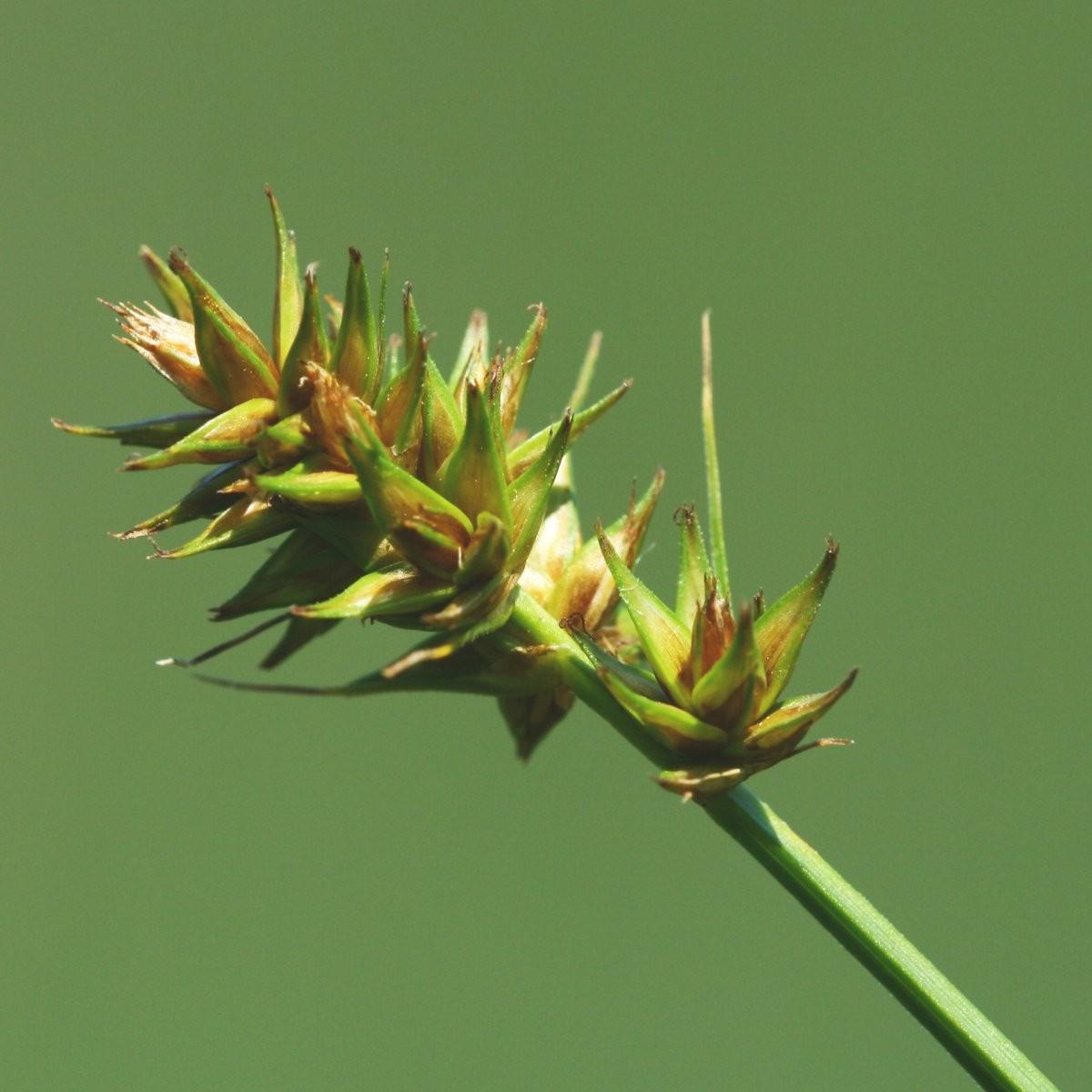
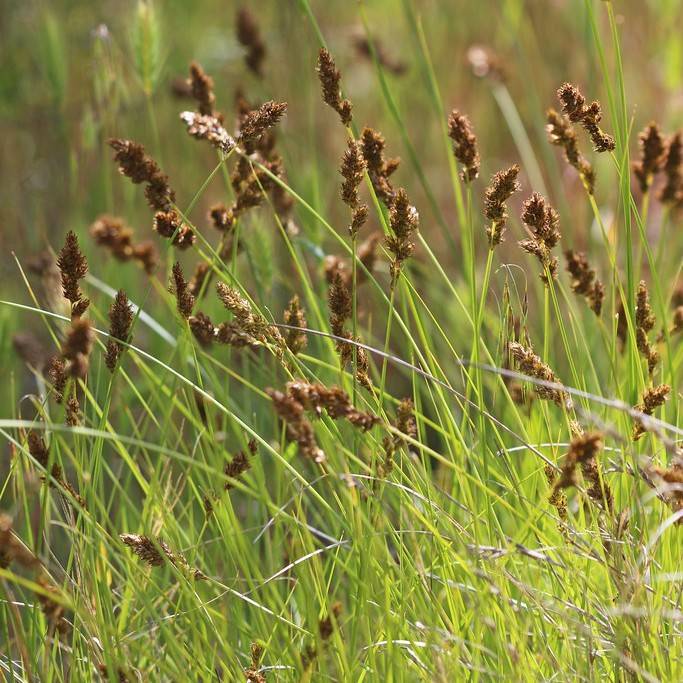
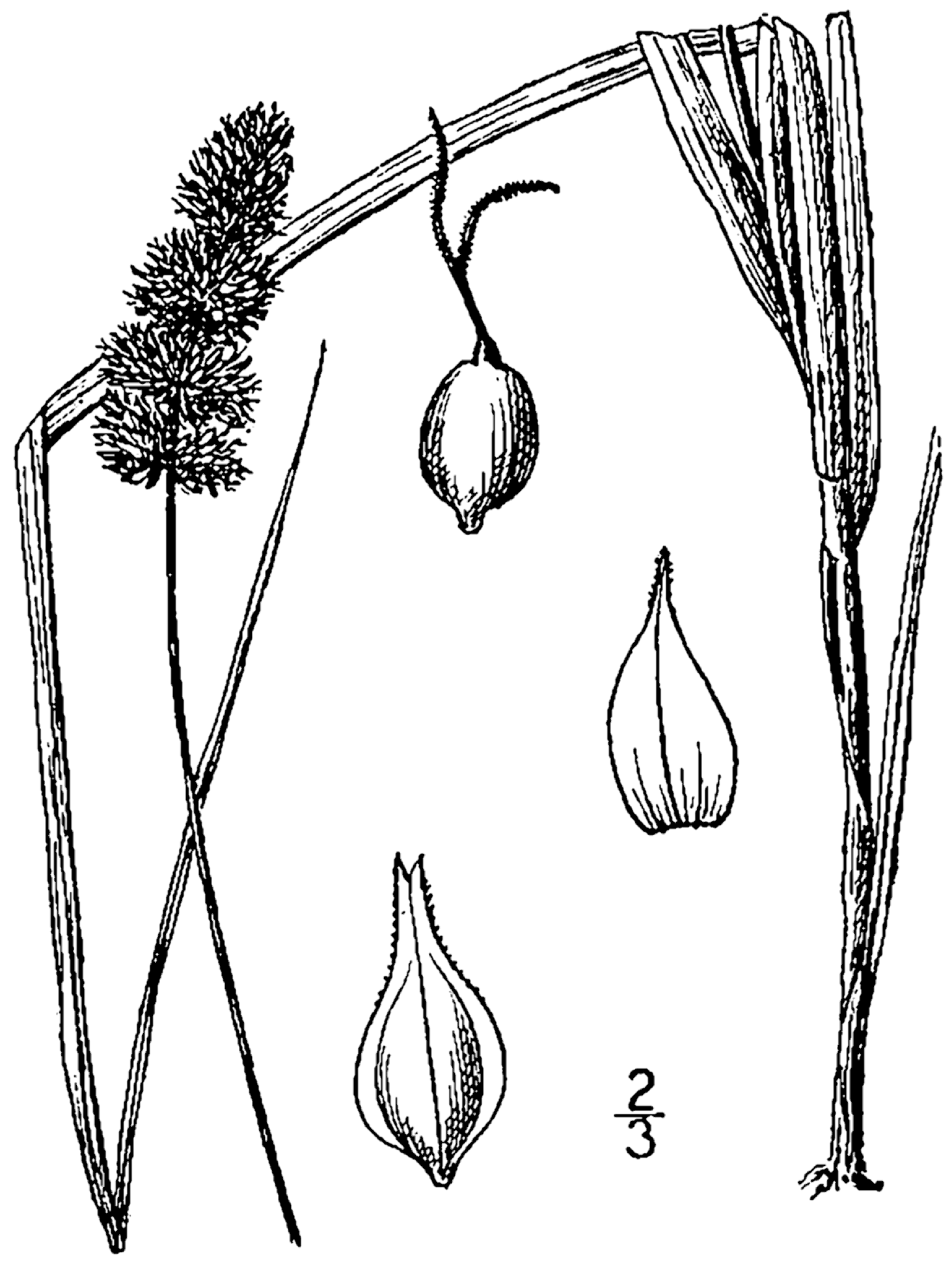
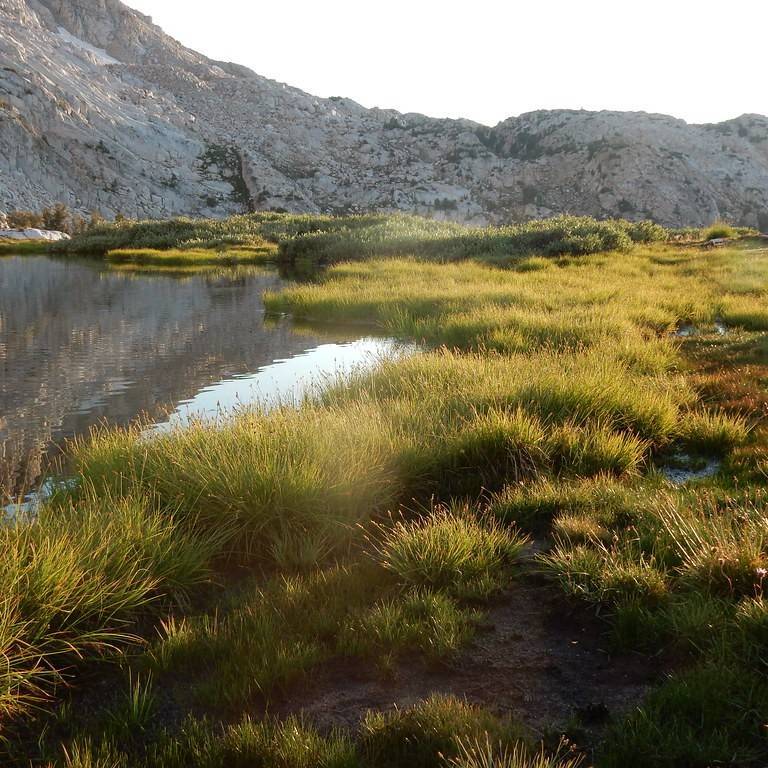
Columbia sedge is a clumping, grass-like perennial that forms dense colonies via creeping rhizomes, thriving in saturated, marshy soils across its native Pacific Northwest range. It produces narrow, arching green foliage and subtle, wind-pollinated flower spikes in late spring, with female spikes bearing small, triangular nutlets that mature by mid-summer. Adapted to seasonal flooding and riparian zones, it plays a critical ecological role stabilizing shorelines and filtering runoff in wetland ecosystems.
Care Guide
Watering
Columbia sedge requires consistently moist to saturated soil, tolerating seasonal flooding of up to 6 inches for several months at a time. Never allow the root zone to dry out completely; in cultivated settings, water deeply and frequently to maintain soil saturation, especially during hot, dry periods.
Light
It grows best in full sun to partial shade, with full sun exposure encouraging denser foliage growth and more abundant flowering in cool, wet climates. In warmer parts of its range, provide light afternoon shade to prevent foliage scorch during periods of extreme heat.
Soil
This sedge thrives in nutrient-rich, loamy or silty wetland soils with a neutral to slightly acidic pH range of 5.5 to 7.5. It tolerates heavy clay soils and poorly drained, marshy conditions that would kill most other ornamental grasses, though it will not perform well in dry, sandy substrates.
Fertilizer
Columbia sedge has low nutrient needs, typically requiring no supplemental fertilizer when grown in its native wetland habitat. In poor, nutrient-depleted cultivated soils, apply a balanced, slow-release granular fertilizer once in early spring at half the recommended rate to avoid encouraging excessive, floppy growth.
Temperature
It is cold-hardy to USDA zones 4 to 8, tolerating winter temperatures as low as -30°F (-34°C) when dormant. It prefers cool, temperate conditions and will struggle in sustained temperatures above 90°F (32°C) without consistent moisture and partial shade.
Pruning
Prune back dead or brown foliage in late winter or early spring before new growth emerges to keep clumps looking tidy and improve air circulation. Remove any unwanted spread from rhizomes by digging up excess clumps in early spring, as this species can form large colonies over time in ideal conditions.
Propagation
Columbia sedge is most easily propagated by division in early spring, when dormant clumps can be split into smaller sections with intact rhizomes and replanted immediately in moist soil. It can also be grown from seed sown directly in wet, cold soil in late fall, as seeds require a 90-day cold stratification period to germinate successfully.
Humidity
It thrives in moderate to high humidity levels typical of wetland and riparian environments, tolerating humidity levels between 50% and 80% with no issues. In drier indoor or landscape settings, regular misting or placement near a water feature will help maintain adequate humidity for healthy foliage.
Repotting
When grown in containers, repot every 2 to 3 years in early spring, using a rich, moisture-retentive potting mix amended with compost to support consistent soil moisture. Choose a pot with drainage holes, and keep the container sitting in a tray of water to maintain constant root zone saturation.
Uses & Symbolism
Columbia sedge is widely used in riparian restoration projects to stabilize shorelines, reduce erosion, and filter agricultural and urban runoff before it enters waterways. It provides valuable nesting habitat and food for waterfowl, songbirds, and small mammals, and is planted in rain gardens and bioswales for stormwater management. It also works as a low-maintenance ornamental grass in moist landscape beds, around pond edges, or in water features.
Diseases & Pests
Columbia sedge is relatively pest and disease resistant, though it can develop fungal leaf spots and rust in overly humid, poorly ventilated conditions. Aphids and spider mites may occasionally infest foliage, particularly in dry, hot conditions, but these can be controlled with a strong spray of water or insecticidal soap. Root rot can occur if the plant is grown in stagnant, non-aerated water for extended periods.
Related plants
Other plants you might like if you grow Columbia Sedge.