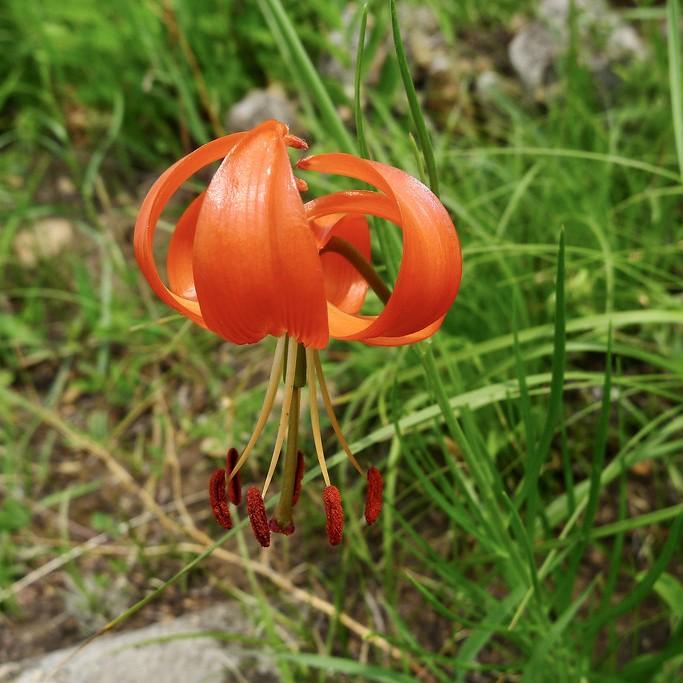
Coral Lily
Lilium pumilum
Overview
Coral lily, also called Siberian lily, is a small-statured bulbous perennial prized for its vibrant, downward-facing blooms that feature dark spots and prominent protruding stamens. It grows wild in grassy slopes and mountain meadows across its native Asian range, adapting well to cooler temperate climates. Its compact size makes it more versatile than taller lily varieties, fitting easily in border fronts, container plantings, and alpine gardens. The lightly scented flowers attract pollinators including bees and butterflies throughout their summer bloom period.
Care Guide
Watering
Water coral lilies regularly to keep soil evenly moist but not waterlogged, especially during active growth and bloom periods in spring and summer. Reduce watering gradually once foliage begins to yellow and die back in fall, allowing bulbs to enter dormancy in drier soil. Avoid overhead watering to prevent fungal leaf spot and bulb rot, directing water at the base of the plant instead.
Light
Plant coral lilies in full sun to partial shade, with at least 6 hours of direct sunlight daily for optimal flowering. In regions with extremely hot summer sun, provide light afternoon shade to prevent flower fading and leaf scorch. Indoor potted specimens need a bright south or west-facing window with ample direct light to produce blooms.
Soil
Coral lilies thrive in well-drained, loamy or sandy soil with a slightly acidic to neutral pH between 6.0 and 7.0. Heavy clay soils should be amended with compost, peat moss, or perlite to improve drainage, as standing water will quickly rot the bulbs. Add a layer of organic mulch over the root zone to retain moisture, regulate soil temperature, and suppress weed growth.
Fertilizer
Apply a balanced, slow-release bulb fertilizer in early spring as new shoots emerge, to support healthy foliage and flower development. Feed again lightly right after flowering finishes, using a fertilizer higher in potassium to help bulbs store energy for the next growing season. Avoid over-fertilizing, especially with high-nitrogen formulas, which can lead to excessive leaf growth and reduced flowering.
Temperature
Coral lilies are extremely cold-hardy, tolerating winter temperatures down to -40°F (-40°C) in USDA hardiness zones 3 through 8. They prefer cool summer temperatures between 60°F and 75°F (15°C to 24°C), and may struggle in regions with prolonged heat above 90°F (32°C). Bulbs require a 12 to 16 week period of cold dormancy below 45°F (7°C) each winter to bloom reliably the following year.
Pruning
Remove spent flower heads immediately after blooming to prevent seed production, which diverts energy away from bulb storage for the next season. Do not cut back green foliage until it has fully yellowed and died back naturally in late fall, as the leaves photosynthesize to replenish bulb nutrients. Trim dead foliage to ground level in late fall or early spring before new growth emerges.
Propagation
Coral lilies are most commonly propagated by dividing bulb offsets that form around the main parent bulb every 2 to 3 years, ideally in fall after dormancy begins. They can also be grown from seed sown in fall or stratified for 2 to 3 months before spring sowing, though seed-grown plants take 3 to 4 years to reach flowering size. Small bulbils that form in leaf axils on some specimens can be harvested and planted, producing flowering plants in 2 to 3 years.
Humidity
Coral lilies prefer moderate humidity levels between 40% and 60%, typical of most temperate outdoor environments. They do not tolerate high, stagnant humidity well, which increases risk of fungal diseases like botrytis blight. Indoor potted plants may need occasional misting in very dry indoor air, but ensure good air circulation around foliage to prevent moisture-related issues.
Repotting
Potted coral lilies should be repotted every 2 to 3 years in fall during dormancy, when bulbs are lifted and divided to prevent overcrowding. Use a well-draining bulb potting mix, and plant bulbs 3 to 4 times their own depth in the container, with the pointed end facing upward. Ensure pots have adequate drainage holes, and avoid overpotting, as excess soil holding moisture can lead to bulb rot.
Uses & Symbolism
Coral lilies are widely planted in ornamental gardens as border specimens, rock garden features, and container plants, valued for their compact size and bright, fragrant summer blooms. They make excellent long-lasting cut flowers for floral arrangements, with their recurved coral-red petals adding vibrant color to bouquets. In traditional Chinese medicine, the bulbs have been used for their anti-inflammatory and expectorant properties, though consumption is not recommended without proper preparation due to potential toxicity.
Diseases & Pests
Coral lilies are susceptible to botrytis blight, a fungal disease that causes brown spots on leaves and flowers in cool, wet, high-humidity conditions, which can be prevented by ensuring good air circulation and avoiding overhead watering. Bulb rot, caused by poorly drained soil or overwatering, leads to mushy, decaying bulbs and wilting foliage, and can be avoided by amending soil for drainage and reducing watering during dormancy. Common pests include aphids, red lily beetles, and slugs, which feed on foliage and flowers; infestations can be controlled with insecticidal soap, handpicking, or appropriate organic or chemical pesticides.
Related plants
Other plants you might like if you grow Coral Lily.
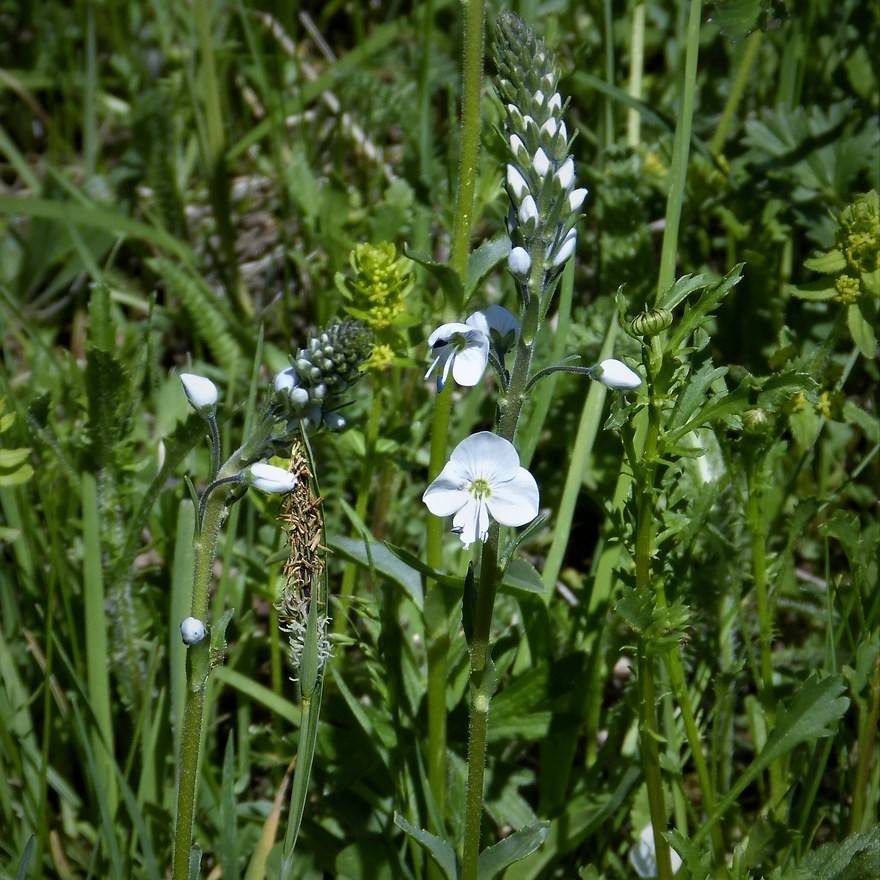
Gentian Speedwell
Veronica gentianoides
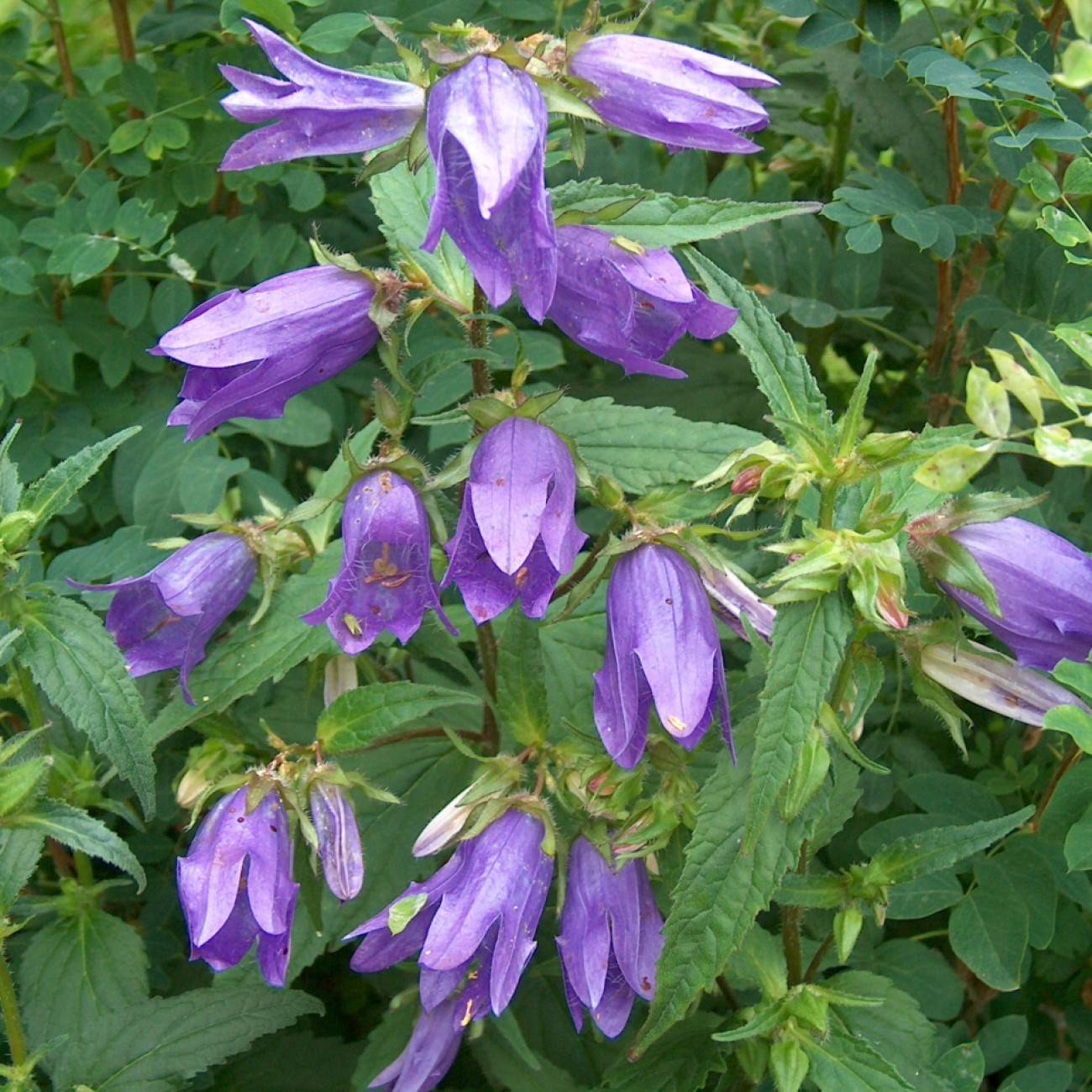
Giant Bellflower
Campanula latifolia 'Gantel E'
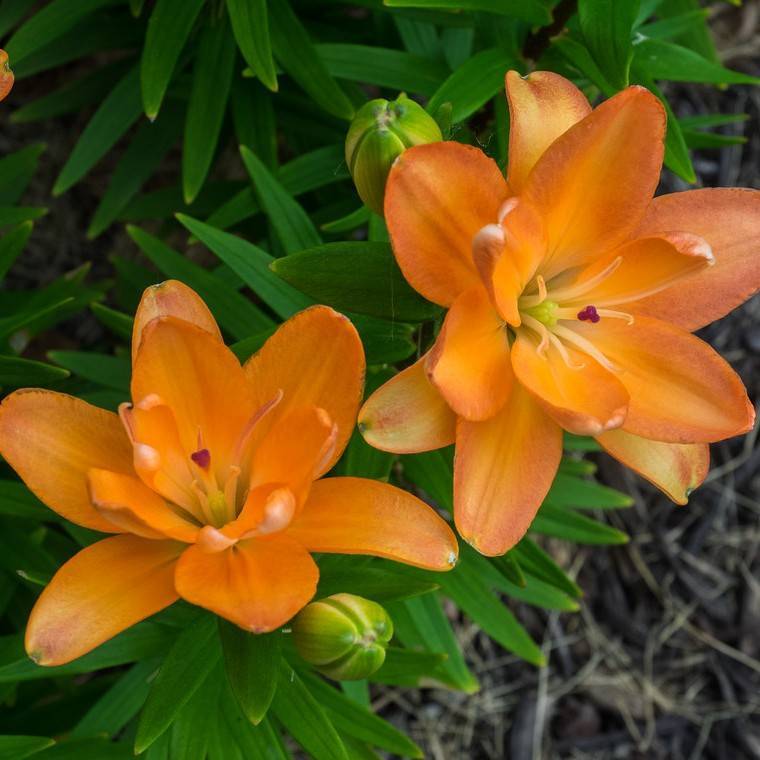
Dwarf Asiatic Lily
Lilium asiaticum 'Dwarf Hybrid'
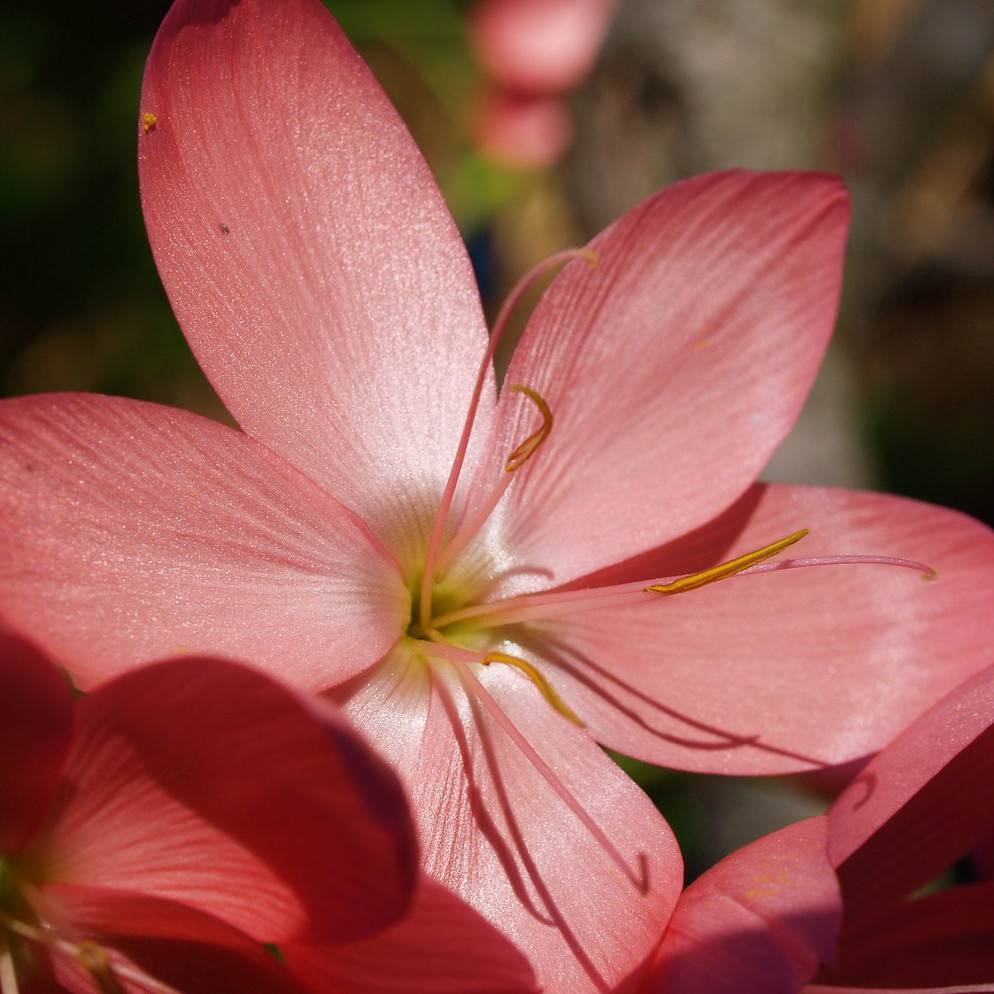
Crimson Flag
Schizostylis coccinea (syn. Hesperantha coccinea)
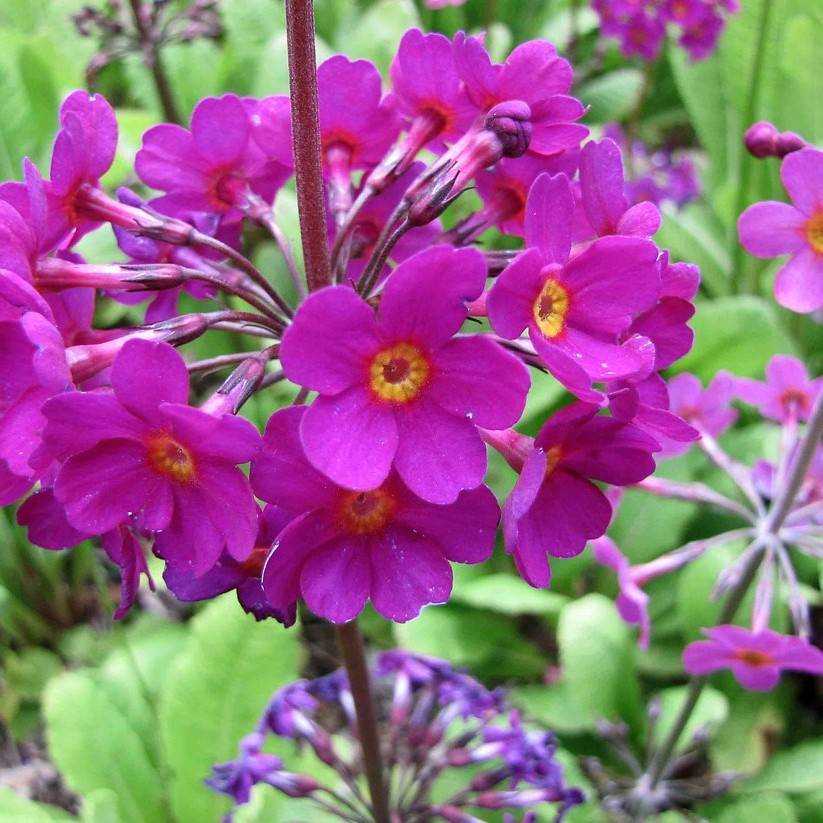
Bee's Primrose
Primula beesiana
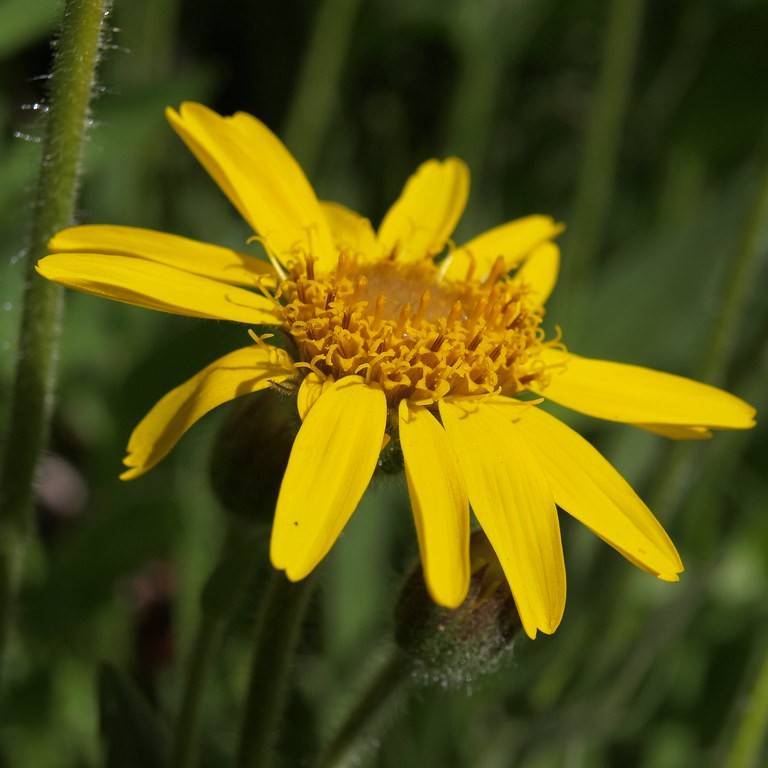
Hairy Arnica
Arnica mollis
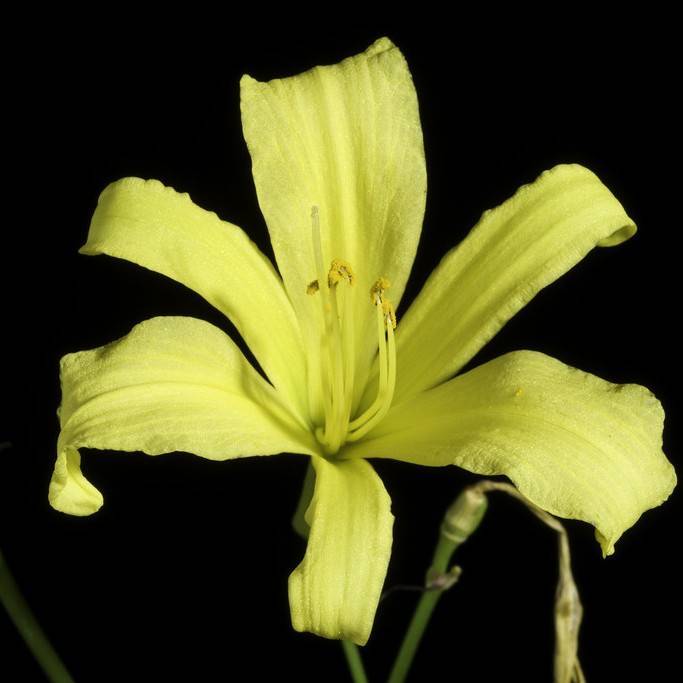
Citron Daylily
Hemerocallis citrina
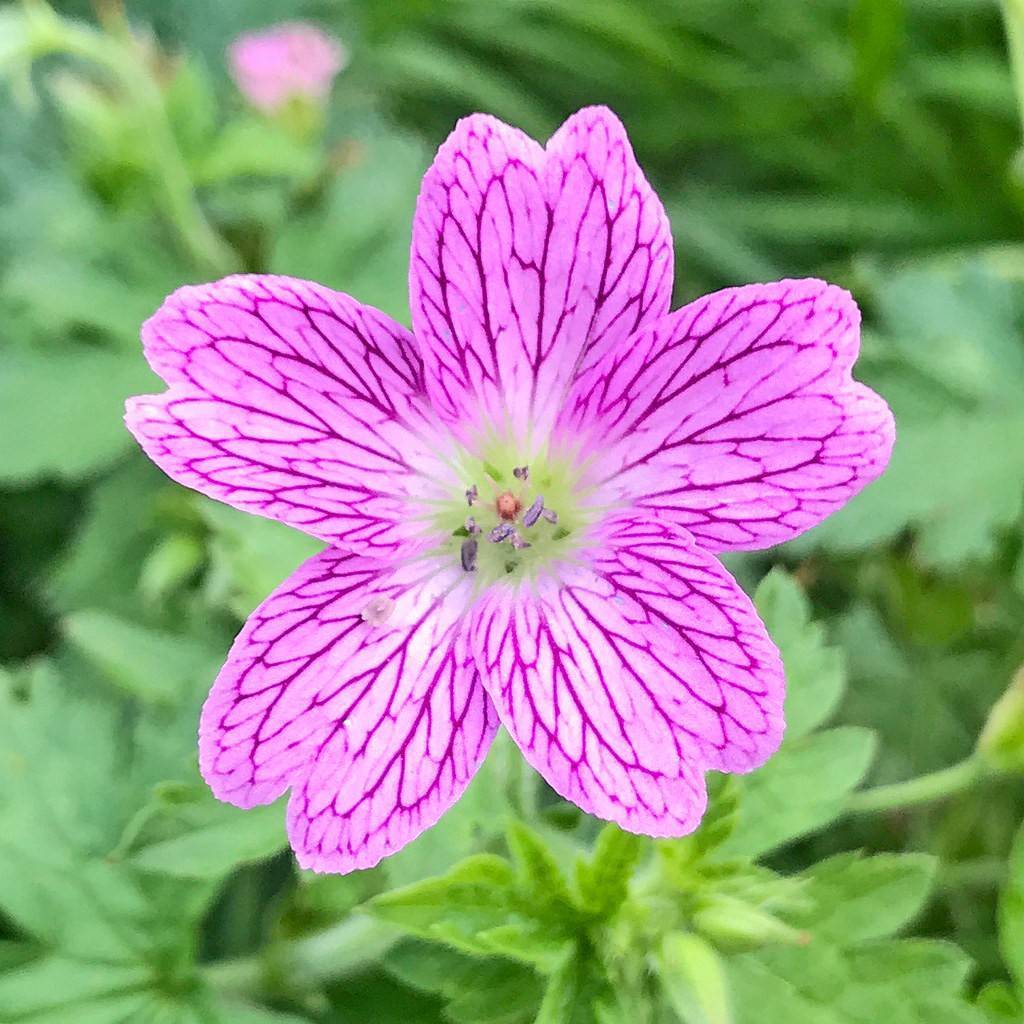
Endres's Cranesbill
Geranium endressii