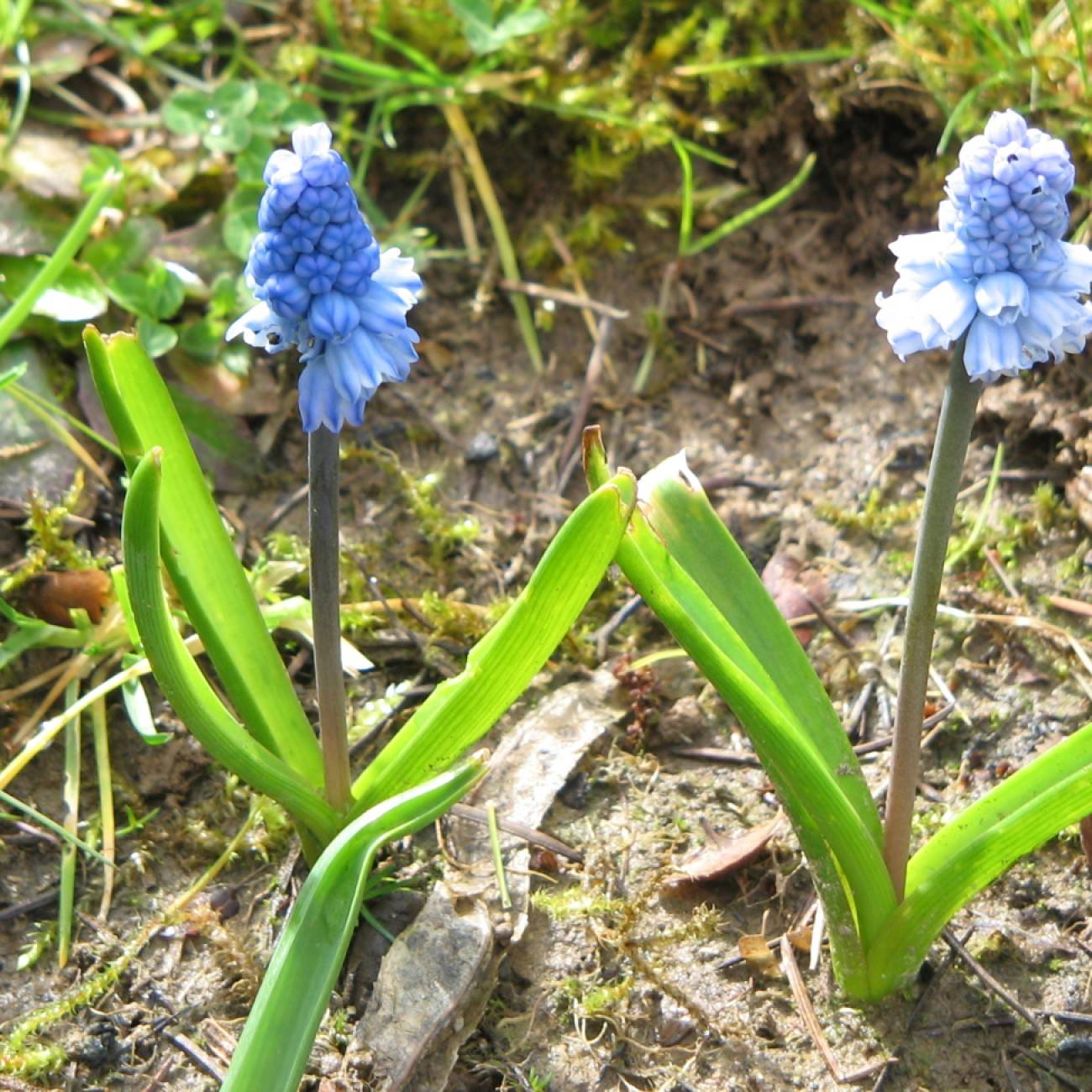
Grape Hyacinth
Muscari armeniacum
Overview
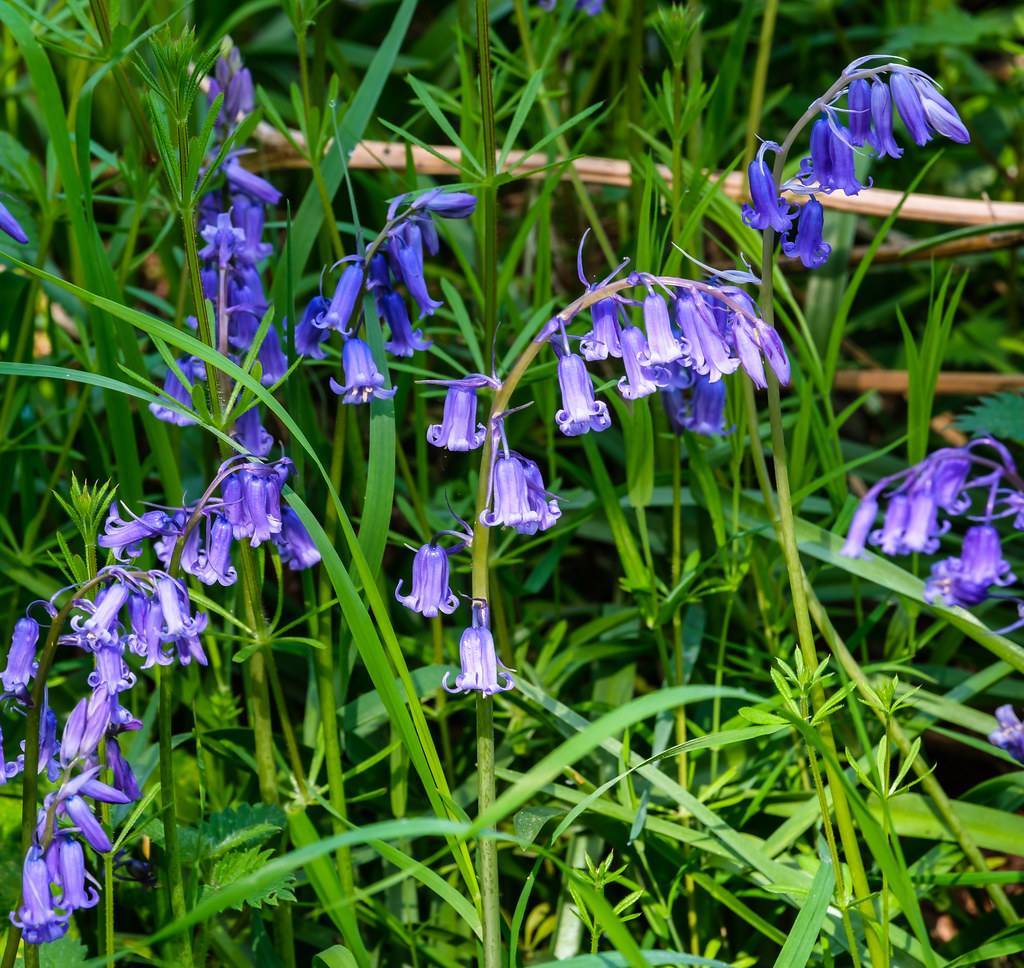
Grape hyacinth is a popular cold-hardy bulbous perennial named for its tight, rounded flower spikes that resemble clusters of tiny grapes. It emerges in early spring, producing narrow, grass-like green foliage before blooming for 3-4 weeks. It naturalizes readily in favorable conditions, spreading slowly to form dense, colorful drifts in gardens and landscapes.
Care Guide
Watering
Water regularly during active growth and blooming in spring, keeping soil evenly moist but not waterlogged to prevent bulb rot. Reduce watering gradually once foliage begins to yellow and die back after flowering, and keep soil dry during the summer dormant period. In fall, provide occasional deep water if rainfall is scarce to support root development before winter.
Light
Grow best in full sun to partial shade, with at least 4-6 hours of direct sunlight daily for optimal flowering. In warmer climates, light afternoon shade helps prevent foliage from scorching and extends the bloom period. Too much shade will result in sparse flowering and leggy growth.
Soil
Thrives in loose, well-drained, fertile loam or sandy soil with a neutral to slightly acidic pH between 6.0 and 7.0. Heavy clay soils that retain water must be amended with compost, peat moss, or coarse sand to improve drainage, as soggy soil will cause bulbs to rot over time. It tolerates poor, rocky soils as long as drainage is adequate.
Fertilizer
Apply a balanced, slow-release 10-10-10 fertilizer in early spring when new foliage first emerges, to support healthy growth and flowering. Avoid high-nitrogen fertilizers, which promote excessive leaf growth at the expense of blooms. A light topdressing of compost in fall can also supply nutrients for root development without overfeeding the plant.
Temperature
Grape hyacinth is cold-hardy in USDA zones 3 to 9, requiring 10-12 weeks of cold temperatures below 45°F (7°C) in winter to trigger spring blooming. It tolerates light frosts and snow cover without damage during its early spring growth period. In regions with mild winters, bulbs should be pre-chilled in the refrigerator for 10-12 weeks before planting to simulate cold dormancy.
Pruning
Deadhead spent flower spikes after blooming to prevent the plant from expending energy on seed production, unless you want it to self-seed and naturalize. Allow foliage to die back completely on its own, as the leaves photosynthesize to store energy in the bulb for the next year’s blooms. Once foliage turns yellow and wilts, typically 6-8 weeks after flowering, it can be gently pulled or cut back to ground level.
Propagation
Grape hyacinth propagates easily by dividing bulb offsets in late summer or early fall, when plants are dormant. Dig up mature clumps, carefully separate the small offset bulbs from the parent bulb, and replant them at the same depth as the parent bulb, 2-3 inches apart. It also self-seeds readily in ideal conditions, though volunteer seedlings may take 2-3 years to produce flowers.
Humidity
Tolerates a wide range of humidity levels, thriving in average outdoor humidity between 30% and 60% typical of its native growing regions. High humidity combined with poor drainage increases the risk of bulb rot, so ensure soil is well-aerated in damp climates. It does not require additional humidity and performs well in dry spring conditions as long as soil moisture is adequate.
Repotting
When grown in containers, grape hyacinth bulbs should be lifted and divided every 2-3 years in fall to prevent overcrowding, which reduces flowering. Use a well-draining potting mix formulated for bulbs, and plant bulbs 2-3 inches deep with pointed ends facing up, spaced 1-2 inches apart in the pot. After division, repot bulbs fresh soil, and water lightly to settle the soil around the roots before the winter dormant period.
Uses & Symbolism
Grape hyacinth is widely used in rock gardens, border edges, underplanting for taller spring bulbs like tulips and daffodils, and naturalized drifts in lawns and woodland gardens. It is also a popular container plant for spring patios and windowsills, and its cut flowers are used in small spring bouquets and floral arrangements. Its nectar-rich flowers attract early spring pollinators including bees and butterflies, supporting local ecosystem health.
Diseases & Pests
The most common issue is bulb rot, caused by overwatering or poorly draining soil, which leads to soft, mushy bulbs and stunted growth. Fungal diseases like botrytis blight may affect foliage and flowers in wet, humid conditions, causing brown spots and gray mold on plant tissue. Common pests include aphids, which feed on new growth and flower buds, and bulb mites, which damage underground bulbs in overly moist soil.
Guides that mention Grape Hyacinth
Related plants
Other plants you might like if you grow Grape Hyacinth.