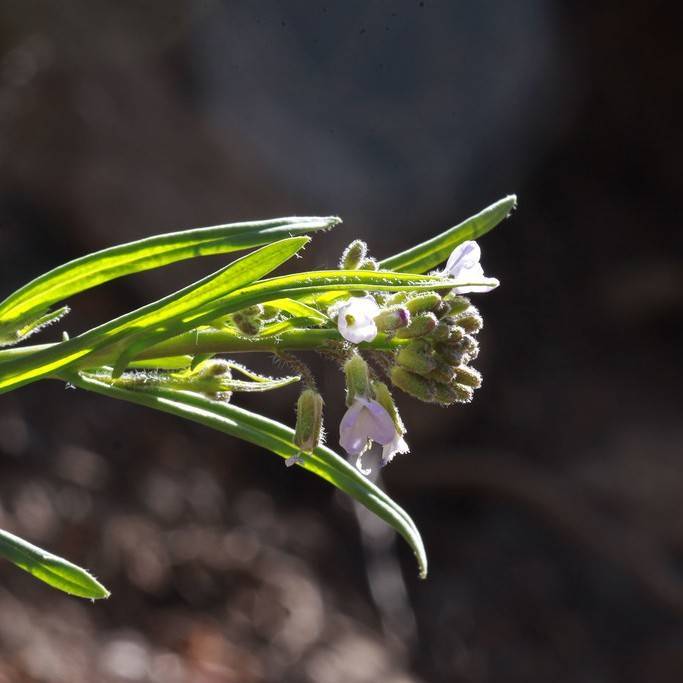
Elegant Rockcress
Arabis blepharophylla
Overview
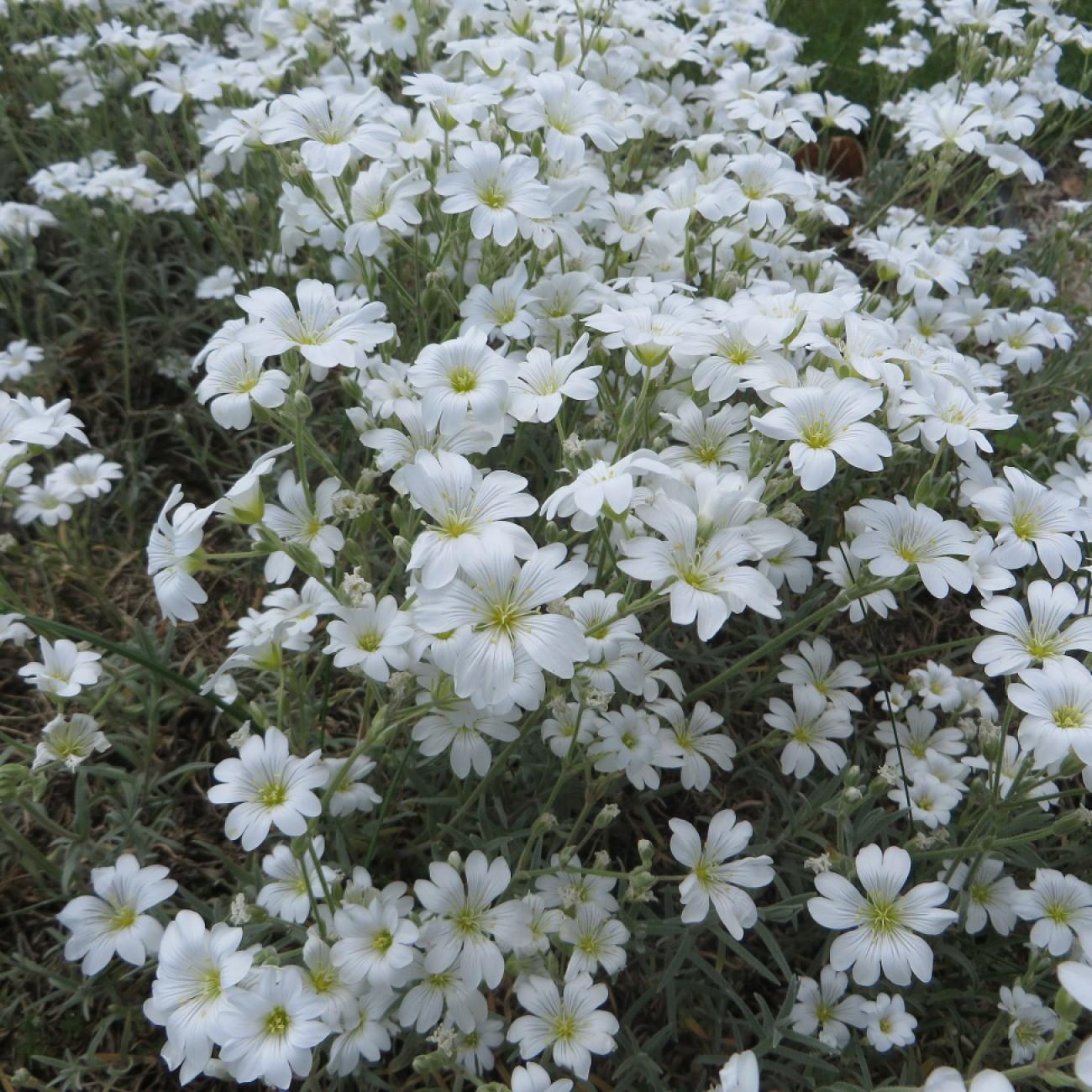
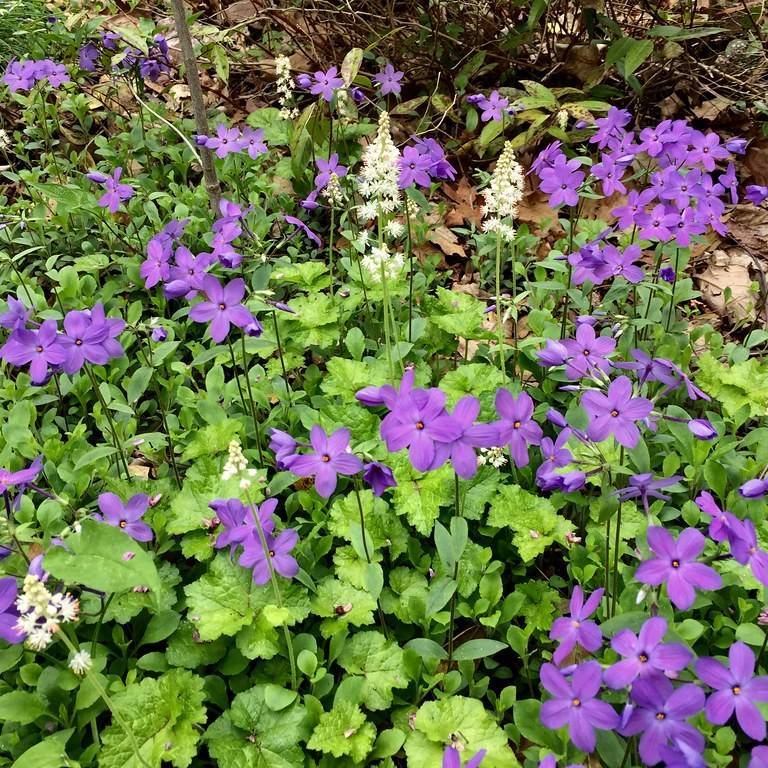
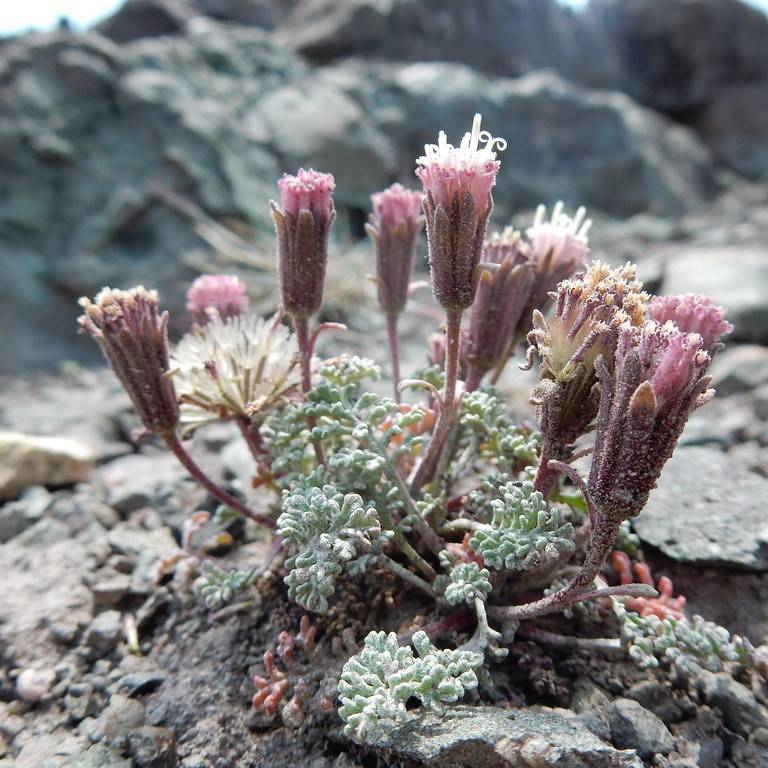
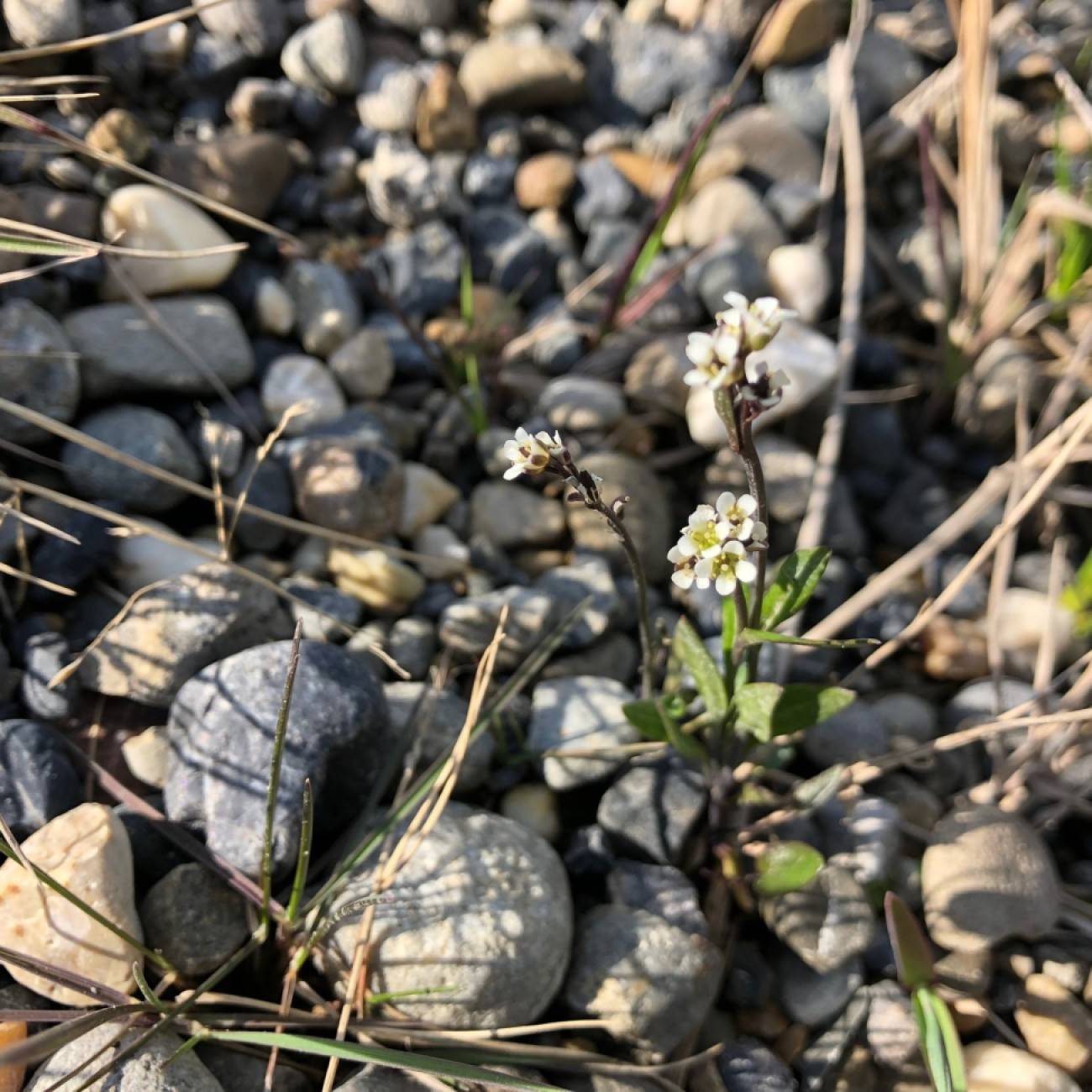
Elegant rockcress, also called coast rock cress, is a drought-tolerant herbaceous perennial native to coastal California’s bluffs and rocky slopes. It forms dense, low mats of fuzzy, gray-green foliage that remains semi-evergreen in mild climates, erupting in dense clusters of fragrant, bright rose-pink four-petaled flowers in early to mid-spring. It is a popular choice for alpine gardens, rock walls, and ground cover in water-wise landscapes, supporting native pollinators including bees and butterflies.
Care Guide
Watering
Water newly planted elegant rockcress regularly to establish a deep root system, then reduce frequency significantly, as mature plants are highly drought-tolerant. Avoid overwatering, especially in heavy soils, as prolonged moisture around the root zone will quickly cause root rot. During extended summer dry spells, a light, infrequent watering every 2-3 weeks is sufficient for established specimens.
Light
Elegant rockcress thrives in full, direct sun, requiring a minimum of 6 hours of unobstructed sunlight daily to produce abundant blooms and maintain a compact, dense growth habit. It can tolerate very light partial shade, particularly in regions with extremely hot summer afternoons, but too much shade will cause leggy growth and reduced flowering. When grown indoors, place it in a south-facing window with consistent bright light to support healthy growth.
Soil
This species prefers sharply draining, sandy or gravelly, low-fertility soil with a neutral to slightly alkaline pH, mimicking its native rocky bluff habitat. It will not tolerate heavy, water-retentive clay soils; amend planting sites with coarse sand, perlite, or crushed gravel to improve drainage if necessary. Avoid overly rich, organic soils, as these encourage excessive, weak foliage growth at the expense of blooms.
Fertilizer
Elegant rockcress has very low nutrient requirements and generally does not need regular fertilization, as excess nutrients lead to leggy growth and reduced drought tolerance. If planted in extremely poor, nutrient-depleted soil, apply a thin layer of compost or a diluted, balanced slow-release fertilizer once in early spring before new growth emerges. Avoid high-nitrogen fertilizers, as they promote foliage growth over flowering.
Temperature
It is hardy in USDA zones 5 through 8, tolerating winter lows down to -20°F (-29°C) as long as soils are well-drained and not waterlogged during freeze-thaw cycles. It prefers cool spring and fall temperatures, and will go partially dormant during extended periods of extreme summer heat above 90°F (32°C), requiring no extra care as long as it is not overwatered. In regions with hot, humid summers, provide light afternoon shade to reduce heat stress.
Pruning
After flowering finishes in late spring, shear back the entire plant by one-third to one-half to remove spent flower stalks and encourage dense, compact new foliage growth. This light shearing also prevents the plant from becoming leggy and reduces self-seeding if you do not want it to spread to adjacent areas. Remove any dead or damaged foliage in early spring before new growth begins to keep the plant looking tidy and reduce the risk of fungal disease.
Propagation
Elegant rockcress is most easily propagated by seed, sown directly outdoors in fall or early spring, or started indoors 6-8 weeks before the last expected frost date; seeds require light to germinate, so do not cover them with soil. You can also propagate established plants by division in early fall, carefully separating dense mats into smaller sections and replanting them in well-draining soil at the same depth they were previously growing. Softwood cuttings taken from new growth in late spring after flowering will also root readily in sandy, moist potting mix.
Humidity
This species prefers low to moderate humidity levels, typical of its native coastal California habitat, and does not thrive in high-humidity environments. Avoid placing it in areas with poor air circulation, as stagnant, humid air around the foliage increases the risk of powdery mildew and other fungal diseases. When grown indoors, ensure the space has good ventilation and avoid misting the foliage to prevent excess moisture buildup.
Repotting
When grown in containers, repot elegant rockcress every 2-3 years in early spring, moving it to a pot only one size larger than its current container to avoid excess soil moisture retention. Use a sharply draining potting mix formulated for succulents or alpine plants, with added perlite or coarse sand to improve drainage. Ensure the container has ample drainage holes, and avoid overwatering immediately after repotting to allow roots to settle and recover.
Uses & Symbolism
Elegant rockcress is primarily used as an ornamental ground cover in rock gardens, alpine gardens, and cascading over rock walls or edging for sunny garden beds, providing a burst of spring color with minimal maintenance. It is a key plant for drought-tolerant, water-wise landscaping, and supports native pollinators including solitary bees and small butterflies in its native range. It is also sometimes grown in alpine containers or trough gardens for patio display, where its trailing habit and spring blooms can be easily admired.
Diseases & Pests
Elegant rockcress is largely pest and disease resistant when grown in ideal conditions, but can be susceptible to root rot if planted in poorly draining soil or overwatered, especially during cool, wet weather. Fungal diseases including powdery mildew and downy mildew can occur in high-humidity conditions with poor air circulation, causing white or gray fuzzy growth on the foliage. Aphids and flea beetles may occasionally feed on new growth, though they rarely cause significant damage and can be controlled with a strong spray of water or insecticidal soap if populations become large.
Related plants
Other plants you might like if you grow Elegant Rockcress.