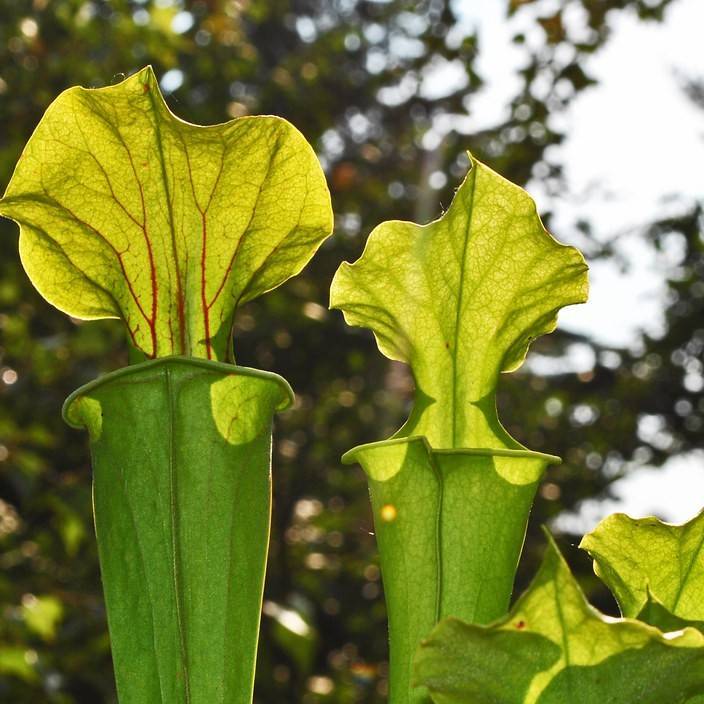
Green Pitcherplant
Sarracenia oreophila
Overview
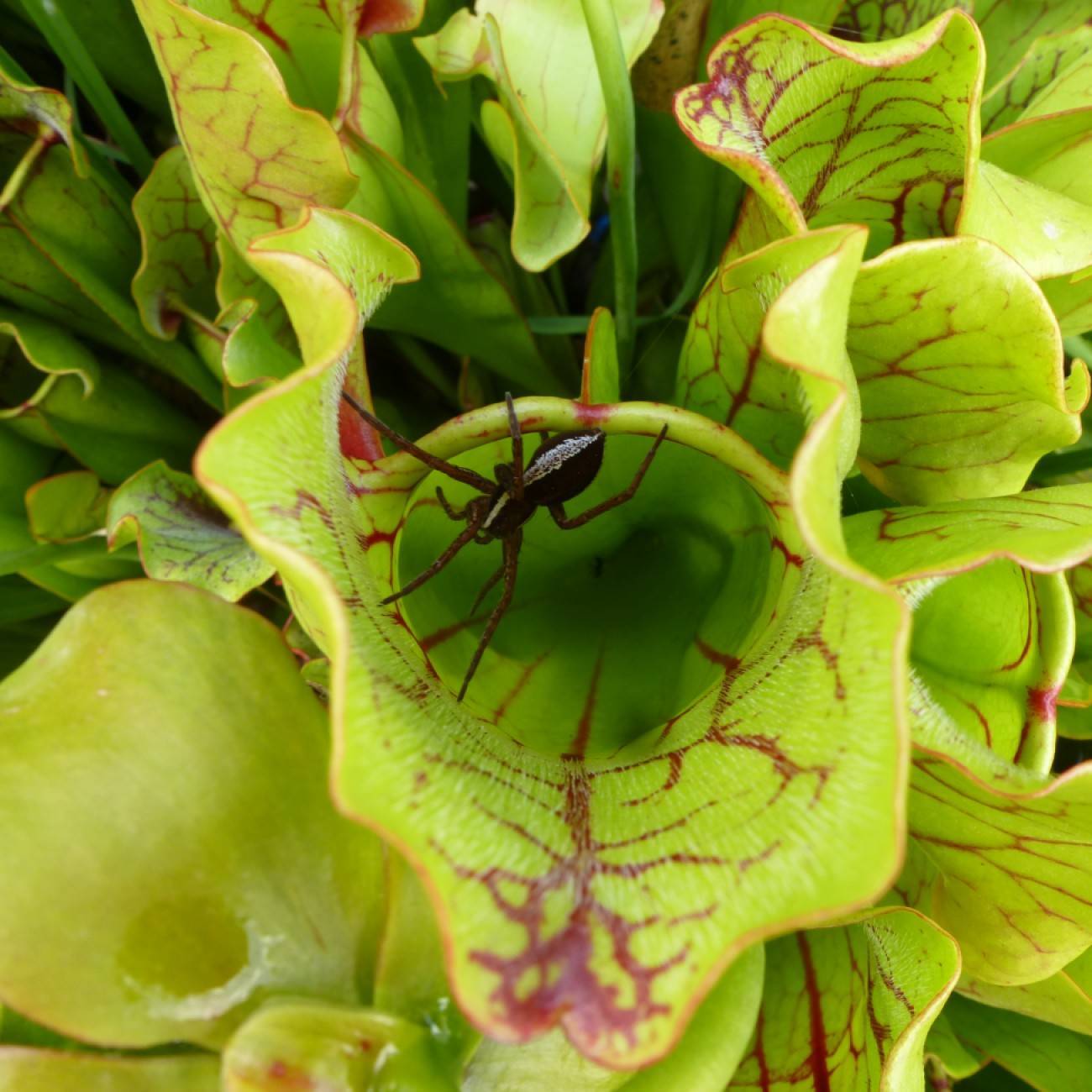
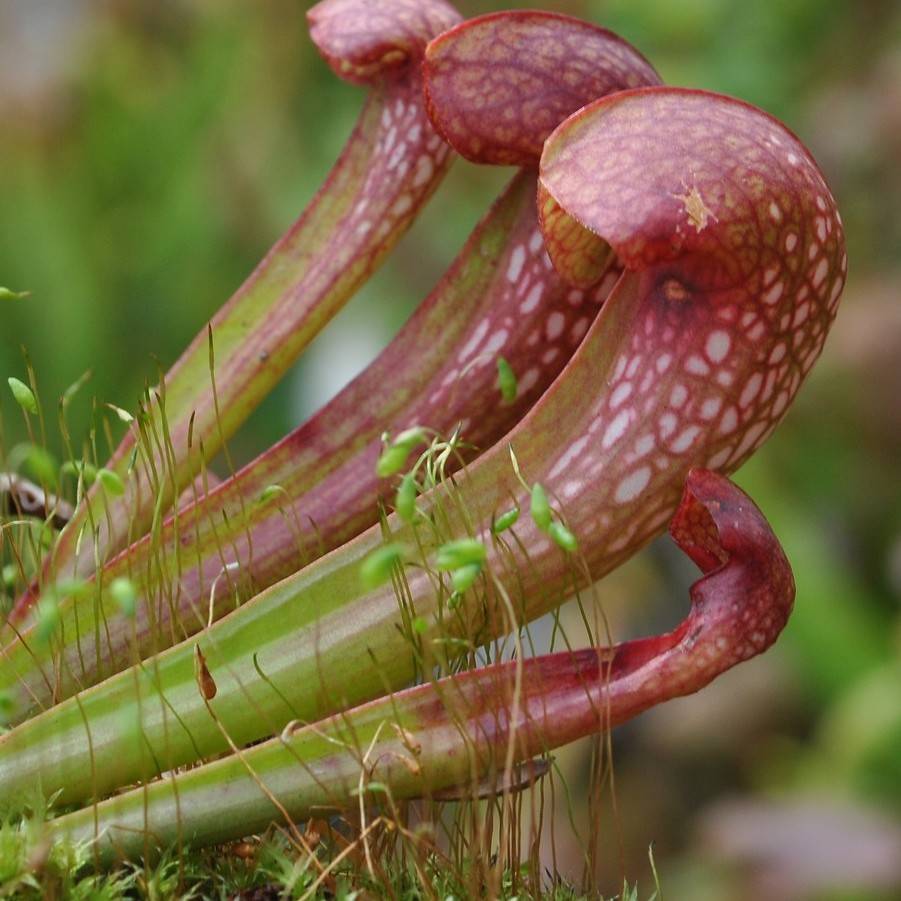
The green pitcherplant is a critically endangered carnivorous species adapted to nutrient-poor bog and seepage habitats, with tall, tubular green leaves modified into pitfall traps lined with downward-pointing hairs and digestive fluids to capture and break down insect prey. It produces nodding, bright yellow flowers on tall stalks in early spring, held above the pitchers to avoid trapping beneficial pollinators. Unlike many related pitcher plants, it often loses its larger summer pitchers in fall, producing smaller, non-carnivorous winter leaves to conserve energy in cold conditions.
Care Guide
Watering
Keep the soil consistently saturated with low-mineral water, such as rainwater, distilled water, or reverse-osmosis water, year-round; never allow the root zone to dry out completely, and avoid using tap water which contains harmful dissolved salts and minerals. During the winter dormant period, reduce watering slightly to keep the soil damp but not waterlogged to prevent root rot in cool temperatures.
Light
Requires full, direct sunlight for 6-8 hours daily to thrive, producing the most robust pitcher growth and vivid coloration when given ample light; insufficient light leads to weak, floppy growth and reduced pitcher production. If grown indoors, place it in a south-facing window or supplement with full-spectrum grow lights for 12-14 hours per day during the growing season.
Soil
Plant in a well-draining, nutrient-free acidic medium, typically a 1:1 mix of sphagnum peat moss and perlite or horticultural sand, with a pH between 4.0 and 5.5. Avoid potting mixes with added fertilizers, compost, or manure, as these contain high nutrient levels that will burn the plant’s sensitive roots and kill it.
Fertilizer
Do not apply conventional root fertilizers, as the green pitcherplant is adapted to low-nutrient environments and excess nutrients will damage its root system. If grown indoors where insects are scarce, you can feed mature pitchers 1-2 small insects per month during the growing season to supplement their nutrient intake, but avoid overfeeding which can cause pitcher rot.
Temperature
Thrives in warm growing season temperatures between 60-85°F (15-29°C), and requires a 3-4 month cold dormant period in winter with temperatures between 32-50°F (0-10°C) to maintain long-term health. It can tolerate short dips below freezing down to 20°F (-7°C) when dormant, but prolonged exposure to extreme cold will damage the root system.
Pruning
Remove brown, withered pitchers and spent flower stalks at the base of the plant throughout the growing season to improve air circulation and prevent fungal growth. At the start of the dormant period, trim back any remaining dead summer foliage, leaving the smaller winter leaves intact to support the plant through its rest phase.
Propagation
Most commonly propagated by rhizome division in late winter or early spring, just before new growth emerges; carefully separate sections of the rhizome with at least one growth point and plant each division in its own pot of suitable carnivorous plant soil. It can also be grown from seed, but seeds require 4-6 weeks of cold stratification to germinate, and seedlings take 3-5 years to reach mature flowering size.
Humidity
Prefers moderate to high humidity levels between 50-70% for optimal pitcher development; low humidity below 40% can cause the tops of new pitchers to dry out before they fully open. If grown indoors in a dry environment, place the pot on a tray filled with pebbles and water to raise ambient humidity around the plant, or use a small humidifier nearby.
Repotting
Repot every 2-3 years in early spring before new growth begins, replacing the old growing medium to prevent compaction and acid depletion. Choose a pot that is 2-3 inches wider than the root ball, with drainage holes to allow excess water to escape, and avoid disturbing the roots more than necessary during the repotting process.
Uses & Symbolism
The green pitcherplant is grown as a specialty ornamental plant for bog gardens, carnivorous plant collections, and indoor terrariums, valued for its unique carnivorous structure and bright spring flowers. It also serves a small ecological role in its native habitat by controlling small insect populations and providing food for specialized insect species that live within its pitchers without being digested. Due to its critically endangered status, cultivated plants also support conservation efforts by reducing pressure on wild populations collected illegally for the horticultural trade.
Diseases & Pests
The most common issues are root rot caused by overwatering during dormancy, poor drainage, or use of high-mineral water, which presents as yellowing foliage and soft, mushy rhizomes. Fungal leaf spot and powdery mildew can occur in overly humid conditions with poor air circulation, particularly on damaged or dying foliage. Common pests include aphids, thrips, and pitcher plant moths, which feed on new growth and the inside of pitchers; small infestations can be removed by hand, while larger infestations may be treated with insecticidal soap, avoiding contact with the digestive fluids inside pitchers.
Related plants
Other plants you might like if you grow Green Pitcherplant.