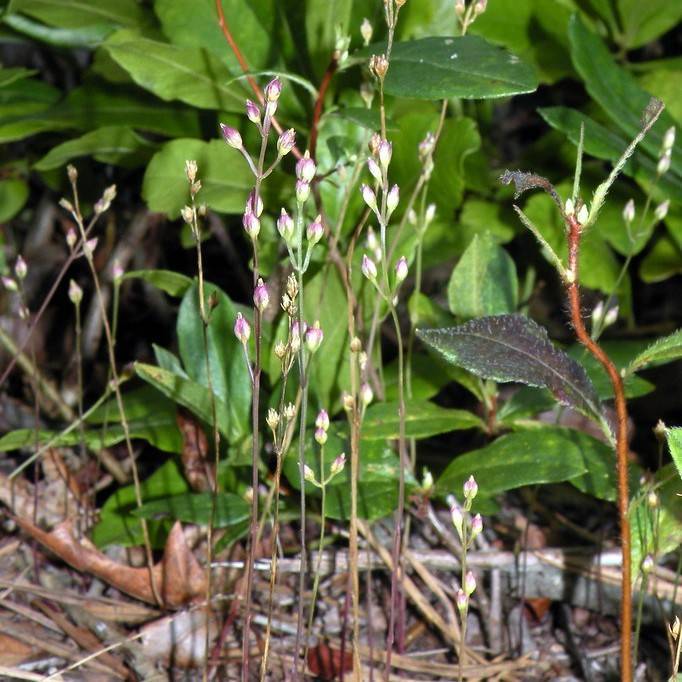
Branched Bartonia
Bartonia paniculata
Overview
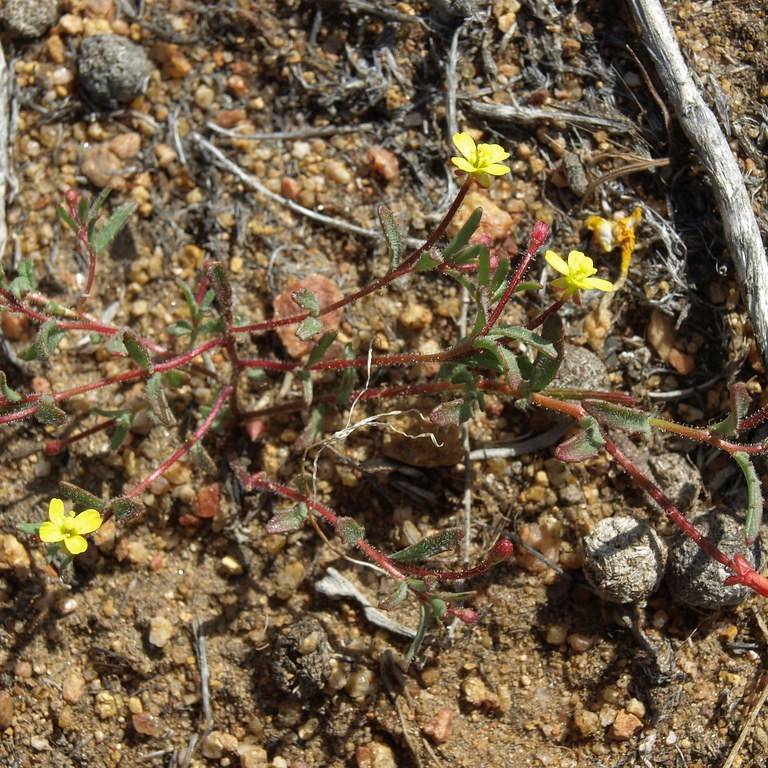
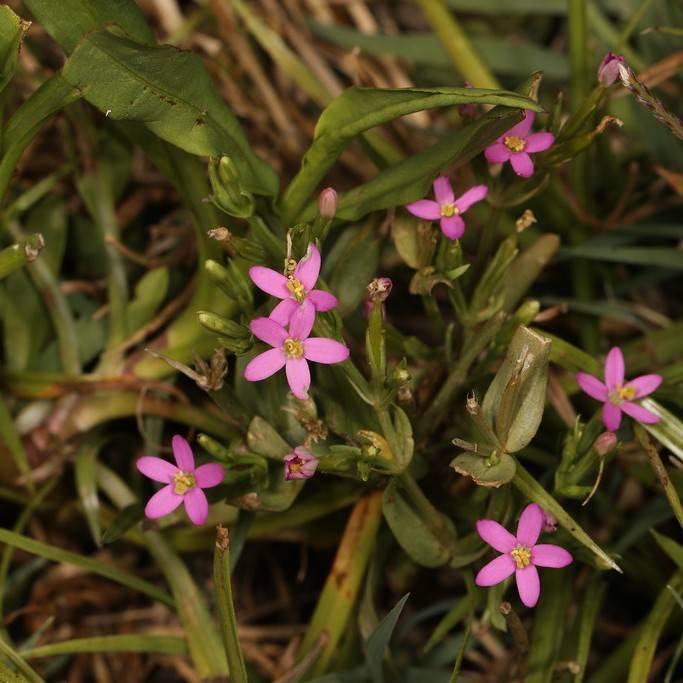
Branched Bartonia is a diminutive, semi-parasitic wetland plant that often grows attached to the roots of neighboring host plants to supplement nutrient intake. It features slender, four-angled branching stems with tiny, scale-like reduced leaves, making it easy to overlook in dense marshy vegetation. Its inconspicuous, sessile flowers bloom in narrow terminal or axillary clusters, attracting small native pollinators in its native bog, fen, and wet meadow habitats.
Care Guide
Watering
Branched Bartonia requires consistently saturated, waterlogged soil year-round, as it is adapted to permanently wet bog and fen conditions. It will not tolerate drying out at any point in its growth cycle, so growing medium should never drop below field capacity. In cultivation, it is best suited for bog gardens or submerged planters that maintain constant soil moisture.
Light
This species thrives in full sun to partial shade, preferring at least 4 hours of direct sunlight daily for optimal flower production. In its native southern range, it benefits from light afternoon shade to protect its delicate stems from intense midday heat. Too much deep shade will lead to sparse growth and minimal flowering.
Soil
Branched Bartonia requires acidic, nutrient-poor peat or sandy peat soil with a pH between 3.5 and 5.5, typical of undisturbed wetland habitats. The soil must be high in organic matter and poorly drained to mimic its native bog conditions. It does not grow in neutral or alkaline soils, or in substrates high in mineral nutrients.
Fertilizer
This semi-parasitic plant draws most of its nutrients from host plant roots and surrounding organic matter, so supplemental fertilization is not required and may even harm its sensitive root system. Excess nitrogen or phosphorus in the soil will lead to overgrowth of competing vegetation that can outcompete this small, slow-growing annual. In cultivation, no fertilizer should be added to bog garden beds containing this species.
Temperature
Branched Bartonia is adapted to temperate North American climates, thriving in summer temperatures between 60–85°F (15–29°C) and tolerating short periods of light frost in early fall. It overwinters as seed, so seeds require a 30–60 day cold stratification period at temperatures between 33–40°F (1–4°C) to germinate successfully the following spring. Extreme heat above 90°F (32°C) for extended periods can cause stem wilting and premature death.
Pruning
No regular pruning is required for this small annual, as its natural growth habit is compact and self-limiting. Dead or yellowed stems can be gently removed to improve air circulation if fungal growth is observed, but excessive handling can damage its delicate structure. At the end of the growing season, allow seed heads to remain intact to support natural self-seeding for the following year.
Propagation
Branched Bartonia is most commonly propagated from seed, which requires cold stratification for 30–60 days before sowing on the surface of saturated acidic peat soil. Seed should not be buried, as it requires light to germinate, and sowing medium must be kept consistently wet throughout the germination period. It can also be propagated by transplanting young seedlings in early spring, though root disturbance should be minimized to avoid harming its delicate semi-parasitic root connections.
Humidity
This species prefers high humidity levels between 60–80%, typical of its native wetland habitats. Low humidity levels below 50% can cause stem desiccation and flower drop, so indoor or container cultivation requires regular misting or placement in a humid enclosure. In outdoor bog gardens, surrounding wet vegetation will naturally maintain sufficient ambient humidity for healthy growth.
Repotting
As an annual, Branched Bartonia does not require repotting during its short single-season lifespan. If grown in containers, it should be sown directly in its permanent saturated bog planter to avoid root disturbance that can damage its sensitive semi-parasitic root system. After the growing season, spent plants can be removed, and fresh seed can be sown in the same container the following spring after stratification.
Uses & Symbolism
Branched Bartonia is primarily used in native wetland restoration projects to support biodiversity in bog and fen habitats, as it provides a minor nectar source for small native bees and pollinators. It is occasionally grown in specialty native bog gardens as a delicate, unusual specimen plant for plant enthusiasts interested in rare wetland species. It has no recorded edible or medicinal uses, though it is valued as an indicator species for undisturbed, high-quality acidic wetland ecosystems.
Diseases & Pests
Branched Bartonia is relatively pest-free in its native habitat, but it can be affected by fungal root rot if grown in stagnant, non-aerated saturated soil. Aphids and spider mites may occasionally feed on its soft stem tissue in low-humidity conditions, though infestations are rare in outdoor wetland settings. It is also highly vulnerable to competition from aggressive wetland plants like cattails and reed canary grass, which can quickly outcompete its small, slow-growing structure in degraded habitats.
Related plants
Other plants you might like if you grow Branched Bartonia.