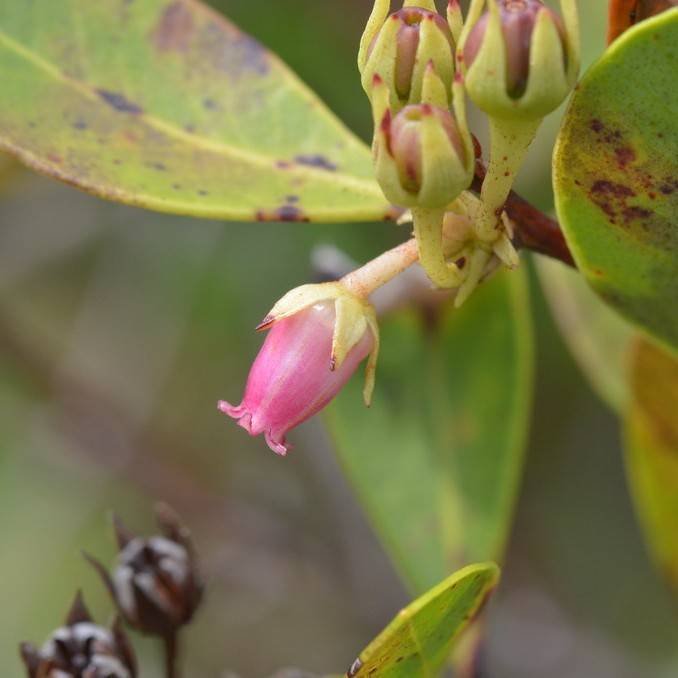
Fetter Bush
Lyonia lucida
Overview
Fetter bush, also called shiny lyonia, is a dense evergreen shrub adapted to the acidic, saturated soils of coastal plain bogs, swamps, and pine flatwoods. Its glossy, elliptical leaves stay deep green year-round, and in early to mid-spring, it bears drooping clusters of small, urn-shaped flowers that attract native bees and butterflies. The shrub’s dense, tangled growth habit creates valuable cover for small wildlife and helps stabilize wetland soils.
Care Guide
Watering
Fetter bush thrives in consistently moist to wet soil, so water regularly to keep the root zone saturated, especially during dry periods; it can tolerate temporary flooding but will suffer if allowed to dry out completely. Avoid overwatering in non-wetland garden settings where drainage is poor, as this can lead to root rot if soil is not naturally acidic and well-aerated.
Light
It grows best in full sun to partial shade, with more abundant flower production occurring in full sun exposures. In hotter, inland parts of its range, provide light afternoon shade to prevent leaf scorch and reduce moisture loss from the soil.
Soil
This ericaceous shrub requires strongly acidic, well-drained yet moisture-retentive soil with a pH between 4.0 and 5.5, high in organic matter like peat moss or decomposed pine needles. Avoid alkaline soils, as these will cause nutrient deficiencies, yellowing leaves, and stunted growth over time.
Fertilizer
Fertilize sparingly in early spring with a slow-release, acid-forming fertilizer formulated for azaleas or rhododendrons, as over-fertilization can burn the shallow, sensitive root system. Skip fertilization entirely if the plant is growing in nutrient-rich wetland soil, as natural organic decomposition will provide sufficient nutrients.
Temperature
It is hardy in USDA zones 7 through 10, tolerating winter lows down to 0°F (-18°C) without significant damage. Protect young plants from extreme cold snaps with a layer of mulch around the root zone, as their shallow roots are more vulnerable to freezing.
Pruning
Prune immediately after flowering ends in late spring to maintain a compact shape and remove any dead, damaged, or crossing branches. Avoid heavy pruning in fall or winter, as this will remove the following year’s flower buds that form on old wood.
Propagation
Most commonly propagated by semi-hardwood cuttings taken in mid-summer, dipped in rooting hormone, and kept in a moist, acidic growing medium under high humidity until roots form. It can also be grown from fresh seed sown in fall, though germination is slow and may take 6 to 12 months, with seedlings taking several years to reach flowering size.
Humidity
Fetter bush prefers high humidity levels of 60% or higher, typical of its native wetland habitats, and will struggle in excessively dry, arid conditions. When grown in garden settings outside of its native range, mist regularly or place a tray of pebbles and water near the plant to boost ambient humidity if needed.
Repotting
Fetter bush is rarely grown in containers, but if potted, repot every 2 to 3 years in early spring using an acidic, peat-based potting mix for ericaceous plants. Choose a pot with ample drainage holes to prevent waterlogging, and avoid disturbing the shallow root system excessively during repotting to reduce transplant shock.
Uses & Symbolism
Fetter bush is a popular choice for native wetland restoration projects, rain gardens, and bog gardens, as it helps control erosion and supports local pollinator and wildlife populations. It also makes an attractive, low-maintenance evergreen hedge for acidic, moist landscape sites where other shrubs struggle to thrive. Historically, some Indigenous groups used its wood for small craft items, though its toxicity prevents any edible or medicinal use.
Diseases & Pests
Fetter bush is relatively pest and disease resistant, but may develop leaf spot or powdery mildew in overly shaded, poorly ventilated conditions. Root rot can occur if the plant is grown in alkaline or poorly drained soil, and lace bugs may occasionally feed on the undersides of leaves, causing yellow stippling if populations are high.
Related plants
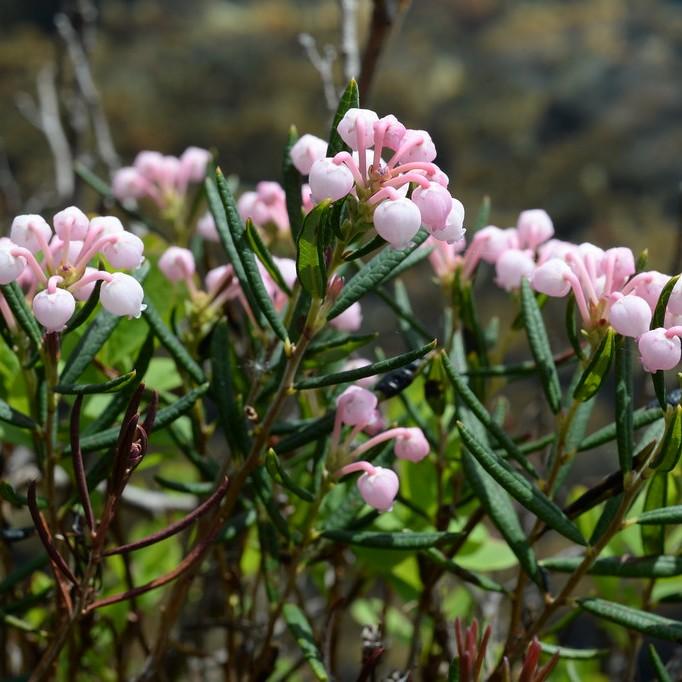
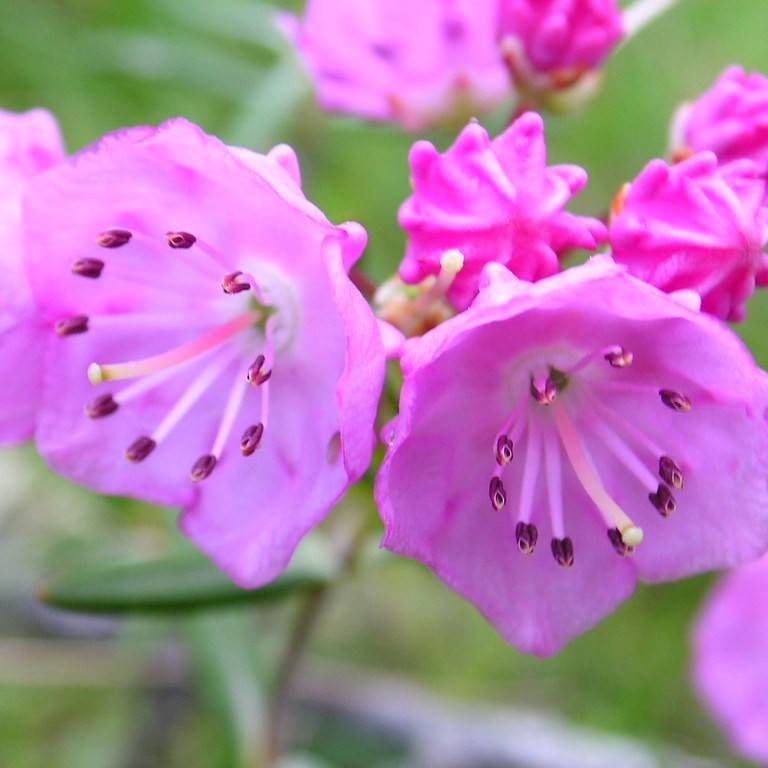
Other plants you might like if you grow Fetter Bush.
%22%2F%3E%0A%20%20%20%20%20%20%3Ccircle%20cx%3D%22920%22%20cy%3D%22180%22%20r%3D%2290%22%20fill%3D%22%23cfe8d5%22%2F%3E%0A%20%20%20%20%20%20%3Cpath%20d%3D%22M600%20590c-90-180-215-255-310-280%200%20165%20118%20296%20270%20296h40z%22%20fill%3D%22%2379b88e%22%2F%3E%0A%20%20%20%20%20%20%3Cpath%20d%3D%22M600%20590c80-150%20198-212%20302-228-8%20142-123%20255-270%20255h-32z%22%20fill%3D%22%235c9f73%22%2F%3E%0A%20%20%20%20%20%20%3Cpath%20d%3D%22M600%20610V360%22%20stroke%3D%22%234f8c64%22%20stroke-width%3D%2218%22%20stroke-linecap%3D%22round%22%2F%3E%0A%20%20%20%20%20%20%3Ctext%20x%3D%22600%22%20y%3D%22700%22%20text-anchor%3D%22middle%22%20font-family%3D%22Arial%2C%20sans-serif%22%20font-size%3D%2244%22%20fill%3D%22%23365c45%22%3E%0A%20%20%20%20%20%20%20%20Plant%20image%20coming%20soon%0A%20%20%20%20%20%20%3C%2Ftext%3E%0A%20%20%20%20%3C%2Fsvg%3E%0A%20%20)