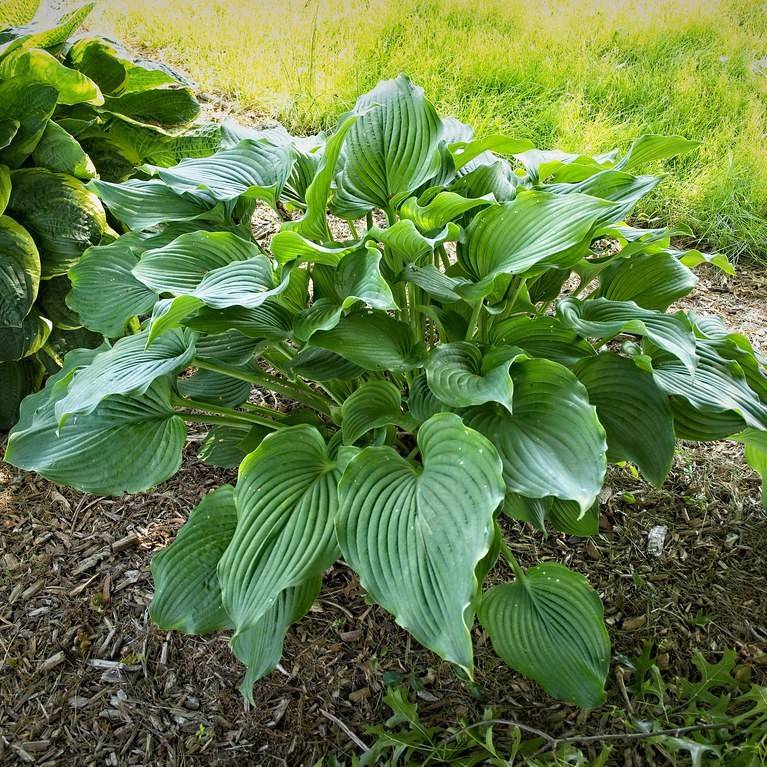
Green Dragon
Arisaema dracontium
Overview
Green Dragon is a herbaceous understory perennial closely related to the better-known Jack-in-the-pulpit, distinguished by its single, large compound leaf with 7 to 15 leaflets arranged in a palmate pattern. Its most recognizable feature is its inflorescence: a narrow, hooded green spathe wrapped around a slender, elongated spadix that can extend up to 10 inches beyond the spathe, resembling a mythical dragon’s tongue. The plant goes dormant in late summer after producing clusters of bright red berries that provide food for native wildlife.
Care Guide
Watering
Keep soil consistently moist but not waterlogged throughout the active growing season, from spring to early summer. Reduce watering gradually as foliage begins to yellow and die back in late summer, and keep the dormant corms barely moist during the winter months to prevent rot. Avoid letting the root zone dry out completely while the plant is in leaf, as this will trigger premature dormancy.
Light
Thrives in partial to full shade, replicating the dappled sunlight of its native deciduous woodland habitat. It can tolerate a few hours of gentle morning sun, but direct midday or afternoon sun will scorch its delicate foliage and cause stunted growth. For indoor cultivation, place it in a north-facing window or under bright, filtered grow lights with no direct sun exposure.
Soil
Requires rich, humusy, well-draining soil with a high organic matter content and a slightly acidic to neutral pH between 5.5 and 7.0. A mix of equal parts leaf mold, loam, and perlite or coarse sand works well to replicate its native forest floor environment. Heavy clay soils that retain excess moisture will cause corm rot, so amend heavy sites with ample compost before planting.
Fertilizer
Feed lightly in early spring as new growth emerges, using a balanced, slow-release organic fertilizer diluted to half the recommended strength. You can also top-dress the soil with a 1-inch layer of well-rotted leaf mold or compost each spring to provide steady, low-dose nutrients throughout the growing season. Avoid over-fertilizing, especially with high-nitrogen formulas, as this can promote excessive leaf growth at the expense of flowering and weaken the corm over time.
Temperature
Prefers cool, temperate growing conditions between 50-75°F (10-24°C) during its active spring and summer growth period. It is cold-hardy to USDA zones 4 through 8, requiring a 2 to 3 month cold dormancy period with temperatures between 32-45°F (0-7°C) to bloom reliably the following year. Indoor grown plants should be moved to a cool, dark location during dormancy, and will not tolerate sustained temperatures above 80°F (27°C) while in active growth.
Pruning
Pruning is minimal for Green Dragon; remove any yellowed or damaged foliage during the growing season by cutting the stem at the base with clean, sharp shears. Once the plant goes fully dormant in late summer or early fall, you can cut back all dead foliage to ground level to keep the planting area tidy and reduce the risk of fungal pathogens overwintering in debris. Avoid cutting green foliage prematurely, as this will prevent the corm from storing enough energy for the next growing season.
Propagation
Green Dragon is most easily propagated by dividing mature corms in late fall or early winter while the plant is fully dormant, separating small offset corms from the parent and planting them 2 to 3 inches deep in prepared soil. It can also be grown from seed collected from ripe red berries in late summer; sow seeds immediately in moist, shaded seed beds, as they lose viability quickly when dried, and expect germination within 1 to 2 years, with flowering occurring 3 to 4 years after sowing. Avoid disturbing established plants unnecessarily, as they can take several years to re-establish after being moved.
Humidity
Thrives in moderate to high humidity levels between 50-70%, matching the humid conditions of its native woodland understory. For indoor cultivation, boost humidity by placing the pot on a tray filled with pebbles and water, or running a small humidifier near the plant during dry winter months. Low humidity will cause leaf edges to brown and crisp, and can reduce flowering success.
Repotting
Outdoor plants rarely need repotting, but container-grown specimens should be repotted every 2 to 3 years during dormancy in late fall, moving them to a pot one size larger with fresh, humus-rich potting mix. When repotting, inspect corms for signs of rot, discard any soft, discolored sections, and plant corms 2 to 3 inches deep with the growing tip facing upward. Avoid repotting during active growth, as this will shock the plant and may cause it to go dormant early.
Uses & Symbolism
Green Dragon is primarily grown as an ornamental shade garden plant, adding unique textural and visual interest to woodland gardens, native plant landscapes, and shaded rock gardens. Its distinctive foliage and unusual inflorescence make it a popular choice for collectors of rare or unusual native perennials, and its berries provide a valuable food source for native songbirds and small mammals in late summer. Historically, some Indigenous North American communities used carefully prepared, thoroughly cooked corms as a starchy food source, but raw or underprepared plant material is highly toxic and should never be consumed.
Diseases & Pests
Green Dragon is relatively pest and disease resistant when grown in its preferred conditions, but overwatering or poorly draining soil commonly leads to corm rot, a fungal infection that causes soft, mushy corms and sudden wilting of foliage. Slugs and snails may feed on young, tender foliage in spring, especially in very moist, shaded sites, and can be controlled with hand-picking, organic slug baits, or copper barriers around planting areas. Fungal leaf spot may occur in excessively humid conditions with poor air circulation, which can be prevented by spacing plants properly to allow air flow and avoiding overhead watering that wets the foliage.
Related plants
Other plants you might like if you grow Green Dragon.
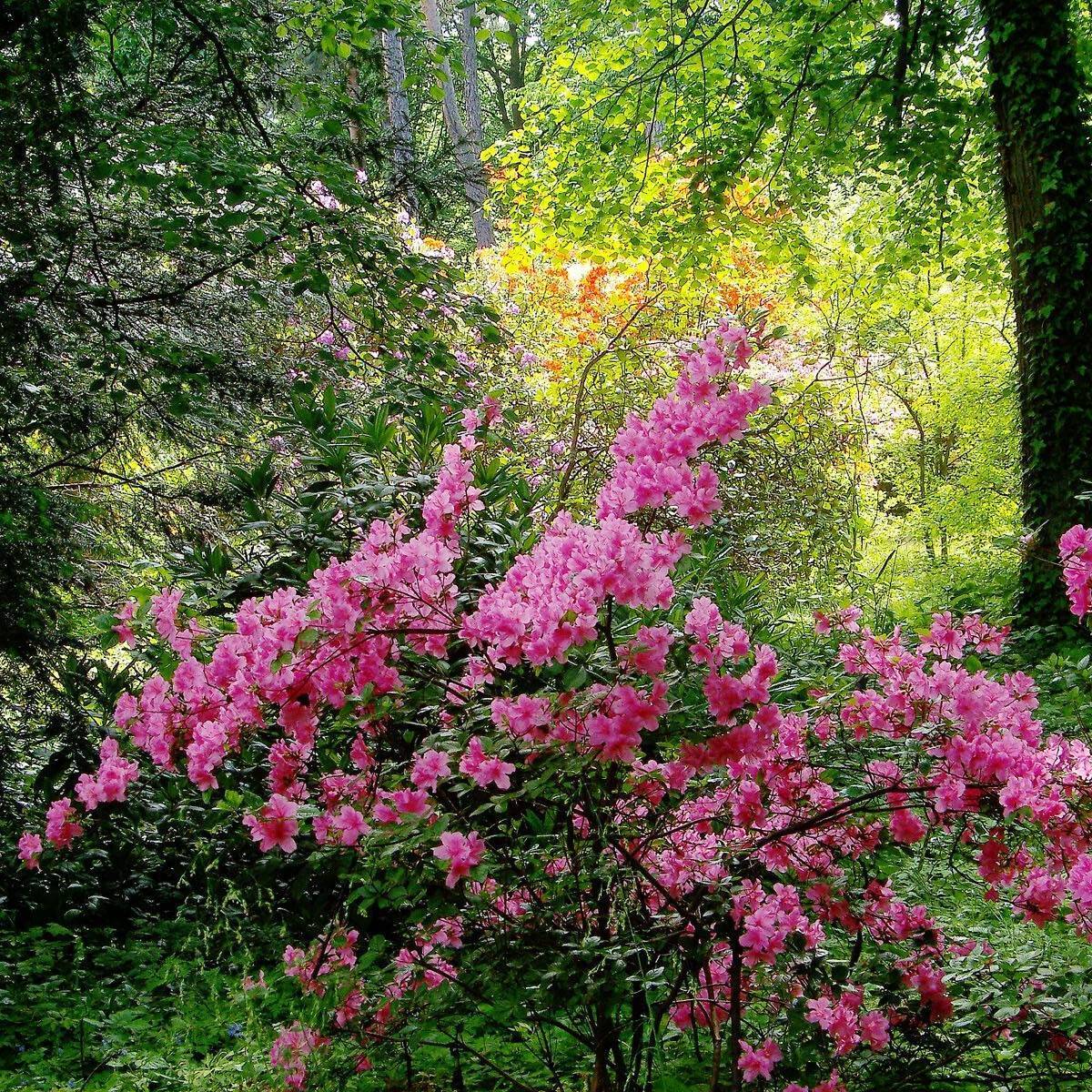
Catawba Rhododendron
Rhododendron catawbiense
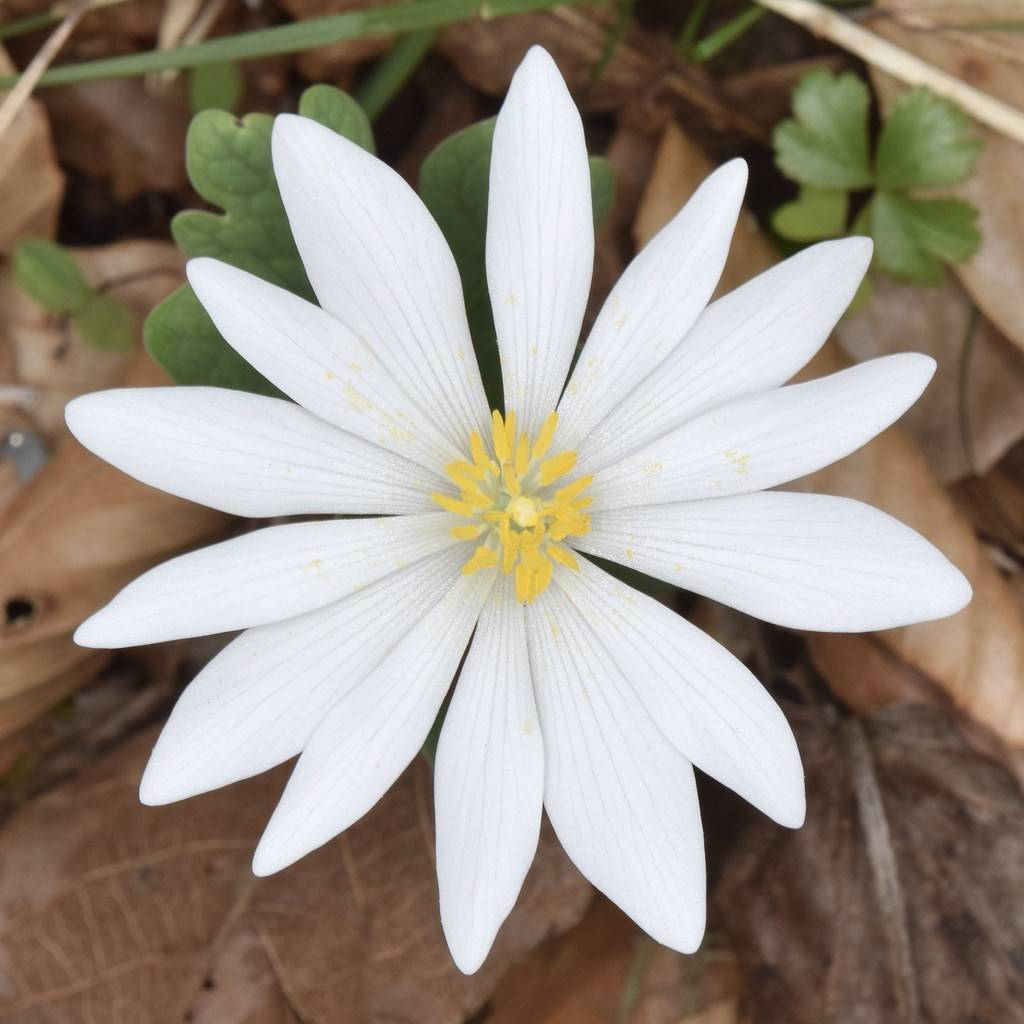
Bloodroot
Sanguinaria canadensis
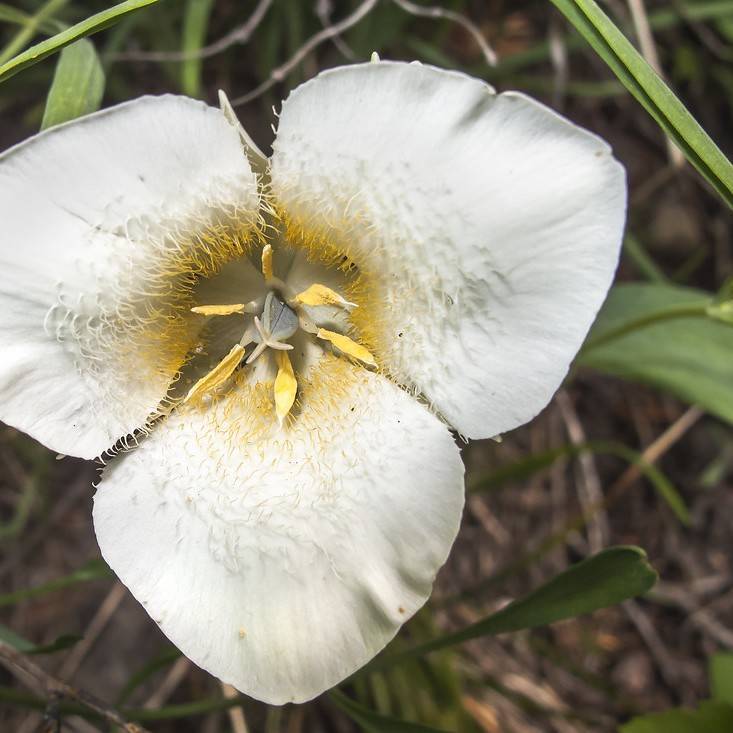
Baker's Mariposa Lily
Calochortus apiculatus
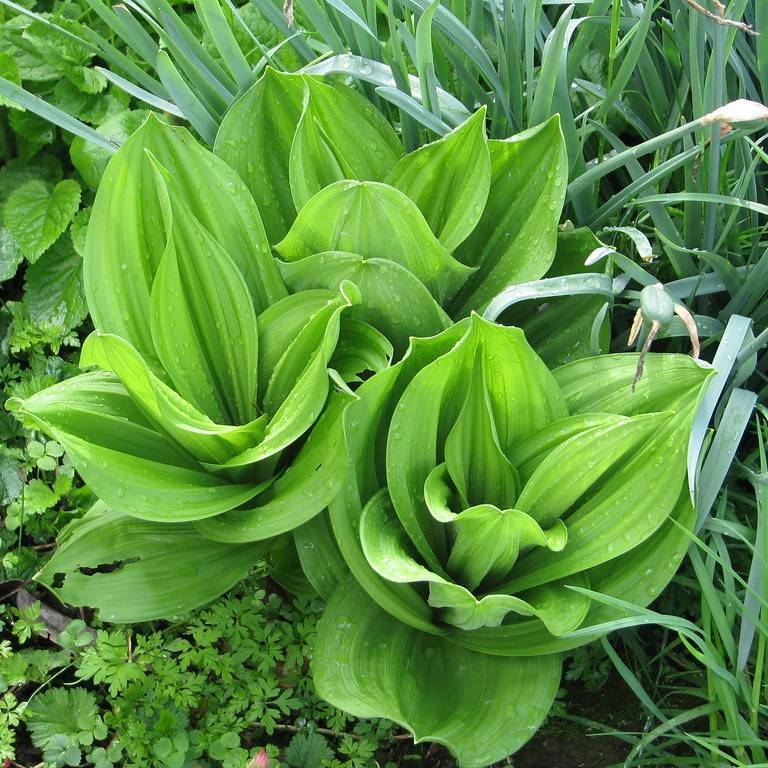
Black False Hellebore
Veratrum nigrum
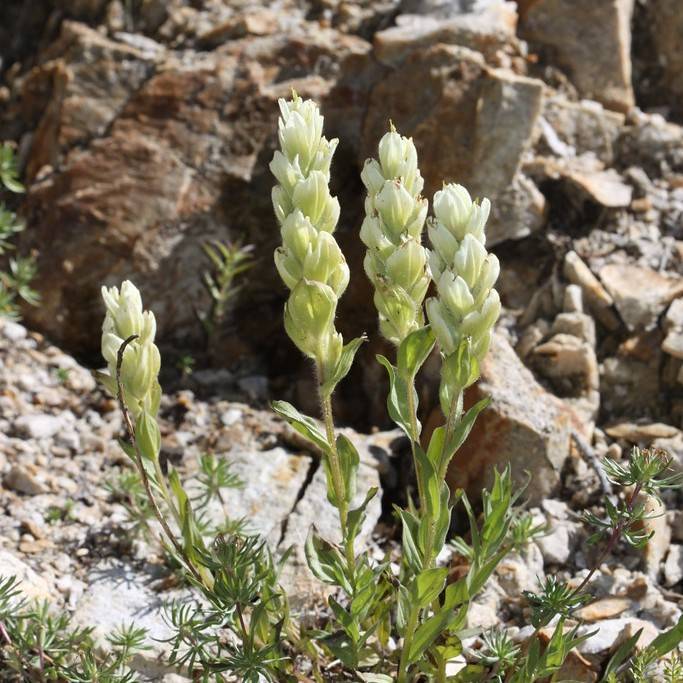
Labrador Indian Paintbrush
Castilleja septentrionalis
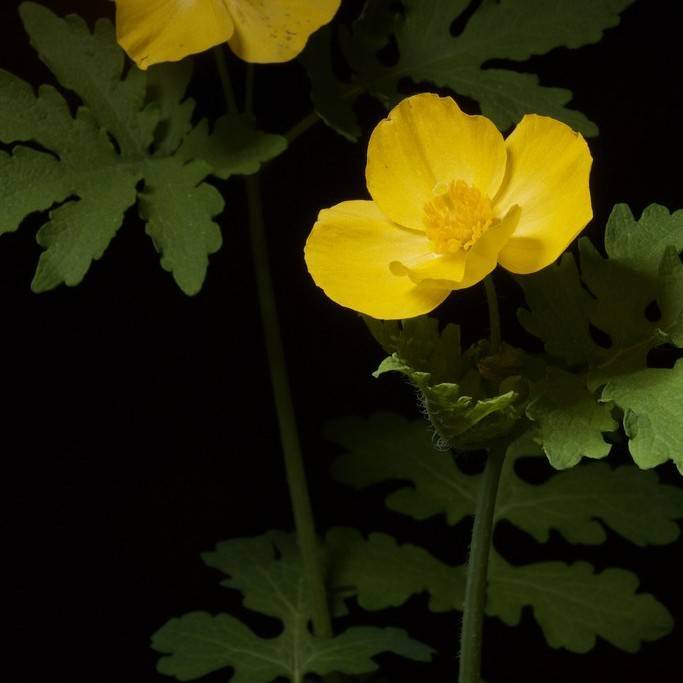
Celandine Poppy
Stylophorum diphyllum
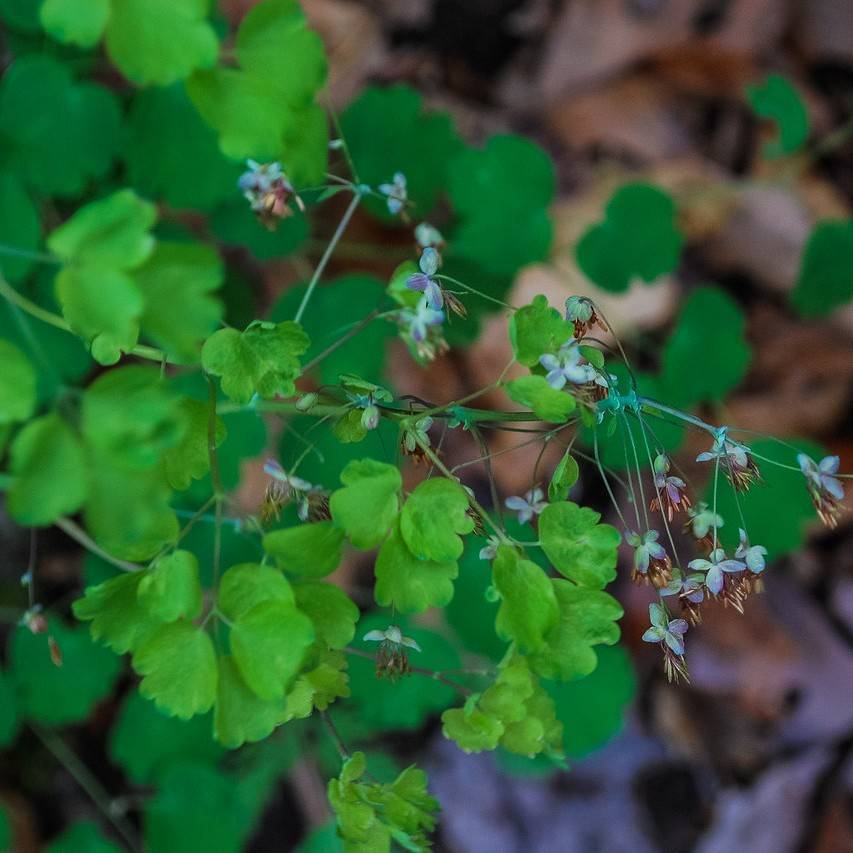
Early Meadow Rue
Thalictrum dioicum
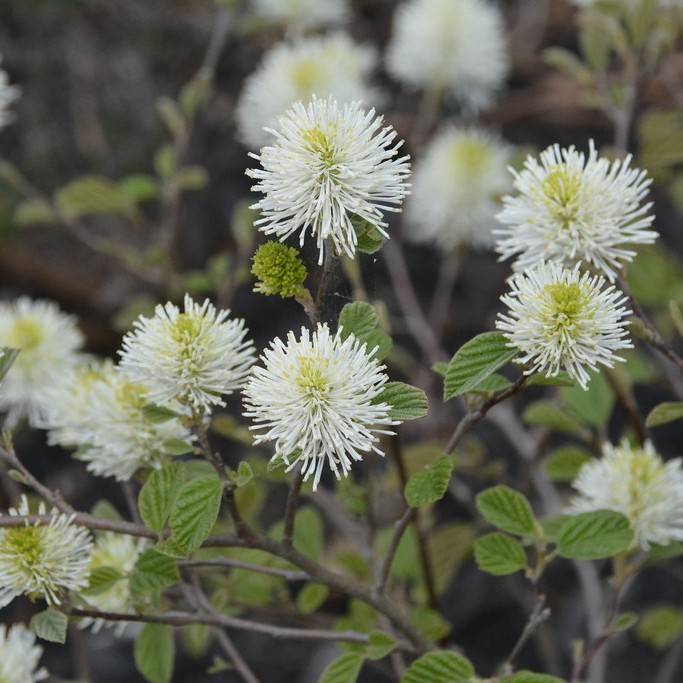
Fothergilla
Fothergilla spp.