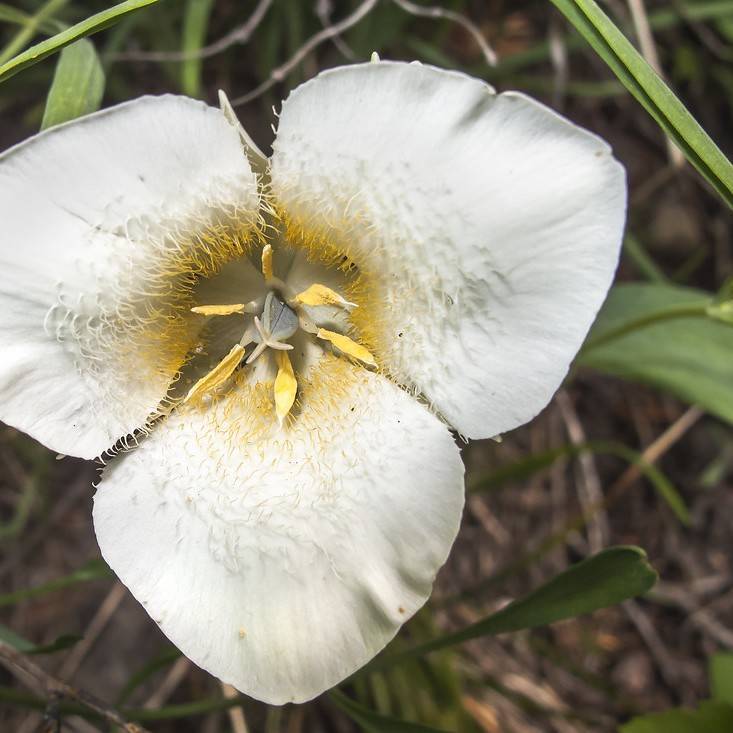
Baker's Mariposa Lily
Calochortus apiculatus
Overview
Baker's Mariposa Lily is a bulbous geophyte adapted to dry, open montane habitats including meadows, rocky slopes, and open conifer forests. Its striking, bowl-shaped flowers have three broad, rounded petals adorned with distinctive hairy purple nectar spots near the base, attracting native pollinators including bumblebees and solitary bees. The plant dies back to its underground bulb after flowering and seed set, remaining dormant through the late summer, fall, and winter months until spring emergence.
Care Guide
Watering
Water regularly during the active spring growth period, keeping the soil evenly moist but not waterlogged to prevent bulb rot. Once foliage begins to yellow after flowering, gradually reduce watering, and keep the soil completely dry during the dormant season from late summer through winter.
Light
Grows best in full sun to partial shade, requiring at least six hours of direct sunlight daily to produce abundant blooms. In hotter parts of its range, light afternoon shade helps prevent foliage scorch and extends the flowering period.
Soil
Thrives in well-drained, gravelly or sandy loam soil with a neutral to slightly acidic pH, mimicking its native rocky montane habitats. Heavy, compacted clay soils that hold excess moisture will cause bulb rot, so amend with coarse sand or grit if drainage is poor.
Fertilizer
Apply a low-nitrogen, balanced bulb fertilizer in early spring just as new growth emerges, to support flower development and bulb health. Avoid high-nitrogen fertilizers, which encourage excessive foliage growth at the expense of blooms, and do not fertilize during the dormant period.
Temperature
Prefers cool to moderate spring temperatures between 50-75°F (10-24°C) during active growth, and is cold hardy to USDA zones 5 through 8, tolerating winter lows down to -20°F (-29°C) when bulbs are planted at the correct depth. Winter chilling of 8-12 weeks below 45°F (7°C) is required for proper spring sprouting and flowering.
Pruning
Remove spent flower stalks after blooming if seed collection is not desired, to redirect energy back to the bulb for the next year’s growth. Allow foliage to yellow and die back completely before trimming it away, as the leaves photosynthesize to store nutrients in the bulb during this period.
Propagation
Most commonly propagated from seed, which requires 2-3 months of cold stratification before sowing, and takes 3-4 years to produce flowering-sized bulbs. Mature clumps can also be divided in late summer during dormancy, carefully separating offset bulbs from the parent bulb and replanting immediately at the same depth.
Humidity
Tolerates low to moderate humidity levels between 30-60%, typical of its native montane environments. High humidity during the dormant season increases the risk of bulb rot, so ensure good air circulation around planting sites in wetter climates.
Repotting
Container-grown specimens should be repotted every 2-3 years during dormancy in late summer, carefully removing the bulbs from the old soil, discarding any rotted or damaged bulbs, and replanting in fresh, well-drained potting mix amended with grit. Plant bulbs 2-3 inches deep, spacing them 3-4 inches apart to allow for growth and offset development.
Uses & Symbolism
Baker's Mariposa Lily is cultivated as an ornamental plant for rock gardens, native plant landscapes, and xeriscaping, valued for its delicate, showy blooms and low water needs. Historically, Indigenous peoples of the Pacific Northwest harvested the small bulbs for food, eating them raw, boiled, or roasted as a starchy staple. It also supports native pollinator populations, providing a nectar source for early-season bees in montane ecosystems.
Diseases & Pests
The most common issue is bulb rot, caused by overwatering or poorly drained soil, which leads to soft, mushy bulbs and stunted or wilted growth. Fungal leaf spots may occur in overly humid, poorly ventilated conditions, which can be managed by removing affected foliage and improving air circulation. Pests are rare, but aphids may feed on young spring growth, and small rodents may dig up and eat bulbs during the dormant season.
Related plants
Other plants you might like if you grow Baker's Mariposa Lily.
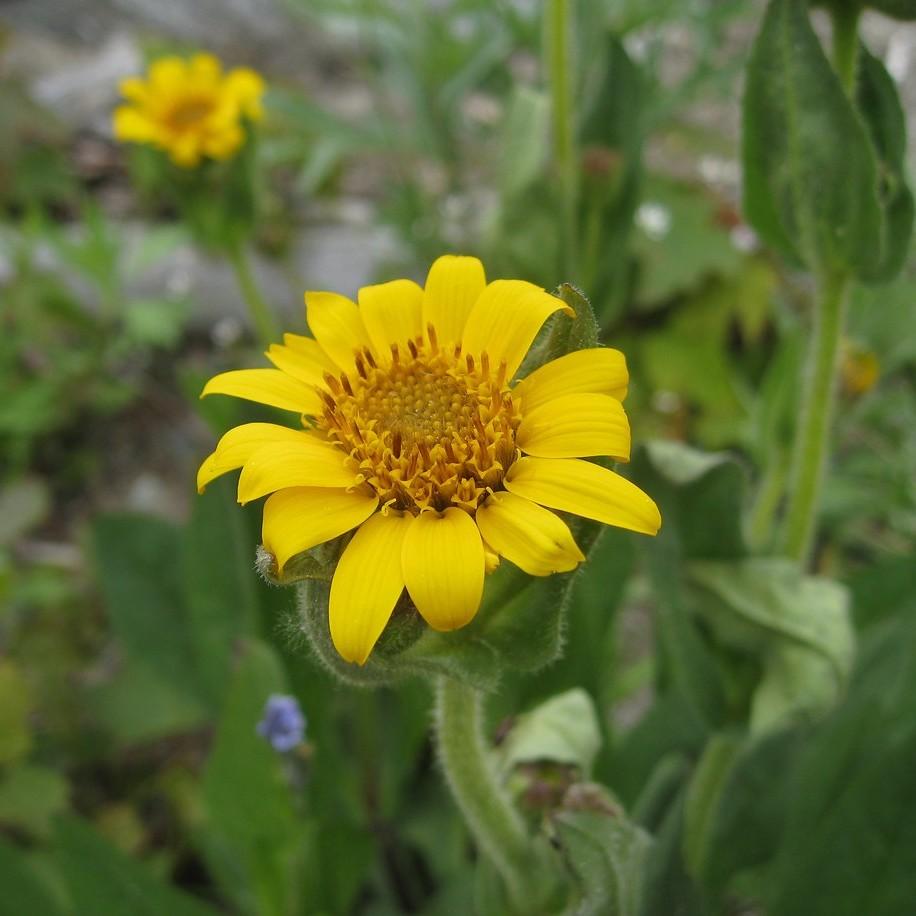
Carey's Balsamroot
Balsamorhiza careyana
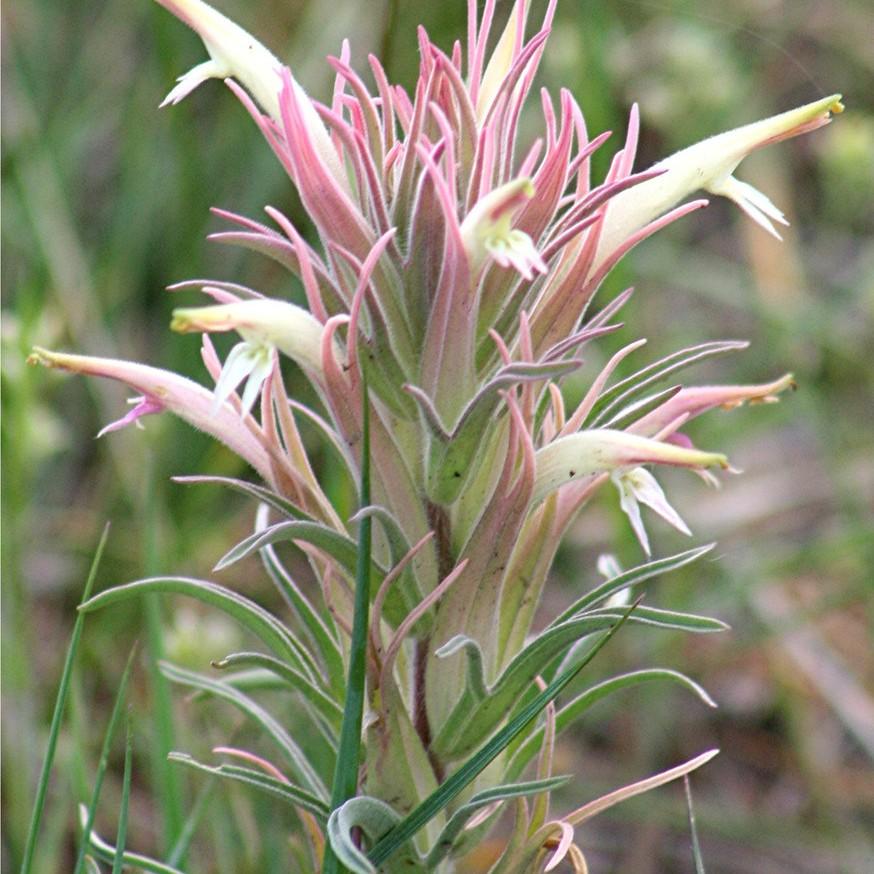
Downy Paintbrush
Castilleja sessiliflora
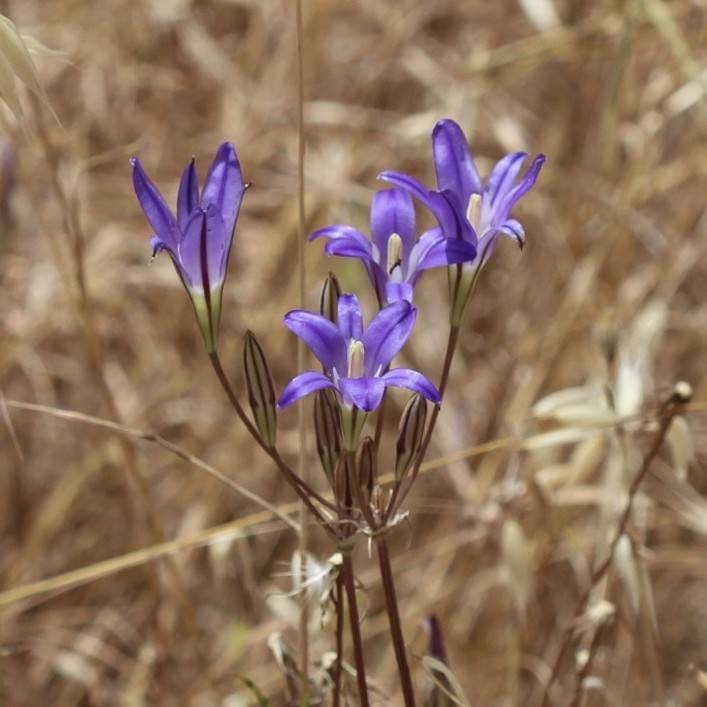
Indian Valley Brodiaea
Brodiaea insignis
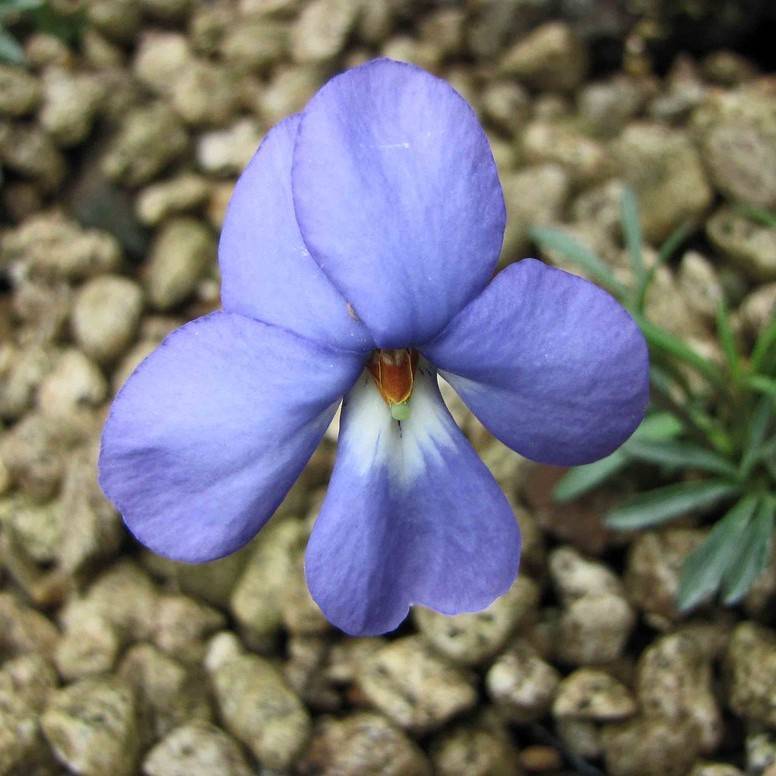
Bird's Foot Violet
Viola pedata
%22%2F%3E%0A%20%20%20%20%20%20%3Ccircle%20cx%3D%22920%22%20cy%3D%22180%22%20r%3D%2290%22%20fill%3D%22%23cfe8d5%22%2F%3E%0A%20%20%20%20%20%20%3Cpath%20d%3D%22M600%20590c-90-180-215-255-310-280%200%20165%20118%20296%20270%20296h40z%22%20fill%3D%22%2379b88e%22%2F%3E%0A%20%20%20%20%20%20%3Cpath%20d%3D%22M600%20590c80-150%20198-212%20302-228-8%20142-123%20255-270%20255h-32z%22%20fill%3D%22%235c9f73%22%2F%3E%0A%20%20%20%20%20%20%3Cpath%20d%3D%22M600%20610V360%22%20stroke%3D%22%234f8c64%22%20stroke-width%3D%2218%22%20stroke-linecap%3D%22round%22%2F%3E%0A%20%20%20%20%20%20%3Ctext%20x%3D%22600%22%20y%3D%22700%22%20text-anchor%3D%22middle%22%20font-family%3D%22Arial%2C%20sans-serif%22%20font-size%3D%2244%22%20fill%3D%22%23365c45%22%3E%0A%20%20%20%20%20%20%20%20Plant%20image%20coming%20soon%0A%20%20%20%20%20%20%3C%2Ftext%3E%0A%20%20%20%20%3C%2Fsvg%3E%0A%20%20)
Flexile Milkvetch
Astragalus flexuosus
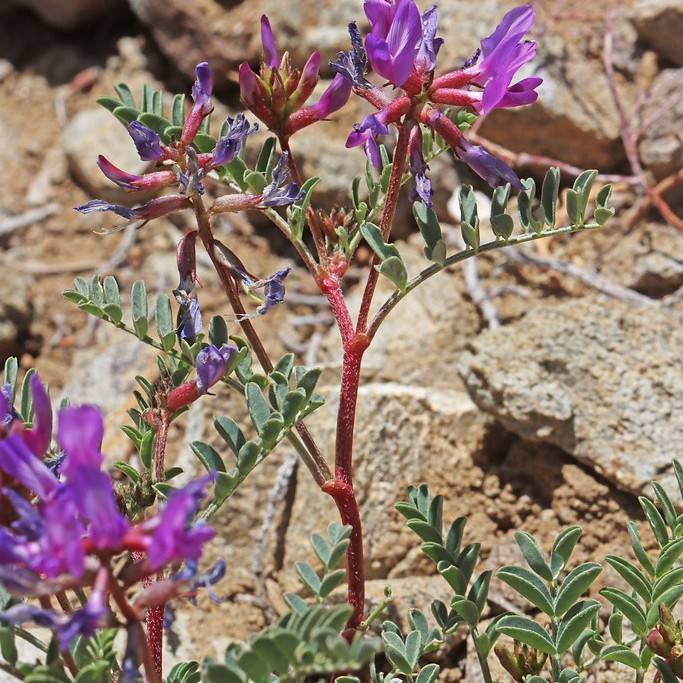
Freckled Milk Vetch
Astragalus lentiginosus
Hillside Milkvetch
Astragalus collinus
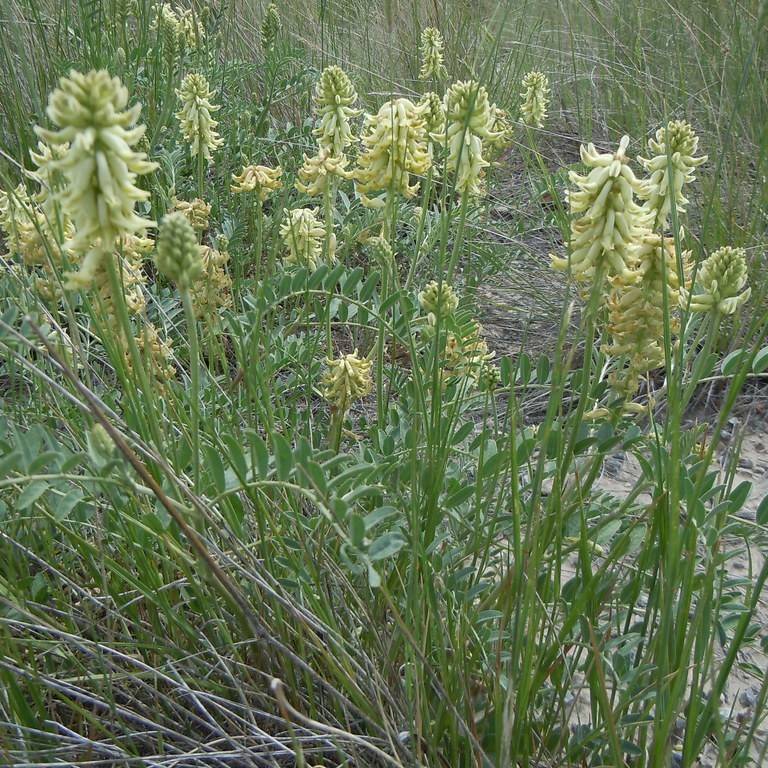
Cooper's Milkvetch
Astragalus neglectus