Celandine Poppy
Stylophorum diphyllum
Overview
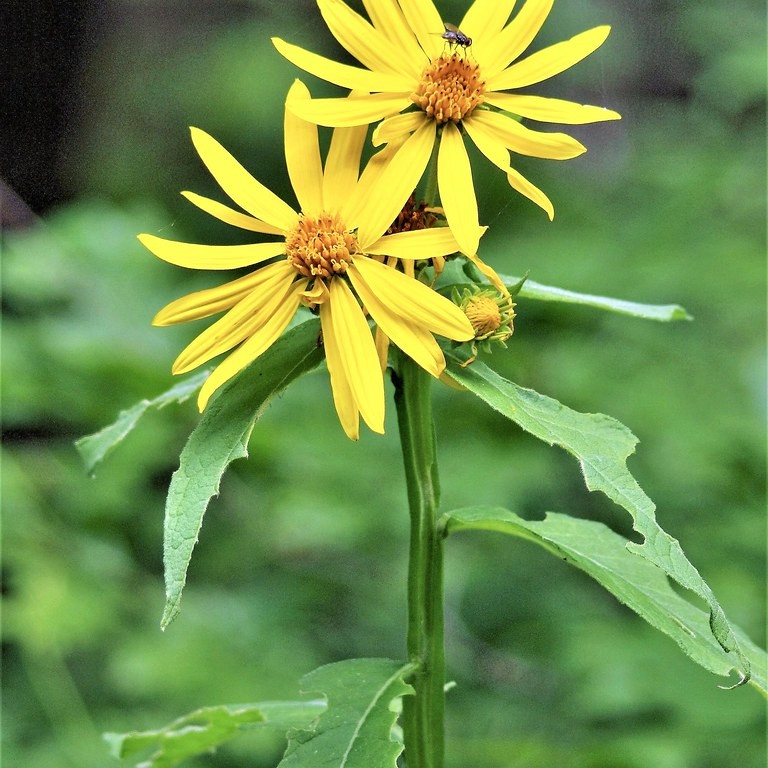
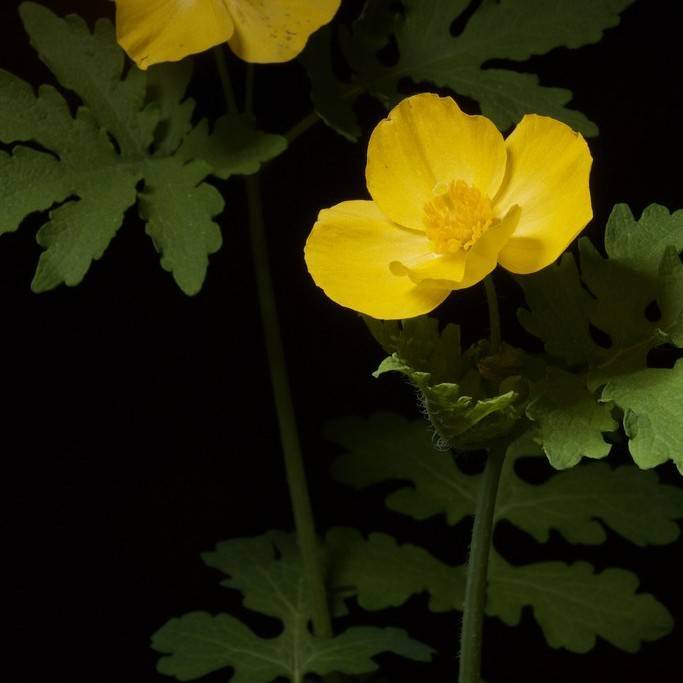
Celandine poppy, also called wood poppy, is a clump-forming herbaceous perennial native to moist, deciduous woodlands of eastern North America. It produces vivid, four-petaled yellow flowers that bloom from early to mid-spring, attracting native bees and other pollinators. Its fuzzy, deeply lobed blue-green foliage persists through most of the summer if growing conditions remain cool and moist, going dormant in periods of extreme heat or drought. This species is often used in native plant and shade gardens for its cheerful early-season color and low-maintenance nature.
Care Guide
Watering
Celandine poppy prefers consistently moist, well-drained soil, requiring regular watering during dry periods to prevent premature dormancy. Avoid overwatering or waterlogged conditions, which can cause root rot, especially in heavier soils. Once established, it has moderate drought tolerance, though supplemental watering will keep foliage lush longer into the summer.
Light
This woodland native thrives in partial to full shade, making it ideal for shaded garden beds, north-facing slopes, or under deciduous trees. It can tolerate dappled morning sun, but harsh midday or afternoon sun will scorch its foliage and cause it to go dormant early. In cooler northern climates, it may tolerate slightly more sun if kept consistently moist.
Soil
Celandine poppy grows best in rich, humus-heavy, slightly acidic to neutral soil with a pH between 5.5 and 7.0, mimicking its natural woodland habitat. Amend heavy clay or sandy soils with compost, leaf mold, or well-rotted manure to improve drainage and nutrient content before planting. It will not perform well in compacted, poorly draining soils.
Fertilizer
Fertilization is rarely necessary for celandine poppy grown in nutrient-rich, amended woodland soil. If growing in poor soil, apply a thin layer of compost or a balanced, slow-release organic fertilizer in early spring as new growth emerges. Avoid over-fertilizing, which can cause leggy foliage growth and reduced flowering.
Temperature
It is winter hardy in USDA zones 4 through 9, tolerating winter temperatures as low as -30°F (-34°C) when dormant. It prefers cool spring temperatures between 50 and 70°F (10 and 21°C) for active growth and flowering. Summer temperatures above 85°F (29°C) will trigger dormancy, causing foliage to die back until the following spring.
Pruning
Pruning is minimal for celandine poppy; simply snip off spent flower stalks after blooming if you wish to prevent self-seeding, or leave them in place to allow the plant to naturalize. Once foliage yellows and dies back in late summer or fall, you can trim dead growth to the ground to keep the garden bed tidy. Avoid removing green foliage prematurely, as it stores energy for the next year’s growth.
Propagation
Celandine poppy is most easily propagated by seed, sown fresh in late summer or fall directly into the garden, as seeds require a period of cold stratification to germinate. Established clumps can also be divided in early fall or very early spring before new growth starts, though the plant has a deep taproot that makes division somewhat difficult. Self-sown seedlings are common in ideal growing conditions and can be transplanted when young.
Humidity
This species tolerates average to high humidity levels common in its native eastern North American range, thriving in the moderate humidity of shaded woodland environments. It does not require extra humidity when grown outdoors, though very dry, arid conditions will cause foliage to scorch and go dormant early. Indoor potted specimens benefit from occasional misting if indoor humidity drops below 40%.
Repotting
Celandine poppy is rarely grown in containers, as its deep taproot prefers undisturbed soil in a garden setting. If growing in a pot, choose a deep container at least 12 inches wide and deep to accommodate its root system, and repot only when roots begin to grow out of drainage holes, which typically occurs every 2 to 3 years. Repot in early fall when the plant is dormant, using a rich, well-draining potting mix amended with leaf mold or compost.
Uses & Symbolism
Celandine poppy is a popular choice for native plant gardens, shade gardens, and woodland restoration projects, where it provides early spring color and supports native pollinators. It is sometimes used as a low-maintenance ground cover in shaded areas where turf grass struggles to grow, forming dense clumps over time. Historically, Indigenous peoples used small amounts of its yellow sap as a dye for textiles, though its toxic properties make it unsuitable for internal medicinal use.
Diseases & Pests
Celandine poppy is relatively pest and disease resistant, with few serious issues in ideal growing conditions. Overly wet, poorly draining soil can lead to root rot and fungal leaf spots, which can be prevented by ensuring proper soil drainage and avoiding overhead watering. Slugs and snails may occasionally feed on young foliage, especially in very moist, shaded locations, and can be controlled with bait, copper barriers, or hand-picking.
Related plants
Other plants you might like if you grow Celandine Poppy.