Black False Hellebore
Veratrum nigrum
Overview
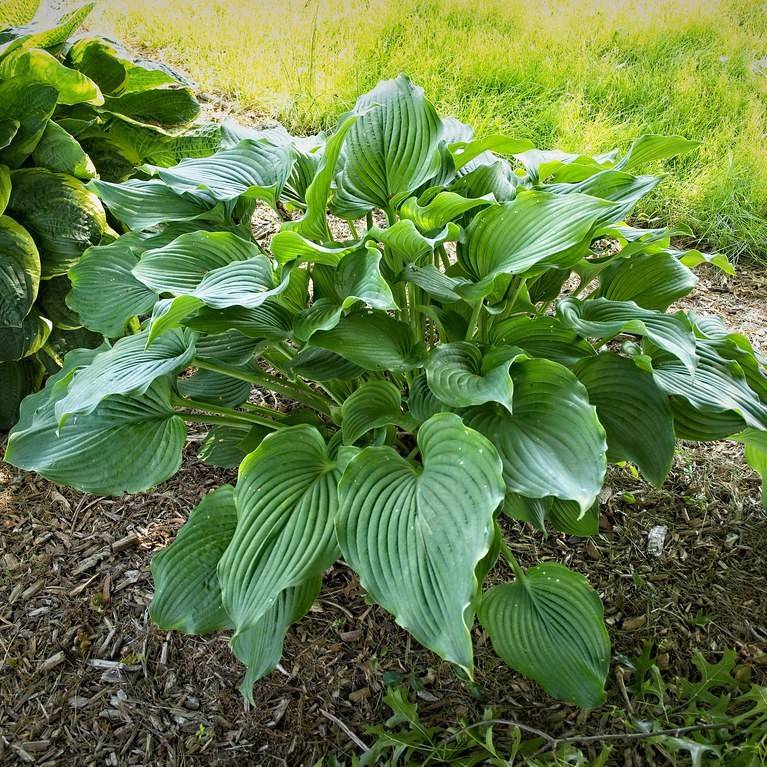
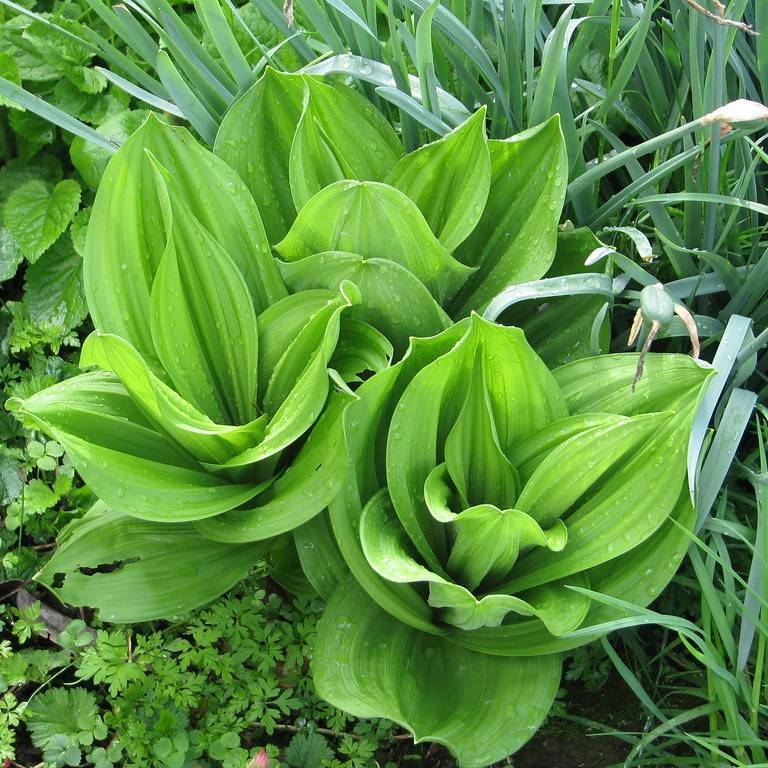
Black False Hellebore is a clump-forming perennial that produces bold, pleated, deep green basal leaves in early spring, followed by tall, rigid spikes of tiny, star-shaped, near-black flowers in mid to late summer. It thrives in cool, partially shaded habitats, and is valued in shade gardens for its dramatic vertical structure and unusual dark blooms. Despite its common name, it is not related to true hellebores (Helleborus genus), and its toxic properties have led to historical use as a natural pesticide in some regions.
Care Guide
Watering
Black False Hellebore prefers consistently moist, well-drained soil, and requires regular watering during dry periods to prevent the soil from drying out completely. Avoid overwatering in heavy, compacted soils, as this can lead to root rot, especially in cooler winter months.
Light
This plant grows best in partial to full shade, mimicking its native woodland understory habitat. It can tolerate dappled morning sun, but intense midday or afternoon sun will scorch its leaves and stunt growth.
Soil
It thrives in rich, humus-dense, slightly acidic to neutral soil with high organic matter content. Amending planting sites with compost or well-rotted leaf mold will improve soil structure and moisture retention to support healthy growth.
Fertilizer
Apply a balanced, slow-release organic fertilizer in early spring as new growth emerges, to support the development of its large foliage and tall flower spikes. Additional fertilization is not required during the growing season if the soil is already high in organic matter.
Temperature
Black False Hellebore is adapted to cool temperate climates, and is hardy in USDA zones 4 through 8. It struggles in regions with hot, humid summer temperatures above 85°F (29°C), and will go dormant early if exposed to prolonged heat.
Pruning
Remove spent flower spikes after blooming if you do not want the plant to self-seed, as it can spread aggressively in favorable conditions. Cut back dead foliage to the ground in late autumn or early winter to keep the planting area tidy and reduce overwintering pest habitat.
Propagation
It is most commonly propagated by dividing mature clumps in early spring before new growth emerges, or in autumn after the plant has gone dormant. It can also be grown from seed, but seeds require a period of cold stratification and may take 3 to 4 years to reach flowering maturity.
Humidity
This plant prefers moderate to high humidity levels, typical of its native woodland environments. It will tolerate average household humidity if grown indoors, but may require occasional misting in very dry indoor conditions to prevent leaf browning at the edges.
Repotting
When grown in containers, repot every 2 to 3 years in early spring, moving to a slightly larger pot with fresh, humus-rich potting mix. Ensure the container has adequate drainage holes to prevent waterlogged soil and root rot.
Uses & Symbolism
Black False Hellebore is primarily grown as an ornamental plant in shade and woodland gardens, where its tall dark flower spikes add dramatic vertical contrast to lower-growing shade perennials. Historically, its toxic alkaloids were used in small, carefully measured doses in traditional folk medicine to treat hypertension and parasitic infections, though medicinal use is no longer recommended due to its high toxicity. It is also sometimes planted as a natural deer and rabbit deterrent, as wildlife avoid consuming its toxic foliage.
Diseases & Pests
Black False Hellebore is relatively pest and disease resistant, but can be susceptible to fungal leaf spot and powdery mildew in poorly ventilated, overly humid growing conditions. Slugs and snails may occasionally feed on young, tender basal foliage in early spring, especially in very moist, shaded sites. Root rot can occur if the plant is grown in heavy, waterlogged soil with poor drainage.
Related plants
Other plants you might like if you grow Black False Hellebore.