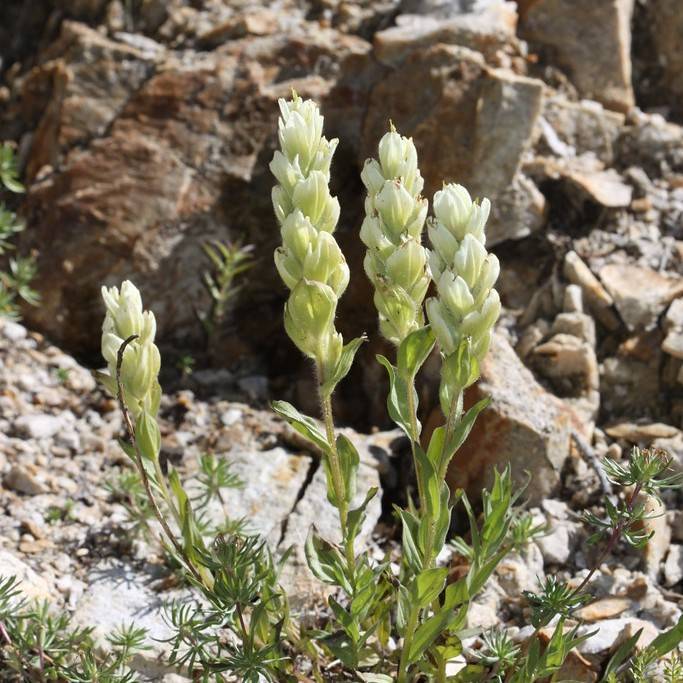
Labrador Indian Paintbrush
Castilleja septentrionalis
Overview
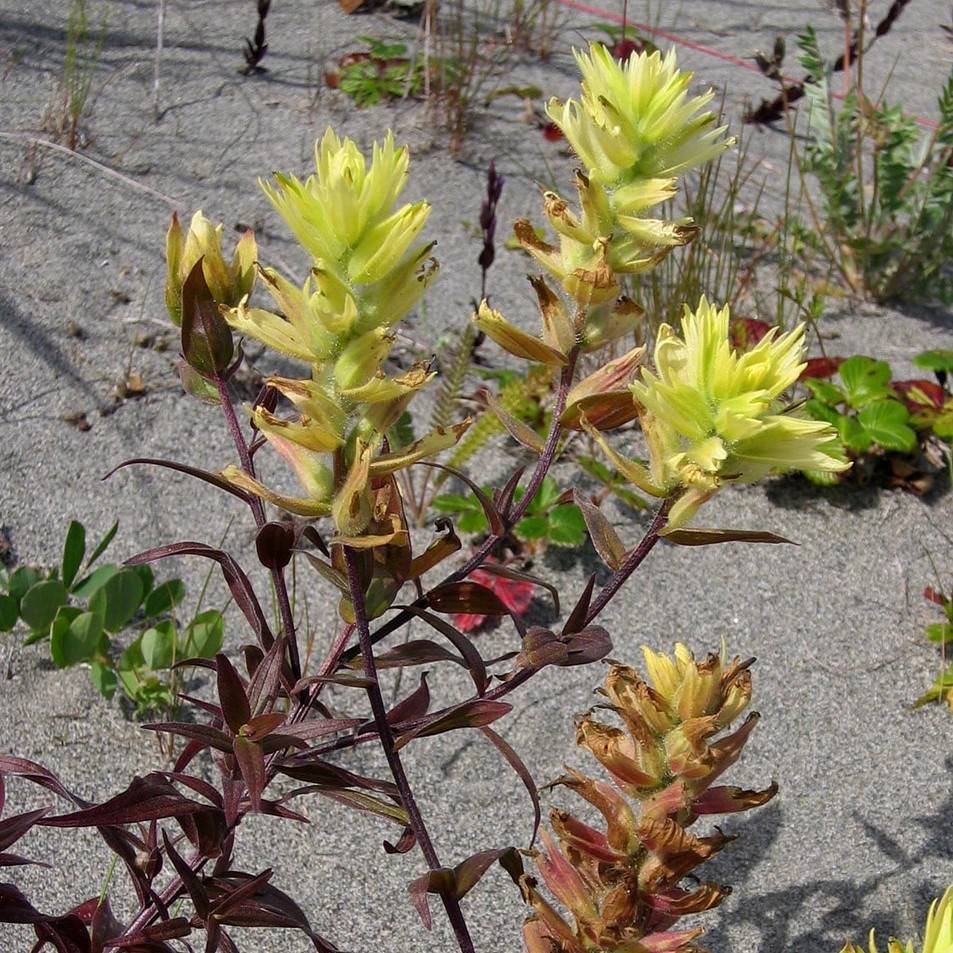
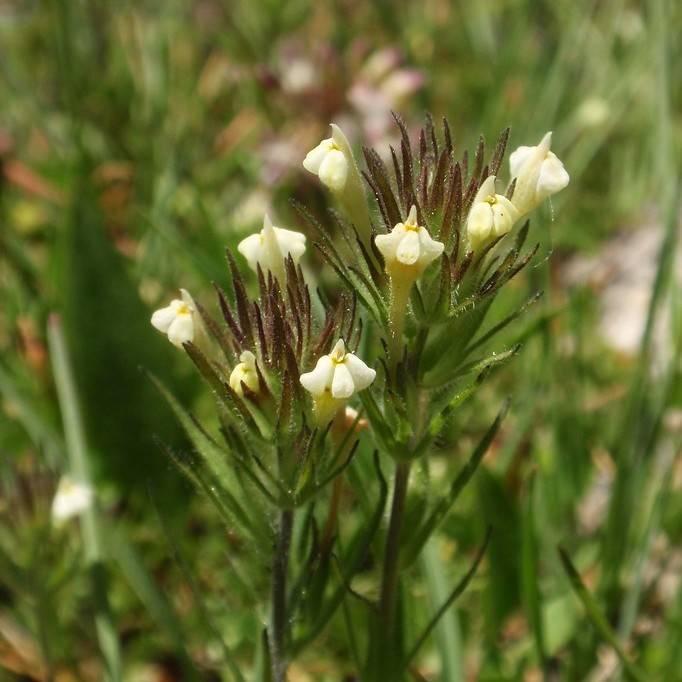
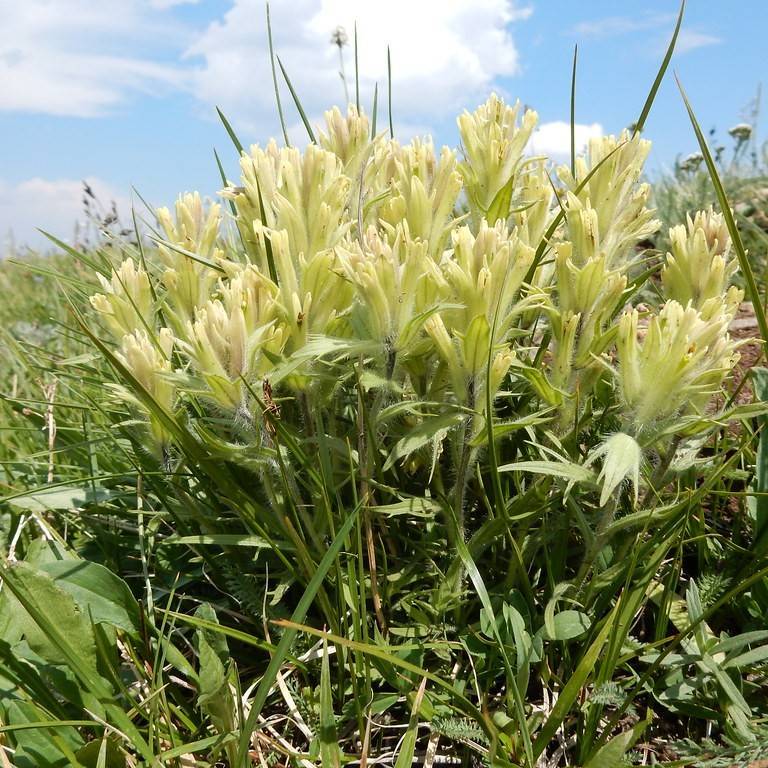
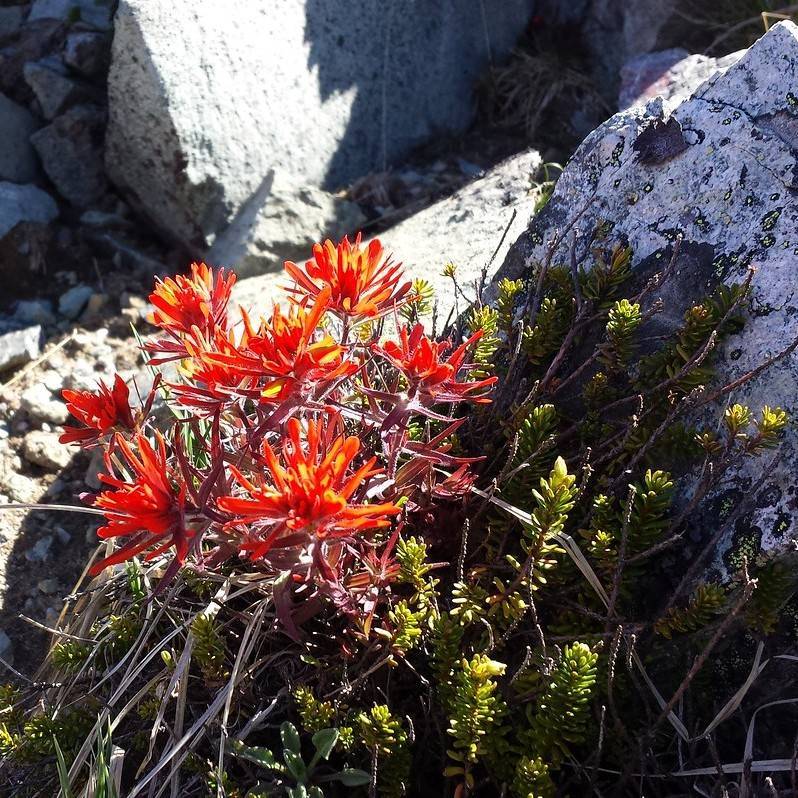
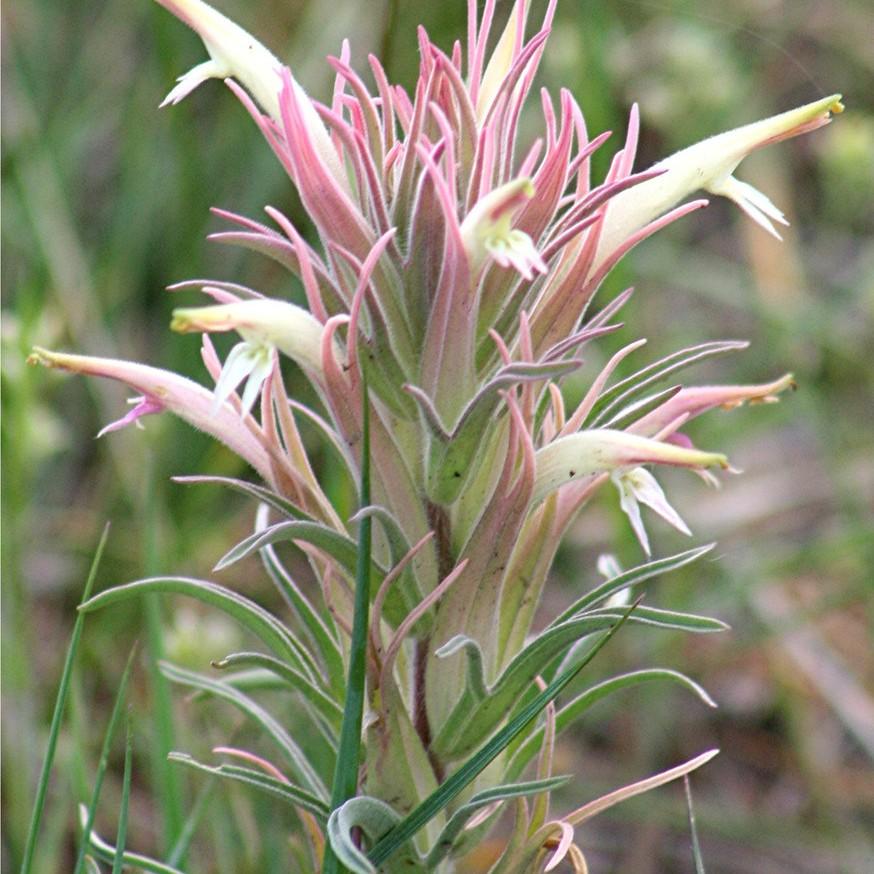
Labrador Indian Paintbrush is a hemiparasitic plant that obtains partial nutrients from the roots of host plants, typically boreal shrubs and grasses. It is distinguished by its soft, hairy foliage and spike-like clusters of modified bracts, which are often mistaken for flowers; its true small, greenish flowers are tucked between these bracts. It thrives in cold, open alpine, tundra, and wet meadow habitats, where it supports native pollinators including bumblebees.
Care Guide
Watering
Labrador Indian Paintbrush requires consistently moist, well-drained soil, as it is adapted to wet boreal and tundra environments, and should never be allowed to dry out completely. Avoid overwatering to the point of standing water, which can cause root rot, especially in warmer climates where the plant is not natively adapted. During dry periods, water deeply and regularly to mimic the consistent moisture of its native habitat.
Light
This plant prefers full sun to partial shade, performing best in locations that receive at least 6 hours of direct sunlight daily in its native cool growing regions. In warmer areas at the southern edge of its range, it benefits from light afternoon shade to protect it from intense, scorching sun that can damage its delicate foliage and bracts. Insufficient light will result in weak growth and reduced development of its characteristic colorful bracts.
Soil
Labrador Indian Paintbrush grows best in acidic, sandy or gravelly loam soil that is high in organic matter, mimicking the thin, nutrient-poor soils of its native boreal and alpine habitats. The soil must be exceptionally well-draining, as stagnant moisture will quickly kill the plant’s fine, parasitic root system. It requires the presence of compatible host plants, such as native Vaccinium shrubs or graminoids, to establish and thrive long-term.
Fertilizer
This hemiparasitic plant requires very little supplemental fertilizer, as it obtains most of its required nutrients from its host plant and naturally low-nutrient native soils. Over-fertilization, especially with nitrogen-rich products, can damage the plant’s delicate root system and disrupt its parasitic relationship with host plants, leading to decline or death. If growth appears stunted in a cultivated setting, apply a very dilute, balanced, slow-release fertilizer once per year in early spring.
Temperature
Labrador Indian Paintbrush is adapted to cold boreal climates, tolerating winter temperatures as low as -40°F (-40°C) and thriving in average summer temperatures between 50-70°F (10-21°C). It does not tolerate high heat or humidity, and will struggle or die if grown in regions where summer temperatures regularly exceed 80°F (27°C) for extended periods. It requires a period of cold winter stratification to break seed dormancy and support healthy regrowth each spring.
Pruning
Pruning is minimal for Labrador Indian Paintbrush; spent flower stalks can be cut back to the base of the plant after blooming to encourage a tidier appearance and prevent unwanted self-seeding if desired. Avoid cutting back green foliage before it dies back naturally in the fall, as the leaves continue to photosynthesize and store energy for the next growing season. Do not prune heavily, as this can damage the plant’s shallow root system and weaken its connection to host plants.
Propagation
Labrador Indian Paintbrush is most commonly propagated from seed, which requires 2-3 months of cold, moist stratification at 33-40°F (1-4°C) to break dormancy before sowing. Seeds must be sown in close proximity to compatible host plant roots, as seedlings will fail to establish without access to a host to supply partial nutrients. Vegetative propagation is rarely successful, as the plant’s delicate parasitic root system does not tolerate division or transplanting well.
Humidity
This plant prefers moderate to high humidity levels between 50-70%, consistent with the moist air of its native boreal and alpine habitats. It does not tolerate dry air, so in cultivated settings with low humidity, regular misting or placement near a water feature can help maintain adequate moisture levels. High humidity combined with poor air circulation can increase the risk of foliar fungal diseases, so ensure planting sites have good airflow.
Repotting
Labrador Indian Paintbrush is rarely grown in containers, as it requires access to host plant roots and a large, undisturbed root zone to thrive. If transplanting from a nursery pot to a garden site, do so in early spring before new growth emerges, taking great care not to damage the delicate root system, and plant directly adjacent to a compatible host plant. Avoid repotting established plants, as disturbance to their parasitic root connections will almost always result in plant death.
Uses & Symbolism
Labrador Indian Paintbrush is primarily used in native boreal rock gardens, alpine plantings, and habitat restoration projects to support native pollinators and preserve regional plant diversity. Its showy pale bracts make it a unique ornamental choice for cool-climate gardens designed to mimic native tundra or wet meadow ecosystems. Historically, some Indigenous communities of northern North America used small amounts of the plant for medicinal purposes, though it is not commonly used today due to its low toxicity risk in large quantities.
Diseases & Pests
Labrador Indian Paintbrush is relatively pest and disease resistant in its native habitat, but can be susceptible to root rot in poorly draining soil or if overwatered, especially in warm climates outside its native range. Foliar fungal diseases including powdery mildew and rust can occur in conditions of high humidity and poor air circulation, causing spotting and dieback of leaves and bracts. Aphids and spider mites may occasionally infest stressed plants, sucking sap from foliage and causing stunted growth, which can be treated with insecticidal soap or neem oil.
Related plants
Other plants you might like if you grow Labrador Indian Paintbrush.