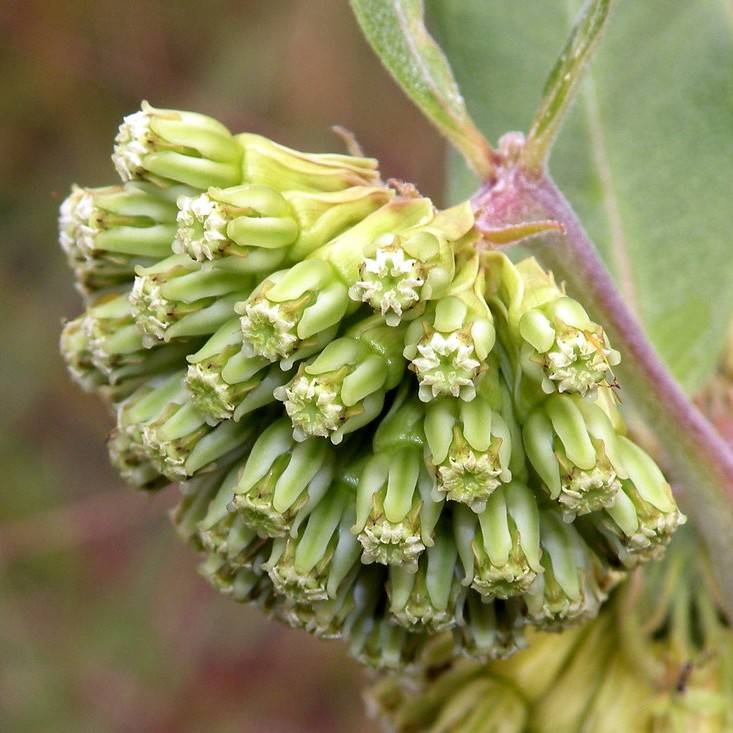
Green Comet Milkweed
Asclepias viridiflora
Overview
Green Comet Milkweed, also called green milkweed, is a herbaceous perennial recognizable by its dense, rounded clusters of small, pale green to yellowish flowers that bloom atop upright stems lined with soft, oval leaves. Unlike many showier milkweed species, its subtle blooms emit a mild, sweet fragrance that attracts a wide range of pollinators beyond monarchs, including bumblebees, solitary bees, and hummingbird moths. It is well-adapted to prairie, meadow, and open woodland habitats, and is more drought-tolerant than common milkweed, making it a versatile choice for native plant gardens.
Care Guide
Watering
Green Comet Milkweed prefers consistently moist, well-drained soil during its first growing season to establish a deep root system, and once mature it is highly drought-tolerant, only needing supplemental watering during extended periods of extreme heat or dryness. Avoid overwatering, as saturated soil can cause root rot, especially in areas with heavy clay or poor drainage.
Light
This milkweed thrives in full sun, requiring at least 6 hours of direct, unfiltered sunlight per day to produce abundant blooms and strong, upright growth. It can tolerate partial shade, but plants grown in lower light conditions will become leggy, produce fewer flowers, and be less attractive to monarch butterflies seeking host sites for their eggs.
Soil
Green Comet Milkweed adapts to a wide range of soil types, including sandy, loamy, and even heavy clay soils, as long as the site provides adequate drainage. It prefers a neutral to slightly alkaline soil pH between 6.0 and 7.5, and can tolerate poor, low-nutrient soils that would inhibit the growth of less hardy native species.
Fertilizer
This native plant is adapted to low-nutrient soils and rarely requires fertilizer, as excessive nitrogen can encourage lush leaf growth at the expense of flower production and reduce the concentration of defensive compounds that make the plant unpalatable to non-specialist herbivores. If grown in extremely poor, sandy soil, a single application of balanced, slow-release organic fertilizer in early spring can support healthy growth without overfeeding the plant.
Temperature
Green Comet Milkweed is cold-hardy in USDA zones 3 through 9, tolerating winter temperatures as low as -40°F (-40°C) and summer highs up to 100°F (38°C) once established. It dies back completely to the ground in late fall after the first frost, and emerges again in mid to late spring once soil temperatures consistently rise above 60°F (15°C).
Pruning
Minimal pruning is required for Green Comet Milkweed; spent flower clusters can be deadheaded after blooming if you wish to prevent self-seeding, but leaving the seed pods intact allows the plant to spread naturally and provides food for seed-eating birds through the fall. Cut back dead stems to 2-3 inches above the soil line in late fall or early winter after the foliage has died back completely, to reduce overwintering sites for pests and prepare the plant for spring regrowth.
Propagation
Green Comet Milkweed is most easily propagated from seed, which requires a 30-60 day period of cold stratification to break dormancy before sowing in early spring, either directly outdoors or in seed trays. It can also be propagated via root cuttings taken in late fall or early winter when the plant is dormant, by cutting 2-3 inch sections of thick, healthy root and planting them horizontally in well-drained potting mix until new shoots emerge.
Humidity
This species tolerates a wide range of humidity levels, from the dry, arid conditions of the central Great Plains to the high humidity of the southeastern United States, with no special humidity requirements for healthy growth. It is not prone to fungal diseases in high humidity as long as it is planted in a location with good air circulation between stems and not crowded by other vegetation.
Repotting
Green Comet Milkweed has a deep, taprooted root system that does not perform well in containers long-term, so it is best planted directly in the ground rather than kept in pots that restrict root growth. If you do grow it in a container, use a pot that is at least 12 inches deep to accommodate the taproot, and repot only once every 2-3 years in early spring before new growth emerges, taking care not to damage the fragile taproot during the process.
Uses & Symbolism
Green Comet Milkweed is a staple of native pollinator gardens, serving as an essential host plant for monarch butterfly caterpillars, which feed exclusively on milkweed foliage, and a nectar source for a wide variety of native bees, butterflies, and beneficial insects. It is also used in prairie restoration and erosion control projects, as its deep root system stabilizes soil and helps rebuild healthy soil microbiomes in degraded grassland habitats, and some Indigenous North American communities have historically used small, carefully prepared doses of the plant for medicinal purposes to treat respiratory ailments and swelling.
Diseases & Pests
Green Comet Milkweed is relatively pest and disease resistant, but it can be affected by common milkweed pests including aphids, which cluster on new growth and suck sap from stems, and milkweed bugs, which feed on developing seed pods and can reduce seed production. It is also susceptible to root rot in poorly drained, waterlogged soils, and can develop powdery mildew on foliage in humid conditions with poor air circulation, though these issues are rarely fatal if addressed promptly by improving drainage or pruning affected foliage.
Guides that mention Green Comet Milkweed
Related plants
Other plants you might like if you grow Green Comet Milkweed.
%22%2F%3E%0A%20%20%20%20%20%20%3Ccircle%20cx%3D%22920%22%20cy%3D%22180%22%20r%3D%2290%22%20fill%3D%22%23cfe8d5%22%2F%3E%0A%20%20%20%20%20%20%3Cpath%20d%3D%22M600%20590c-90-180-215-255-310-280%200%20165%20118%20296%20270%20296h40z%22%20fill%3D%22%2379b88e%22%2F%3E%0A%20%20%20%20%20%20%3Cpath%20d%3D%22M600%20590c80-150%20198-212%20302-228-8%20142-123%20255-270%20255h-32z%22%20fill%3D%22%235c9f73%22%2F%3E%0A%20%20%20%20%20%20%3Cpath%20d%3D%22M600%20610V360%22%20stroke%3D%22%234f8c64%22%20stroke-width%3D%2218%22%20stroke-linecap%3D%22round%22%2F%3E%0A%20%20%20%20%20%20%3Ctext%20x%3D%22600%22%20y%3D%22700%22%20text-anchor%3D%22middle%22%20font-family%3D%22Arial%2C%20sans-serif%22%20font-size%3D%2244%22%20fill%3D%22%23365c45%22%3E%0A%20%20%20%20%20%20%20%20Plant%20image%20coming%20soon%0A%20%20%20%20%20%20%3C%2Ftext%3E%0A%20%20%20%20%3C%2Fsvg%3E%0A%20%20)