Compass Plant
Silphium laciniatum
Overview
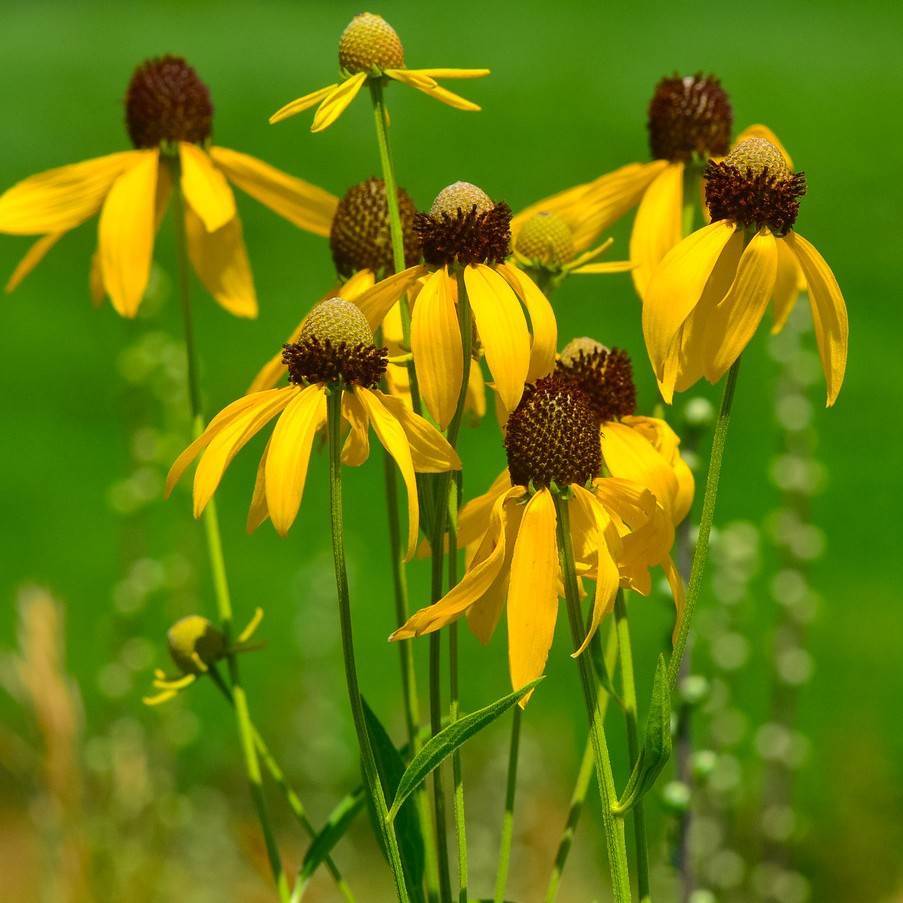
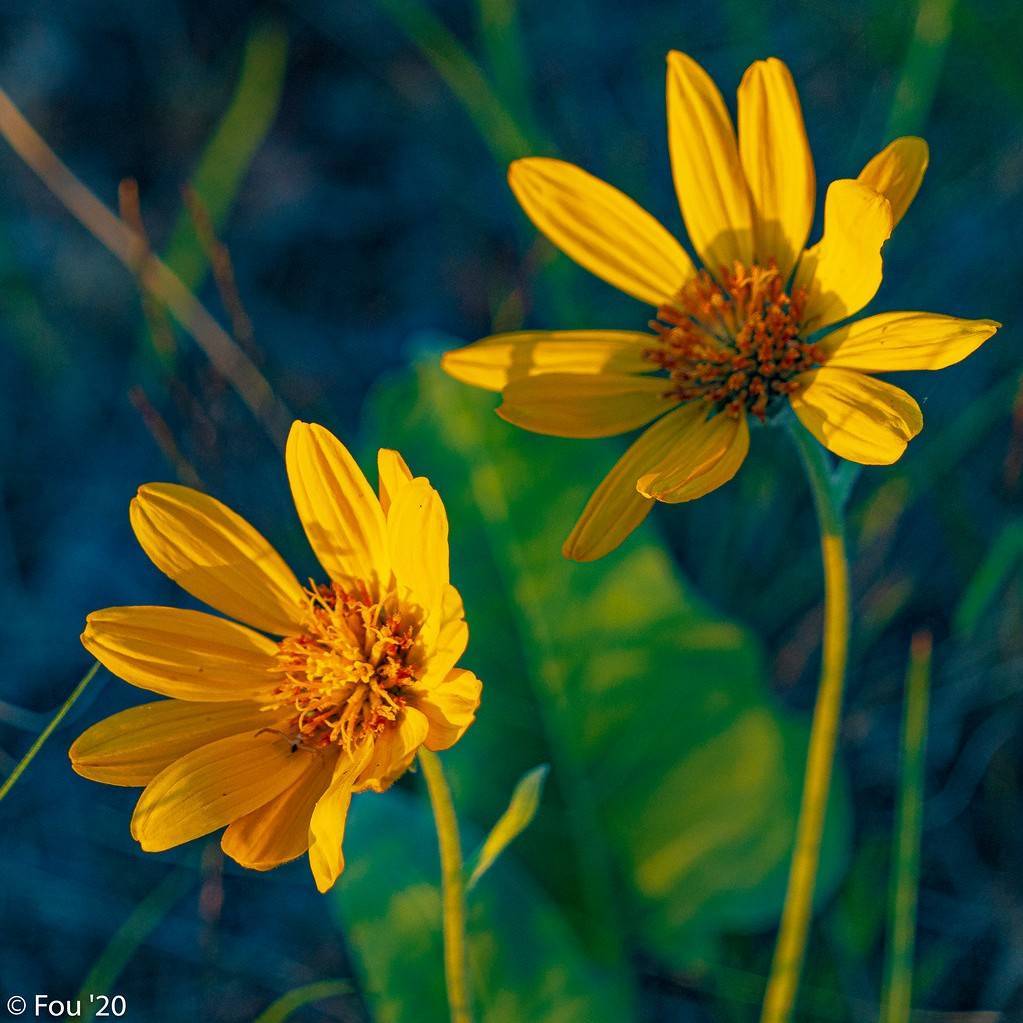
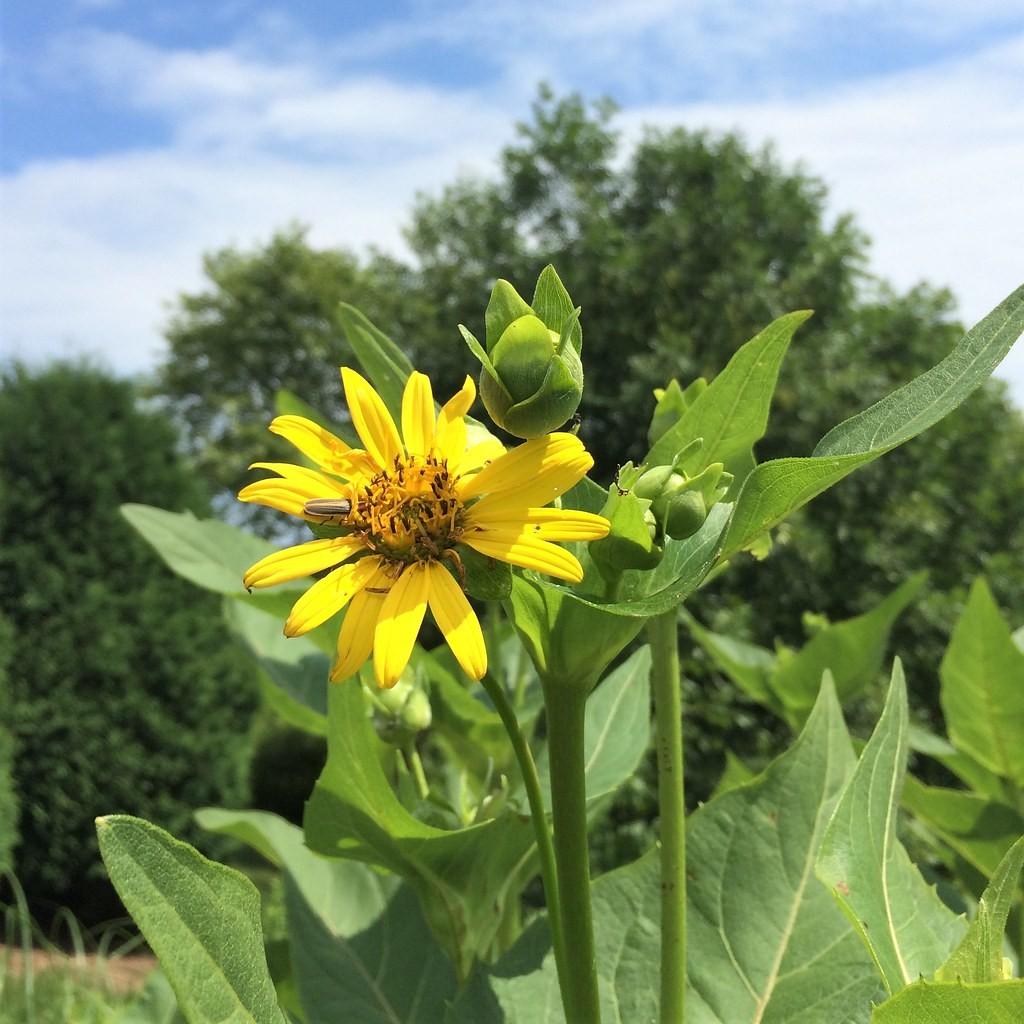
Compass plant is a iconic tallgrass prairie species named for its unique leaf orientation, where mature leaves align vertically with edges facing north and south to minimize midday sun exposure and water loss. Its thick, deeply lobed basal leaves can reach up to 2 feet long, and the sturdy, rough-textured stalk emerges in late spring to bear clusters of 2-4 inch wide yellow, daisy-like flowers from mid to late summer. The plant develops an extremely deep taproot that can extend 15 feet or more into the soil, making it exceptionally drought-tolerant and long-lived, with some specimens surviving over 100 years in undisturbed prairie habitats.
Care Guide
Watering
Compass plant is highly drought-tolerant once established, requiring only occasional deep watering during extended periods of extreme heat or dryness; overwatering, especially in poorly drained soil, can lead to root rot. Newly planted specimens need regular, moderate watering for the first 1-2 growing seasons to support root development, after which they can thrive almost entirely on natural rainfall in most of its native range.
Light
This species requires full sun, meaning a minimum of 6-8 hours of direct, unfiltered sunlight daily to grow strong, upright stalks and produce abundant blooms. Partial shade will cause the plant to become leggy, flop over, and produce fewer flowers, so it should be sited in the sunniest location available.
Soil
Compass plant adapts to a wide range of soil types including sandy, loamy, clay, and rocky soils, as long as the site has excellent drainage; it cannot tolerate waterlogged or consistently soggy conditions. It thrives in neutral to slightly alkaline soil pH, and is well-adapted to the low-nutrient, lean soils common to native prairie habitats, so rich, highly amended soils are unnecessary and may promote overly soft, weak growth.
Fertilizer
Fertilization is rarely required for compass plant, as it is adapted to low-nutrient prairie soils; excess nitrogen from fertilizer will encourage excessive leaf growth and cause the tall stalk to topple over easily. If planted in extremely poor, barren soil, a single application of a low-nitrogen, slow-release organic fertilizer in early spring can support healthy growth, but this is usually unnecessary for established specimens.
Temperature
Compass plant is extremely cold-hardy, suitable for USDA hardiness zones 3 through 9, tolerating winter temperatures as low as -40°F (-40°C) without protection. It thrives in warm summer temperatures common to its native prairie range, tolerating highs above 100°F (38°C) with ease, as long as its deep taproot has access to subsurface moisture.
Pruning
Pruning needs are minimal; spent flower stalks can be cut back to the ground in late fall or early spring before new growth emerges, though leaving stalks standing over winter provides habitat for beneficial insects and bird food from the mature seed heads. Any damaged or diseased leaves can be removed at any point during the growing season, but avoid cutting back healthy green foliage before it dies back naturally in fall, as this will reduce the plant’s ability to store energy in its taproot for the next growing season.
Propagation
Compass plant is most easily propagated from seed, which requires a 30-60 day period of cold stratification to break dormancy; seeds can be sown directly outdoors in late fall, or stratified indoors and sown in early spring after the last frost. It develops a deep taproot very early in growth, so transplanting mature specimens is rarely successful; container-grown seedlings should be planted out when they are under 6 inches tall to avoid damaging the taproot.
Humidity
This species tolerates a wide range of humidity levels, thriving in the moderate to low humidity of the Great Plains as well as the higher humidity of the eastern portion of its native range. No special humidity adjustments are needed, though good air circulation around the foliage helps prevent foliar fungal diseases in very humid, still conditions.
Repotting
Compass plant is rarely grown in containers long-term due to its extremely deep taproot and large mature size, so repotting is generally not a standard part of its care. If grown temporarily in a pot before planting out, use a deep container of at least 12 inches in depth to accommodate early taproot growth, and plant out into the landscape as soon as possible to avoid stunting the plant’s development.
Uses & Symbolism
Compass plant is a staple in native prairie restoration projects and pollinator gardens, providing nectar and pollen for native bees, butterflies, and beneficial insects, while its seed heads feed songbirds including goldfinches through the fall and winter. Historically, Indigenous peoples of the Great Plains used the plant’s resin as a chewing gum, and the root for medicinal purposes to treat a range of ailments including fever and digestive issues. Its tall, dramatic stature makes it a striking architectural element in native perennial gardens and naturalized landscapes, especially when planted in mass groupings.
Diseases & Pests
Compass plant is relatively pest and disease resistant, though it can be susceptible to foliar fungal diseases such as powdery mildew and rust in overly shaded, poorly ventilated, or consistently wet conditions. Aphids and leaf miners may occasionally feed on the foliage, but damage is rarely severe enough to require treatment, and natural predators such as ladybugs usually keep pest populations in check. Root rot is the most serious issue, occurring almost exclusively in sites with poor drainage or chronic overwatering, so proper siting is the best preventative measure.
Related plants
Other plants you might like if you grow Compass Plant.
%22%2F%3E%0A%20%20%20%20%20%20%3Ccircle%20cx%3D%22920%22%20cy%3D%22180%22%20r%3D%2290%22%20fill%3D%22%23cfe8d5%22%2F%3E%0A%20%20%20%20%20%20%3Cpath%20d%3D%22M600%20590c-90-180-215-255-310-280%200%20165%20118%20296%20270%20296h40z%22%20fill%3D%22%2379b88e%22%2F%3E%0A%20%20%20%20%20%20%3Cpath%20d%3D%22M600%20590c80-150%20198-212%20302-228-8%20142-123%20255-270%20255h-32z%22%20fill%3D%22%235c9f73%22%2F%3E%0A%20%20%20%20%20%20%3Cpath%20d%3D%22M600%20610V360%22%20stroke%3D%22%234f8c64%22%20stroke-width%3D%2218%22%20stroke-linecap%3D%22round%22%2F%3E%0A%20%20%20%20%20%20%3Ctext%20x%3D%22600%22%20y%3D%22700%22%20text-anchor%3D%22middle%22%20font-family%3D%22Arial%2C%20sans-serif%22%20font-size%3D%2244%22%20fill%3D%22%23365c45%22%3E%0A%20%20%20%20%20%20%20%20Plant%20image%20coming%20soon%0A%20%20%20%20%20%20%3C%2Ftext%3E%0A%20%20%20%20%3C%2Fsvg%3E%0A%20%20)