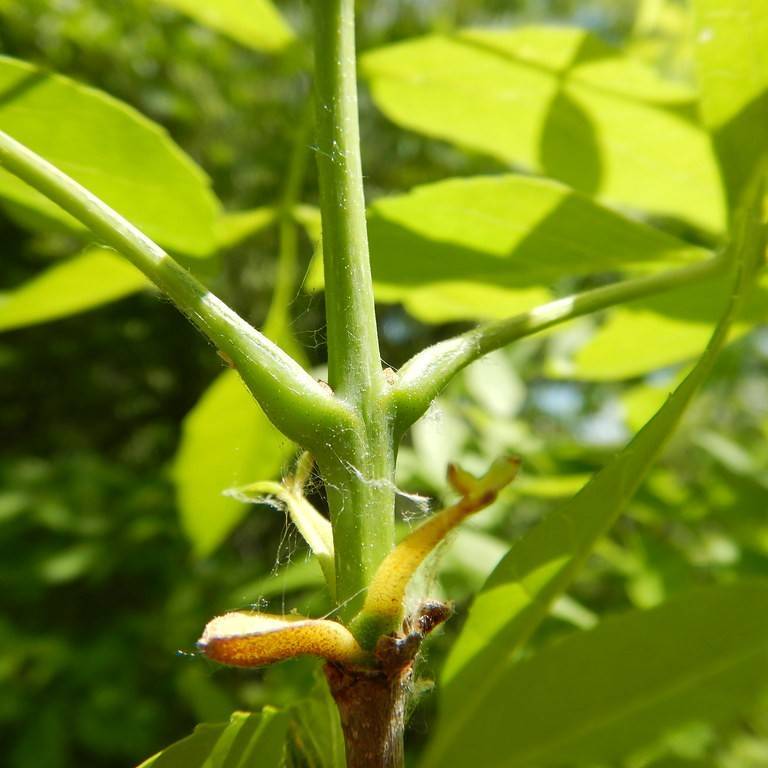
Green Ash
Fraxinus pennsylvanica
Overview
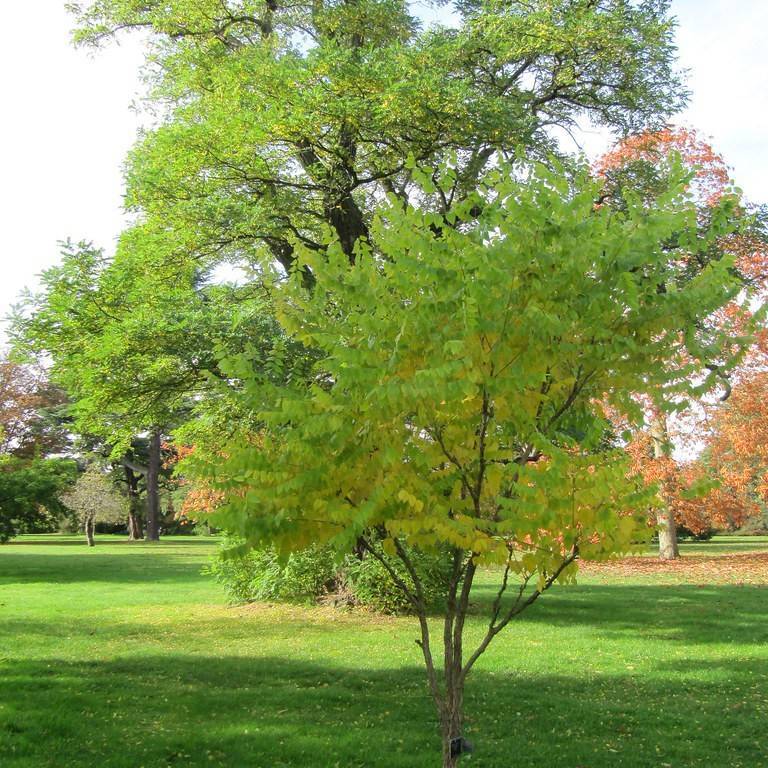
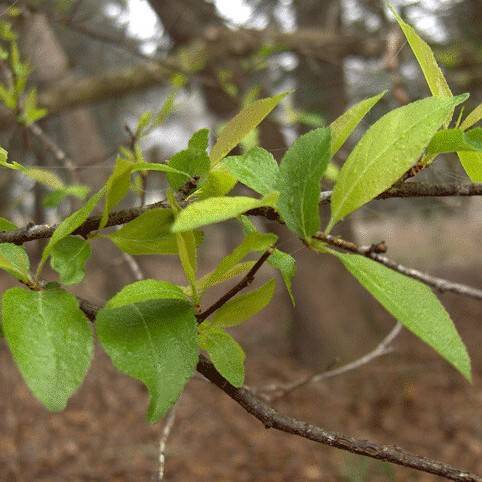
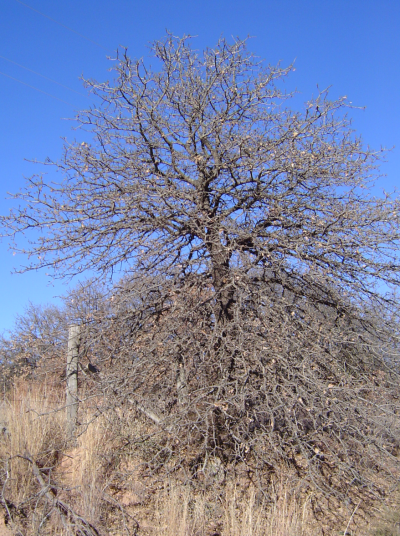
Green ash is a widely distributed deciduous tree native to North America, distinguished by its pinnately compound leaves, gray furrowed bark, and winged samara seed pods. It thrives in riparian zones, floodplains, and disturbed sites, making it a popular choice for reclamation, windbreaks, and urban landscaping across temperate regions. While historically one of the most planted street trees in the U.S., wild and cultivated populations are severely threatened by the invasive emerald ash borer beetle.
Care Guide
Watering
Green ash prefers consistently moist, well-drained soil and is highly tolerant of periodic flooding, making it ideal for low-lying or riparian sites. Water newly planted trees deeply once per week for the first 2–3 growing seasons to establish a robust root system; mature trees are moderately drought-tolerant and only require supplemental watering during extended dry periods. Avoid overwatering in heavy, poorly aerated soils to prevent root rot.
Light
This species grows best in full sun, requiring a minimum of 6 hours of direct unobstructed sunlight daily for optimal foliage density and growth. It can tolerate partial shade, but growth will be slower, and the canopy may become sparse and leggy as the tree stretches toward light sources. Plant in open, unshaded locations to support its full mature size and natural upright, rounded form.
Soil
Green ash adapts to an extremely wide range of soil types, including clay, loam, sand, and even compacted urban soils, with a preferred pH range of 5.0 to 8.0. It tolerates both alkaline and acidic conditions, as well as occasional soil saturation and moderate salinity, making it well-suited for roadside plantings where de-icing salts are used. For best growth, amend poor soils with organic matter at planting time to improve drainage and nutrient availability.
Fertilizer
Young green ash trees benefit from an annual application of balanced, slow-release 10-10-10 fertilizer in early spring, before new leaf growth emerges, to support vigorous root and canopy development. Mature, established trees typically do not require regular fertilization unless they show signs of nutrient deficiency, such as yellowing leaves or stunted growth. Avoid applying high-nitrogen fertilizers late in the growing season, as this can promote tender new growth that is susceptible to frost damage.
Temperature
Green ash is exceptionally cold-hardy, thriving in USDA hardiness zones 3 through 9, withstanding winter temperatures as low as -40°F (-40°C). It tolerates hot summer temperatures up to 100°F (38°C) without stress, provided it has adequate soil moisture. Young trees may benefit from a layer of mulch around the base in winter to insulate shallow roots from extreme temperature fluctuations.
Pruning
Prune green ash during late winter or early dormancy, before new buds break, to minimize stress and reduce the risk of pest infestations (including emerald ash borer, which is attracted to fresh pruning wounds). Remove dead, damaged, or crossing branches annually to maintain a strong central leader, improve air circulation through the canopy, and prevent structural weaknesses that can lead to storm damage. Avoid heavy pruning of mature trees, as this can create large, slow-healing wounds that are vulnerable to disease and pest entry.
Propagation
Green ash is most commonly propagated from seed, which requires 60–90 days of cold stratification at 33–41°F (0.5–5°C) to break dormancy before sowing in moist, well-drained potting mix in spring. It can also be propagated from softwood cuttings taken in early summer, treated with rooting hormone, and placed in a humid, misted environment to encourage root development over 4–6 weeks. Note that separate male and female trees exist; female trees produce abundant samaras that can self-seed aggressively in optimal conditions.
Humidity
Green ash adapts well to a wide range of humidity levels, thriving in both the humid southeastern U.S. and the drier central plains regions. Average ambient humidity of 40–70% is optimal, but mature trees tolerate very low humidity during hot, dry summers without foliage damage when soil moisture is sufficient. Young saplings may benefit from occasional foliar misting in extremely arid conditions to prevent leaf scorch.
Repotting
Green ash is a large landscape tree and is not suitable for long-term container growth; saplings grown in nursery pots should be transplanted to their permanent outdoor location within 1–2 years of germination. Repot young saplings only if they become root-bound, using a large, deep container with well-drained loamy potting mix, and limit container growth to no more than 3 years to avoid stunting long-term development. When transplanting to the landscape, dig a hole 2–3 times the width of the root ball and the same depth, backfilling with native soil amended with compost to support root establishment.
Uses & Symbolism
Historically, green ash wood is prized for its strength, flexibility, and shock resistance, making it ideal for furniture, tool handles, baseball bats, flooring, and craft products. It is widely planted as a street tree, windbreak, and riparian restoration species due to its tolerance of pollution, compaction, flooding, and poor soils, while its golden fall foliage provides ornamental landscape value. Ecologically, it provides food and habitat for a wide range of native birds, insects, and mammals, though its populations have declined sharply due to emerald ash borer infestations.
Diseases & Pests
The most devastating threat to green ash is the emerald ash borer (Agrilus planipennis), an invasive beetle whose larvae tunnel under the bark, disrupting nutrient and water flow and killing trees within 2–5 years of infestation; preventive insecticide treatments are available for high-value landscape trees. Common fungal diseases include ash yellows, verticillium wilt, anthracnose, and powdery mildew, which cause leaf spotting, defoliation, and gradual canopy dieback in stressed trees. It may also be affected by aphids, scale insects, and ash rust, which typically cause minor cosmetic damage unless infestations are severe.
Related plants
Other plants you might like if you grow Green Ash.