Chinese Tallow
Triadica sebifera
Overview
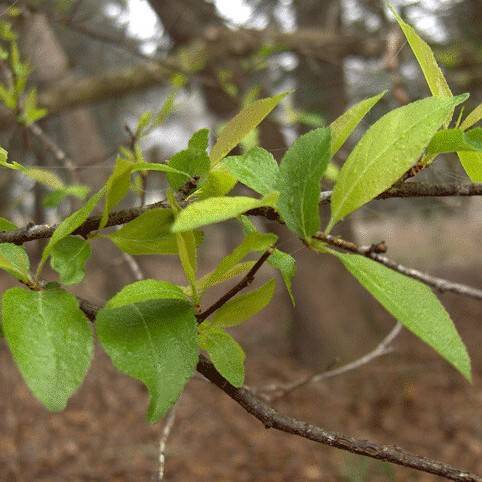
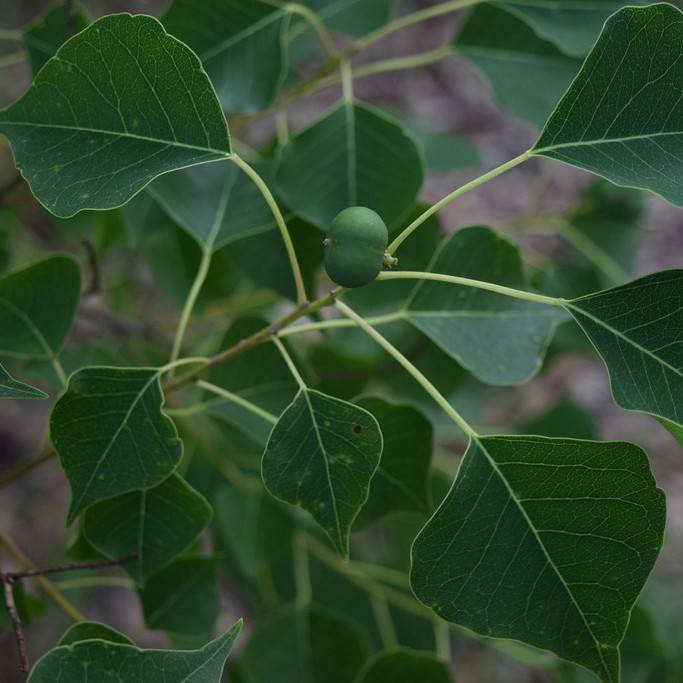
Chinese tallow, also called popcorn tree, is a deciduous tree recognized for its heart-shaped leaves that turn brilliant shades of red, orange, and purple in fall. Female trees produce clusters of three-lobed seed pods that split open to reveal white, waxy seeds resembling popped popcorn, giving it its common nickname. It is classified as a noxious invasive species in much of the southern United States, where it outcompetes native vegetation and alters soil chemistry.
Care Guide
Watering
Chinese tallow is highly drought-tolerant once established, requiring only occasional deep watering during extended dry periods. Young trees need consistent moisture to develop a strong root system, so water them weekly for the first 1-2 growing seasons, allowing the top 2-3 inches of soil to dry out between waterings. Avoid overwatering, as this can lead to root rot, especially in poorly draining soils.
Light
This tree thrives in full sun, requiring a minimum of 6 hours of direct, unfiltered sunlight daily to produce dense foliage and vibrant autumn color. It can tolerate partial shade, but growth will be slower, fall foliage will be less intense, and seed production may be reduced.
Soil
Chinese tallow adapts to nearly all soil types, including clay, sand, loam, and even saline or alkaline soils common in coastal regions. It prefers well-draining soil with a pH range of 5.0 to 8.0, but will survive in compacted, poorly aerated soils where many other trees fail to grow.
Fertilizer
Mature Chinese tallow trees rarely need supplemental fertilization, as they can extract sufficient nutrients from most soil types. Young trees can benefit from a balanced, slow-release 10-10-10 fertilizer applied once in early spring to support new growth, but avoid over-fertilizing, which can lead to excessive, weak growth that is prone to breakage.
Temperature
It grows best in USDA hardiness zones 8 to 10, tolerating minimum temperatures as low as 10°F (-12°C) once established. Young trees may need frost protection during their first 2-3 winters in cooler parts of its range, as tender new growth can be damaged by hard freezes. It thrives in hot, humid summer conditions, withstanding temperatures above 100°F (38°C) without stress.
Pruning
Prune Chinese tallow during the dormant winter season to remove dead, damaged, or crossing branches, and to shape the tree to your desired form. Remove any root suckers promptly to prevent the tree from spreading aggressively into surrounding areas. Always wear gloves when pruning, as contact with the sap can cause skin irritation in sensitive individuals.
Propagation
Chinese tallow is most commonly propagated from seeds, which germinate readily if sown immediately after harvesting in fall, or stratified for 30 days prior to spring sowing. It can also be propagated from semi-hardwood cuttings taken in late summer, dipped in rooting hormone, and placed in a moist, well-draining growing medium. Note that propagation is not recommended in regions where it is classified as invasive, as escaped plants can rapidly overtake native ecosystems.
Humidity
This tree tolerates a wide range of humidity levels, thriving in the high humidity of subtropical and tropical regions while also adapting to the drier conditions of semi-arid zones. It has no special humidity requirements when grown outdoors, and is highly tolerant of salt spray, making it suitable for coastal landscapes.
Repotting
Chinese tallow is almost exclusively grown as an outdoor landscape tree, so repotting is rarely necessary. If grown in a large container for the first 1-2 years before transplanting, repot annually in early spring before new growth emerges, using a general-purpose potting mix with added perlite for drainage. Transplant to its permanent outdoor location once it reaches 3-4 feet tall, as it quickly develops a deep taproot that makes container long-term container growth impractical.
Uses & Symbolism
The waxy coating on Chinese tallow seeds has been used for centuries in traditional Chinese candle and soap making, and the seeds also produce a drying oil used in paints and varnishes. Its vibrant autumn foliage makes it a popular ornamental landscape tree in regions where it is not considered invasive, though planting is heavily restricted in many parts of the U.S. Historically, its wood has been used for small woodworking projects and as a source of fuelwood.
Diseases & Pests
Chinese tallow is highly resistant to most common pests and diseases, with only occasional infestations of scale insects, aphids, or caterpillars that rarely cause significant damage. Root rot can occur in consistently waterlogged soils, especially in young trees that have not yet developed a deep, robust root system. Its natural pest resistance is one of the factors that contributes to its invasive spread in non-native regions, as it faces few natural controls.
Related plants
Other plants you might like if you grow Chinese Tallow.