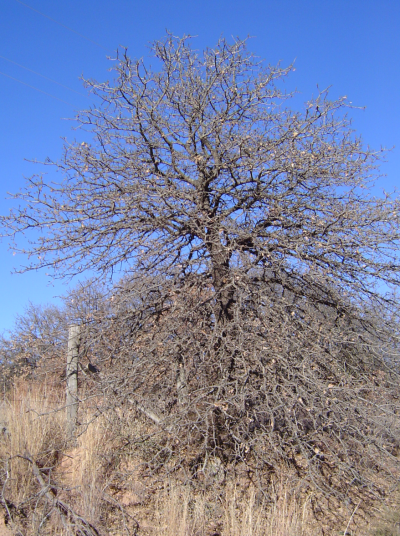
Blackjack Oak
Quercus marilandica
Overview
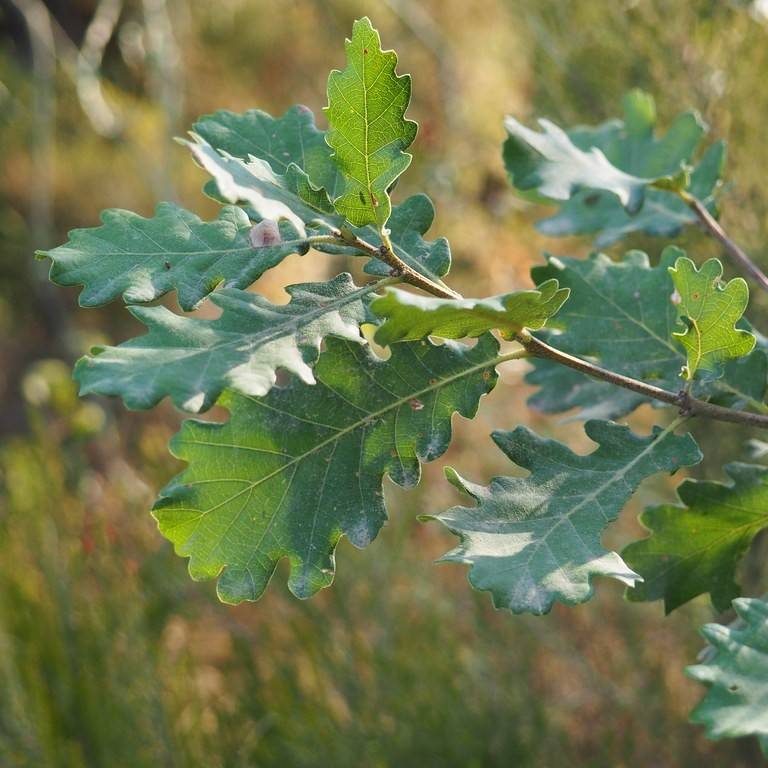
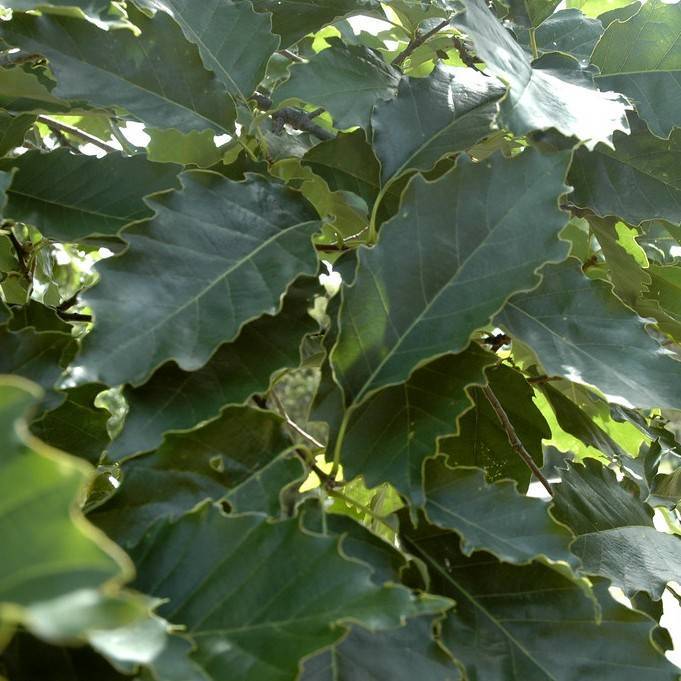
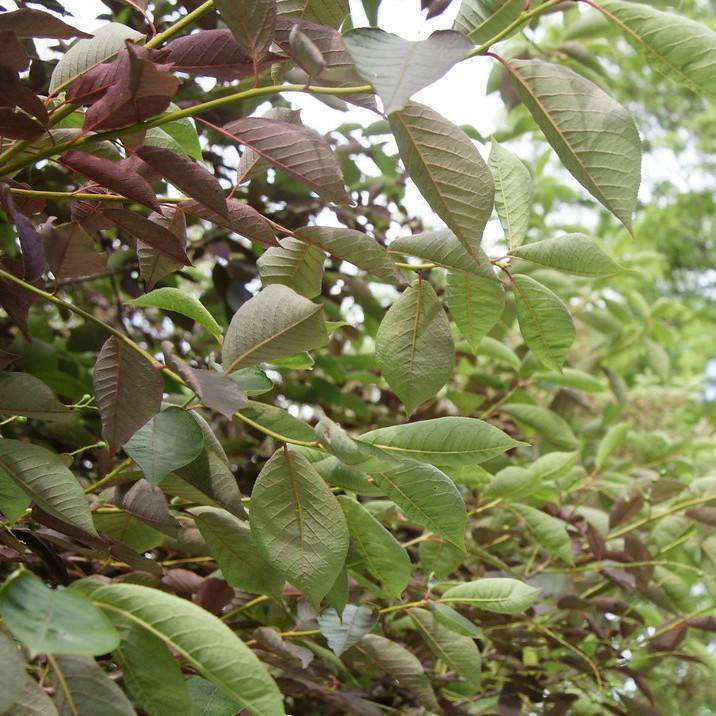
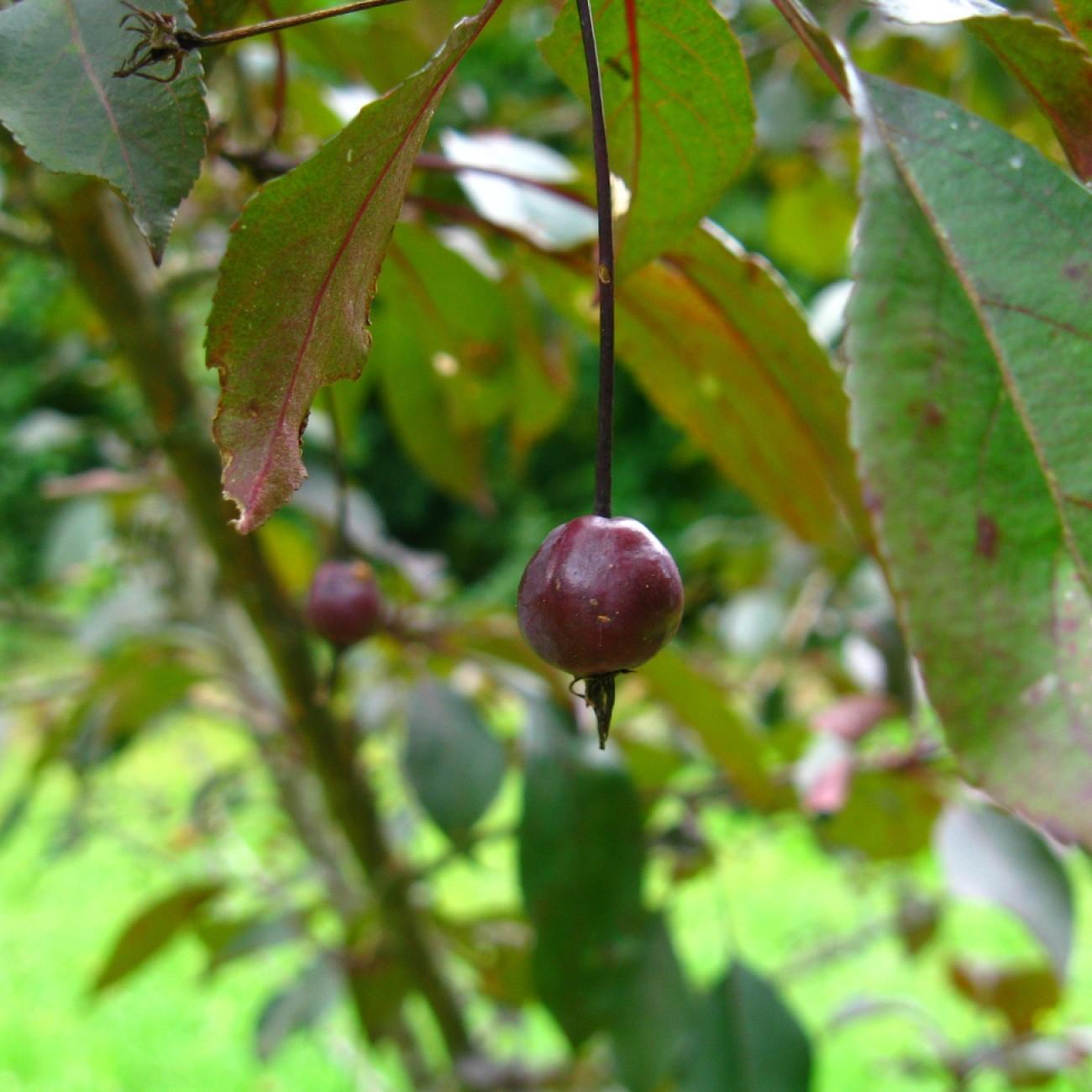
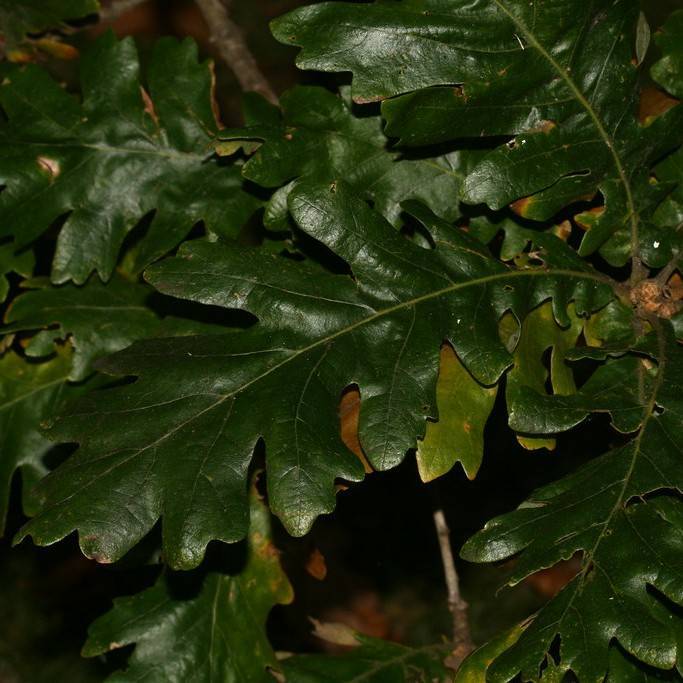
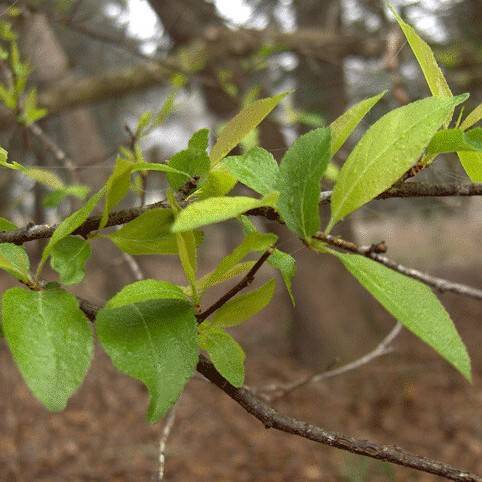
Blackjack oak is a slow-growing, deciduous tree adapted to harsh, nutrient-poor sites where most other oaks cannot survive, including sandy plains, rocky ridges, and dry clay soils. Its dark, glossy leaves have a distinctive broad, three-lobed apex and persist on the tree well into winter, providing year-round visual interest. A member of the red oak group, it produces small, bitter acorns that mature in two growing seasons and serve as a critical food source for local wildlife.
Care Guide
Watering
Established blackjack oaks are exceptionally drought-tolerant, requiring only occasional supplemental watering during extended periods of extreme heat or drought, as overwatering can lead to root rot. Newly planted saplings need regular, deep watering once per week for the first 1-2 growing seasons to support root development, allowing the top 3-4 inches of soil to dry out completely between waterings.
Light
Blackjack oak requires full, direct sunlight for optimal growth, tolerating no more than very light, partial shade; shaded conditions will stunt its growth and reduce foliage density. It thrives in open, unobstructed sites that receive a minimum of 6 hours of unfiltered sunlight daily, making it unsuitable for shaded or built-up urban locations.
Soil
This species adapts to a wide range of poor, well-drained soil types, including sandy, gravelly, rocky, and heavy clay soils, with a preference for acidic to neutral pH levels between 4.5 and 7.0. It is highly tolerant of infertile, low-nutrient soils where most other tree species fail, but will not survive in waterlogged or poorly drained sites that keep roots consistently saturated.
Fertilizer
Mature blackjack oaks rarely require fertilization, as they are adapted to low-nutrient soils and will thrive without supplemental feeding. Young saplings may benefit from a single application of a balanced, slow-release 10-10-10 fertilizer in early spring before new growth emerges, applied sparingly around the drip line to avoid overfertilization that can damage sensitive roots.
Temperature
Blackjack oak is hardy in USDA zones 6 through 9, tolerating winter temperatures as low as -10°F (-23°C) and summer highs well above 100°F (38°C) without damage. It is well-adapted to the hot, humid summers of the southeastern United States and also tolerates the colder, more variable winter conditions of the southern Midwest, though it is not suited to regions with prolonged, severe freezing temperatures.
Pruning
Prune blackjack oak in late winter while the tree is dormant, removing only dead, damaged, or crossing branches to maintain a strong structural framework and reduce the risk of storm damage. Avoid heavy pruning, as this species is slow to heal and excessive cutting can create entry points for disease; never remove more than 10% of the tree’s live foliage in a single growing season.
Propagation
Blackjack oak is most reliably propagated from seed, using fresh acorns collected in early fall as soon as they drop from the tree, as the seeds lose viability quickly if allowed to dry out. Plant acorns 1-2 inches deep in well-drained potting mix or directly in their permanent growing site, as the species develops a deep taproot early on and does not transplant well once established; stratify seeds at 33-41°F (1-5°C) for 30-60 days to improve germination rates.
Humidity
This adaptable tree tolerates a wide range of humidity levels, thriving in the high humidity of the southeastern U.S. coastal plains as well as the drier conditions of Midwestern prairie edges. It has no specific humidity requirements, and normal ambient humidity levels in its native hardiness zones are fully sufficient for healthy growth.
Repotting
Blackjack oak is almost never grown in containers long-term due to its deep taproot and large mature size, so repotting is rarely necessary for landscape specimens. If growing a sapling in a temporary pot before transplanting, move it to a larger container only when roots begin to emerge from the drainage holes, using a well-drained, sandy potting mix to avoid root rot before planting it in its permanent site as soon as possible.
Uses & Symbolism
Blackjack oak is widely planted for erosion control on dry, sloped, or degraded sites where other plants struggle to establish, as its deep root system stabilizes poor soils effectively. Its small size and drought tolerance make it a good choice for low-maintenance xeriscape landscapes and naturalized wildlife gardens, where its acorns feed deer, squirrels, turkeys, and a variety of songbird species. Historically, its dense, heavy wood was used for fuel, fence posts, and charcoal production, though it is not commercially valuable for lumber due to its irregular growth habit.
Diseases & Pests
Blackjack oak is susceptible to oak wilt, a fatal fungal disease spread by sap-feeding beetles and root grafts between adjacent trees, which causes rapid wilting and defoliation, often killing the tree within a single growing season. It may also experience infestations of gypsy moths, oak leaf miners, and scale insects, which can defoliate the tree and weaken it over time, though healthy specimens typically recover from minor pest damage with minimal intervention. Root rot can occur in poorly drained, waterlogged soils, so ensuring proper site drainage at planting is the most effective preventative measure against this issue.
Related plants
Other plants you might like if you grow Blackjack Oak.