Green Alder
Alnus alnobetula
Overview
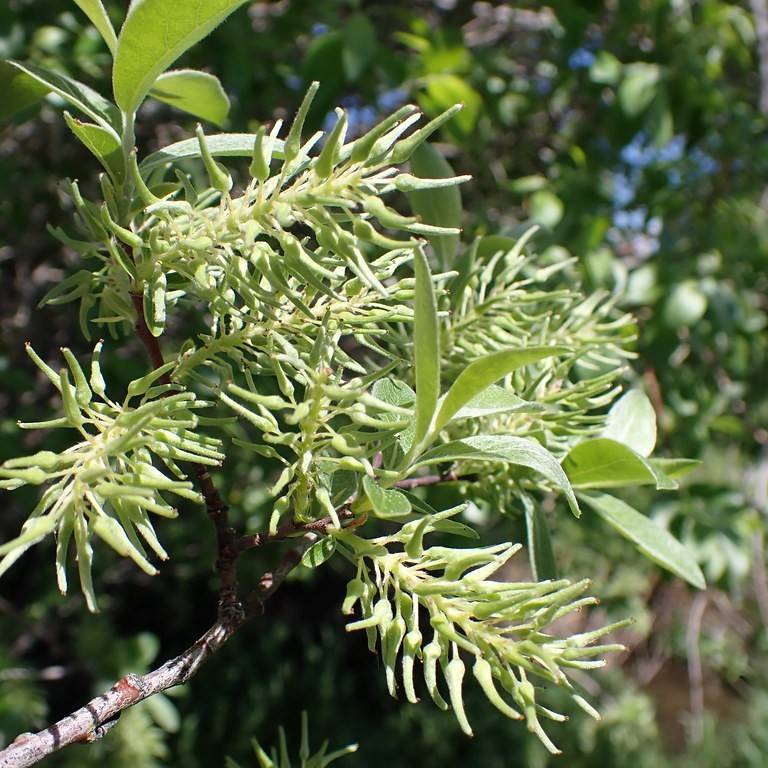
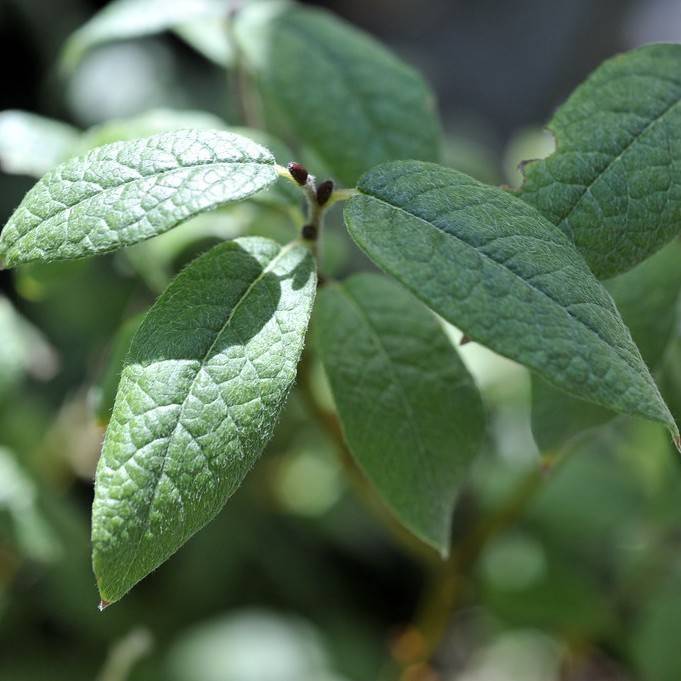
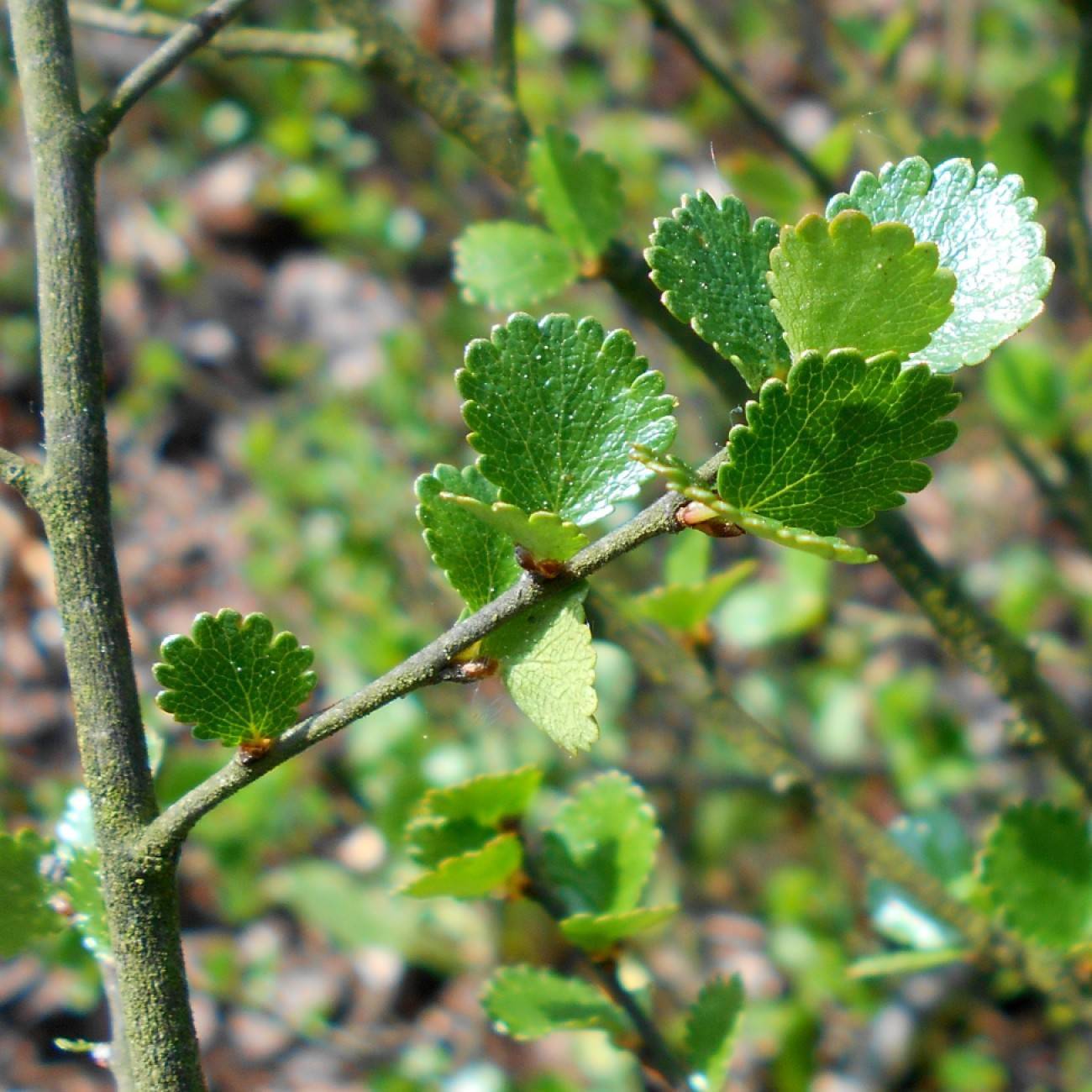
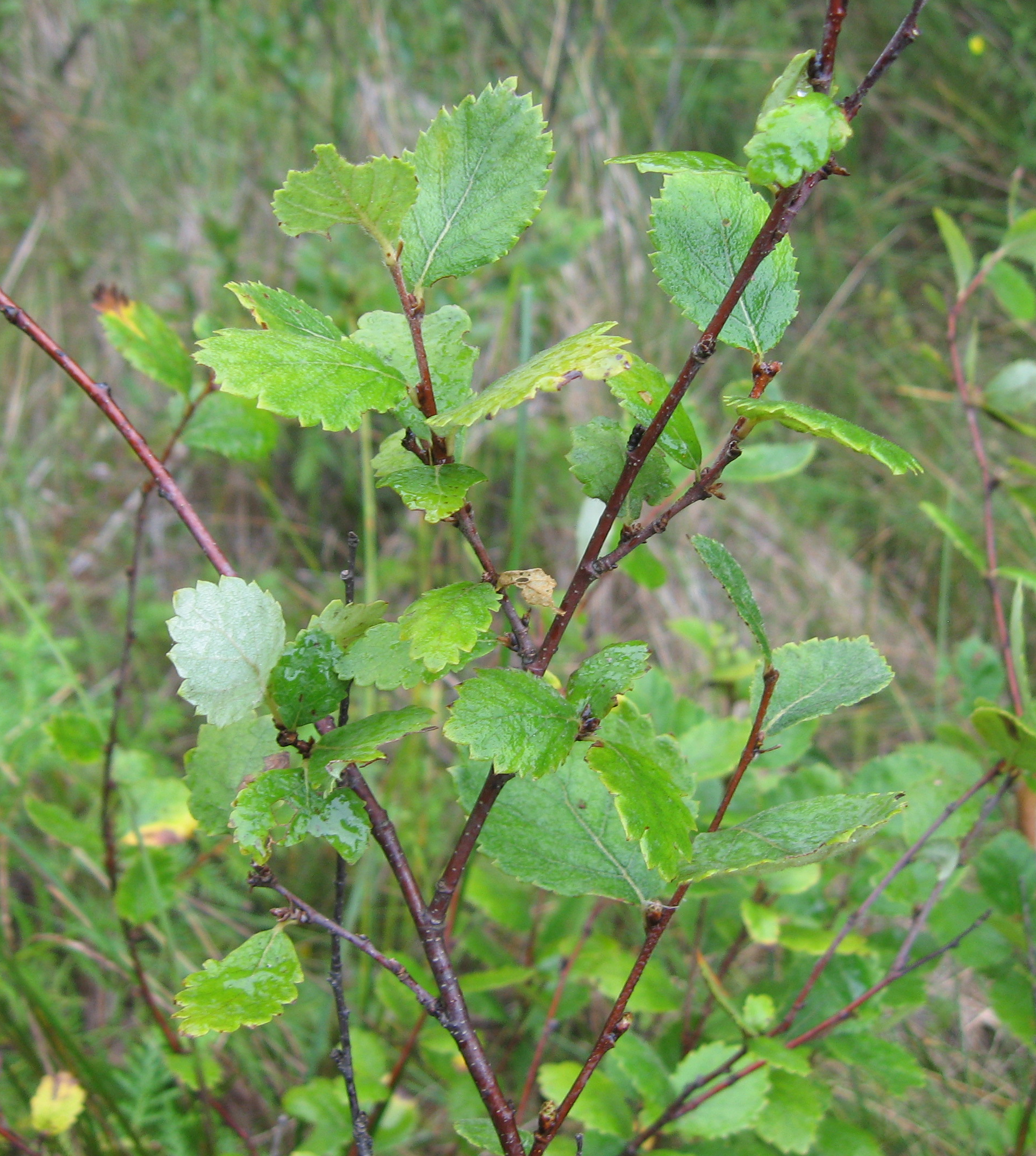
Green alder is a thicket-forming deciduous woody plant recognized by its glossy, bright green oval leaves, slender drooping male catkins, and small woody seed cones that persist through winter. It thrives in harsh, cool environments where many other woody species struggle, colonizing disturbed sites, wetland margins, and rocky mountain slopes. This species plays a critical ecological role by hosting nitrogen-fixing bacteria in its root nodules, which enrich poor soils for surrounding plant life.
Care Guide
Watering
Green alder prefers consistently moist to wet soil and tolerates seasonal flooding or saturated ground, making it well-suited for riparian or boggy planting sites. While it can withstand short periods of drought once established, prolonged dryness will cause leaf drop and stunted growth, so supplemental water is recommended during extended dry spells in its growing range. Avoid letting the root zone dry out completely, especially for young, newly planted specimens.
Light
This species grows best in full sun, which encourages dense, bushy growth and abundant catkin and cone production. It can tolerate partial shade, though growth will be more sparse and flowering will be reduced. It is well-adapted to the long daylight hours of subarctic summer growing seasons, and does not perform well in hot, low-light tropical or subtropical conditions.
Soil
Green alder is highly adaptable to poor, low-nutrient soils, including sandy, rocky, boggy, and heavy clay substrates, thanks to its symbiotic nitrogen-fixing root bacteria. It prefers slightly acidic to neutral soil pH, but can tolerate mildly alkaline conditions as well. Good drainage is not a strict requirement, as it thrives in poorly drained, waterlogged sites where most other trees and shrubs fail to grow.
Fertilizer
Fertilization is rarely necessary for green alder, as its root nodules fix atmospheric nitrogen to support its own growth even in nutrient-poor soils. If planted in extremely depleted soils, a light application of phosphorus-rich fertilizer in early spring can support root development for young specimens. Over-fertilization with nitrogen will disrupt its natural symbiotic relationship with soil bacteria and is not recommended.
Temperature
Green alder is extremely cold-hardy, surviving winter temperatures as low as -40°F (-40°C) and thriving in USDA hardiness zones 2 through 6. It does not tolerate high heat or humidity well, and will suffer leaf scorch and dieback in regions with prolonged summer temperatures above 85°F (29°C). It requires a period of cold winter dormancy to support healthy new growth in spring.
Pruning
Prune green alder in late winter or early spring while the plant is dormant to remove dead, damaged, or crossing branches and maintain its desired shape. It tolerates heavy pruning or cutting back to the ground, and will resprout vigorously from the root crown to form a denser thicket if desired. Regular removal of suckers can prevent the plant from spreading beyond its intended planting area if containment is needed.
Propagation
Green alder is most easily propagated from seed, which requires a 30 to 90 day period of cold stratification to break dormancy before sowing in moist, well-drained medium. It can also be propagated from hardwood cuttings taken in late winter, which root readily when planted in moist soil with bottom heat. Root division of established suckers is another simple method, as young offshoots with intact roots can be separated from the parent plant and transplanted in early spring.
Humidity
Green alder prefers moderate to high humidity, typical of its native cool, northern and mountainous habitats. It tolerates average outdoor humidity levels in its hardiness range, but will suffer in excessively dry, arid conditions without supplemental moisture. Indoor cultivation is not recommended, as it cannot tolerate the low humidity of most heated or air-conditioned indoor spaces.
Repotting
Green alder is almost exclusively grown outdoors in landscape settings, so repotting is not a standard care practice for this species. If grown temporarily in a container for transplanting, use a deep pot to accommodate its rapidly growing taproot, and plant it in its permanent outdoor location before it becomes root-bound. Young container-grown specimens should be transplanted in early spring before new leaf growth begins.
Uses & Symbolism
Green alder is widely planted for ecological restoration, erosion control on stream banks and steep slopes, and soil improvement, as its nitrogen-fixing roots rebuild fertility on degraded or disturbed sites. It provides valuable food and habitat for wildlife, including browsing for moose and deer, seeds for songbirds and small mammals, and shelter for native pollinators attracted to its early spring catkins. Its dense, fine-grained wood is occasionally used for small woodworking projects, and its bark and leaves have been used traditionally by Indigenous peoples for tanning and medicinal purposes.
Diseases & Pests
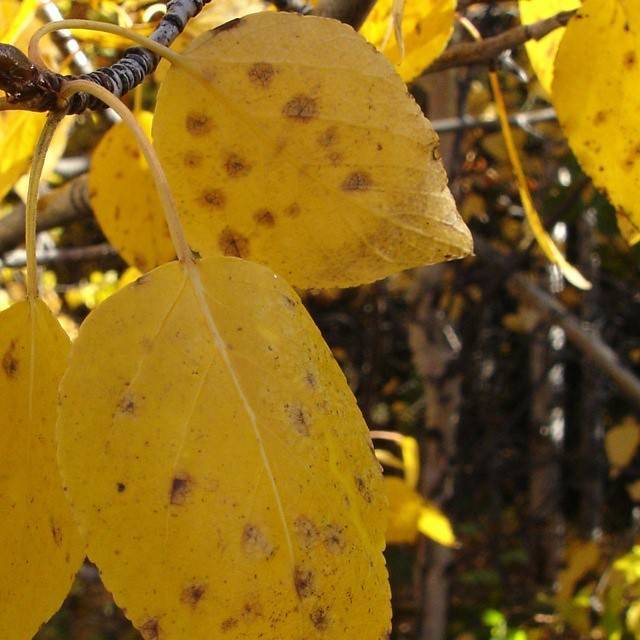
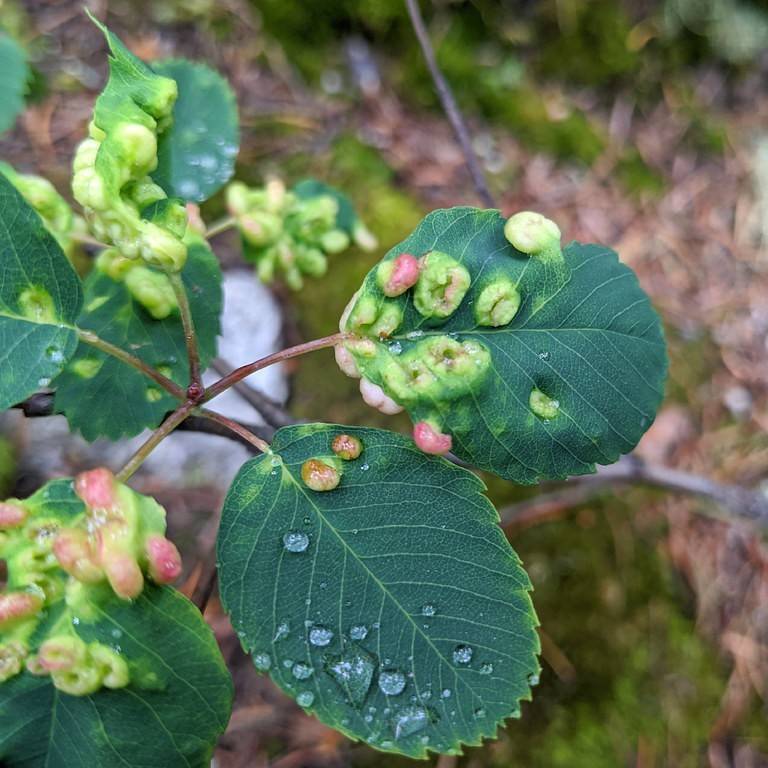
Green alder is relatively resistant to most pests and diseases, though it can be susceptible to alder rust, a fungal disease that causes yellow-orange leaf spots and premature leaf drop in wet, humid conditions. Aphids, scale insects, and alder beetles may occasionally feed on foliage, though infestations are rarely severe enough to cause permanent damage to healthy plants. Prolonged exposure to hot, dry conditions can cause leaf scorch and increase vulnerability to secondary fungal infections in weakened specimens.
Related plants
Other plants you might like if you grow Green Alder.