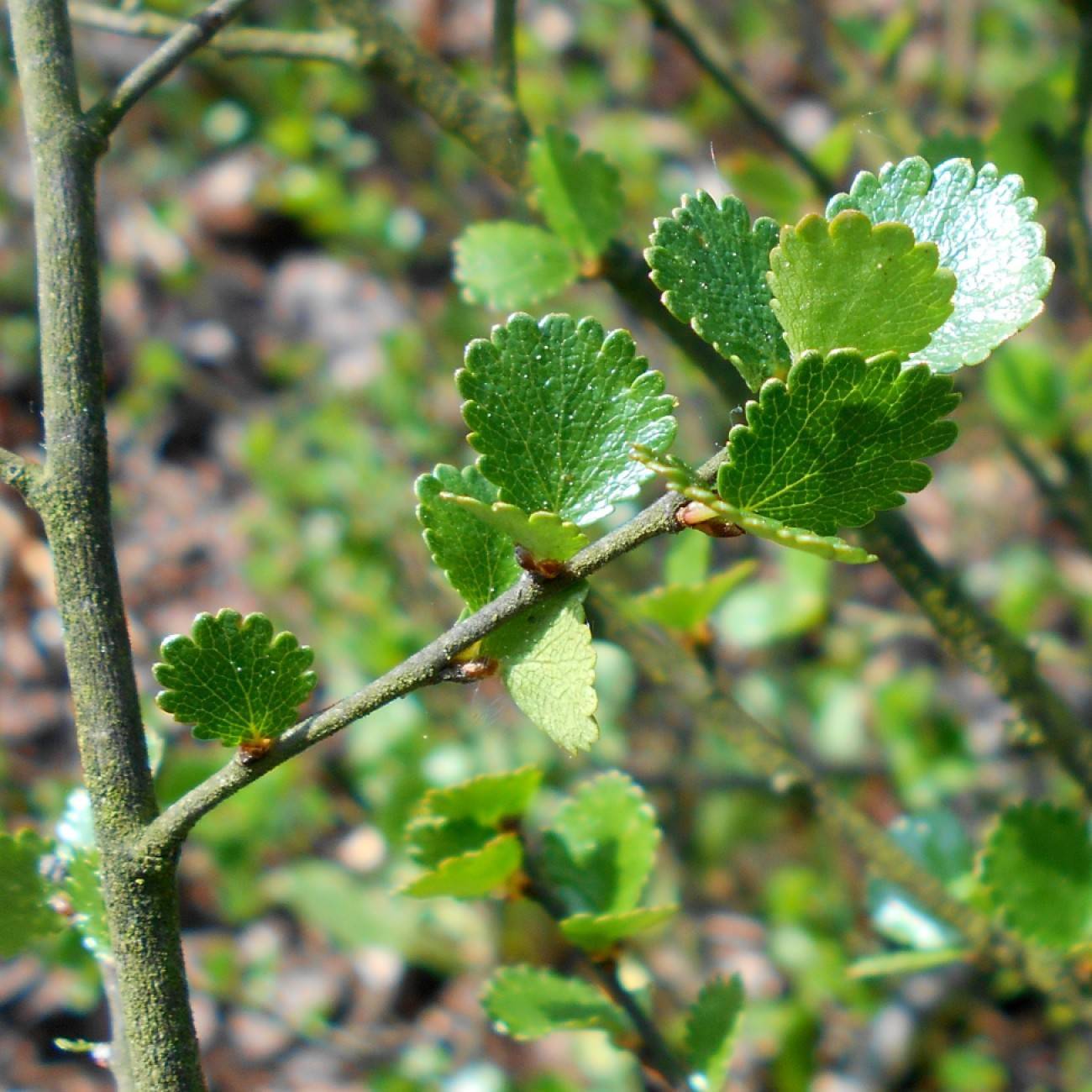
Arctic Dwarf Birch
Betula nana
Overview
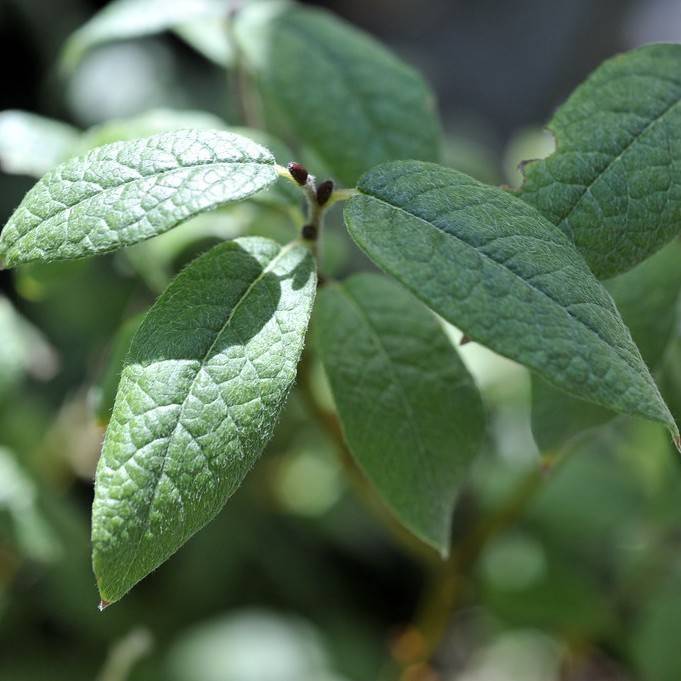
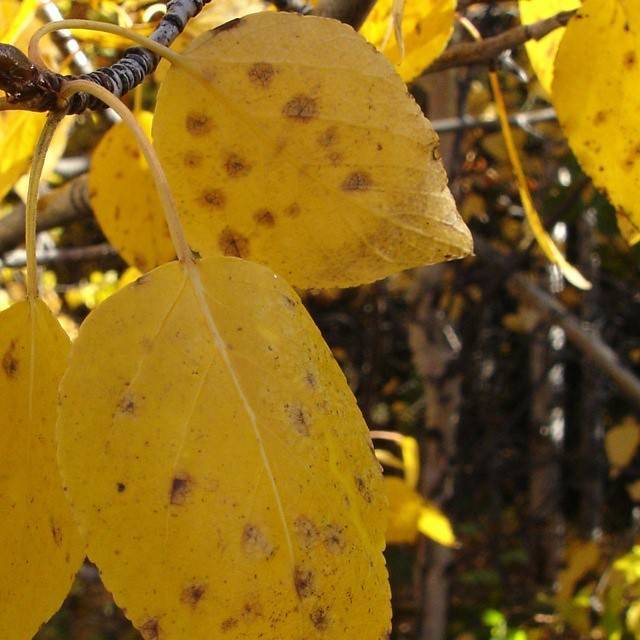
Arctic Dwarf Birch is a compact, mat-forming deciduous shrub evolved to thrive in harsh, cold tundra and rocky alpine environments. Its small, glossy rounded leaves turn bright golden-yellow in autumn, providing seasonal interest, while its thin, peeling reddish-brown bark adds textural appeal year-round. It spreads slowly via shallow, creeping root systems to form dense colonies that stabilize fragile tundra soils, making it a key species in high-latitude ecosystems.
Care Guide
Watering
Prefers consistently moist, well-drained soil and does not tolerate prolonged drought; water regularly during dry periods to keep root zones evenly damp, avoiding waterlogging that can cause root rot. In its native range, it receives consistent moisture from snowmelt and frequent rain, so replicate these conditions by avoiding letting the soil dry out completely between waterings. Reduce watering frequency in late autumn as the plant enters dormancy, providing only enough moisture to prevent the root ball from desiccating over winter.
Light
Thrives in full sun, requiring at least 6 hours of direct sunlight daily to maintain dense growth and vibrant autumn foliage color. It can tolerate light partial shade, but excessive shade will lead to leggy, sparse growth and reduced fall color intensity. In warmer climates outside its native range, provide light afternoon shade to prevent leaf scorch during periods of extreme heat.
Soil
Requires acidic, well-drained soil with a pH between 4.5 and 6.5, similar to the peaty, rocky tundra soils it evolved in. It tolerates poor, low-nutrient soils and rocky substrates, but will not grow in heavy, clay-heavy soils that retain standing water. Amending planting sites with peat moss or pine bark can help lower pH and improve drainage for cultivated specimens.
Fertilizer
Has very low nutrient requirements, as it is adapted to the low-fertility soils of arctic and alpine regions; fertilization is rarely necessary for healthy growth. If growth appears stunted, apply a diluted, slow-release acidic fertilizer once annually in early spring, avoiding high-nitrogen formulas that can promote excessive, weak growth. Over-fertilization can damage its shallow root system and reduce its cold hardiness, so err on the side of underfeeding.
Temperature
Extremely cold-hardy, tolerating winter temperatures as low as -40°F (-40°C) and thriving in USDA hardiness zones 1 through 6. It does not tolerate high heat or humidity well, and will struggle in regions with sustained summer temperatures above 75°F (24°C), often suffering from leaf scorch and root stress in warm climates. Winter dormancy is triggered by cooling temperatures and shorter day lengths, and the plant requires a prolonged period of cold winter chill to break dormancy and produce new growth in spring.
Pruning
Requires minimal pruning, as its natural compact, spreading growth habit is self-sustaining; remove any dead, damaged, or diseased stems in early spring before new growth emerges. You can lightly trim back overlong stems to maintain a desired shape, but avoid heavy pruning, as the plant grows slowly and may take several years to recover from excessive cutting. Prune out any stems that show signs of fungal infection or pest damage promptly to prevent spread to the rest of the colony.
Propagation
Most commonly propagated via semi-hardwood cuttings taken in mid to late summer, rooted in a moist, acidic growing medium under cool, high-humidity conditions. It can also be grown from seed, but seeds require a 3-4 month period of cold stratification to germinate, and germination rates are often low. Spreading root colonies can also be divided in early spring before new growth begins, though the shallow, fragile root system requires careful handling to avoid damage during division.
Humidity
Prefers moderate to high humidity levels between 50% and 70%, similar to the cool, moist conditions of its native tundra habitat. It does not tolerate dry, arid air well, and may develop brown leaf edges if exposed to prolonged low humidity, especially in indoor cultivation. In dry climates, mist foliage regularly or place the plant on a pebble tray filled with water to increase ambient humidity around the foliage.
Repotting
Rarely requires repotting when grown in the ground, as it has a shallow, spreading root system that prefers to stay undisturbed. If grown in a container, repot every 3-4 years in early spring, using an acidic, well-drained potting mix formulated for ericaceous plants, and selecting a pot only slightly larger than the current root ball to avoid excess soil moisture retention. Handle the fragile root system carefully during repotting, and water thoroughly after transplanting to settle the soil around the roots.
Uses & Symbolism
Arctic Dwarf Birch is widely used in cold-climate rock gardens, alpine gardens, and xeriscapes for its compact size, ornamental bark, and vibrant autumn foliage, and it is an excellent groundcover for stabilizing sloped or rocky sites in northern regions. Indigenous communities in the Arctic have historically used its flexible stems for making baskets and small tools, and its bark for tannins and traditional medicinal remedies for colds and skin irritations. It is also planted in ecological restoration projects in arctic and alpine regions to rebuild soil stability and support native tundra wildlife, including providing food for caribou, musk oxen, and small mammal species.
Diseases & Pests
Arctic Dwarf Birch is relatively pest and disease resistant in its native habitat, but can be susceptible to birch leafminer, a small insect larvae that tunnels inside leaf tissue, causing brown blotches and premature leaf drop. It may also develop powdery mildew and leaf spot fungal diseases in warm, humid conditions with poor air circulation, which can be prevented by planting in full sun and spacing specimens to allow for adequate air flow. Root rot can occur if the plant is grown in poorly drained, waterlogged soil, so ensuring proper soil drainage is critical to preventing this fatal fungal infection.
Related plants
Other plants you might like if you grow Arctic Dwarf Birch.