Alaska Birch
Betula neoalaskana
Overview
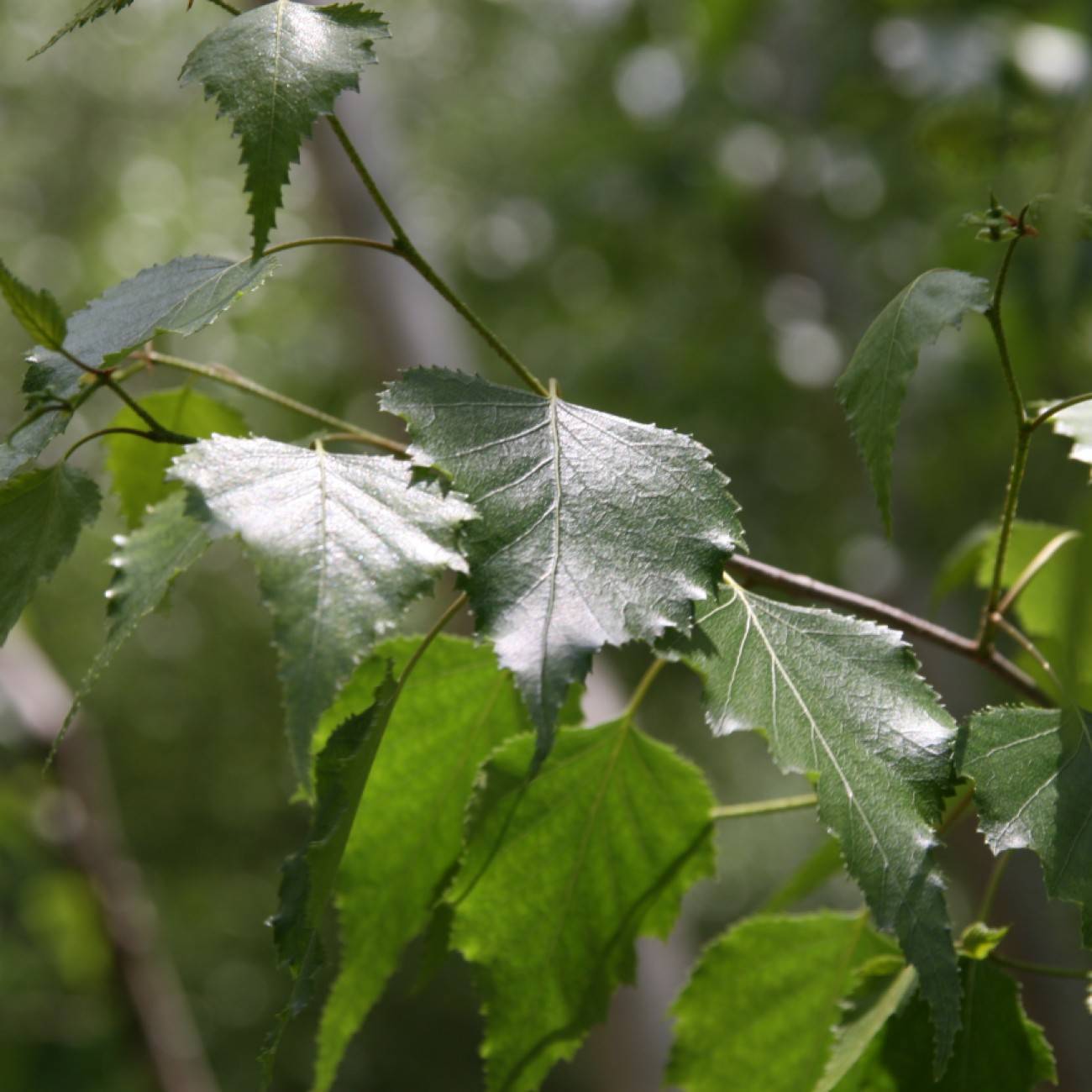
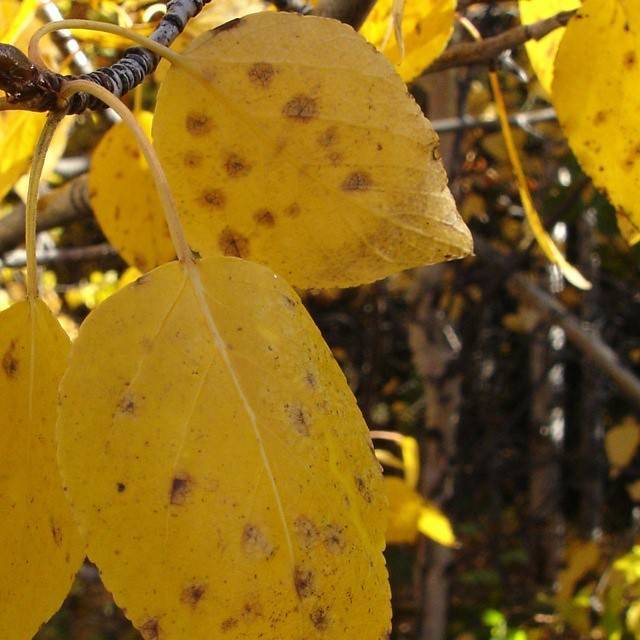
Alaska birch, also called resin birch, is a deciduous boreal tree adapted to extremely cold, subarctic climates, recognizable by its thin, papery, creamy-white to pale gray bark that peels in horizontal strips. It produces small, wind-pollinated catkins in early spring before its triangular, serrated bright green leaves emerge, which turn warm yellow in autumn before dropping. This fast-growing species is a keystone plant in northern ecosystems, providing food and shelter for moose, snowshoe hares, birds, and native pollinators, and it thrives in the short, cool growing seasons of its native range.
Care Guide
Watering
Alaska birch prefers consistently moist, well-drained soil and is not drought-tolerant; water young trees deeply once or twice weekly during dry periods to establish a strong root system. Mature trees can tolerate short periods of drier soil but perform best when soil moisture remains consistent, mimicking the wet, cool boreal conditions of its native habitat. Avoid overwatering in heavy clay soils that trap standing water, as this can cause root rot.
Light
This species requires full sun to thrive, needing a minimum of six hours of direct, unfiltered sunlight daily for optimal growth and bark development. It does not tolerate heavy shade, so plant it in an open area away from taller competing trees that would block sunlight. Young saplings can tolerate very light dappled shade for their first one to two years of growth, but full sun is required for long-term health.
Soil
Alaska birch adapts to a wide range of soil types, including sandy, loamy, and rocky soils, as long as they are acidic to neutral with a pH between 4.5 and 7.0. It prefers soils that are rich in organic matter, similar to the leaf litter-covered boreal forest floors it naturally grows on. It can tolerate poorly drained, seasonally wet soils near streams or wetlands better than many other birch species, making it suitable for riparian planting projects.
Fertilizer
Young Alaska birch trees benefit from a slow-release, balanced granular fertilizer applied in early spring before new growth emerges to support healthy leaf and root development. Mature trees rarely need supplemental fertilization if grown in soil with adequate organic matter, as they are adapted to low-nutrient northern soils. Avoid high-nitrogen fertilizers, which can encourage excessive, weak leaf growth that is more susceptible to pest damage.
Temperature
This extremely cold-hardy tree can survive winter temperatures as low as -60°F (-51°C), making it ideal for growing in USDA hardiness zones 1 through 6. It does not tolerate hot, humid climates well, and prolonged temperatures above 85°F (29°C) can cause leaf scorch and stress, limiting its cultivation in southern regions. It requires a period of cold winter dormancy to thrive, so it is not suitable for areas with mild, frost-free winters.
Pruning
Prune Alaska birch only in late winter or very early spring while the tree is fully dormant, as pruning during active growth can cause excessive sap bleeding and attract harmful borers. Remove dead, damaged, or crossing branches to improve air circulation and maintain a strong, balanced canopy, avoiding heavy pruning that removes more than 25% of the tree’s foliage in a single year. Suckers that grow from the base of the tree can be removed at any time to maintain a single-trunk form if desired.
Propagation
Alaska birch is most easily propagated from seed, which requires a 90-day period of cold stratification to break dormancy before sowing in moist, well-drained potting mix in spring. It can also be propagated from softwood cuttings taken in early summer, treated with rooting hormone, and kept in high humidity until roots form, though this method has a lower success rate than seed propagation. Wild populations often regenerate naturally from seed dispersed by wind in late summer and early fall, colonizing disturbed sites like burned or logged areas quickly.
Humidity
Alaska birch prefers moderate to high humidity levels, consistent with the cool, moist air of its native boreal habitat, though it can tolerate average indoor humidity if grown temporarily as a young potted specimen. Low humidity combined with high temperatures can cause leaf edge browning and stress, so mist young indoor trees occasionally or place them near a humidifier to maintain adequate moisture levels. Outdoors, it thrives in areas with regular rainfall and high ambient humidity, such as near lakes, rivers, or wetland edges.
Repotting
Young Alaska birch saplings grown in containers should be repotted every one to two years in early spring before new growth starts, using a well-drained, acidic potting mix amended with peat moss or pine bark to mimic its native soil. Choose a pot that is 2 to 3 inches larger in diameter than the current root ball to give roots room to expand, and ensure the pot has ample drainage holes to prevent standing water. Once trees reach 6 to 8 feet tall, they are best planted permanently outdoors, as they quickly outgrow container environments and require full sun to mature properly.
Uses & Symbolism
Alaska birch is widely used in reforestation and land restoration projects in northern regions, as it quickly colonizes disturbed sites like burned or logged areas, stabilizing soil and providing shade for slower-growing conifer species to establish. Indigenous peoples of Alaska and northern Canada traditionally used its strong, flexible bark for crafting baskets, storage containers, and roofing material, and its inner bark as a emergency food source and medicinal remedy for minor ailments. It is also planted as an ornamental landscape tree in cold-climate regions for its attractive pale peeling bark, bright yellow autumn foliage, and tolerance of poor, rocky soils.
Diseases & Pests
The most common pest affecting Alaska birch is the bronze birch borer, a wood-boring beetle that attacks stressed trees, causing canopy dieback and eventual death if left untreated, so maintaining consistent soil moisture and avoiding tree injury is key to prevention. It is also susceptible to leaf spot fungi, which cause small brown spots on foliage in wet, humid conditions, though this is rarely fatal and can be managed by improving air circulation around the tree. Aphids and birch leafminers are occasional minor pests, which feed on leaf tissue causing discoloration, but they typically only cause cosmetic damage and do not threaten the long-term health of mature trees.
Related plants
Other plants you might like if you grow Alaska Birch.