Downy Willow
Salix lapponum
Overview
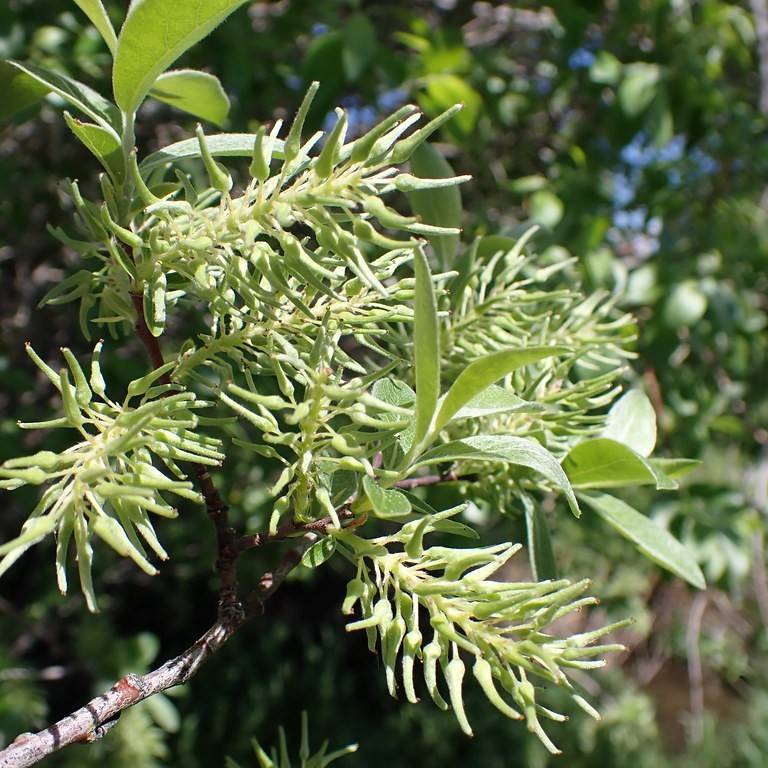
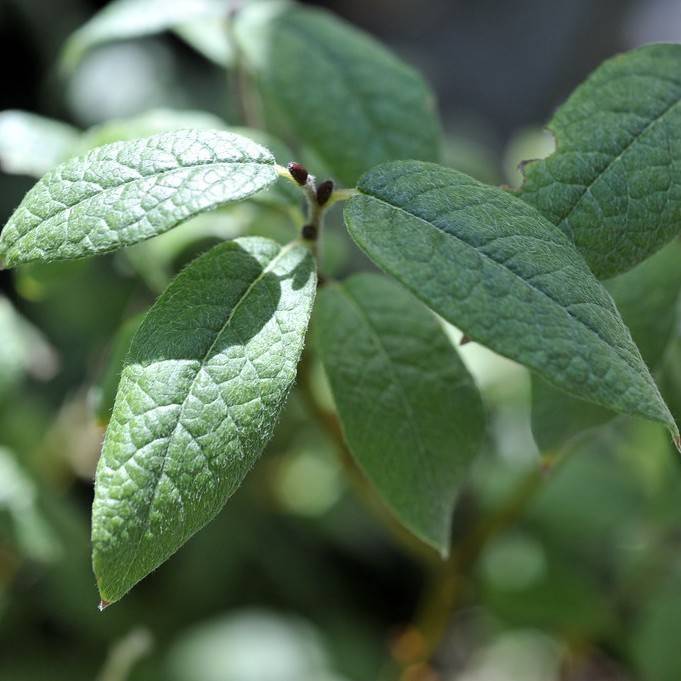
Downy willow is a compact, deciduous shrub adapted to harsh, cold climates, recognizable by the dense, soft white hairs covering its new leaves, twigs, and catkins that give it its signature 'downy' appearance. It is a keystone species in many tundra and wetland ecosystems, providing food and shelter for native pollinators, birds, and small mammals in its native range. Though naturally found in cold, boggy habitats, it adapts well to cultivation in temperate regions with consistent moisture, often used in erosion control and native plant landscaping.
Care Guide
Watering
Downy willow thrives in consistently moist to wet soil, tolerating periodic flooding and standing water far better than most ornamental shrubs. Water deeply and frequently during dry periods to prevent the soil from drying out completely, as drought stress can cause leaf drop and stunted growth. Potted specimens require regular watering, as their roots dry out more quickly than those planted in the ground.
Light
This species grows best in full sun, which encourages dense foliage growth and abundant catkin production in spring. It can tolerate partial shade, though growth may become leggy and flowering will be reduced in low-light conditions. In hot southern climates, light afternoon shade can help prevent leaf scorch during the warmest summer months.
Soil
Downy willow adapts to a wide range of soil types, including sandy, loamy, and heavy clay soils, as long as moisture is consistent. It tolerates acidic to slightly alkaline pH levels and thrives in the boggy, nutrient-poor soils common to its native tundra and wetland habitats. It does not perform well in fast-draining, sandy soils that do not retain moisture.
Fertilizer
In its native habitat, downy willow grows well in low-nutrient soils, so it rarely requires supplemental fertilization when planted in appropriate landscape conditions. If growth is stunted or foliage is pale, apply a balanced, slow-release fertilizer in early spring before new growth emerges. Avoid over-fertilizing, as this can lead to excessive, weak new growth that is prone to breakage in wind.
Temperature
Downy willow is exceptionally cold-hardy, tolerating winter temperatures as low as -40°F (-40°C) and thriving in USDA hardiness zones 1 through 6. It does not perform well in hot, humid climates above zone 7, as sustained high temperatures can cause leaf scorch and increase susceptibility to fungal diseases. Winter protection is not required in its suitable growing range, as it is well-adapted to freezing conditions and heavy snow cover.
Pruning
Prune downy willow in late winter or early spring before new growth begins to maintain its compact shape and remove any dead, damaged, or crossing branches. It responds well to hard pruning, and cutting the entire shrub back to within 6 inches of the ground every 2-3 years encourages dense, vigorous new growth. Remove spent catkins after flowering if you wish to prevent self-seeding, though the small seed capsules are not considered invasive in most temperate regions.
Propagation
Downy willow is most easily propagated from softwood or hardwood cuttings taken in late spring or dormant season respectively. Cuttings root readily in moist soil or water without the need for rooting hormone, often establishing a strong root system within 4-6 weeks. It can also be grown from seed, though seeds have a very short viability period of just a few weeks after ripening and require consistent moisture to germinate successfully.
Humidity
This species prefers moderate to high humidity levels, consistent with its native wetland and tundra habitats. It tolerates average household humidity when grown as a potted specimen, though occasional misting during very dry periods can help keep foliage looking healthy. Low humidity combined with high temperatures can cause leaf browning and drop, so avoid placing potted downy willows near heating vents or other dry air sources.
Repotting
Potted downy willows should be repotted every 1-2 years in early spring before new growth emerges, as their fast-growing root systems can quickly become pot-bound. Use a deep, wide pot with ample drainage holes and a moisture-retentive potting mix to support their high water needs. After repotting, water thoroughly to settle the soil around the roots and keep the plant in partial shade for a few days to reduce transplant shock.
Uses & Symbolism
Downy willow is widely used in cold-climate landscaping for erosion control along stream banks, pond edges, and wetland restoration sites, as its dense root system stabilizes saturated soil effectively. It is also planted in native and wildlife gardens to support early spring pollinators, which feed on its nectar-rich catkins, and birds that use its dense foliage for nesting cover. Historically, indigenous communities in its native range used its flexible stems for basket weaving and its bark for medicinal purposes, as it contains salicin, the precursor to aspirin.
Diseases & Pests
Downy willow is susceptible to several fungal diseases, including willow blight, rust, and powdery mildew, which are most common in humid, poorly ventilated conditions with overhead watering. Common pests include aphids, willow beetles, and scale insects, which feed on sap and foliage, causing leaf curling, yellowing, and stunted growth if infestations are left untreated. Proper spacing to improve air circulation, avoiding overhead watering, and removing infected plant material can reduce the risk of disease, while horticultural oil or insecticidal soap can control most pest infestations.
Related plants
Other plants you might like if you grow Downy Willow.