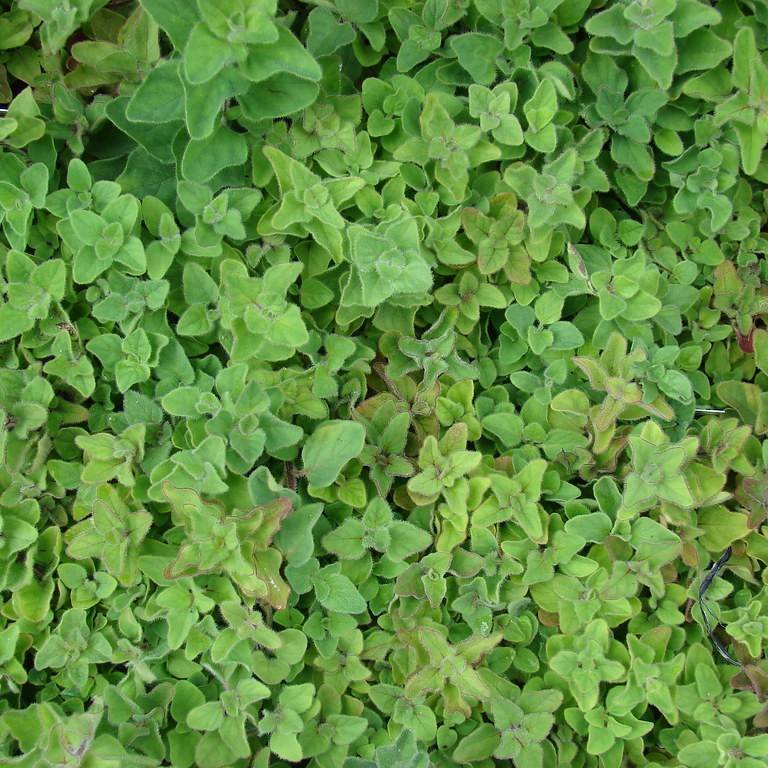
Greek Oregano
Origanum vulgare subsp. hirtum
Overview
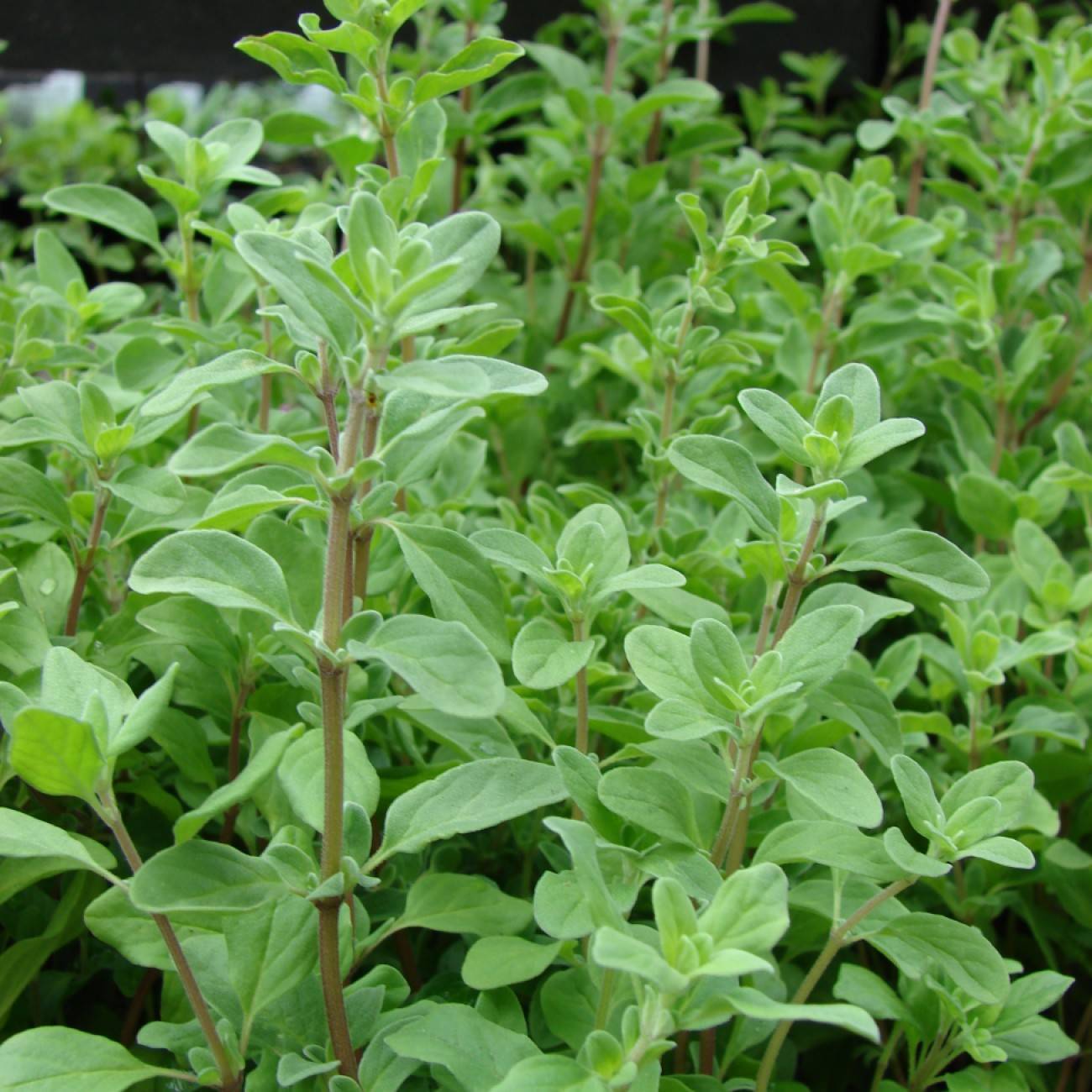
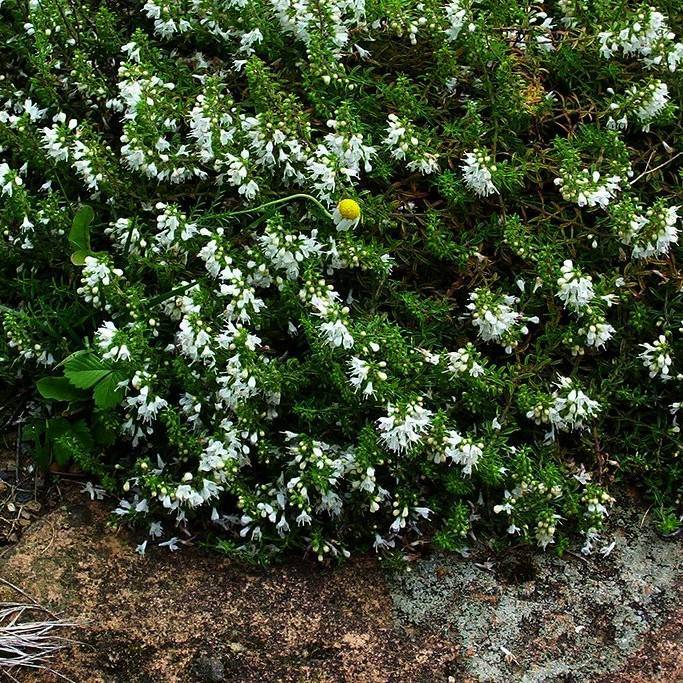
Greek oregano is a subspecies of common oregano renowned for its far stronger, more aromatic flavor than standard ornamental oregano varieties, making it the most popular culinary oregano grown worldwide. It forms low, bushy mounds of fuzzy, gray-green foliage, producing clusters of tiny white or pale pink flowers in summer that attract pollinators like bees and butterflies. Hardy to USDA zones 5 through 9, it thrives in hot, sunny conditions and is well-adapted to dry, rocky soils characteristic of its native Mediterranean habitat.
Care Guide
Watering
Allow the top 1 to 2 inches of soil to dry out completely between waterings, as Greek oregano is highly drought-tolerant and prone to root rot if left in consistently soggy soil. Reduce watering frequency significantly during the winter dormant period, only providing moisture when the entire soil volume is almost fully dry. Avoid overhead watering to minimize fungal leaf spot risk, directing water at the base of the plant instead.
Light
Greek oregano requires full sun, meaning a minimum of 6 to 8 hours of direct, unfiltered sunlight daily to produce dense, flavorful foliage and prevent leggy, weak growth. When grown indoors, place it in a south-facing window or supplement with a full-spectrum grow light for 12 to 14 hours per day to replicate its native sunny conditions. Insufficient light will lead to reduced essential oil production, diminishing the herb’s characteristic pungent flavor.
Soil
Plant Greek oregano in well-draining, slightly alkaline to neutral soil with a pH between 6.0 and 8.0, as heavy, clay-rich soils that retain moisture will quickly cause root rot. For container growth, use a lightweight, porous potting mix amended with perlite, coarse sand, or pumice to improve drainage, avoiding moisture-retentive mixes with high peat moss content. In garden beds, amend heavy soil with gravel or composted rock dust to improve drainage and replicate the rocky, lean soils of its native range.
Fertilizer
Greek oregano is a light feeder that requires very little fertilization, as excess nutrients will lead to lush, mild-tasting foliage with reduced essential oil content. Outdoor plants may receive a single, light application of balanced, slow-release 10-10-10 fertilizer in early spring before new growth emerges, while indoor plants can be fed once every 2 to 3 months during the growing season with a diluted liquid fertilizer at half the recommended strength. Skip fertilization entirely during the winter dormant period to avoid forcing weak, off-season growth.
Temperature
Greek oregano thrives in warm temperatures between 60°F and 85°F (15°C to 29°C) during its active growing season, tolerating short periods of heat up to 100°F (38°C) if provided with adequate drainage. It is cold-hardy down to 10°F (-12°C) when planted outdoors in well-draining soil, though it may die back to the ground in winter before resprouting in spring. Indoor plants should be kept away from cold drafts from windows or air conditioners, as sustained temperatures below 50°F (10°C) can stunt growth or cause leaf drop.
Pruning
Prune Greek oregano regularly throughout the growing season by snipping off the top third of stems to encourage bushier, denser growth and prevent the plant from becoming leggy or flowering prematurely. Harvest up to two-thirds of the plant’s foliage at a time just before it begins to flower, when essential oil levels are highest for maximum flavor. After flowering finishes in late summer, cut back the entire plant by half to remove spent blooms and encourage a flush of fresh, new foliage before the dormant season.
Propagation
Greek oregano is most commonly propagated from stem cuttings, taken in spring or early summer from healthy, non-flowering stems 3 to 4 inches long, stripped of lower leaves, and rooted in moist perlite or well-draining potting mix in 2 to 3 weeks. It can also be grown from seed, though seed-grown plants may have variable flavor, so named culinary cultivars are almost always propagated vegetatively to preserve their pungent taste. Mature clumps can be divided every 2 to 3 years in early spring, splitting the root ball into smaller sections and replanting immediately to refresh overgrown plants.
Humidity
Greek oregano prefers low to moderate humidity levels between 30% and 50%, well-suited to average household indoor humidity levels and the dry summer air of its native Mediterranean range. High humidity levels above 60% increase the risk of fungal leaf diseases and root rot, so avoid placing it in humid areas like bathrooms or near humidifiers. If grown in a humid climate, ensure the plant has ample air circulation around its foliage to prevent moisture buildup on leaves.
Repotting
Container-grown Greek oregano should be repotted every 1 to 2 years in early spring, just before new growth emerges, when roots begin to grow out of the drainage holes or the plant becomes root-bound. Choose a pot only 1 to 2 inches larger in diameter than the current one, as overly large pots hold excess soil moisture that can lead to root rot. When repotting, gently loosen tangled roots and refresh the potting mix with additional coarse sand or perlite to maintain optimal drainage.
Uses & Symbolism
Greek oregano is one of the most widely used culinary herbs in Mediterranean, Greek, Italian, and Mexican cuisines, added fresh or dried to tomato sauces, grilled meats, salads, marinades, and pizza for its bright, peppery, earthy flavor. It has a long history of use in traditional herbal medicine for its antimicrobial, anti-inflammatory, and antioxidant properties, used to make teas, tinctures, and topical remedies for minor respiratory and digestive ailments. Its dense, low-growing habit and attractive summer flowers also make it a useful edging plant for herb gardens, rock gardens, and xeriscaped landscapes, where it attracts pollinators and tolerates dry, poor soil conditions.
Diseases & Pests
Greek oregano is relatively pest and disease resistant when grown in optimal conditions, but overwatering and poor drainage are the most common causes of root rot, a fungal disease that causes wilting, yellowing leaves, and eventual plant death. High humidity and poor air circulation can lead to fungal leaf spots, which appear as small brown or black lesions on foliage, and can be prevented by avoiding overhead watering and spacing plants to allow air flow. Common pests include aphids, spider mites, and whiteflies, which can be controlled with regular sprays of insecticidal soap or neem oil, or by introducing beneficial predatory insects like ladybugs to outdoor plantings.
Related plants
Other plants you might like if you grow Greek Oregano.