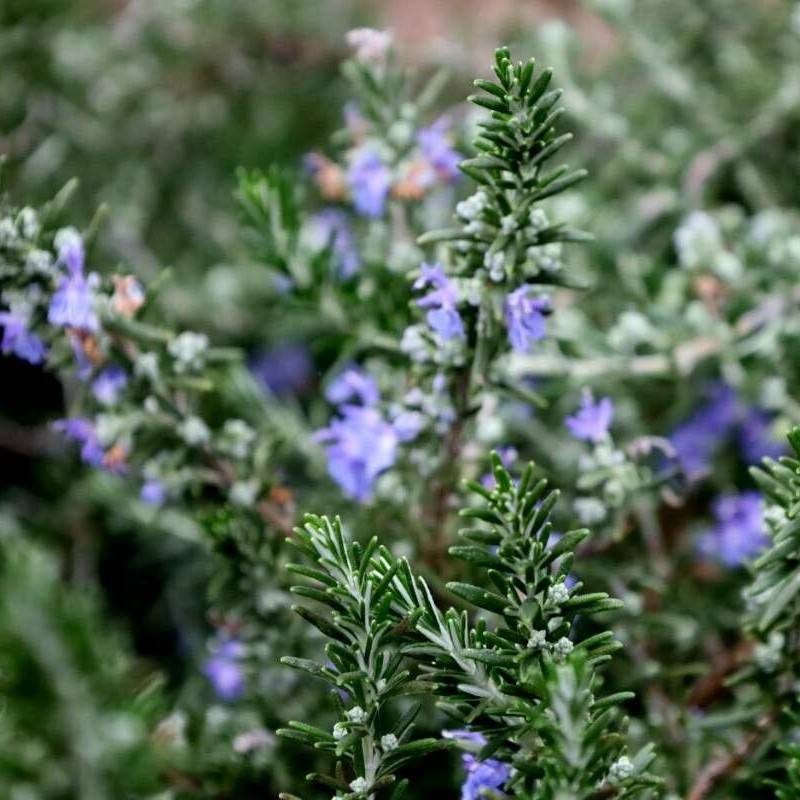
Creeping Rosemary
Salvia rosmarinus 'Prostratus'
Overview
Creeping rosemary is a prostrate cultivar of common rosemary, prized for its cascading growth habit that spreads horizontally rather than growing upright. Its fragrant, dark green needle-like foliage releases a distinct pine-like scent when brushed, and it produces clusters of small, pale blue to lavender flowers in spring and occasionally fall. Adapted to dry, rocky Mediterranean climates, it is drought-tolerant, deer-resistant, and well-suited to xeriscaping, sloped areas, or hanging baskets where its trailing stems can drape freely.
Care Guide
Watering
Creeping rosemary is highly drought-tolerant once established, requiring infrequent deep watering only when the top 2-3 inches of soil are completely dry. Overwatering is the most common cause of failure, so ensure the soil drains thoroughly and avoid letting the plant sit in standing water, especially in cool winter months. Container-grown specimens may need slightly more frequent watering during hot, dry spells, but always err on the side of underwatering.
Light
This herb thrives in full, direct sunlight, requiring a minimum of 6-8 hours of unfiltered sun daily to maintain dense growth and strong fragrance. In shadier conditions, it will become leggy, produce fewer flowers, and be more susceptible to fungal diseases. When grown indoors, place it in a south-facing window or supplement with grow lights to meet its high light requirements.
Soil
Creeping rosemary prefers well-drained, sandy or loamy soil with a slightly acidic to alkaline pH between 6.0 and 7.5. Heavy, clay-rich soils that retain moisture will quickly cause root rot, so amend planting areas with coarse sand, perlite, or crushed gravel to improve drainage before planting. For container growth, use a cactus or succulent potting mix, or amend regular potting soil with 30% perlite to enhance drainage.
Fertilizer
This low-maintenance plant requires very little fertilization, as excessive nutrients can lead to leggy growth and reduced fragrance. Apply a balanced, slow-release 10-10-10 fertilizer at half strength once per year in early spring, just before new growth begins. Avoid fertilizing in late summer or fall, as this can stimulate tender new growth that is vulnerable to cold damage.
Temperature
Creeping rosemary thrives in warm temperatures between 60-85°F (15-29°C) and is hardy in USDA zones 8-11, tolerating light frosts down to 10°F (-12°C) for short periods. In areas with colder winters, grow it in containers that can be moved indoors to a cool, bright location before the first frost. Avoid exposing the plant to sudden temperature swings, such as drafts from heating vents or cold windows, which can cause leaf drop.
Pruning
Prune creeping rosemary lightly after flowering to encourage dense, bushy growth and prevent the stems from becoming woody and bare at the base. Remove any dead, damaged, or straggly stems, trimming back up to one-third of the plant's growth each year, avoiding cutting into old, woody stems that do not have new green growth. Regular trimming also helps maintain the plant's trailing habit and prevents it from spreading beyond its intended growing area.
Propagation
The easiest method of propagation is through stem cuttings taken in spring or early summer, using 4-6 inch cuttings of soft, new growth that have not yet become woody. Remove the lower leaves from the cutting, dip the cut end in rooting hormone, and plant it in a well-drained sandy potting mix, keeping it lightly moist and in bright, indirect light until roots form in 2-4 weeks. It can also be grown from seed, but germination is slow and inconsistent, and seedlings may not retain the prostrate growth habit of the parent plant.
Humidity
Creeping rosemary prefers low to moderate humidity levels between 30-50%, making it well-suited to dry indoor environments and arid outdoor climates. High humidity, especially combined with poor air circulation, increases the risk of powdery mildew and other fungal diseases, so space plants adequately to allow airflow around the foliage. Avoid misting the leaves, as this can create excess moisture on the foliage that promotes disease.
Repotting
Container-grown creeping rosemary only needs repotting every 2-3 years, when roots begin to grow out of the drainage holes or the plant becomes root-bound. Repot in early spring, moving to a container only 1-2 inches larger than the current pot to avoid excess soil that retains moisture around the roots. Use a fast-draining potting mix and ensure the container has ample drainage holes to prevent waterlogging.
Uses & Symbolism
Creeping rosemary is widely used as a culinary herb, with its fragrant leaves adding a piney, earthy flavor to roasted meats, soups, breads, and Mediterranean dishes. It is a popular ornamental plant for rock gardens, sloped ground cover, border edges, hanging baskets, and container spillers, where its trailing stems and blue flowers provide year-round visual interest. The aromatic foliage is also used in potpourris, sachets, and herbal remedies for its antioxidant and anti-inflammatory properties, and it attracts pollinators including bees and butterflies to the garden.
Diseases & Pests
The most common issue affecting creeping rosemary is root rot, caused by overwatering or poorly draining soil, which leads to yellowing leaves, wilting, and eventual plant death. Fungal diseases such as powdery mildew can occur in high humidity or low air circulation conditions, appearing as a white powdery coating on the foliage. Common pests include aphids, spider mites, and mealybugs, which can be controlled with insecticidal soap or neem oil, especially when infestations are caught early.
Related plants
Other plants you might like if you grow Creeping Rosemary.
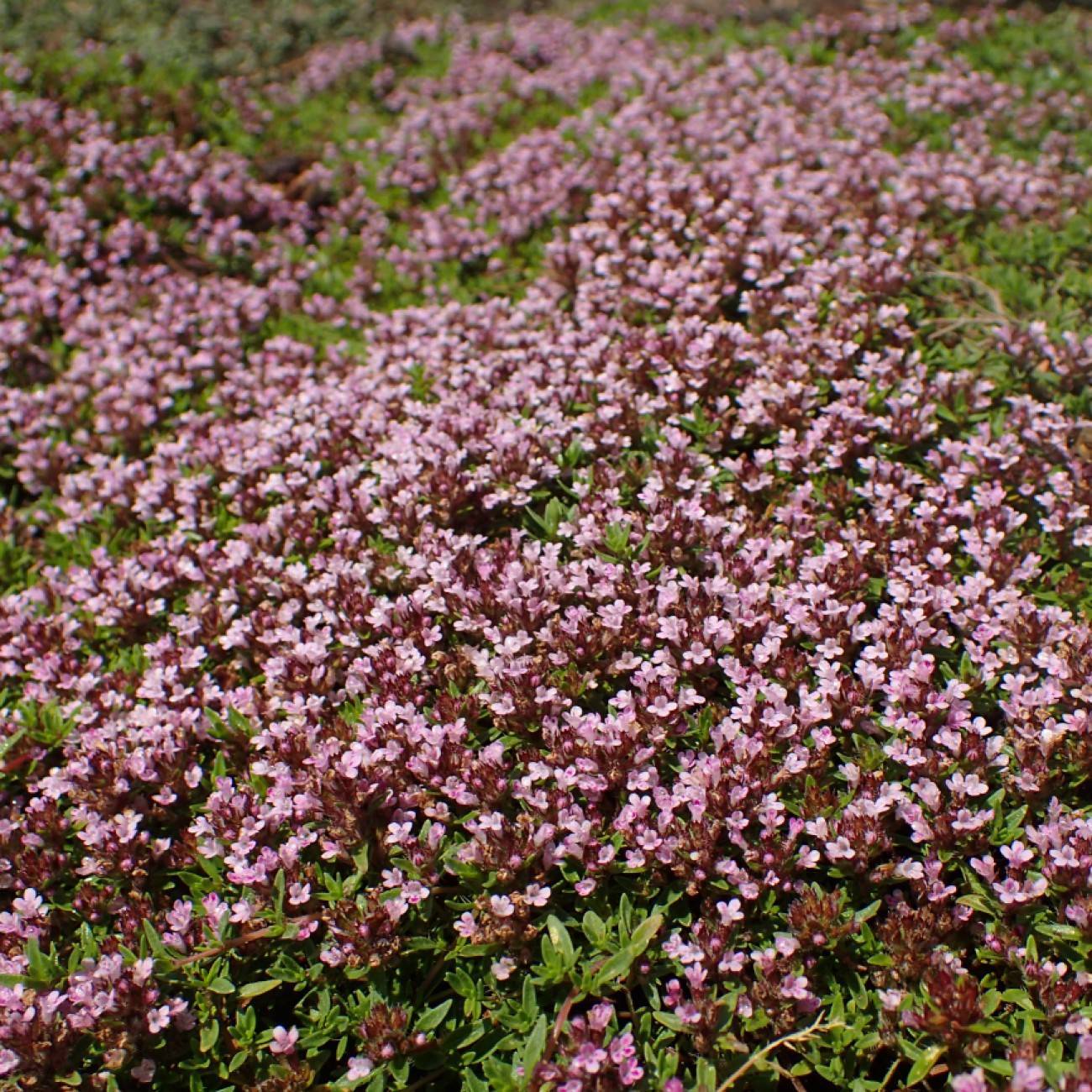
Caraway Thyme
Thymus herba-barona
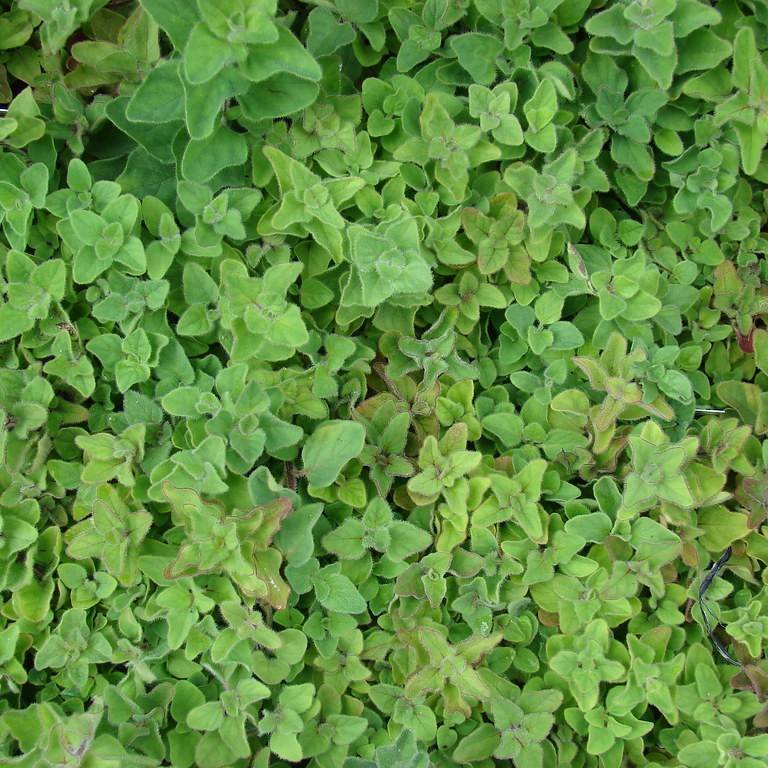
Greek Oregano
Origanum vulgare subsp. hirtum
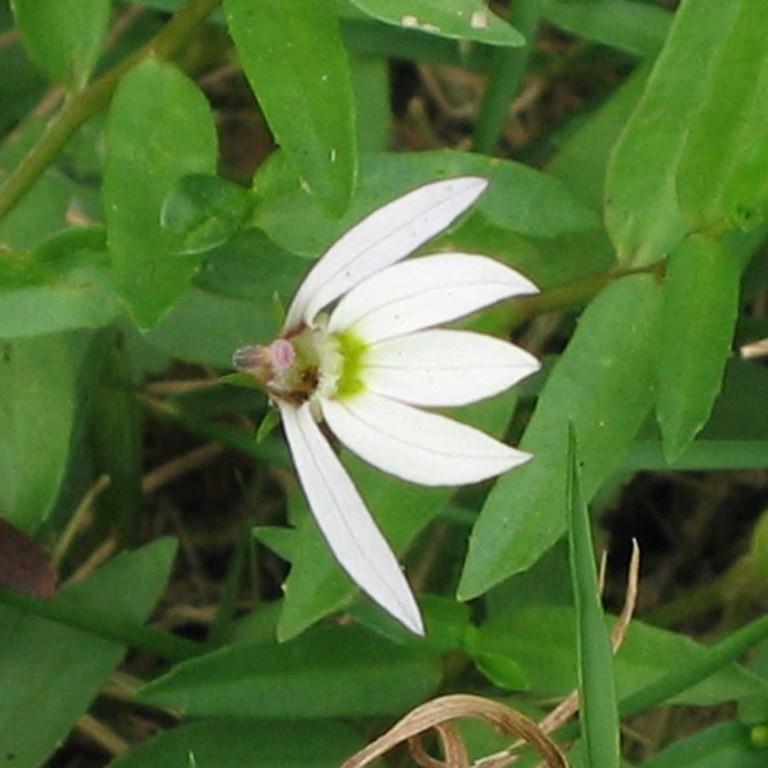
Chinese Creeping Lobelia
Lobelia chinensis
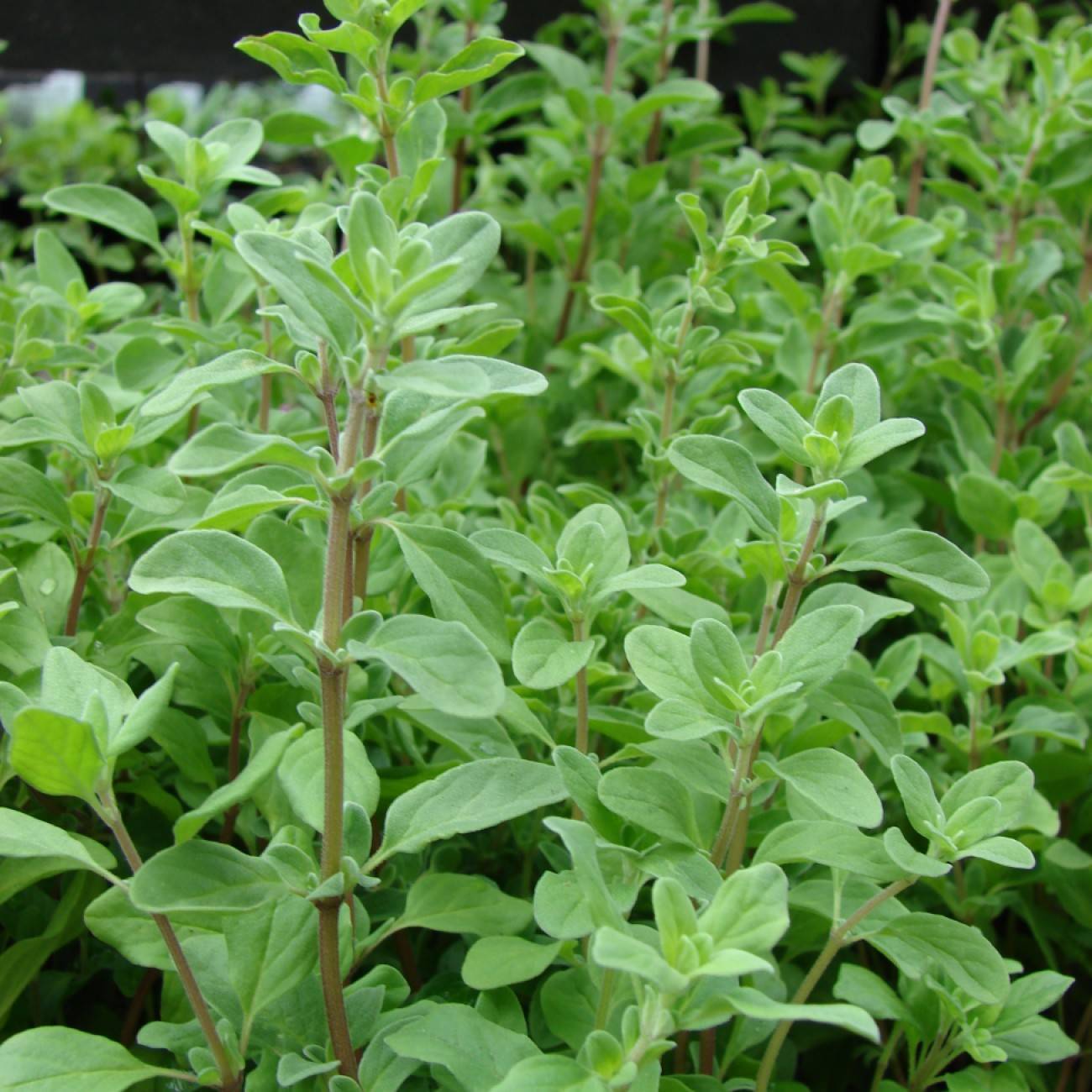
Golden Oregano
Origanum vulgare 'Aureum'
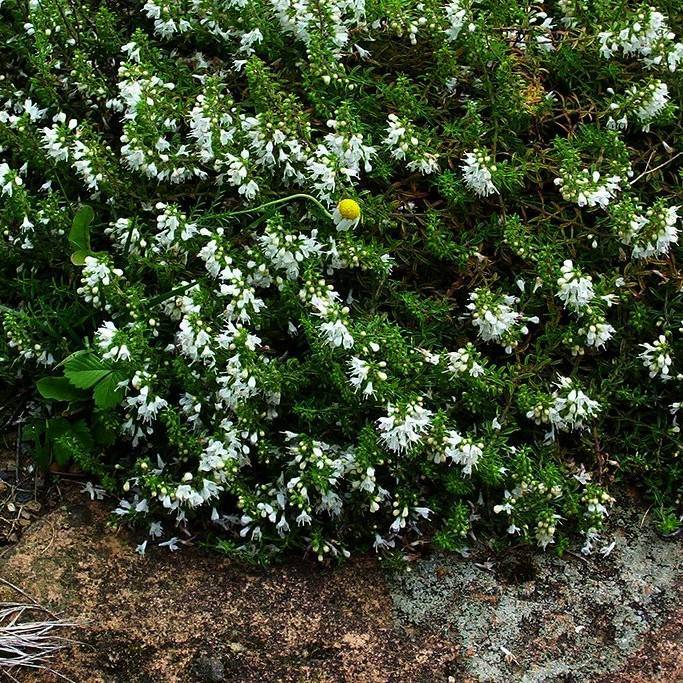
Creeping Savory
Satureja spicigera
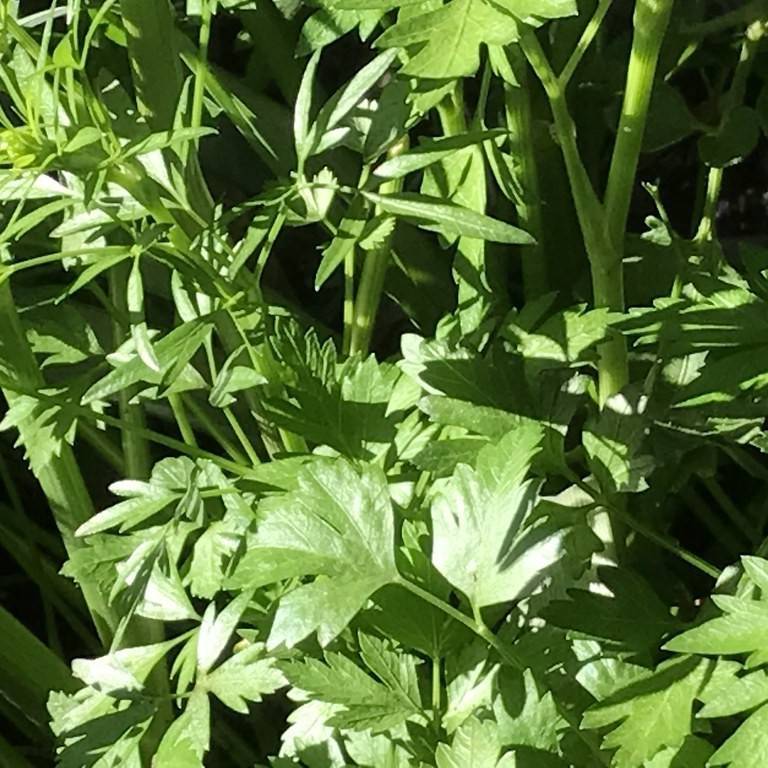
Italian Parsley
Petroselinum crispum var. neapolitanum
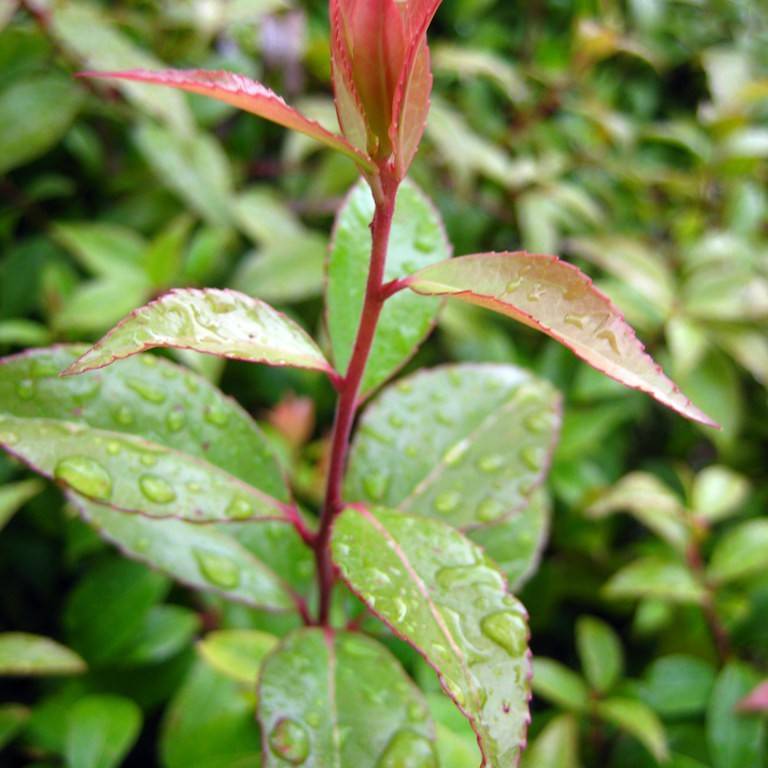
Dense Longwood Thyme
Thymus serpyllum 'Dense Longwood'
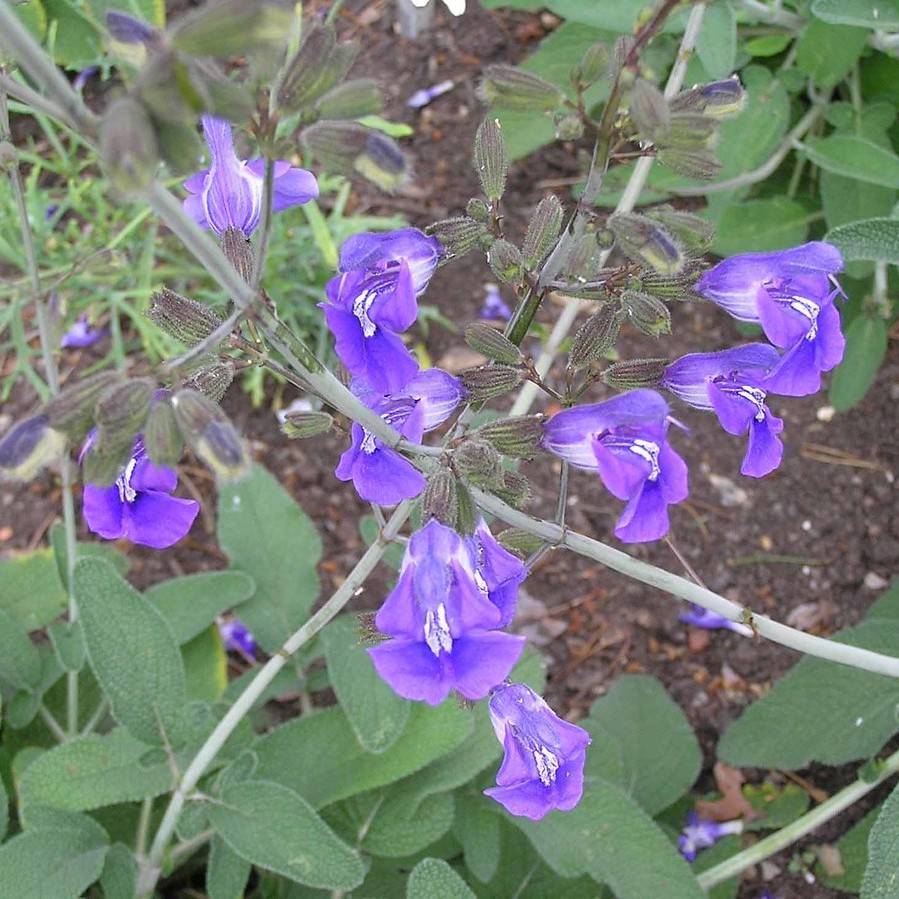
Candelabrum Sage
Salvia candelabrum