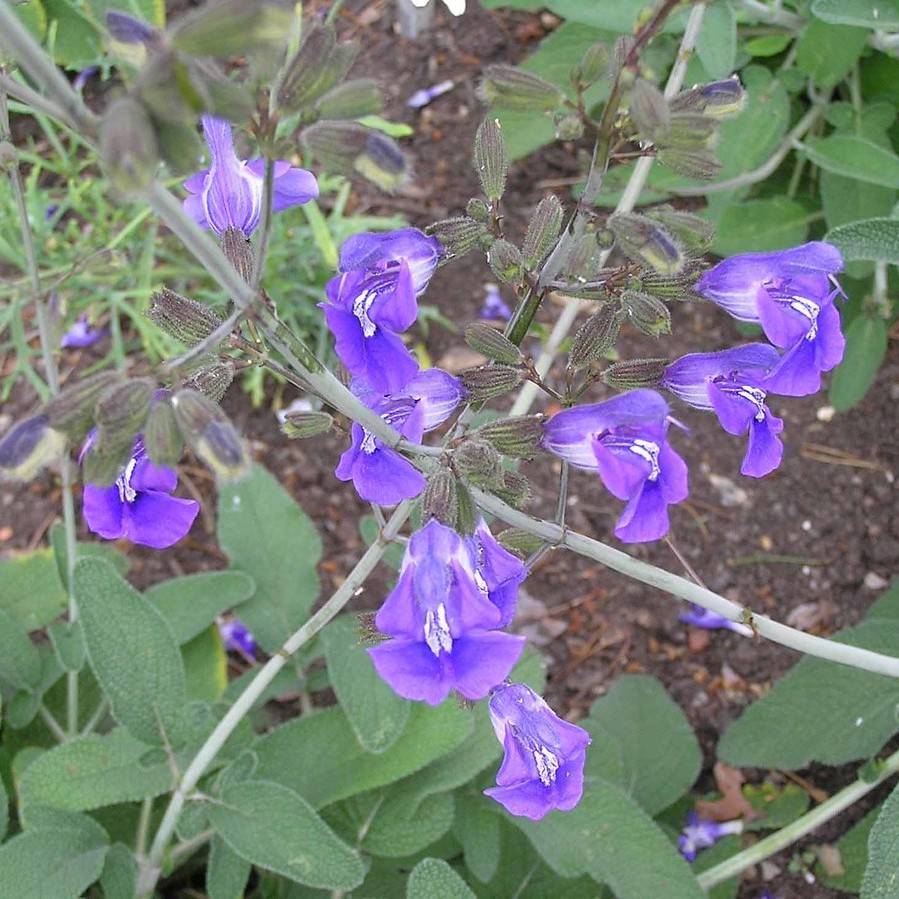
Candelabrum Sage
Salvia candelabrum
Overview
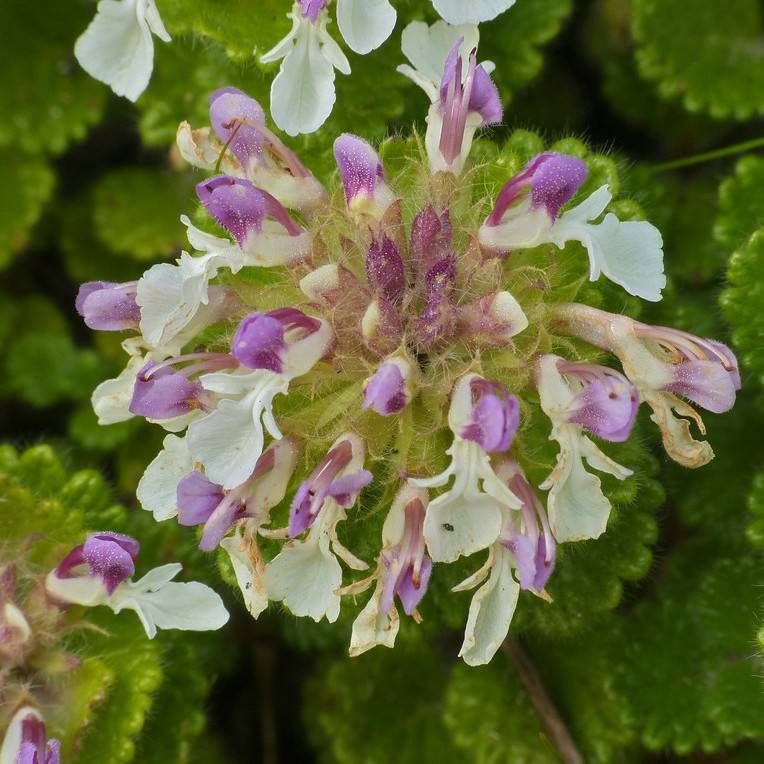
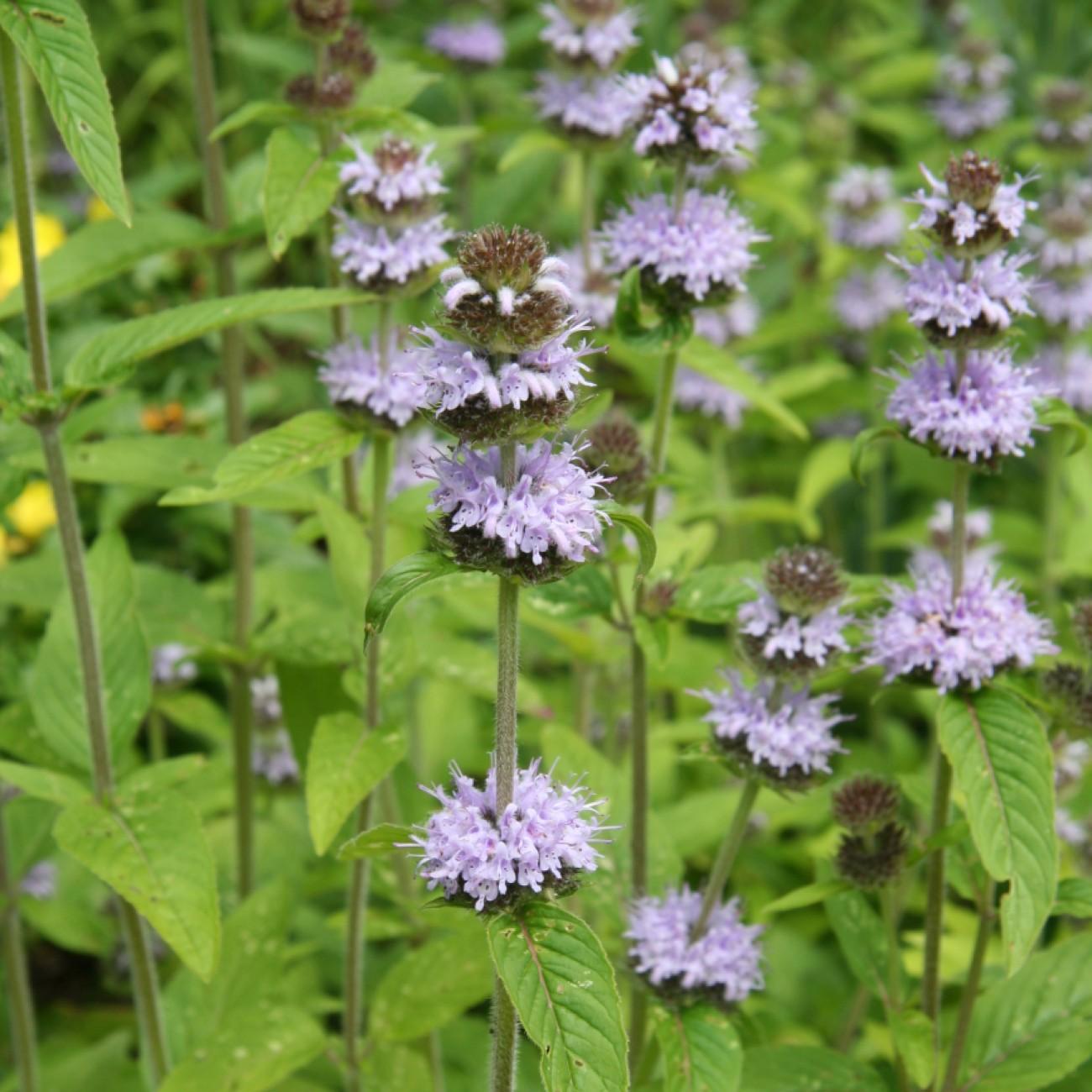
Candelabrum sage is a drought-tolerant, woody subshrub native to rocky, well-drained Mediterranean slopes. Its fuzzy, gray-green aromatic foliage releases a mild sage scent when crushed, and it produces upright, branching flower spikes lined with whorls of vivid violet-blue blooms from late spring to mid-summer. It is highly attractive to pollinators including bees, butterflies, and hummingbirds, and its robust, upright growth habit makes it a striking focal point in xeriscape or herb gardens.
Care Guide
Watering
Water newly planted candelabrum sage regularly for the first growing season to establish a deep root system, reducing frequency once established. Mature plants are extremely drought-tolerant, requiring only occasional supplemental water during extended hot, dry periods; overwatering will quickly lead to root rot. Avoid wetting the foliage when watering to reduce the risk of fungal diseases.
Light
Candelabrum sage thrives in full, direct sunlight, requiring a minimum of 6 to 8 hours of unobstructed sun per day to produce dense foliage and abundant flowering. It can tolerate very light, dappled shade, but too much shade will cause leggy growth, reduced bloom production, and weaker stems that are prone to flopping. If grown indoors, place it in a south-facing window with bright, constant light.
Soil
This species prefers sharply drained, nutrient-poor to moderately fertile soil with a neutral to slightly alkaline pH, similar to its native rocky Mediterranean habitat. Heavy, clay, or water-retentive soils should be amended heavily with coarse sand, gravel, or horticultural grit to improve drainage before planting. It will not survive in consistently soggy or compacted soil, so raised beds or rock gardens are ideal growing locations.
Fertilizer
Candelabrum sage has very low nutrient requirements, and excessive fertilization will lead to soft, leggy growth and reduced fragrance and bloom production. A single light application of balanced, slow-release organic fertilizer in early spring, before new growth emerges, is sufficient for the entire growing season. Avoid high-nitrogen fertilizers entirely, as they promote foliage growth at the expense of flowers.
Temperature
It is hardy in USDA zones 7 through 10, tolerating winter temperatures as low as 0°F (-18°C) for short periods if planted in well-drained soil. It thrives in warm to hot summer temperatures between 65°F and 90°F (18°C to 32°C), and is highly tolerant of dry, arid conditions common in Mediterranean climates. In regions with cold, wet winters, provide a layer of coarse mulch around the base to protect roots from excess moisture and frost damage.
Pruning
Prune candelabrum sage in early spring, just as new growth begins to emerge at the base of the plant, cutting back old, woody stems by about one-third to encourage dense, bushy new growth. Deadhead spent flower spikes immediately after blooming to encourage a possible second flush of flowers later in the season, and to prevent the plant from expending energy on seed production. Avoid heavy pruning into old, bare wood, as these stems often do not resprout reliably.
Propagation
Candelabrum sage is most easily propagated from semi-ripe stem cuttings taken in mid to late summer, using 4-6 inch (10-15 cm) segments of new, non-flowering growth stripped of lower leaves. Dip cut ends in rooting hormone, plant in a well-drained sandy potting mix, and keep lightly moist in bright, indirect light until roots form in 3 to 4 weeks. It can also be grown from seed sown indoors 6 to 8 weeks before the last frost date, though seed-grown plants may take 2 to 3 years to reach full flowering maturity.
Humidity
This species prefers low to moderate humidity levels between 30% and 50%, matching its native dry Mediterranean environment. It does not tolerate high humidity well, especially when combined with warm temperatures and poor air circulation, which increases the risk of fungal leaf diseases. Ensure plants are spaced adequately to allow for good air flow around the foliage, and avoid misting or growing it in overly humid indoor spaces.
Repotting
If grown in containers, repot candelabrum sage every 2 to 3 years in early spring, moving it to a pot only one size larger than the current container to avoid excess soil moisture retention. Use a well-drained cactus or succulent potting mix amended with extra grit or perlite to ensure optimal drainage, and ensure the container has ample drainage holes. After repotting, water lightly and place in full sun to allow the plant to acclimate to its new container.
Uses & Symbolism
Candelabrum sage is a popular ornamental plant for xeriscape gardens, rock gardens, herb borders, and pollinator gardens, where its tall, colorful flower spikes add vertical interest and attract beneficial wildlife. Its aromatic leaves can be used sparingly as a culinary herb, similar to common garden sage, for seasoning meats, soups, and stews, though it has a milder, more complex flavor profile. It is also sometimes planted as a low, informal hedging plant in dry, sunny regions, as its dense, woody growth forms a compact, deer-resistant barrier.
Diseases & Pests
Candelabrum sage is largely pest and disease resistant when grown in optimal conditions, but overwatering or poorly drained soil can lead to root rot, the most common and fatal issue for this species. In humid, poorly ventilated conditions, it may develop fungal leaf spots, powdery mildew, or rust, which can be managed by improving air flow, avoiding overhead watering, and removing affected foliage. Common pests include aphids, spider mites, and whiteflies, which can be controlled with insecticidal soap or neem oil sprays applied at the first sign of infestation.
Related plants
Other plants you might like if you grow Candelabrum Sage.