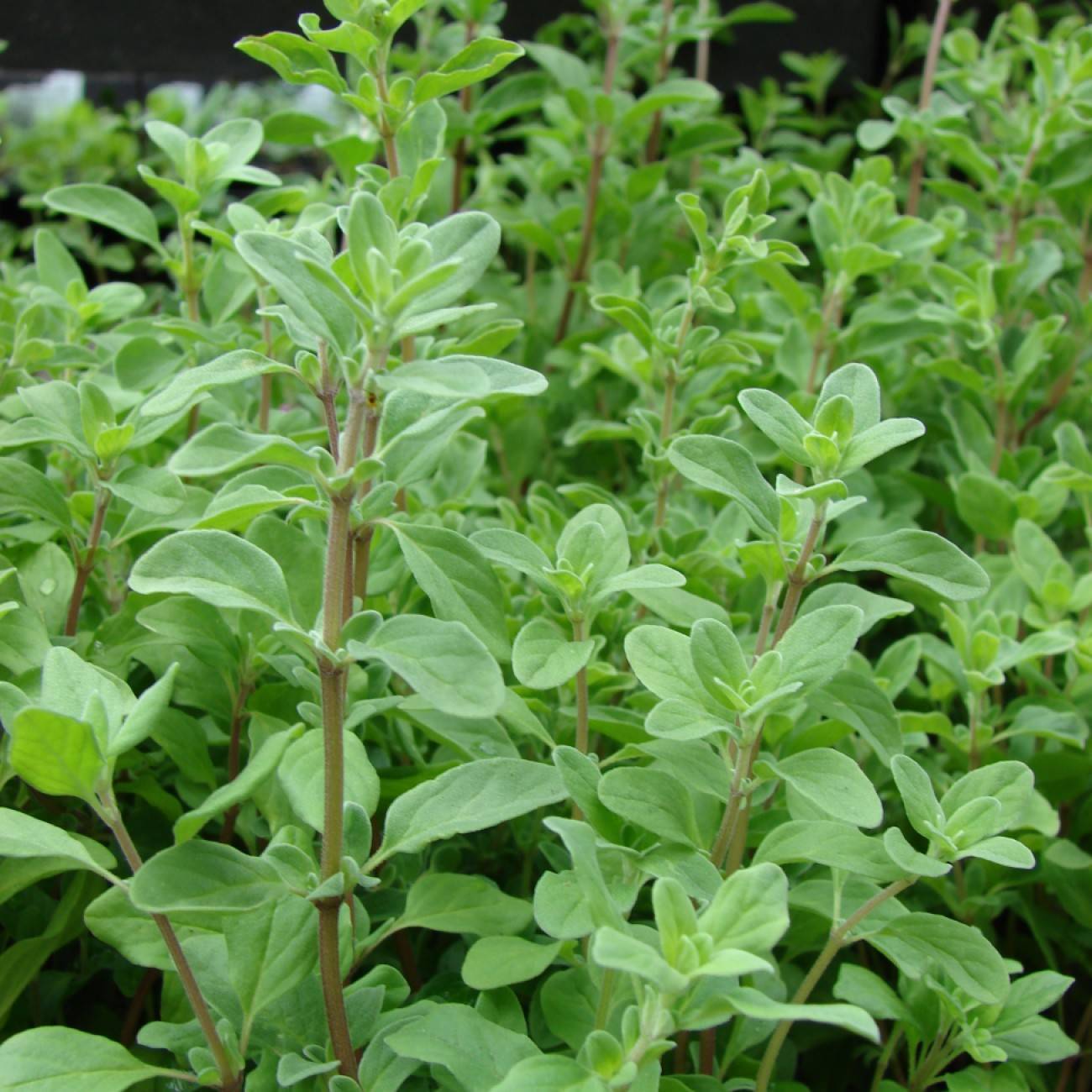
Golden Oregano
Origanum vulgare 'Aureum'
Overview
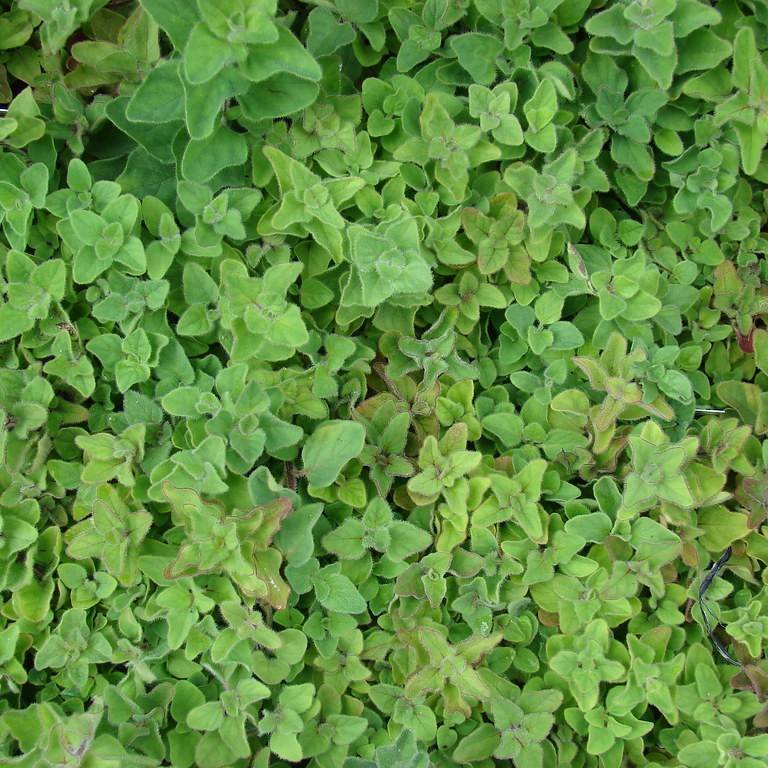
Golden oregano is a variegated cultivar of common oregano, prized for its striking golden foliage that retains its hue best in full sun. It produces clusters of tiny, pale pink tubular flowers in mid to late summer that attract pollinators including bees and butterflies. Hardier than many ornamental herbs, it tolerates light foot traffic and is well-suited to rock gardens, container plantings, and herb bed borders. Its flavor is milder than standard oregano, making it versatile for both culinary use and ornamental display.
Care Guide
Watering
Golden oregano is highly drought-tolerant once established, requiring water only when the top 1 to 2 inches of soil feel completely dry. Overwatering is the most common cause of health issues, so avoid soggy soil and ensure containers have adequate drainage holes. Reduce watering frequency significantly in winter when the plant is semi-dormant.
Light
This cultivar requires full sun, a minimum of 6 hours of direct sunlight daily, to develop its characteristic bright golden foliage; plants grown in too much shade will revert to dull green leaves and become leggy. In extremely hot, arid climates, it benefits from light afternoon shade to prevent leaf scorch during the hottest summer months. Indoor grown plants should be placed in a south-facing window or under grow lights for 10 to 12 hours per day.
Soil
Golden oregano thrives in well-draining, sandy or loamy soil with a neutral to slightly alkaline pH between 6.0 and 8.0. It tolerates poor, rocky soils far better than rich, moisture-retentive mixes, which can lead to root rot. For container planting, use a cactus or succulent potting mix amended with perlite or coarse sand to improve drainage.
Fertilizer
This light-feeding herb rarely requires fertilization; over-fertilizing causes it to produce leggy growth and lose its characteristic flavor and bright leaf color. If grown in poor soil, apply a diluted, balanced all-purpose fertilizer once at the start of the growing season in early spring. Avoid fertilizing in late summer or fall, as new tender growth can be damaged by cold temperatures.
Temperature
Golden oregano is winter hardy in USDA zones 4 through 9, tolerating temperatures as low as -30°F (-34°C) when established and planted in well-draining soil. It prefers average summer temperatures between 65°F and 85°F (18°C and 29°C), and will go semi-dormant, losing some foliage, during extended periods of heat above 90°F (32°C). In regions colder than zone 4, grow it in containers that can be overwintered indoors in a cool, bright location.
Pruning
Trim back stems by up to one-third in early spring to encourage bushy, compact new growth and prevent the plant from becoming woody and leggy. Regularly snip sprigs for culinary use throughout the growing season to promote continued foliage production. After flowering finishes in late summer, cut back spent flower stalks to prevent self-seeding and maintain a tidy growth habit.
Propagation
Golden oregano is most reliably propagated via stem cuttings taken in late spring or early summer, as seed-grown plants will not retain the golden variegation of the parent plant. Take 3 to 4 inch cuttings of soft, new growth, remove the lower leaves, and root in moist, well-draining perlite or sand within 2 to 3 weeks. Established clumps can also be divided in early spring or fall, separating woody root sections and replanting them 12 inches apart.
Humidity
This herb prefers low to moderate humidity levels between 30% and 50%, typical of its native Mediterranean climate. It does not tolerate high, prolonged humidity well, which can encourage fungal leaf spot and root rot, so ensure good air circulation around plants in humid regions. Indoor grown plants do not require misting, and should be kept away from humidifiers or steamy bathroom locations.
Repotting
Container-grown golden oregano should be repotted every 2 to 3 years in early spring, or when roots begin to grow out of the drainage holes of the current pot. Choose a pot only 1 to 2 inches larger than the current one, as excess soil volume will hold unwanted moisture that can cause root rot. Gently loosen tangled roots before replanting in fresh, well-draining potting mix, and water lightly after repotting to settle the soil.
Uses & Symbolism
Golden oregano is used as a milder culinary alternative to common oregano, added fresh or dried to Mediterranean dishes, soups, salads, and marinades for a subtle herbal flavor. Its bright trailing foliage makes it a popular ornamental plant for rock gardens, border edges, hanging baskets, and container combinations, where it adds a pop of warm color. The nectar-rich flowers support local pollinator populations, making it a common addition to pollinator gardens and low-water xeriscape plantings.
Diseases & Pests
Golden oregano is largely pest and disease resistant when grown in proper conditions, but overwatering and poor drainage frequently lead to root rot, the most common issue for this plant. In high humidity or overly shaded locations, it may develop fungal leaf spot, which presents as small brown spots on foliage and can be treated by improving air circulation and removing affected leaves. Aphids and spider mites may occasionally infest stressed plants, and can be controlled with regular sprays of insecticidal soap or neem oil.
Related plants
Other plants you might like if you grow Golden Oregano.