Creeping Savory
Satureja spicigera
Overview
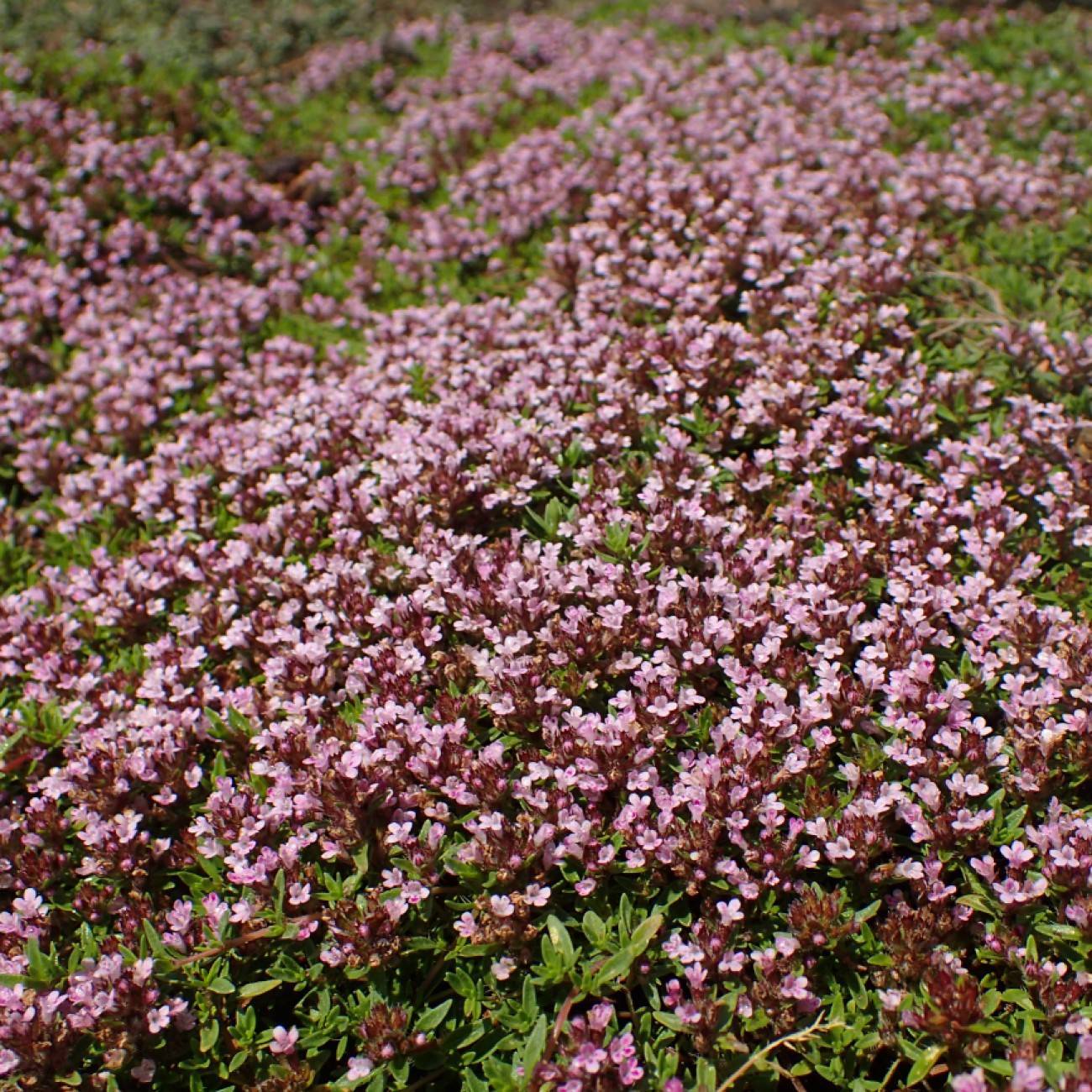
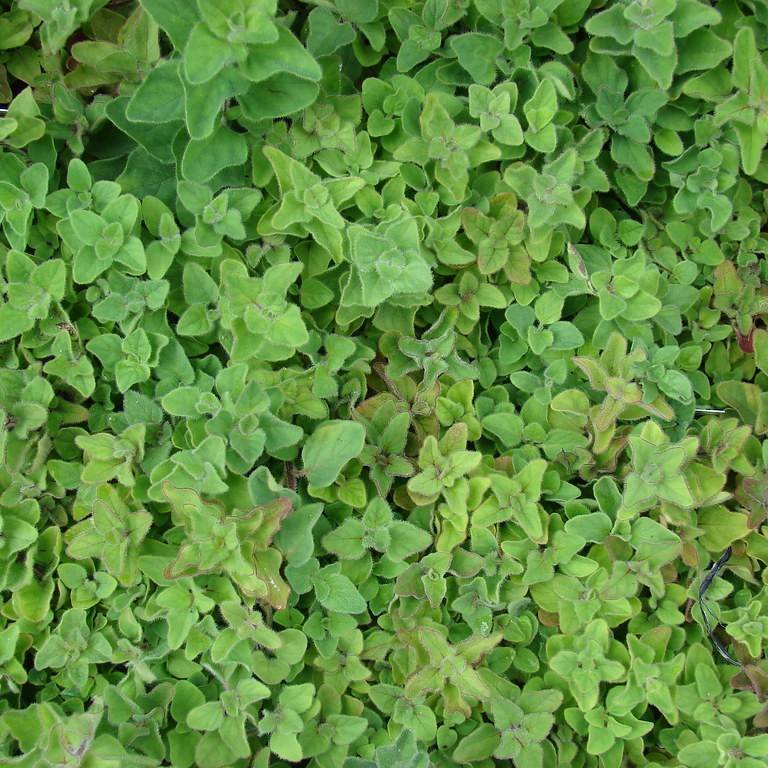
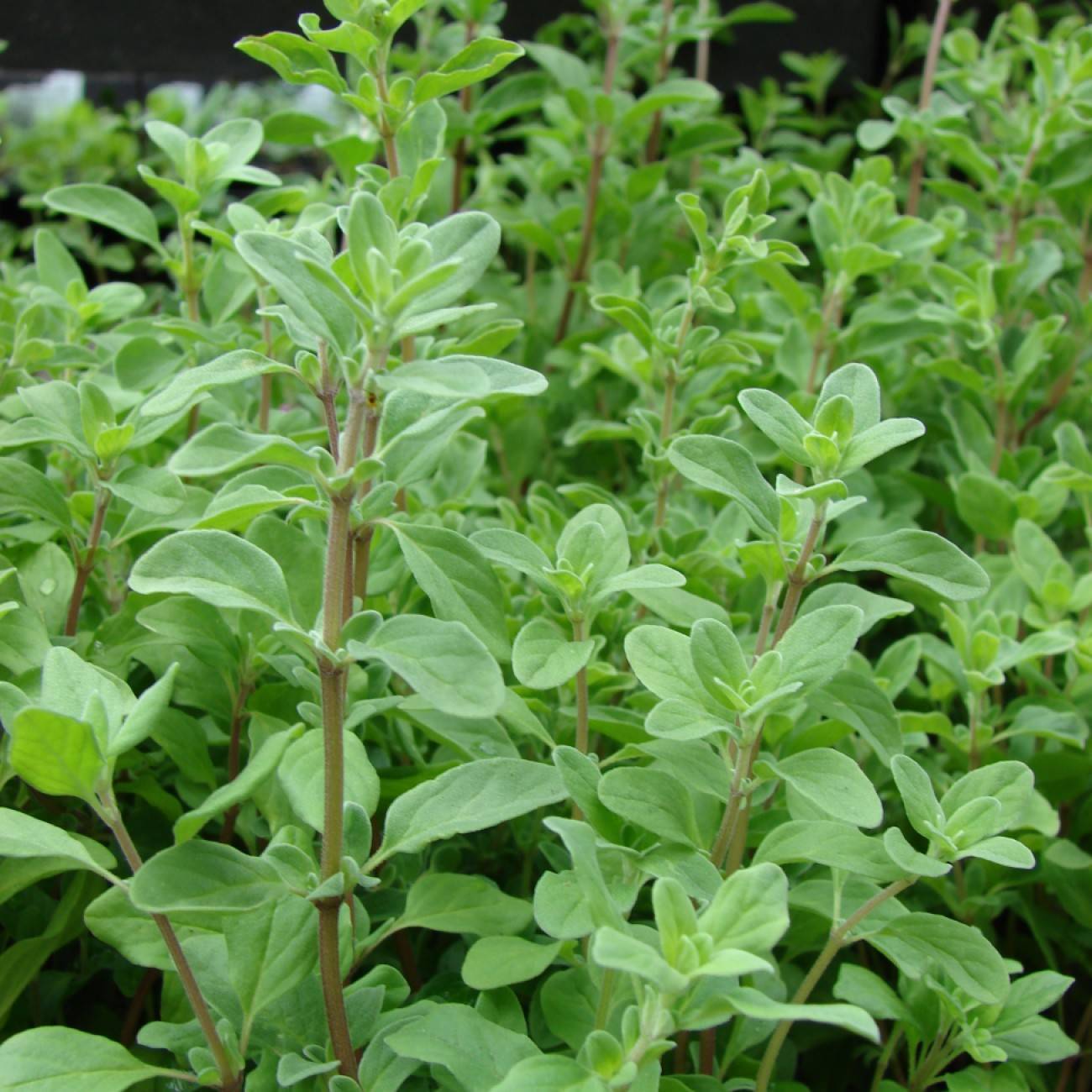
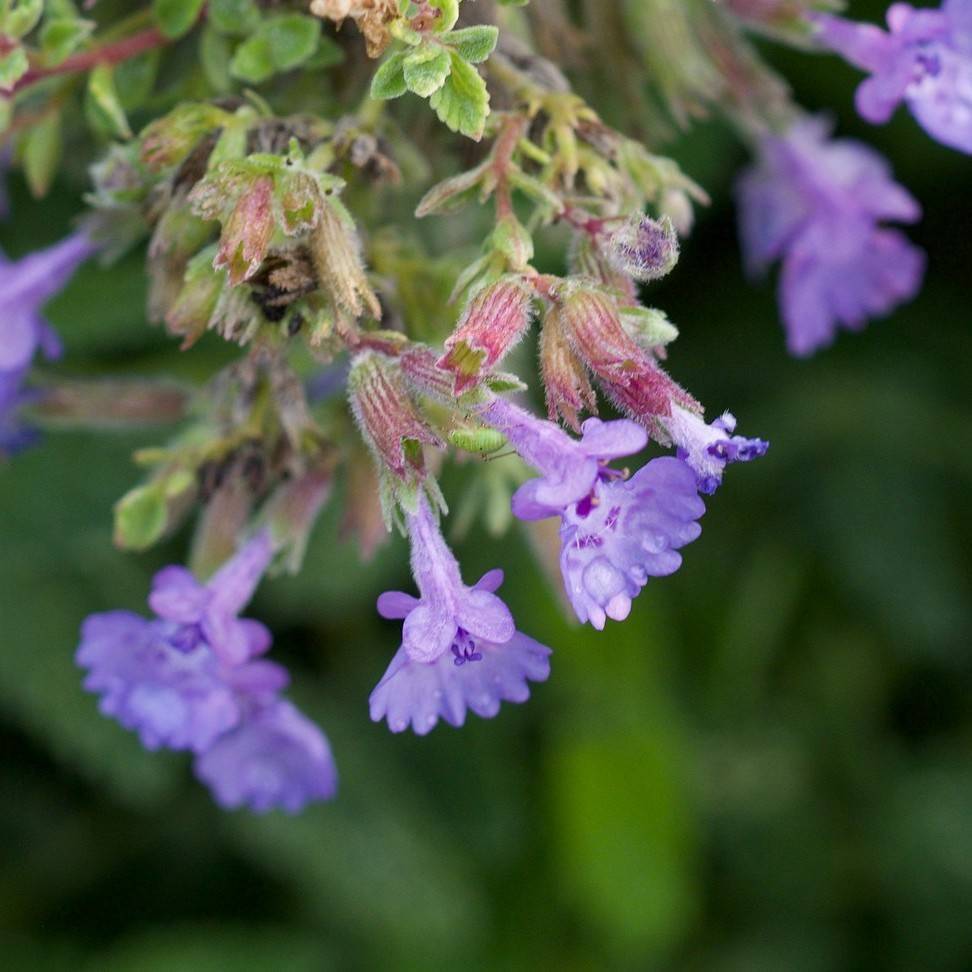
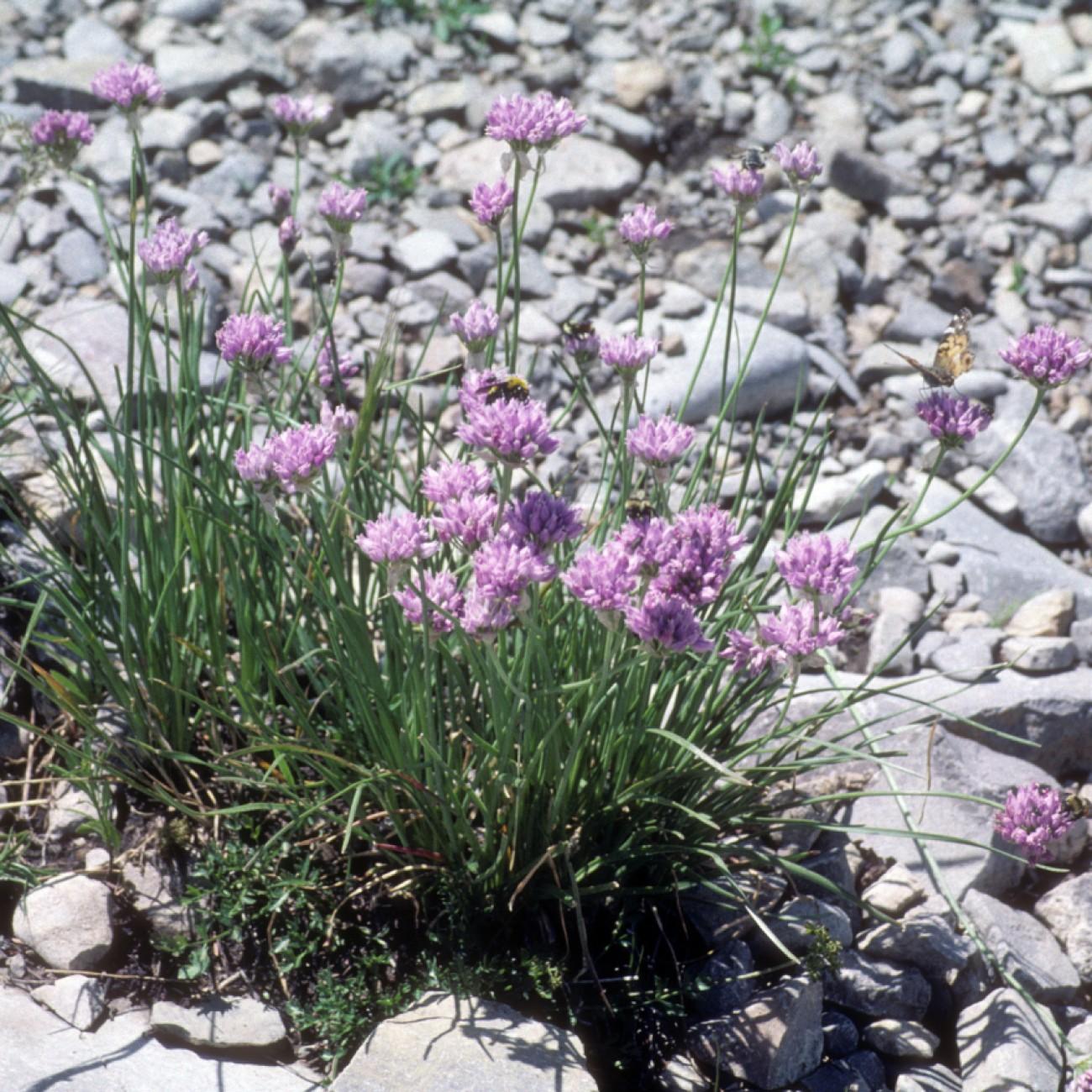
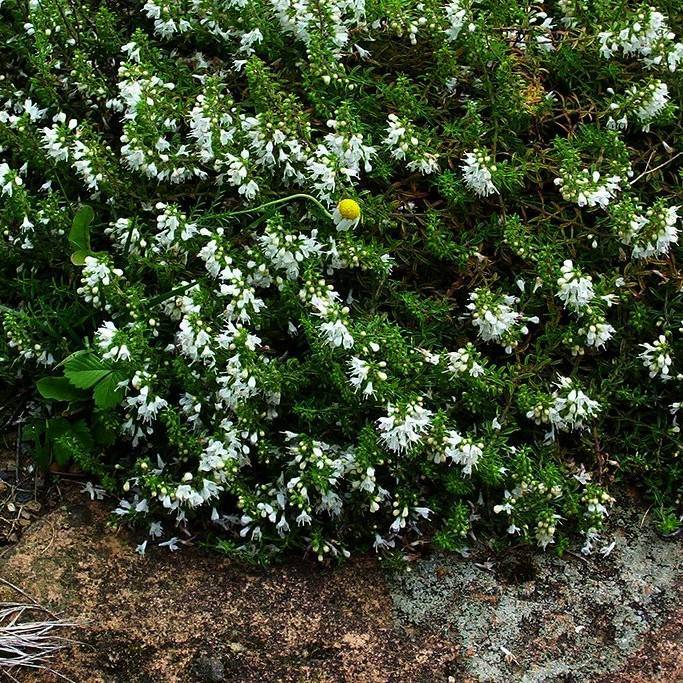
Creeping savory is a mat-forming herb with small, glossy, dark green leaves that release a peppery, thyme-like aroma when crushed. It produces clusters of tiny pale pink or white flowers in summer that attract pollinators such as bees and butterflies. Native to rocky, mountainous regions of Western Asia, it is well-adapted to dry, poor soils and sloped areas where it spreads slowly without becoming invasive. It is closely related to summer and winter savory, with a milder flavor profile ideal for fresh use.
Care Guide
Watering
Creeping savory is highly drought-tolerant once established, requiring only occasional watering during extended dry periods. Overwatering is the most common cause of failure, so allow the soil to dry out completely between waterings, and avoid wetting the foliage to prevent fungal issues. Newly planted specimens need regular light watering for the first 2-3 months to help roots establish.
Light
This herb thrives in full sun, requiring a minimum of 6 hours of direct sunlight daily to produce dense foliage and strong aromatic oils. It can tolerate very light partial shade, but growth will become leggy and flavor will be less intense in low-light conditions. For indoor cultivation, place it in a south-facing window or under grow lights for 8-10 hours per day.
Soil
Creeping savory prefers well-drained, sandy or gravelly, poor to moderately fertile soil with a neutral to slightly alkaline pH between 6.7 and 7.5. Heavy clay soils that retain moisture will cause root rot, so amend planting areas with coarse sand or perlite to improve drainage if needed. It tolerates shallow, rocky soils better than most herbs, making it ideal for rock gardens and crevices.
Fertilizer
This low-maintenance herb requires very little fertilizer, as overly rich soil will promote leggy, weak growth and dilute its aromatic flavor. A light application of balanced, slow-release organic fertilizer in early spring is sufficient for the entire growing season. Avoid liquid fertilizers high in nitrogen, as these will reduce leaf oil content and flavor quality.
Temperature
Creeping savory is cold-hardy in USDA zones 5 to 9, tolerating winter temperatures as low as -20°F (-29°C) when planted in well-drained soil. It thrives in warm to hot summer temperatures between 60°F and 85°F (15°C to 29°C), and tolerates high humidity better than many other Mediterranean herbs as long as drainage is excellent. In colder zones, mulch lightly with straw in late fall to protect roots from freeze-thaw cycles.
Pruning
Prune creeping savory lightly in early spring to remove any winter-damaged foliage and encourage fresh, dense new growth. Harvest stems throughout the growing season by cutting back up to one-third of the plant at a time, which promotes bushier spread. Shear off spent flower heads after blooming if you prefer a neater appearance, though leaving flowers supports pollinators and does not harm the plant.
Propagation
Creeping savory is most easily propagated by stem cuttings taken in late spring or early summer, rooting in well-drained potting mix within 2-3 weeks without rooting hormone. It can also be grown from seed sown directly in the garden after the last frost, or started indoors 6-8 weeks before the last frost date, though seeds have a slow germination period of 14-21 days. Established mats can be divided in early spring or fall by separating rooted sections of the stem and replanting them 12 inches apart.
Humidity
This herb tolerates a wide range of humidity levels, from dry indoor air to moderate outdoor humidity, as long as it has good air circulation around its foliage. High humidity combined with wet soil or poor air flow increases the risk of powdery mildew and root rot, so space plants 12-18 inches apart to allow air movement. Avoid misting the foliage, as excess moisture on leaves can encourage fungal growth.
Repotting
When grown in containers, creeping savory needs repotting every 2-3 years in early spring, or when roots begin to grow out of the drainage holes. Use a fast-draining cactus or succulent potting mix, or amend regular potting soil with 50% perlite or coarse sand to improve drainage. Choose a shallow, wide pot with drainage holes to accommodate its spreading growth habit and prevent excess moisture retention in the root zone.
Uses & Symbolism
Creeping savory is widely used as a culinary herb, with a mild peppery flavor perfect for seasoning meats, stews, bean dishes, salads, and herb blends, as it retains its flavor well when cooked. It is a popular ground cover for rock gardens, path edges, retaining wall crevices, and xeriscapes, as it forms a dense, weed-suppressing mat that tolerates light foot traffic. The plant also has traditional medicinal uses as a digestive aid and antiseptic, and its summer flowers provide valuable forage for pollinators.
Diseases & Pests
Creeping savory is relatively pest and disease resistant when grown in proper conditions, with root rot being the most common issue caused by overwatering or poorly drained soil. It may occasionally be affected by powdery mildew in humid, poorly ventilated conditions, which can be prevented by ensuring adequate air flow and avoiding overhead watering. Aphids and spider mites may infest stressed plants, particularly indoor specimens, and can be controlled with insecticidal soap or a strong spray of water.
Related plants
Other plants you might like if you grow Creeping Savory.