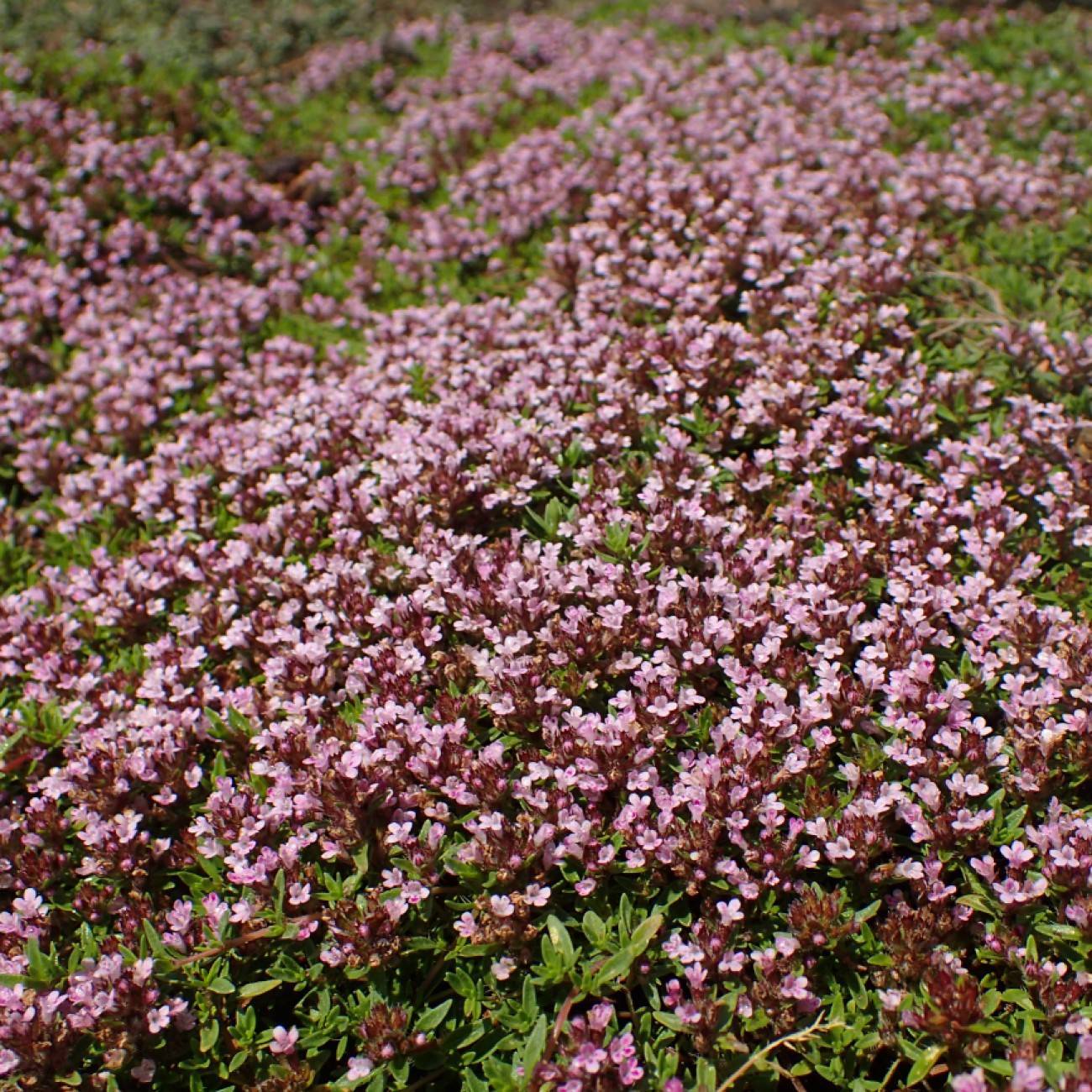
Caraway Thyme
Thymus herba-barona
Overview
Caraway thyme is a mat-forming woody herb prized for its unique, warm caraway-like aroma, a departure from the classic savory scent of common thyme. It produces tiny, oval, fuzzy gray-green leaves and clusters of delicate pale pink flowers that bloom throughout the summer months, attracting pollinators like bees and butterflies. Native to rocky Mediterranean islands, this hardy, drought-tolerant plant thrives in poor, well-drained soil and is well-suited to rock gardens, border edges, container plantings, and herb gardens.
Care Guide
Watering
Allow the top 1-2 inches of soil to dry out completely between waterings, as overwatering quickly leads to root rot. Reduce watering frequency in winter when the plant is semi-dormant, providing only enough moisture to prevent the soil from fully drying out. Avoid overhead watering to minimize fungal risk, directing water at the base of the plant instead.
Light
Caraway thyme requires full sun, meaning at least 6-8 hours of direct, unfiltered sunlight daily to maintain its compact growth habit and strong aromatic flavor. In extremely hot, arid climates, it can tolerate a small amount of afternoon shade to prevent leaf scorch, but too much shade will cause leggy, sparse growth and diminished scent. If grown indoors, place it in a south-facing window or supplement with grow lights to meet its light needs.
Soil
This herb prefers sharply drained, sandy or gravelly soil with a slightly alkaline to neutral pH between 6.0 and 8.0. Heavy, clay-rich soils that retain moisture are unsuitable, as they will cause root rot; amend dense soils with coarse sand, perlite, or crushed limestone to improve drainage before planting. It thrives in low-nutrient soils, so rich potting mixes with high organic matter content are not recommended.
Fertilizer
Caraway thyme has very low nutrient requirements and rarely needs fertilization, as excess nutrients will cause leggy growth and dilute its distinct caraway flavor. If grown in poor soil or containers, a single, light application of balanced, slow-release organic fertilizer in early spring is sufficient to support growth throughout the growing season. Avoid liquid fertilizers high in nitrogen, as they will promote soft, weak foliage that is more prone to pest and disease damage.
Temperature
It is cold hardy in USDA zones 5 through 9, tolerating winter temperatures as low as -20°F (-29°C) when planted in well-drained soil. It prefers average summer temperatures between 60°F and 85°F (15°C to 29°C), and will struggle in prolonged periods of high heat and humidity without adequate air circulation. In regions with harsh, wet winters, provide a light layer of gravel mulch around the base of the plant to prevent crown rot and insulate the roots.
Pruning
Prune caraway thyme regularly throughout the growing season to encourage bushy, compact growth, snipping up to one-third of the plant’s stems at a time to harvest leaves or remove spent flower spikes. In early spring, cut back any woody, dead, or frost-damaged stems to just above new growth nodes to stimulate fresh foliage production. Avoid heavy pruning in late fall, as this can leave the plant vulnerable to winter damage by encouraging tender new growth that will die back in cold temperatures.
Propagation
The most reliable propagation method is stem cuttings, taken in late spring or early summer from healthy, non-flowering stems; remove the lower leaves, dip the cut end in rooting hormone, and plant in well-drained sandy medium, keeping it lightly moist until roots form in 2-3 weeks. It can also be propagated by division in early spring, carefully separating established clumps into smaller sections with intact roots and replanting them immediately in prepared soil. While it can be grown from seed, germination is slow and inconsistent, and seed-grown plants may not retain the consistent caraway scent of parent plants, so cuttings or division are preferred.
Humidity
Caraway thyme prefers low to moderate humidity levels between 30% and 50%, similar to its native Mediterranean habitat. High humidity levels above 60% increase the risk of fungal diseases like powdery mildew and root rot, so ensure the plant has ample air circulation, especially in humid climates or indoor growing environments. Avoid grouping it with high-humidity plants like ferns or tropicals, and do not mist the foliage, as trapped moisture on leaves will encourage disease.
Repotting
Container-grown caraway thyme only needs repotting every 2-3 years, when roots begin to grow out of the drainage holes or the plant becomes root-bound. Choose a pot that is 1-2 inches larger in diameter than the current container, with multiple drainage holes to prevent standing water, and use a lean, well-drained sandy or cactus mix for potting. Repot in early spring before new growth begins, taking care not to damage the delicate root system, and water lightly after repotting to settle the soil around the roots.
Uses & Symbolism
The aromatic leaves of caraway thyme are edible, with a warm, spicy caraway-thyme flavor perfect for seasoning meat dishes, stews, soups, breads, and herb blends, as well as for infusing oils and vinegars. Its low, spreading growth habit makes it an excellent drought-tolerant ground cover for rock gardens, border edges, between stepping stones, and in xeriscaping projects, where it releases its scent when stepped on. The summer pink flowers attract bees, butterflies, and other beneficial pollinators, making it a valuable addition to pollinator gardens and organic vegetable plots.
Diseases & Pests
Caraway thyme is relatively pest and disease resistant when grown in proper conditions, but overwatering or poorly drained soil will quickly lead to root rot, the most common issue affecting this plant. In high humidity or with poor air circulation, it may develop powdery mildew, a white fungal growth on the foliage that can be treated with neem oil or copper fungicide and prevented by spacing plants properly and avoiding overhead watering. Common pests include spider mites and aphids, which can be controlled with regular sprays of insecticidal soap or neem oil, and by wiping down leaves with a damp cloth for small infestations.
Related plants
Other plants you might like if you grow Caraway Thyme.
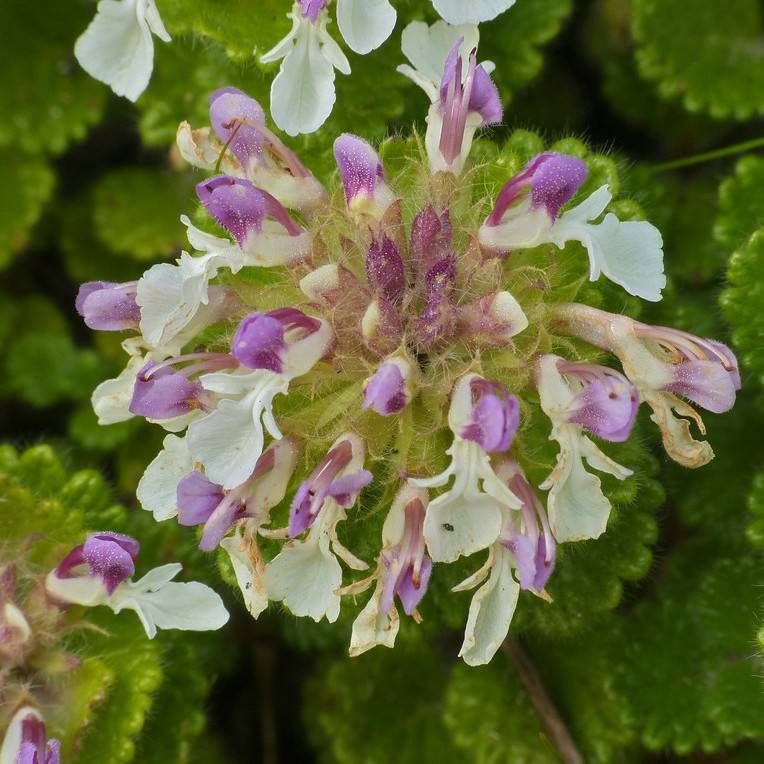
Germander
Teucrium chamaedrys
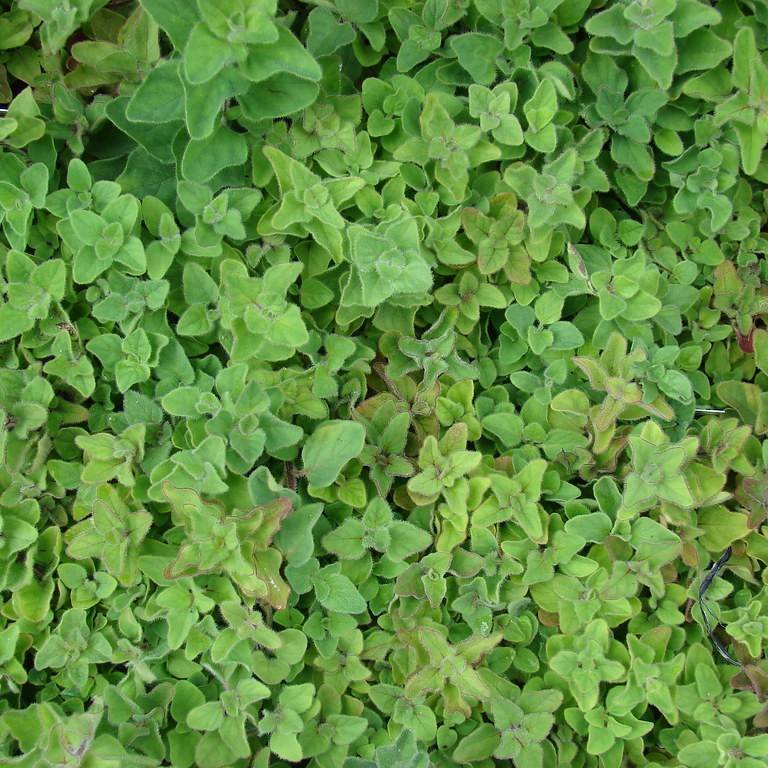
Greek Oregano
Origanum vulgare subsp. hirtum
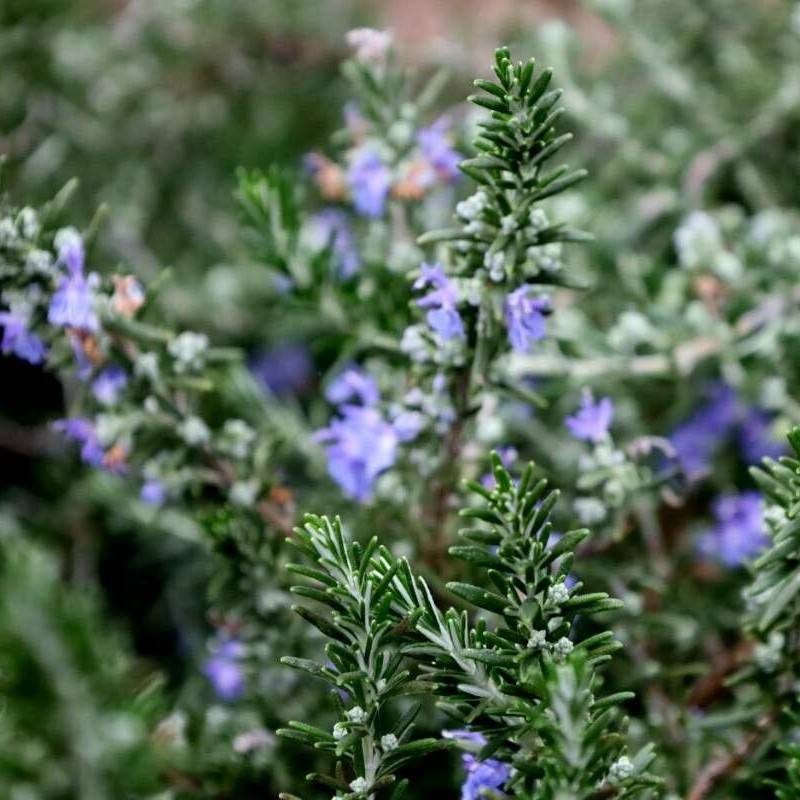
Creeping Rosemary
Salvia rosmarinus 'Prostratus'
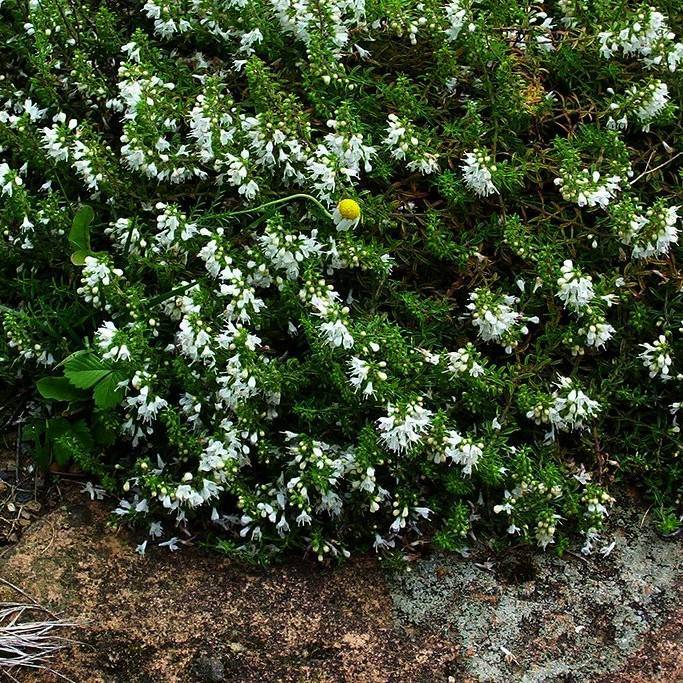
Creeping Savory
Satureja spicigera
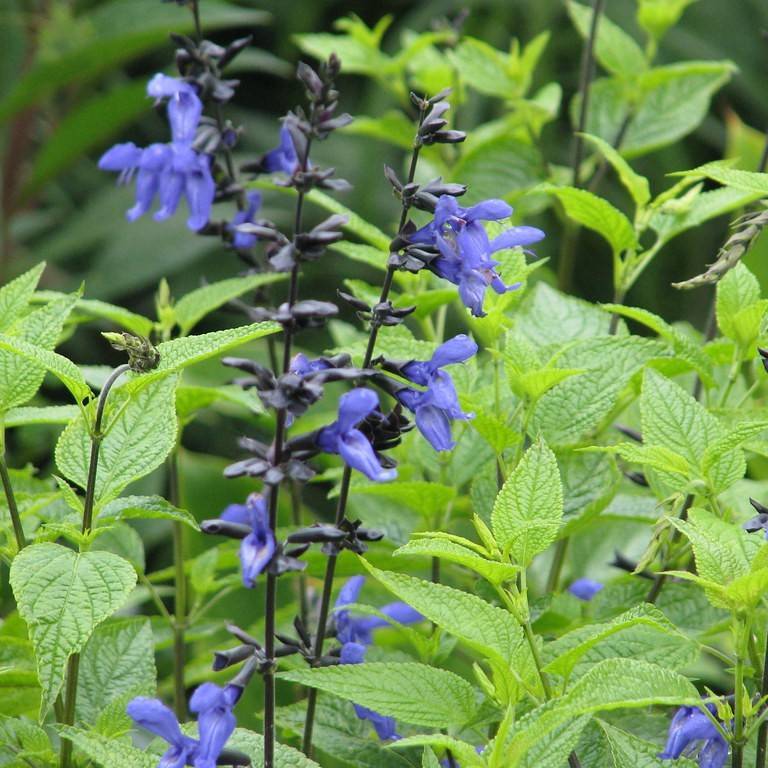
Anise Scented Sage
Salvia guaranitica
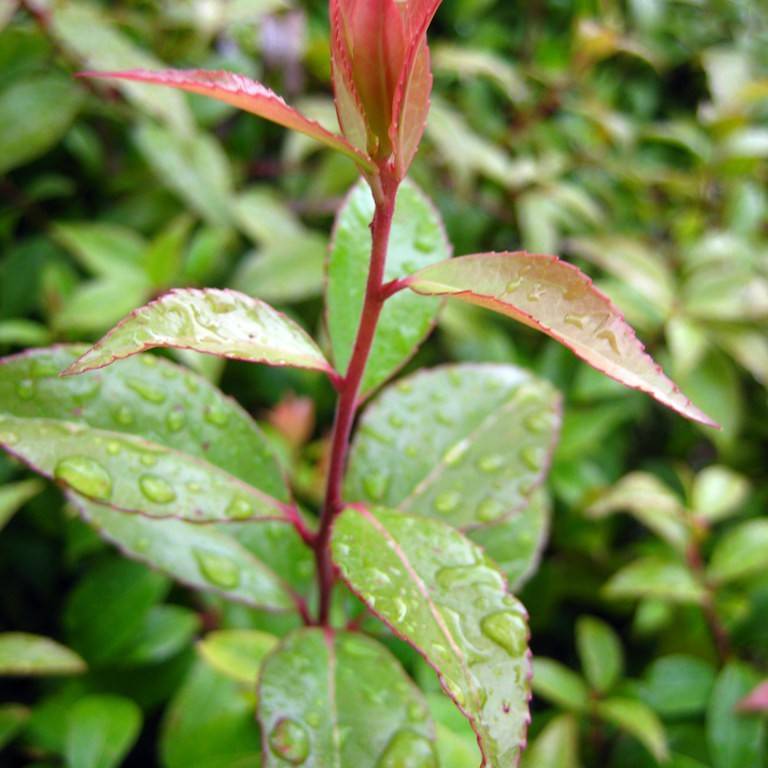
Dense Longwood Thyme
Thymus serpyllum 'Dense Longwood'
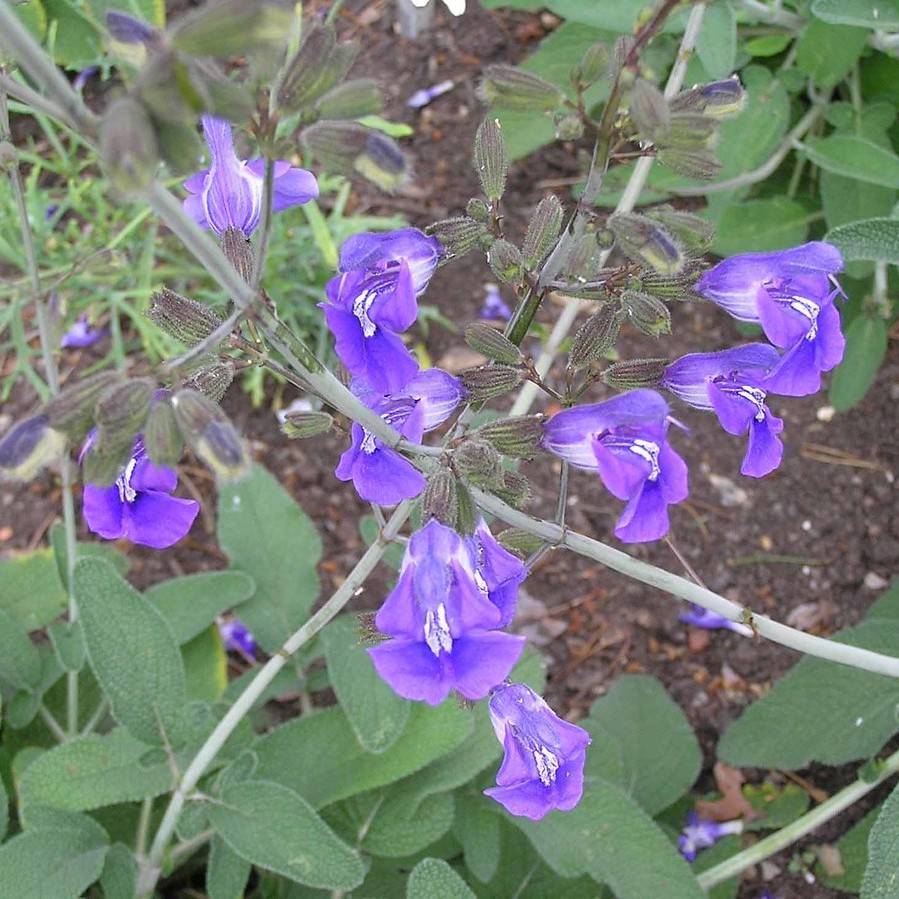
Candelabrum Sage
Salvia candelabrum
Douglas Wormwood
Artemisia douglasiana