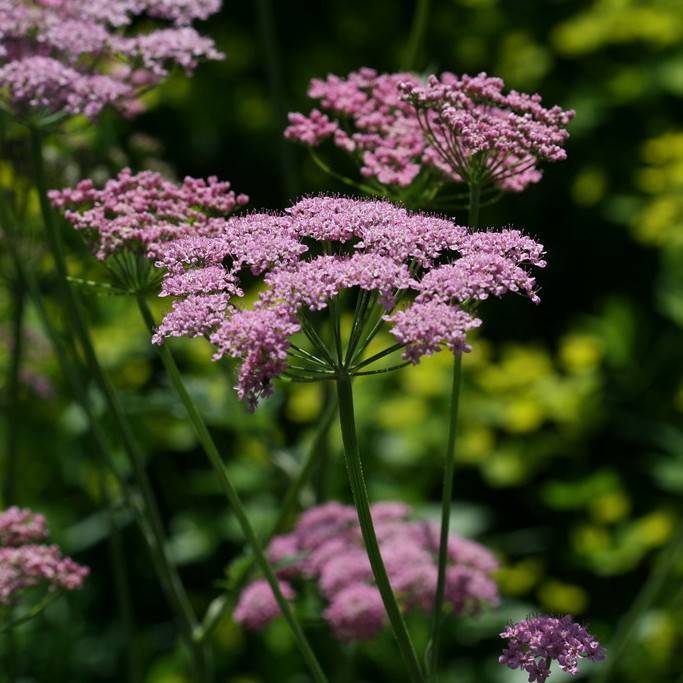
Greater Burnet
Sanguisorba officinalis
Overview
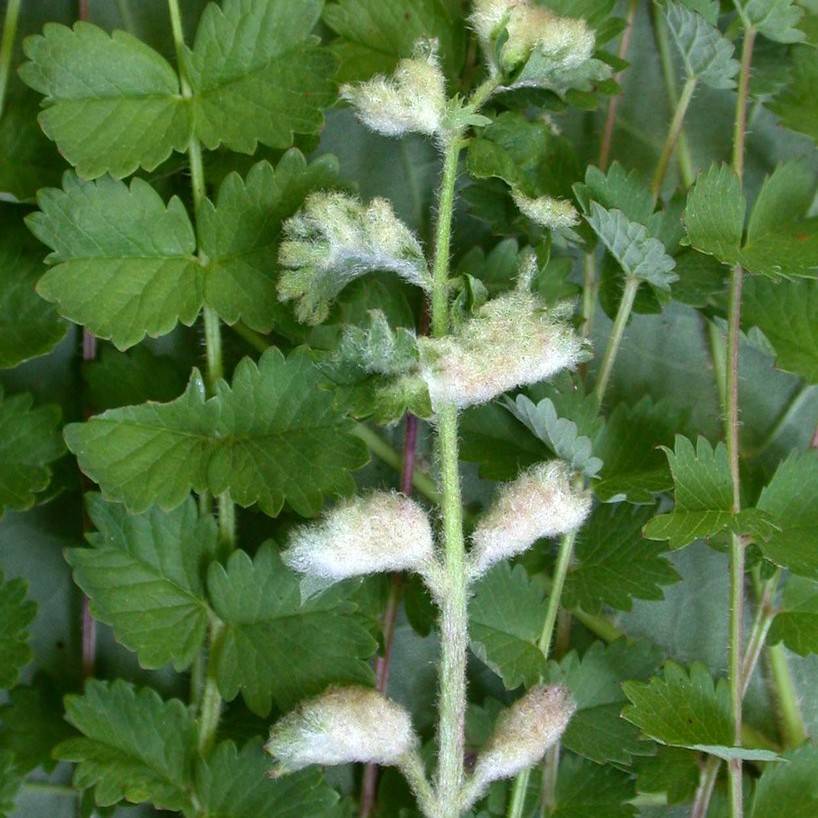
Greater burnet is a robust, clump-forming perennial that thrives in damp meadows, stream banks, and grassland habitats across its native temperate range. It produces tall, upright stems topped with dense, cylindrical, deep red to burgundy flower spikes that bloom from mid to late summer, attracting pollinators like bees and butterflies. Its pinnate, serrated leaves have a mild, fresh cucumber taste, making it a versatile edible and medicinal plant for home gardens and herbalists.
Care Guide
Watering
Greater burnet prefers consistently moist, well-drained soil and tolerates occasional waterlogging, making it ideal for rain gardens or low-lying damp areas. Water regularly during dry spells to prevent soil from drying out completely, as prolonged drought can cause foliage to wilt and reduce flowering. Reduce watering frequency in winter when the plant is dormant, only supplementing if natural rainfall is extremely low.
Light
This adaptable plant grows best in full sun, which encourages abundant flowering and sturdy, upright stem growth. It can tolerate partial shade, though flowering may be less prolific and stems may become leggy in very low-light conditions. For indoor cultivation, place it in a south-facing window that receives a minimum of 6 hours of direct sunlight daily.
Soil
Greater burnet thrives in fertile, loamy, neutral to slightly alkaline soil with high organic matter content, though it can adapt to a wide range of soil types including clay and sandy soils as long as moisture is retained. It does not perform well in extremely acidic soils with a pH below 6.0; amend acidic planting sites with ground limestone to raise pH if needed. Add well-rotted compost or aged manure to the planting hole to boost nutrient levels and improve soil moisture retention.
Fertilizer
Feed established plants in early spring with a balanced, slow-release organic fertilizer to support new leaf and stem growth before the flowering season. Avoid over-fertilizing with high-nitrogen formulas, as this can promote excessive foliage growth at the expense of flower production. A light top-dressing of compost in late autumn will provide sufficient nutrients to sustain the plant through its dormant period.
Temperature
Greater burnet is extremely cold-hardy, tolerating winter temperatures as low as -40°F (-40°C) in USDA hardiness zones 3 through 8. It prefers moderate summer temperatures between 60-75°F (15-24°C), and may benefit from light afternoon shade in regions with extremely hot, dry summer climates to prevent foliage scorch. The plant dies back to the ground completely in winter, with new growth emerging from the root crown in early spring.
Pruning
Deadhead spent flower spikes in late summer if you wish to prevent self-seeding, though the dried seed heads provide winter interest and food for small birds. Cut back all foliage to 2-3 inches above the soil line in late autumn after the first frost, to tidy the planting area and reduce overwintering sites for pests and diseases. Thin out overcrowded clumps every 3-4 years during division to improve air circulation and maintain vigorous growth.
Propagation
Greater burnet is most easily propagated by root division in early spring before new growth emerges, or in late autumn after the foliage has died back; separate clumps into smaller sections with at least one healthy growing point and replant immediately at the same depth as the parent plant. It can also be grown from seed sown directly outdoors in late autumn, as seeds require a period of cold stratification to germinate; spring-sown seeds should be refrigerated in moist soil for 4-6 weeks prior to planting to break dormancy. Seed-grown plants typically flower in their second year of growth.
Humidity
This plant adapts well to average outdoor humidity levels between 40-70%, and thrives in the moderate humidity common to its native temperate grassland and riparian habitats. It does not require extra humidity when grown outdoors, though extremely dry, arid conditions may cause leaf edges to brown. For indoor cultivation, mist the foliage occasionally or place a tray of pebbles filled with water under the pot to maintain adequate humidity levels.
Repotting
Greater burnet is rarely grown as a long-term houseplant, but if potted, repot every 2-3 years in early spring before new growth emerges, using a slightly larger pot with drainage holes to prevent root rot. Use a high-quality loamy potting mix amended with compost to provide nutrients and retain moisture. After repotting, water thoroughly and place in a sunny location to help the plant re-establish its root system.
Uses & Symbolism
The young, tender leaves of greater burnet are eaten raw in salads, added to soups and sauces, or used to make refreshing herbal teas, with a crisp, cucumber-like flavor that pairs well with savory dishes. In traditional herbal medicine, it has been used topically to stop bleeding from wounds, and internally to treat diarrhea, inflammation, and digestive issues. It is also valued as an ornamental plant for pollinator gardens, rain gardens, and meadow plantings, with its long-lasting flower spikes suitable for fresh or dried cut flower arrangements.
Diseases & Pests
Greater burnet is relatively pest and disease resistant, though it may be susceptible to powdery mildew in warm, humid conditions with poor air circulation; thin clumps regularly and avoid overhead watering to reduce risk. Aphids and spider mites may occasionally infest new growth, especially on potted indoor specimens; treat infestations with a strong spray of water or insecticidal soap. Root rot can occur in poorly drained, waterlogged soil, so ensure planting sites or pots have adequate drainage to prevent this fatal fungal condition.
Related plants
Other plants you might like if you grow Greater Burnet.